


Facelift Surgery in Washington, DC
Customized Facial Rejuvenation with Dr. Ariel Rad
A beautifully performed facelift should not change who you are. It should restore the contours, definition, and balance that have gradually changed with time while allowing you to continue looking unmistakably like yourself.
At Sherber + Rad in Washington, DC, board-certified plastic surgeon Dr. Ariel Rad specializes in highly individualized facelift surgery designed around each patient's unique anatomy and pattern of facial aging. His approach focuses on repositioning deeper facial structures rather than relying on excessive skin tension, creating meaningful rejuvenation while preserving natural expression.
Some patients seek subtle refinement as early signs of facial aging begin to appear. Others want more comprehensive correction of jowls, facial descent, and loss of jawline definition. Rather than applying the same facelift technique to every patient, Dr. Rad evaluates how your face has changed and develops a surgical plan designed to restore natural facial harmony.
“Facelifting is about restoring what time took away.”
- Ariel N Rad, MD, PhD, FACS

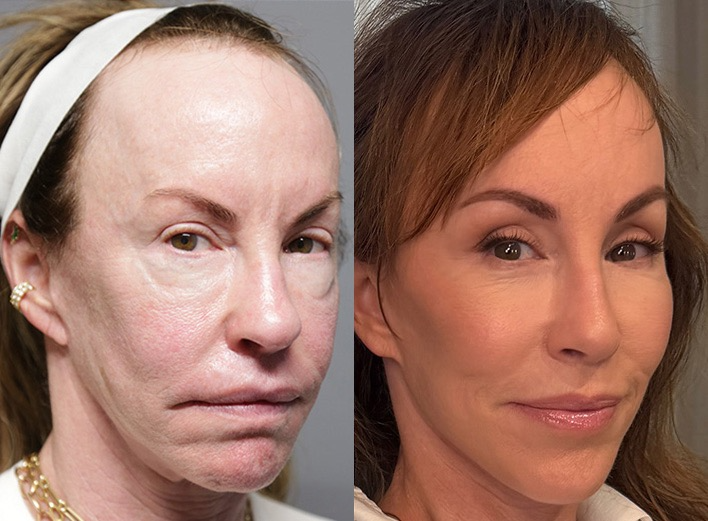
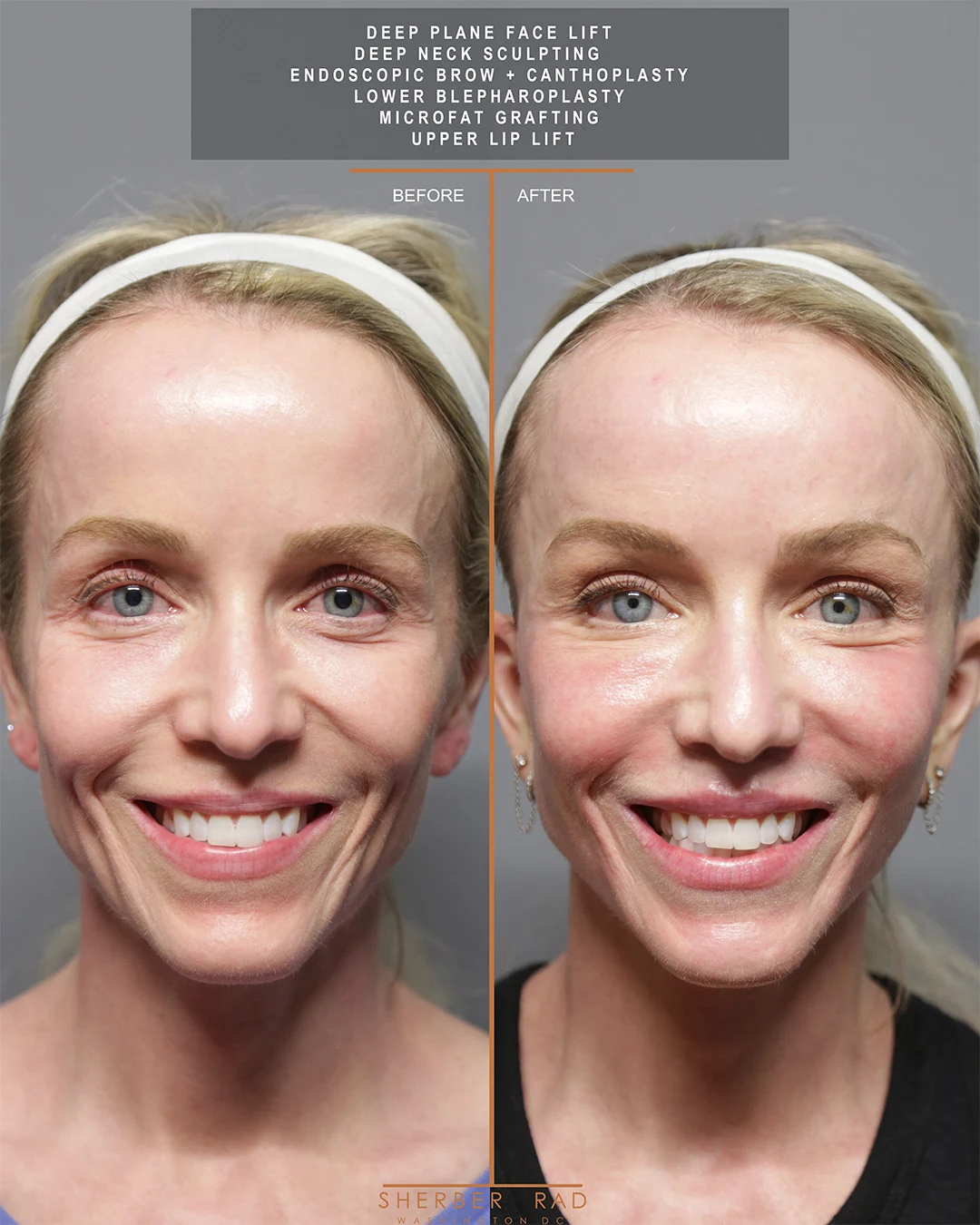
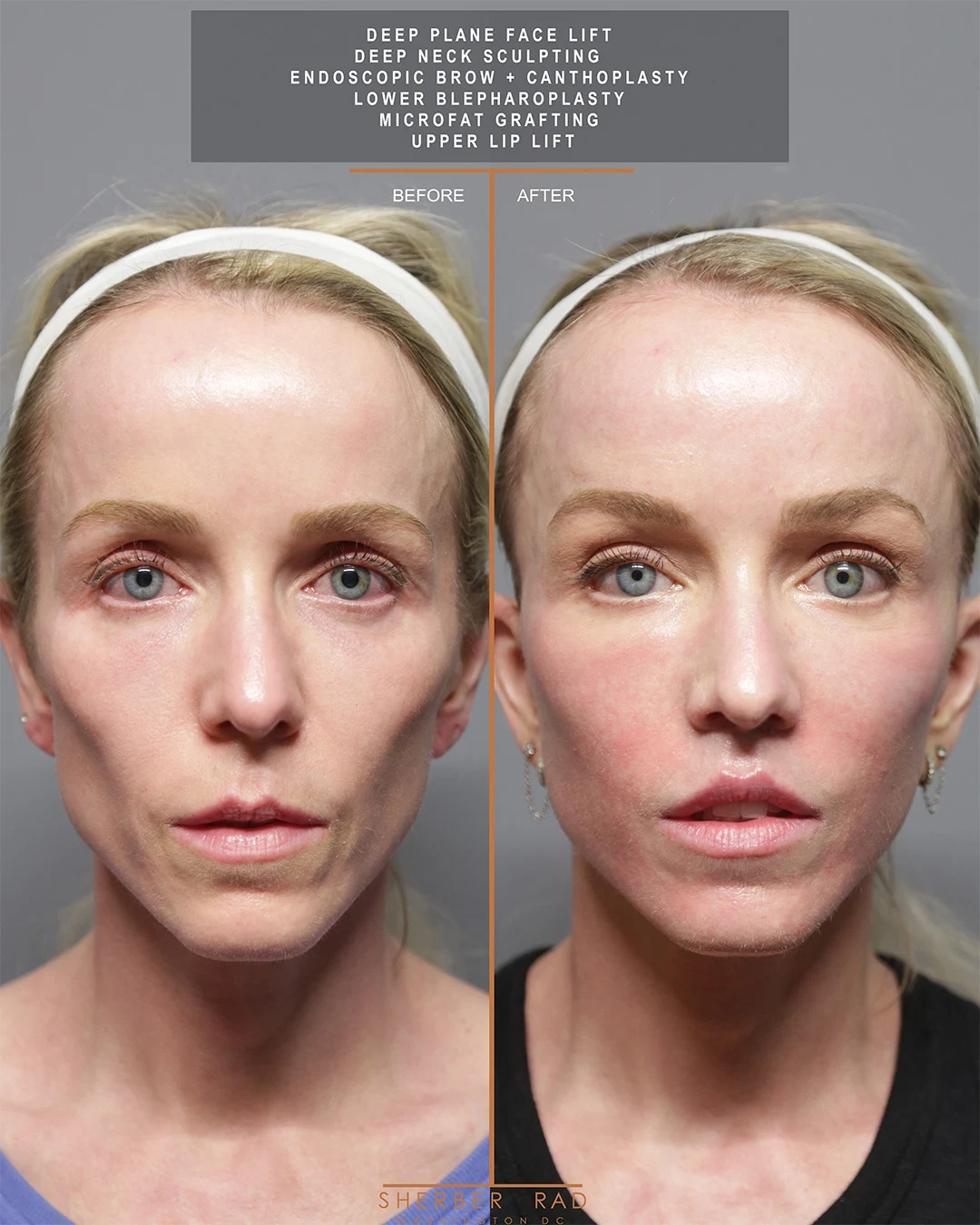
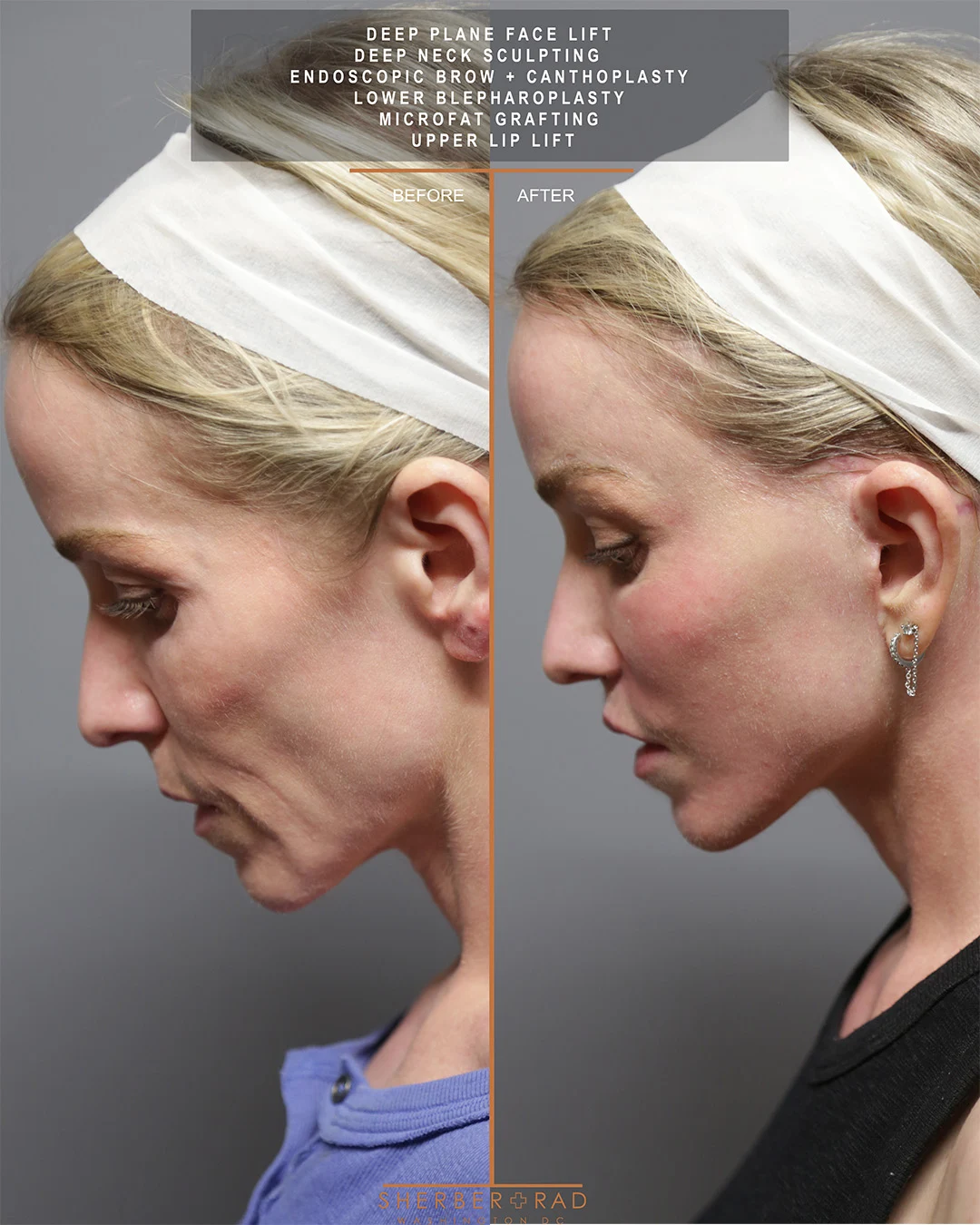
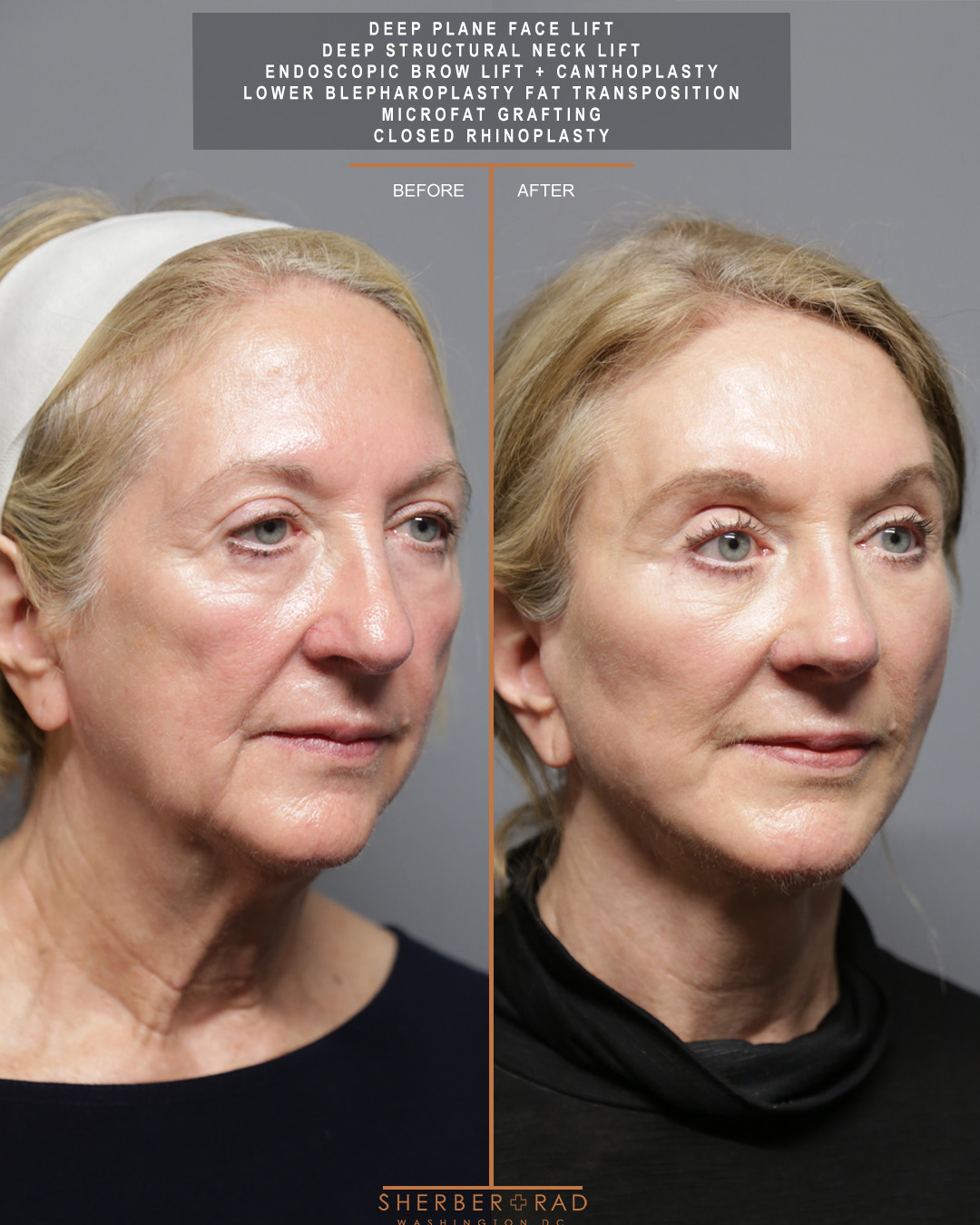
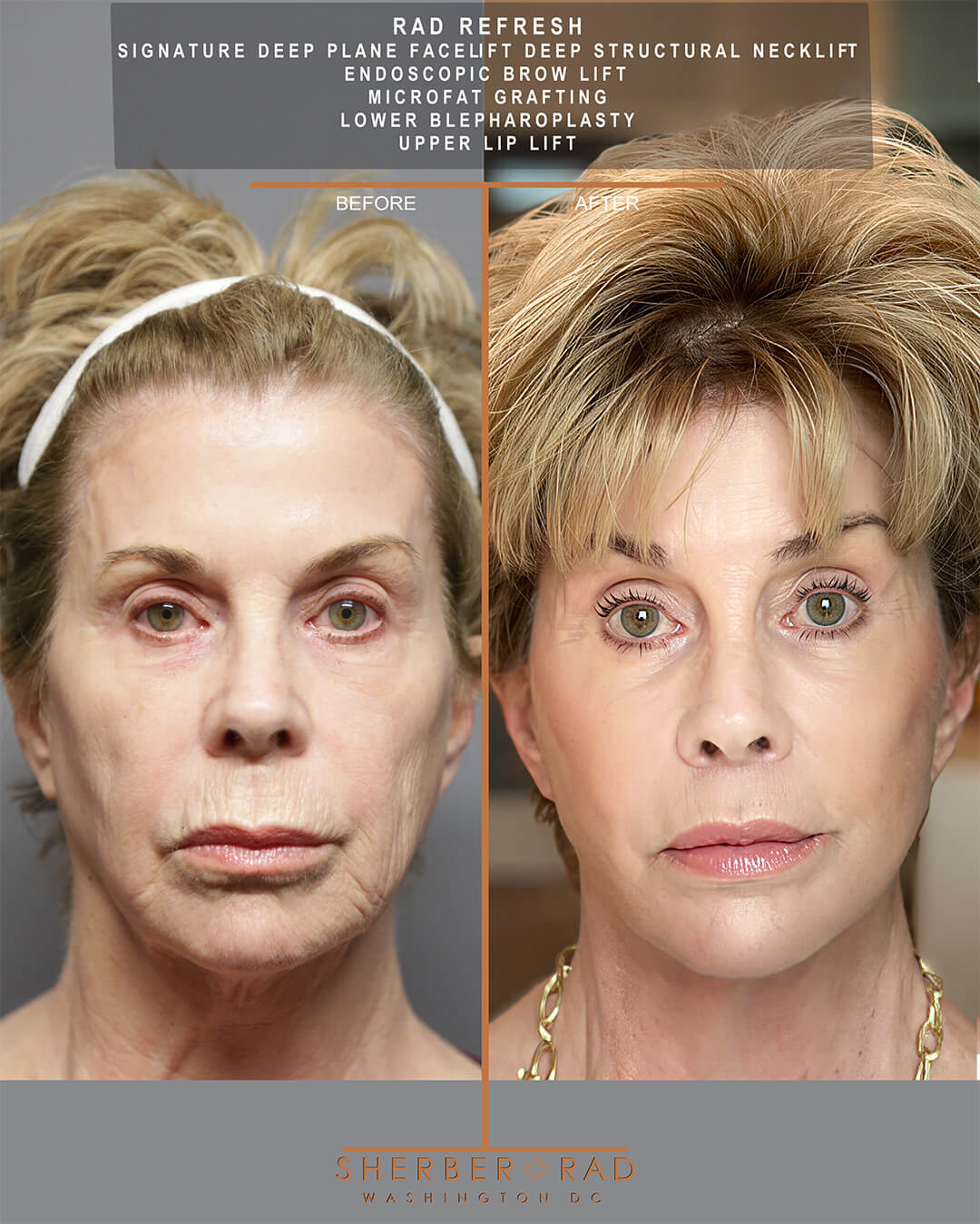
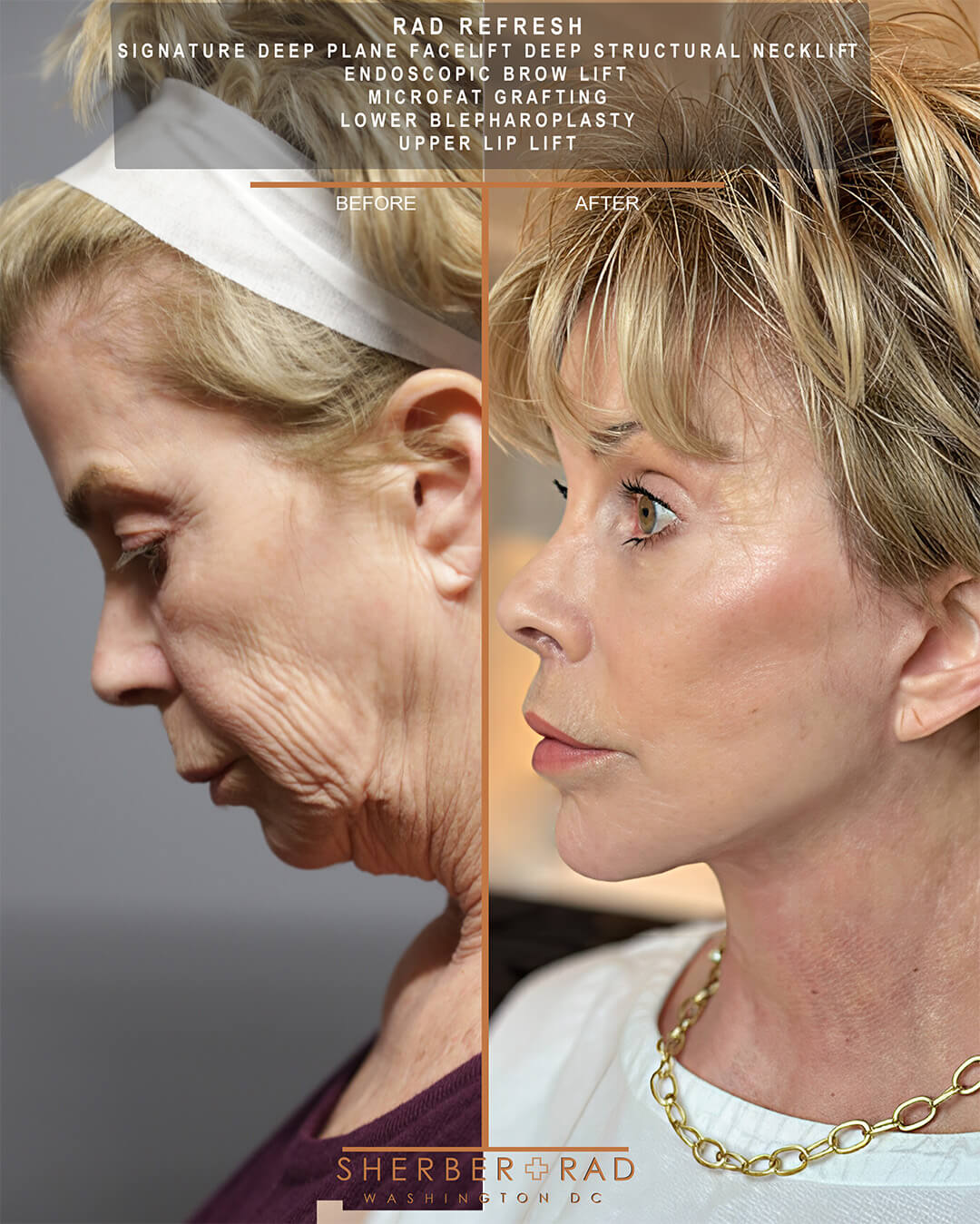
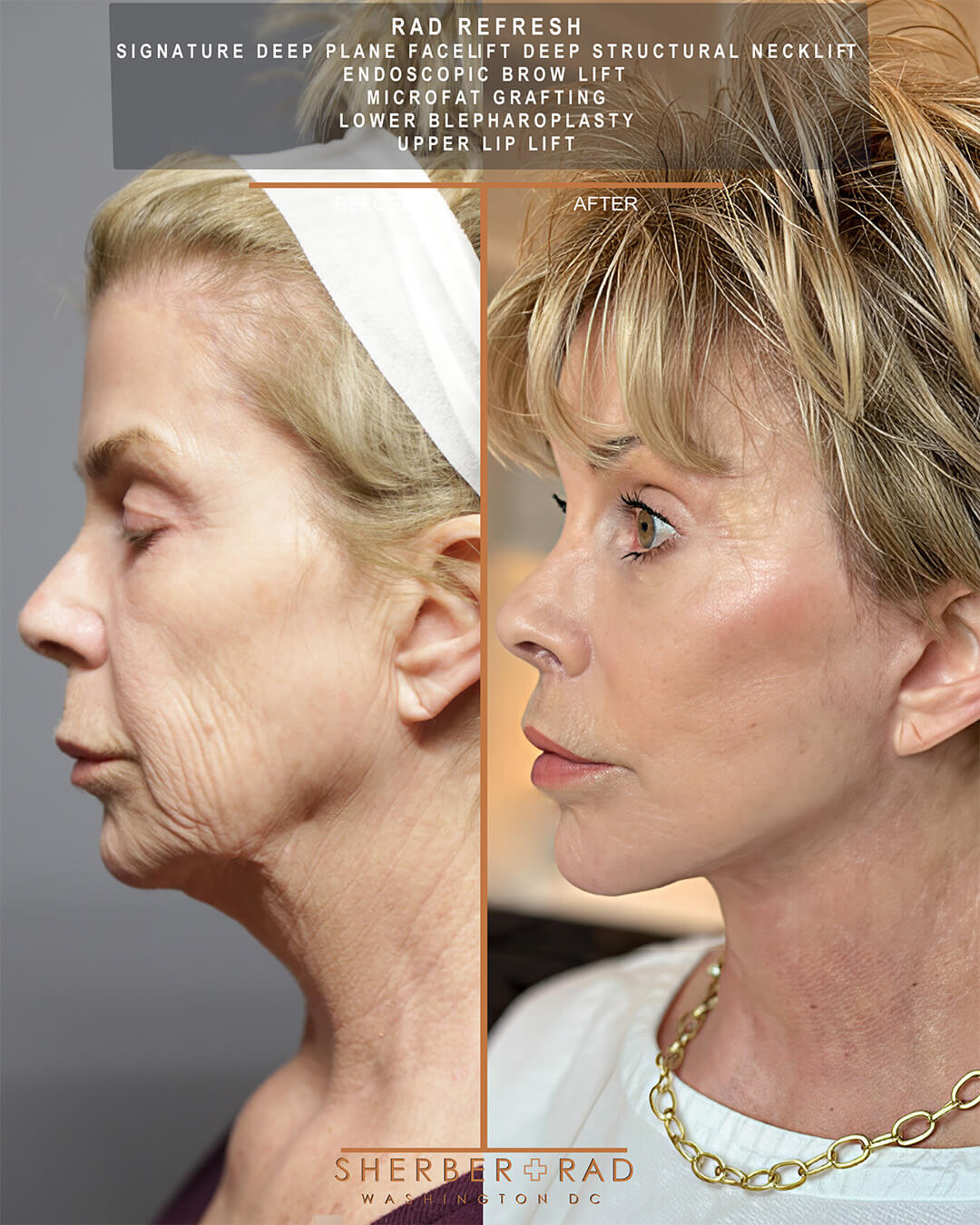
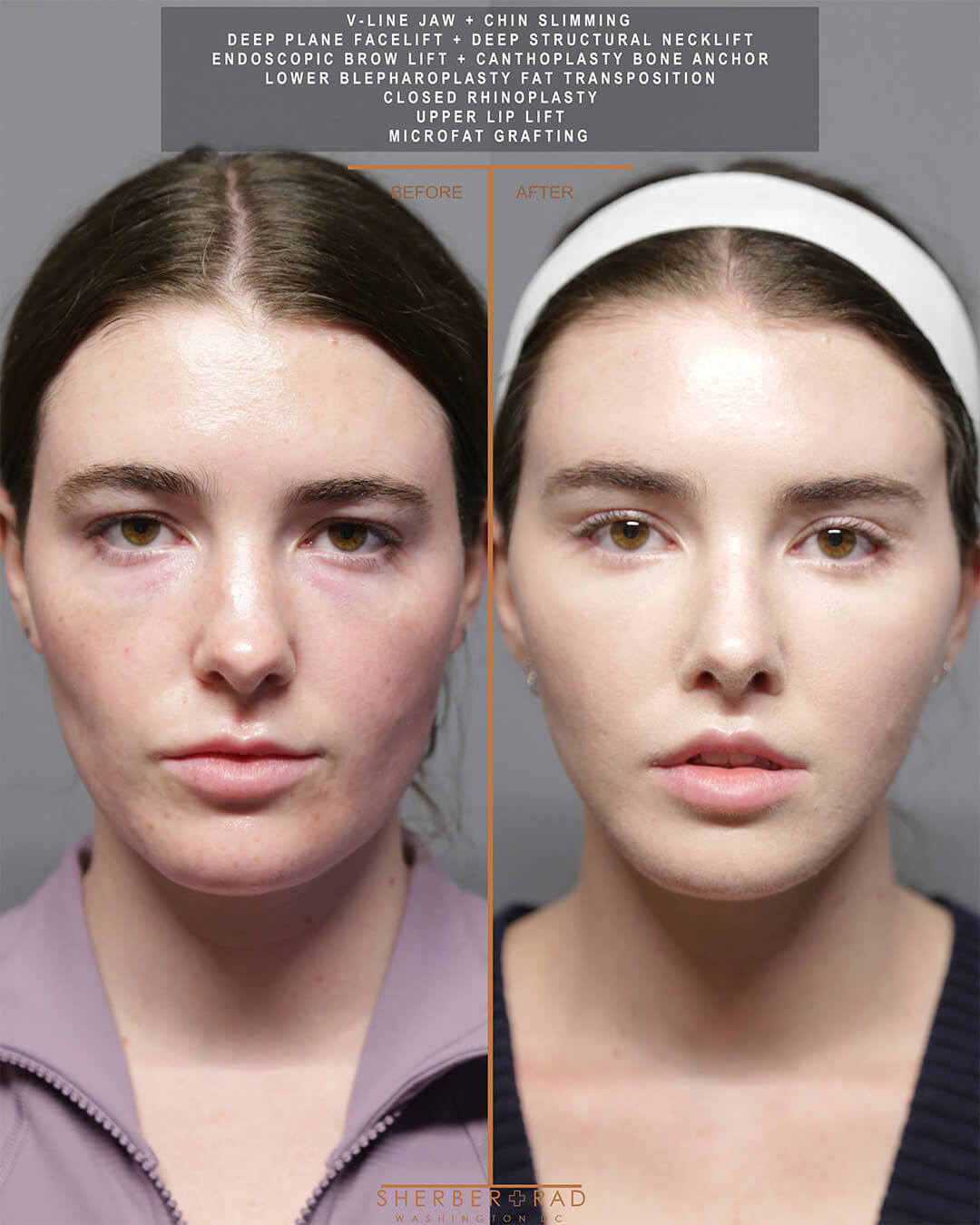
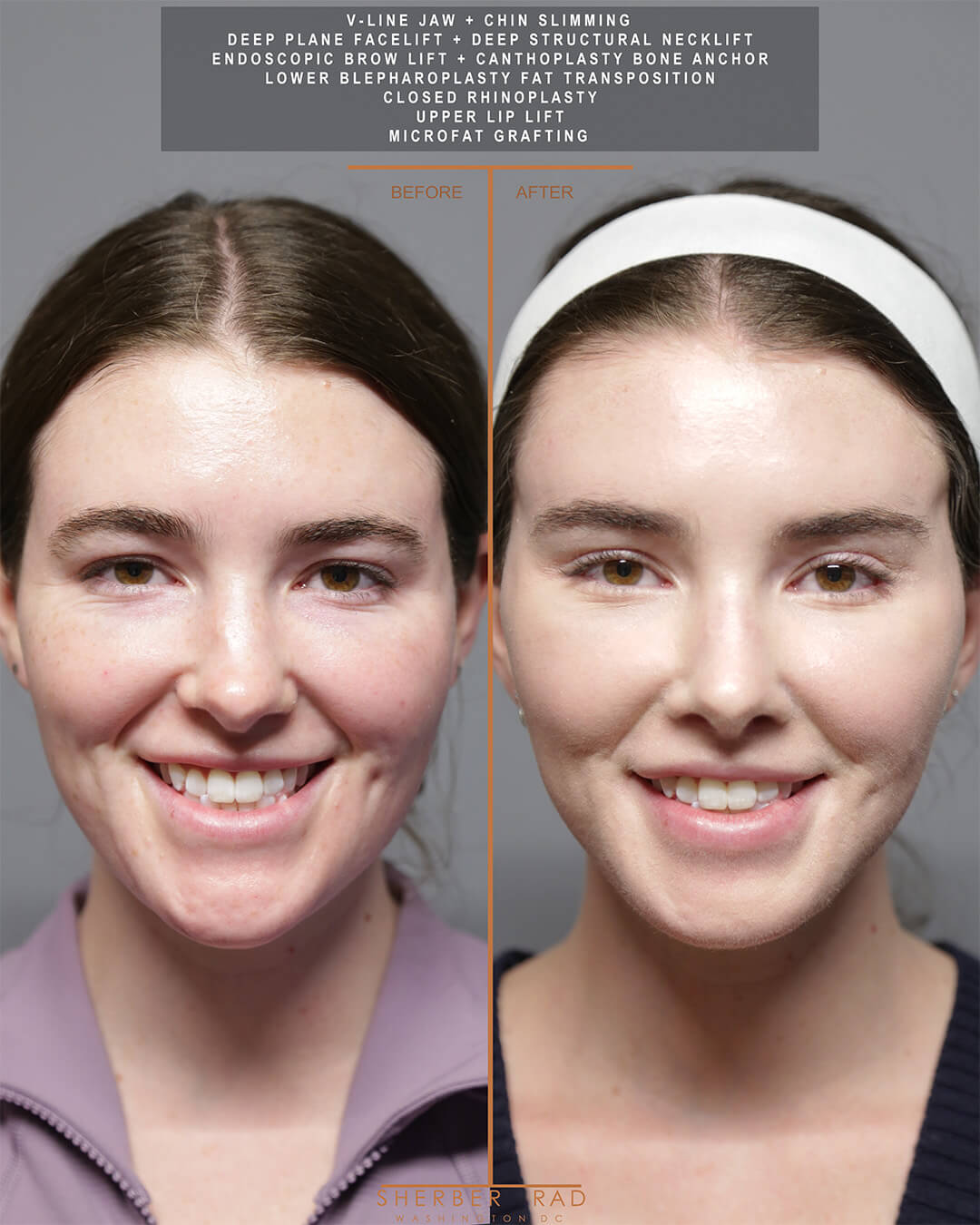
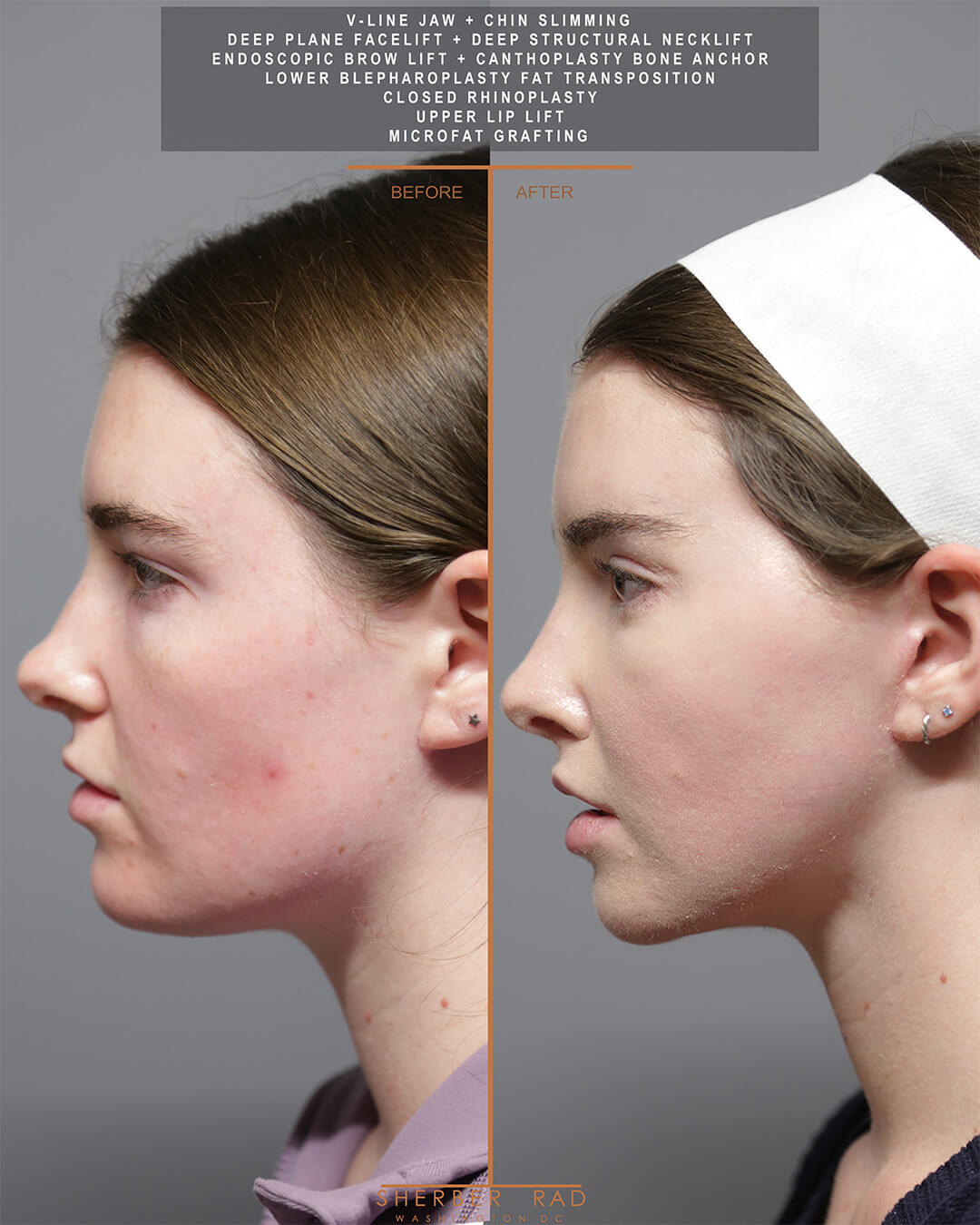
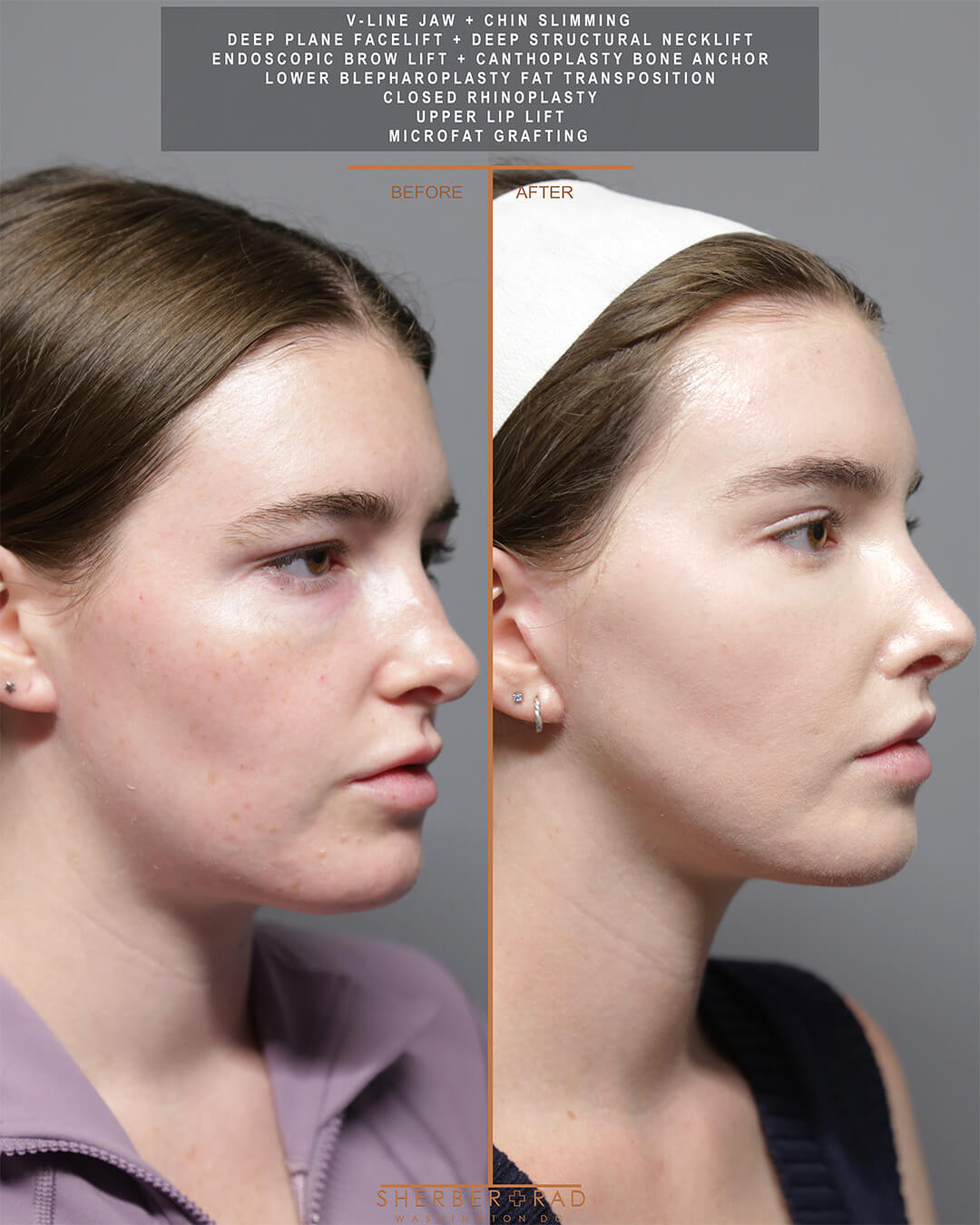
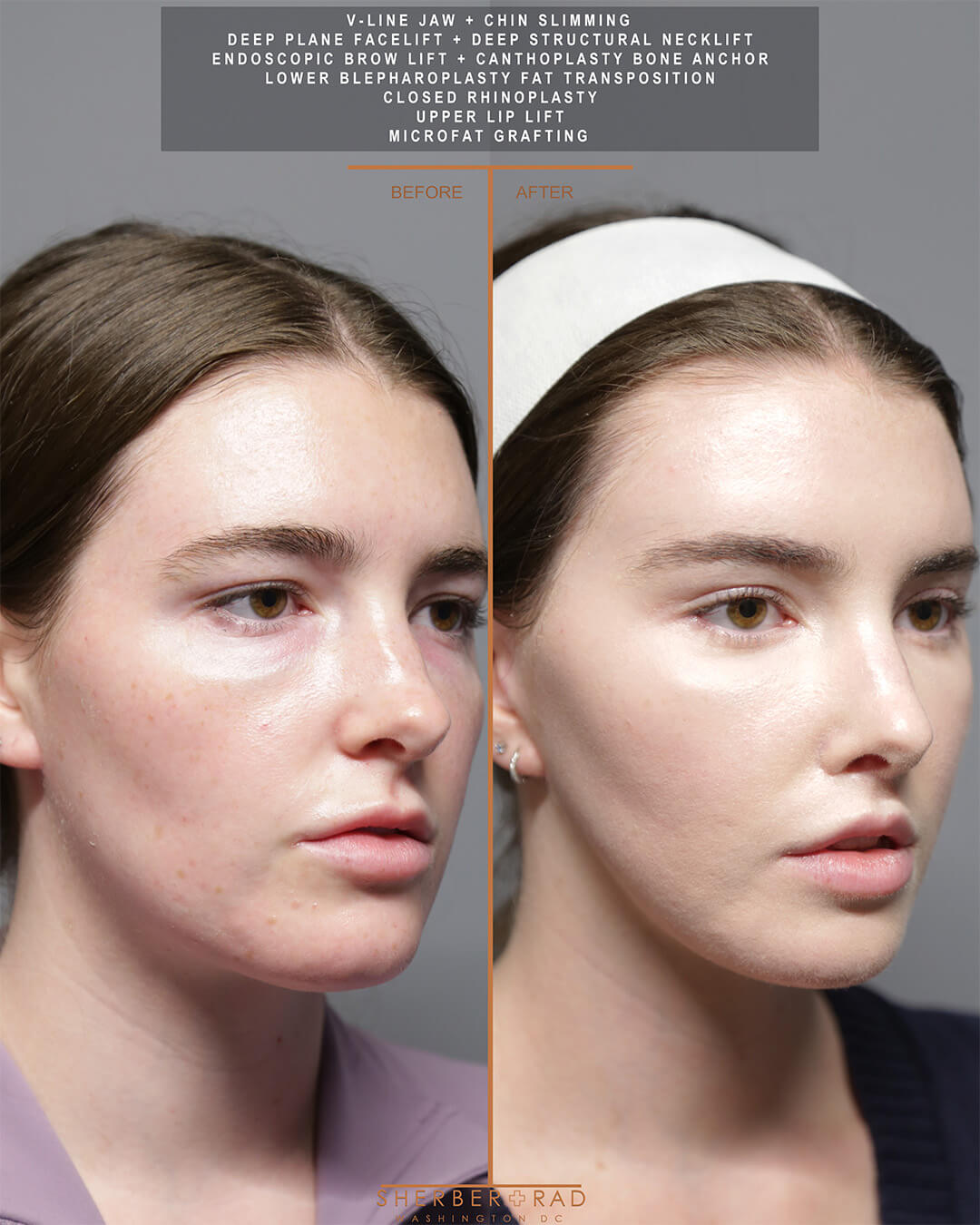
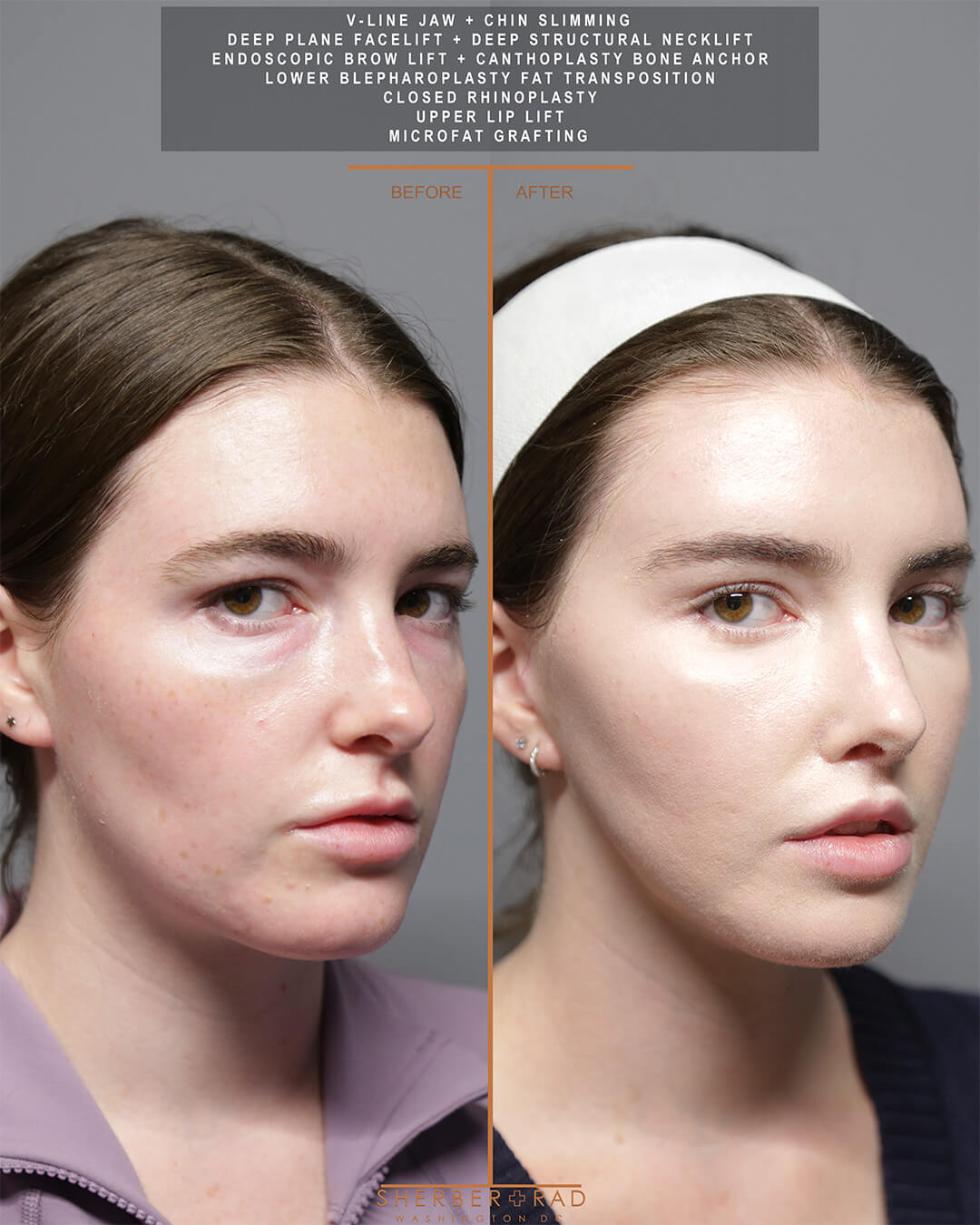
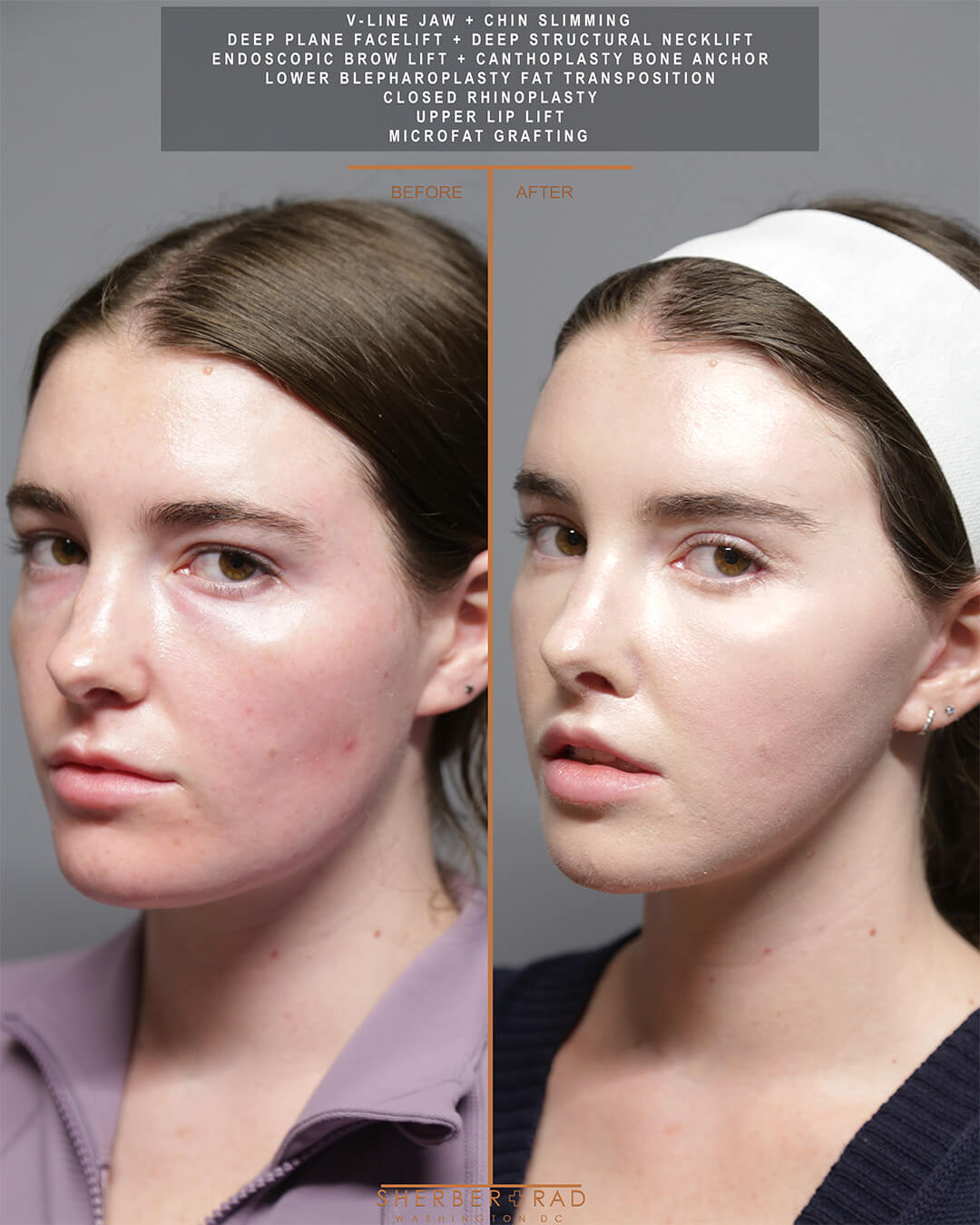
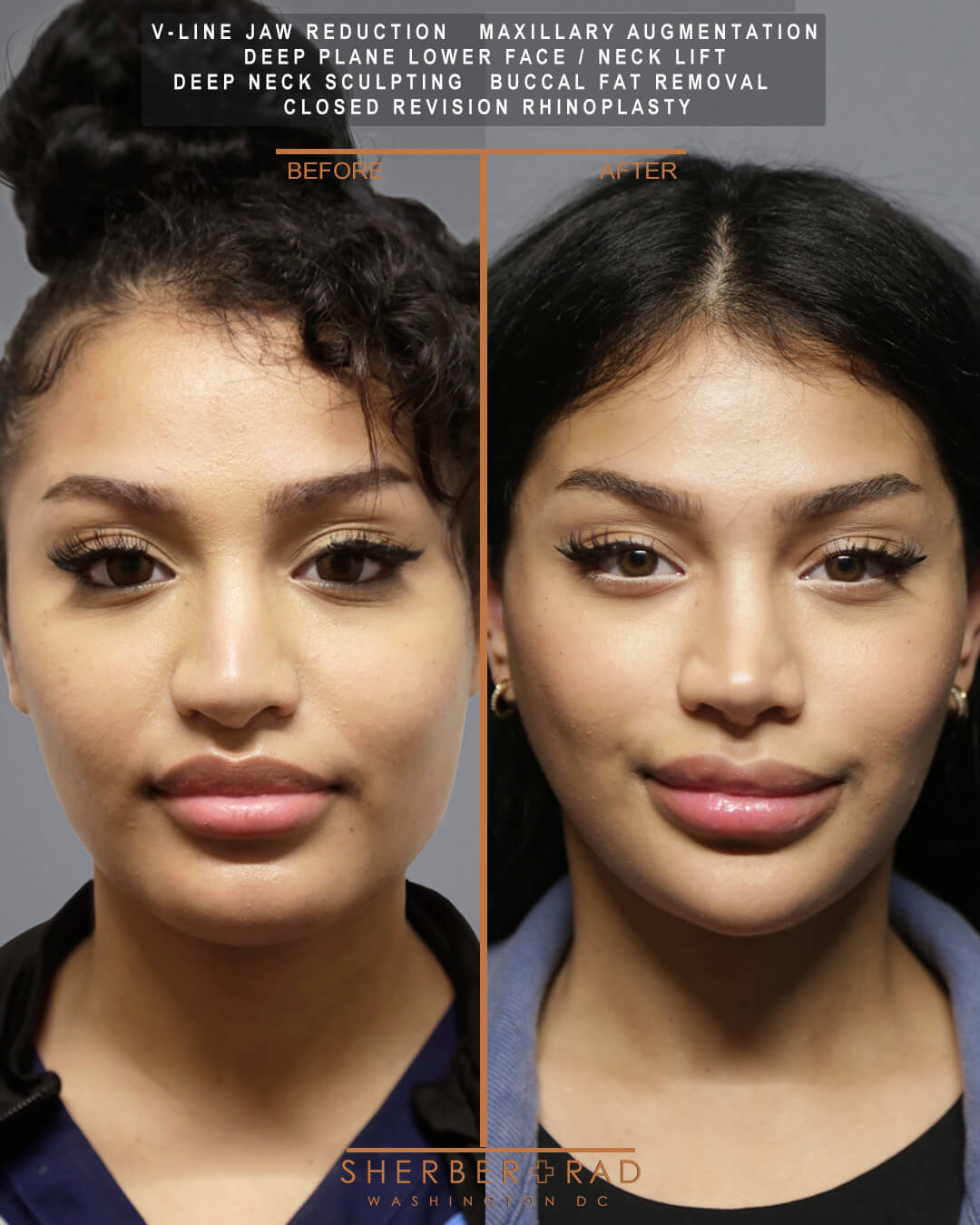
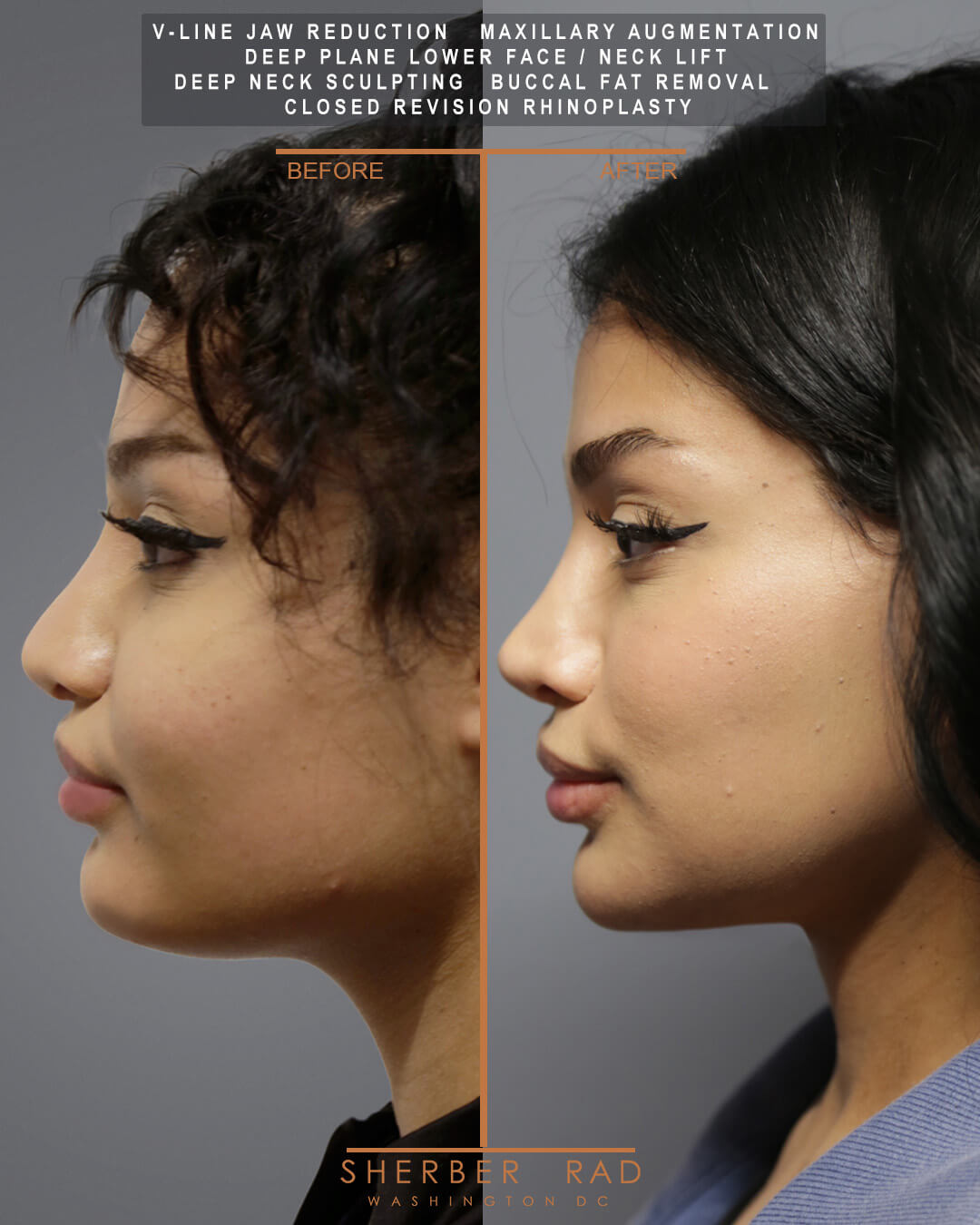
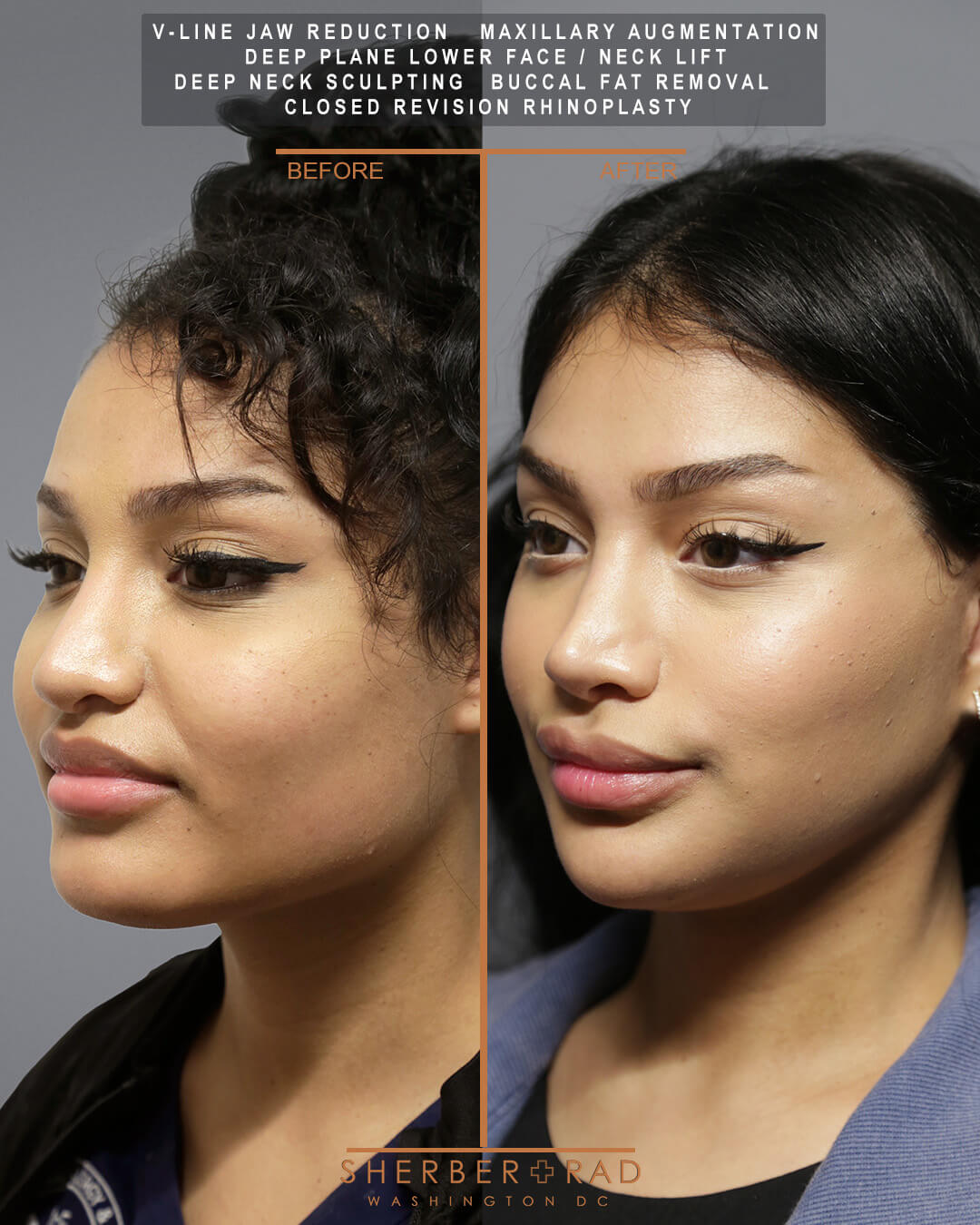
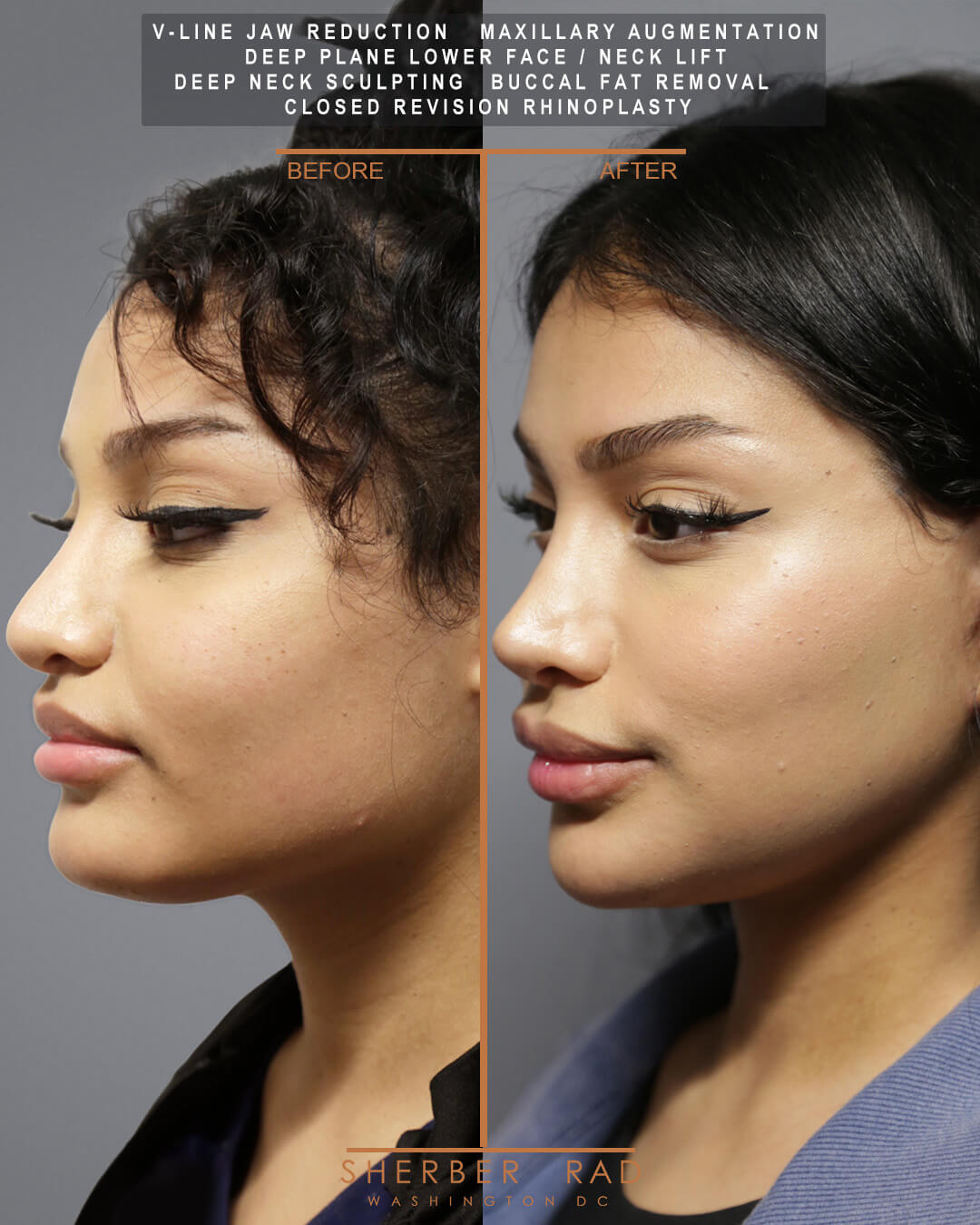
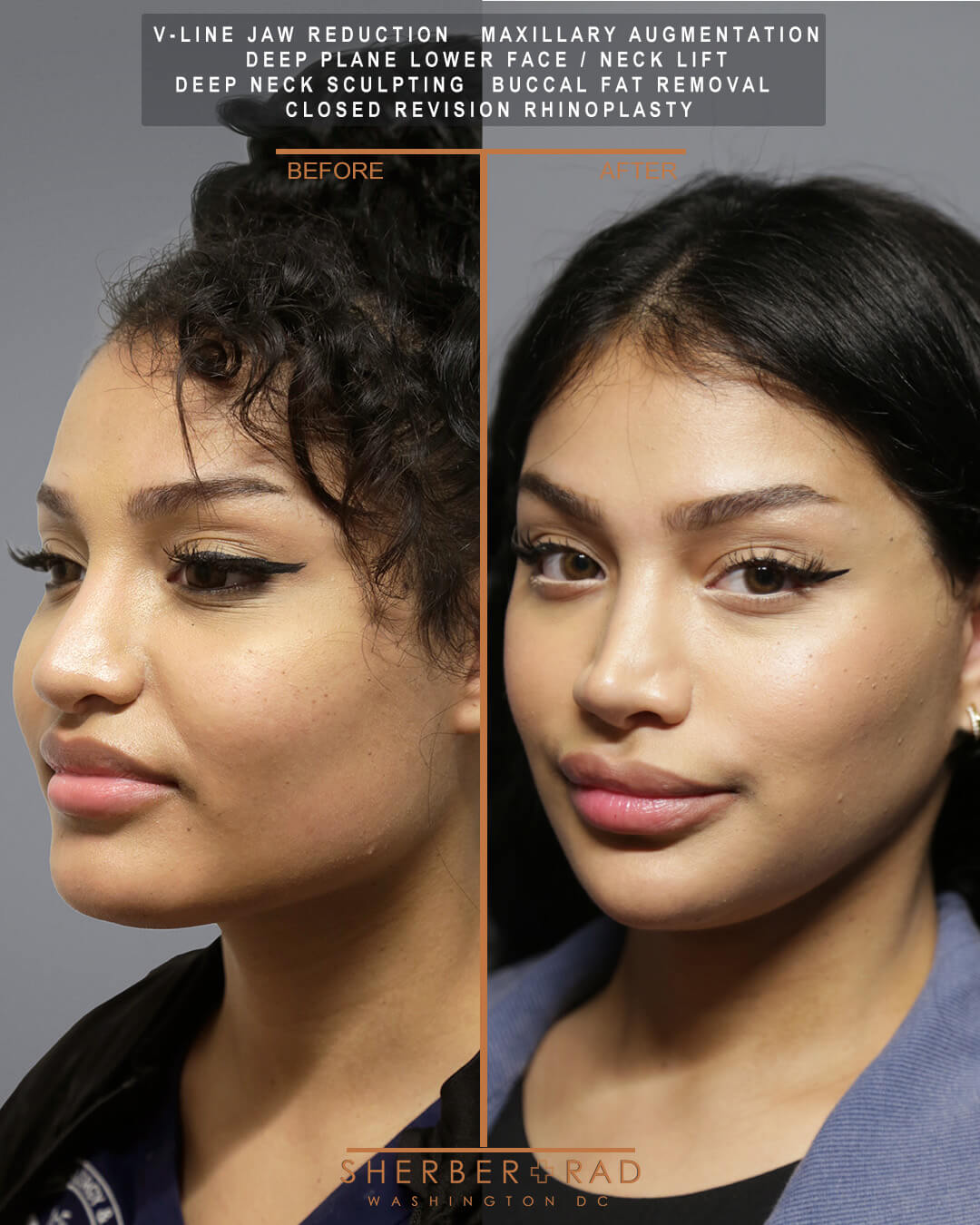
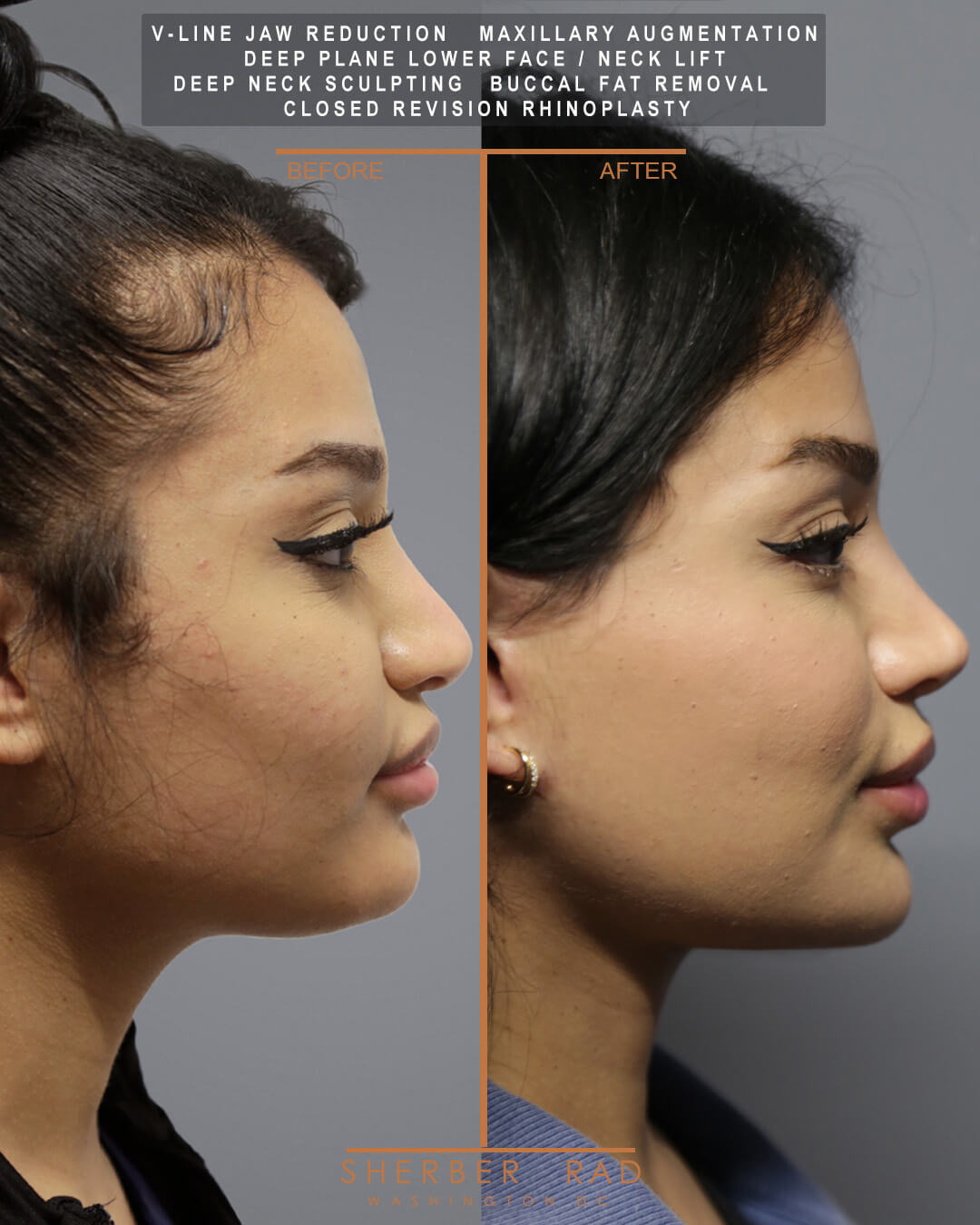
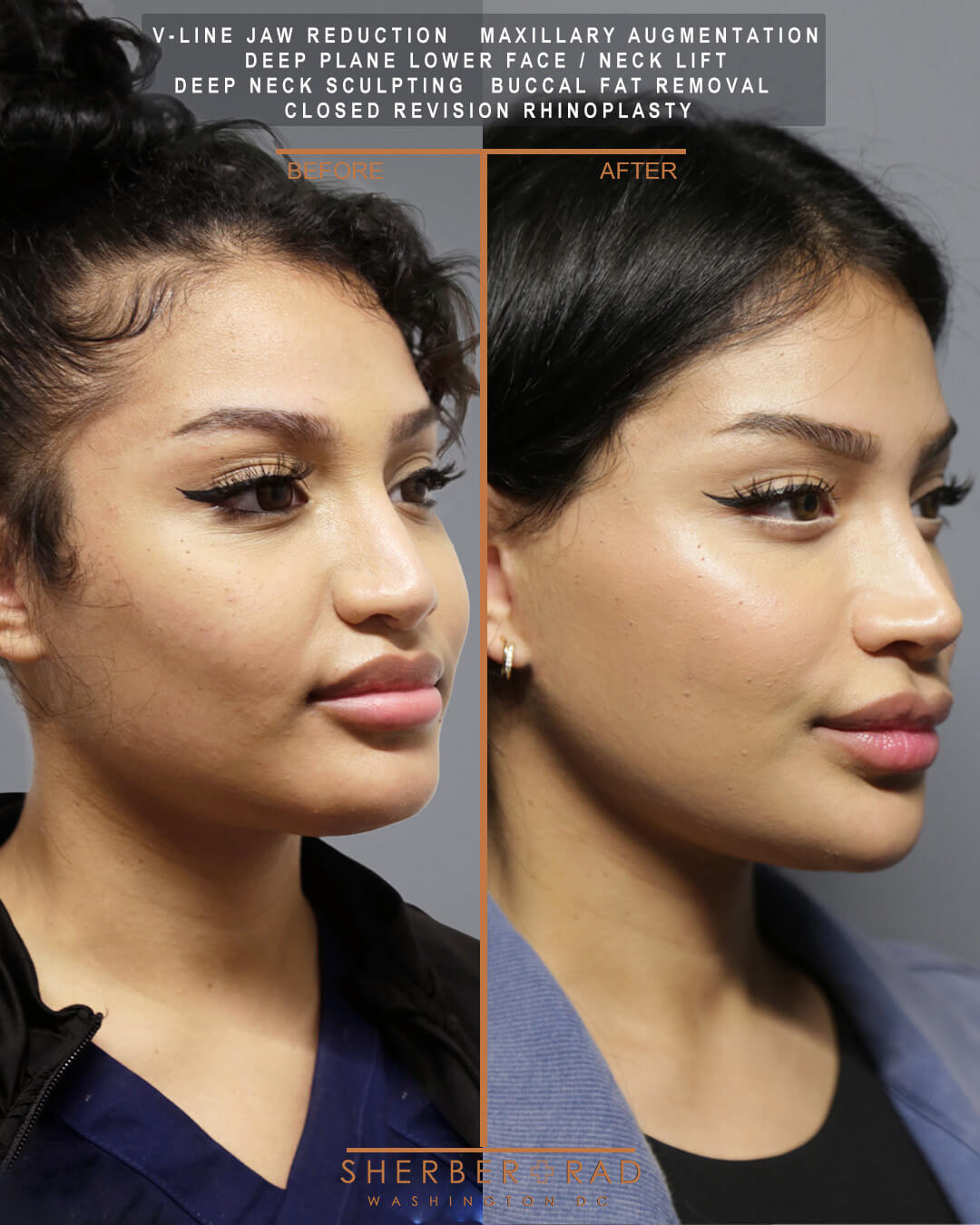
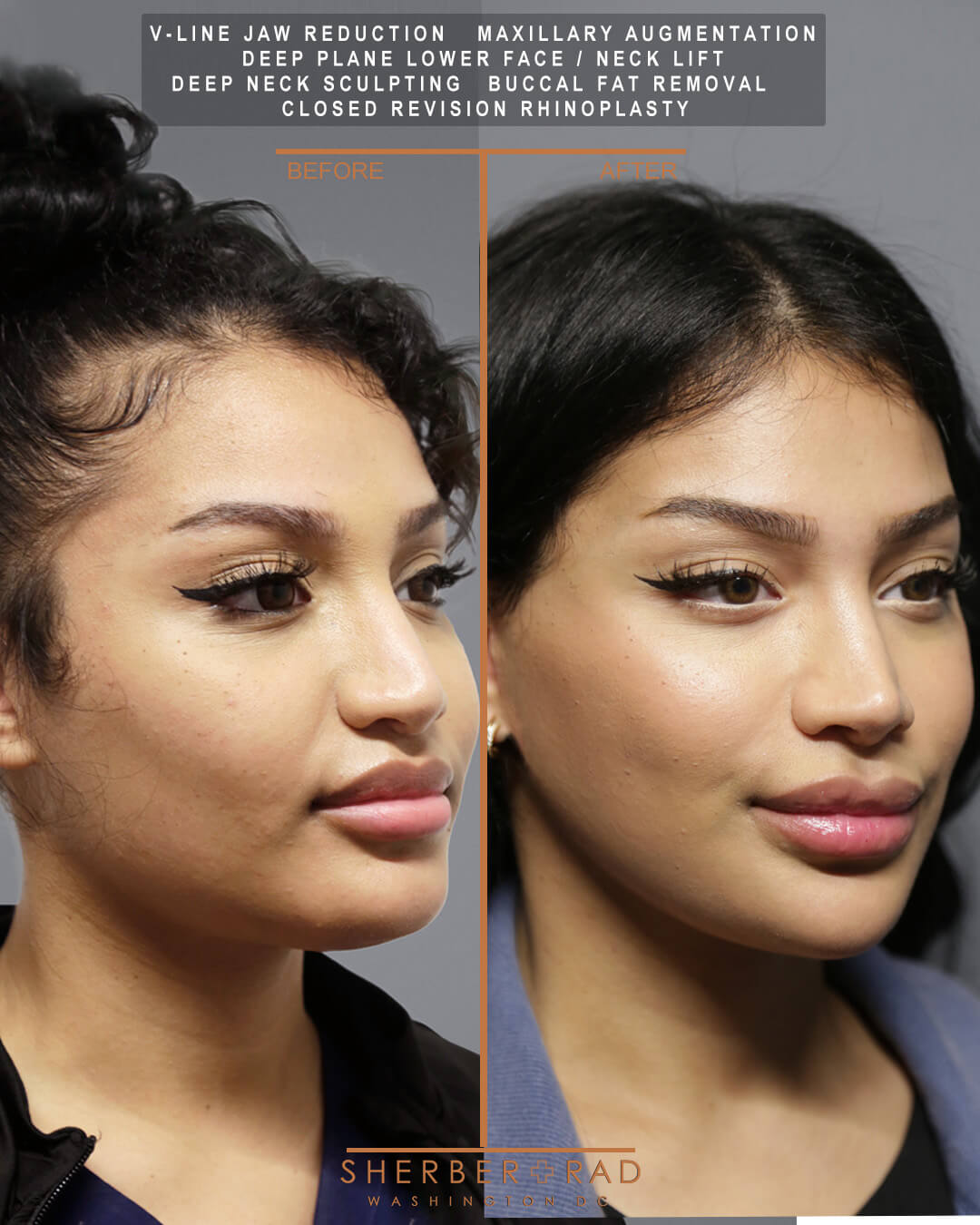
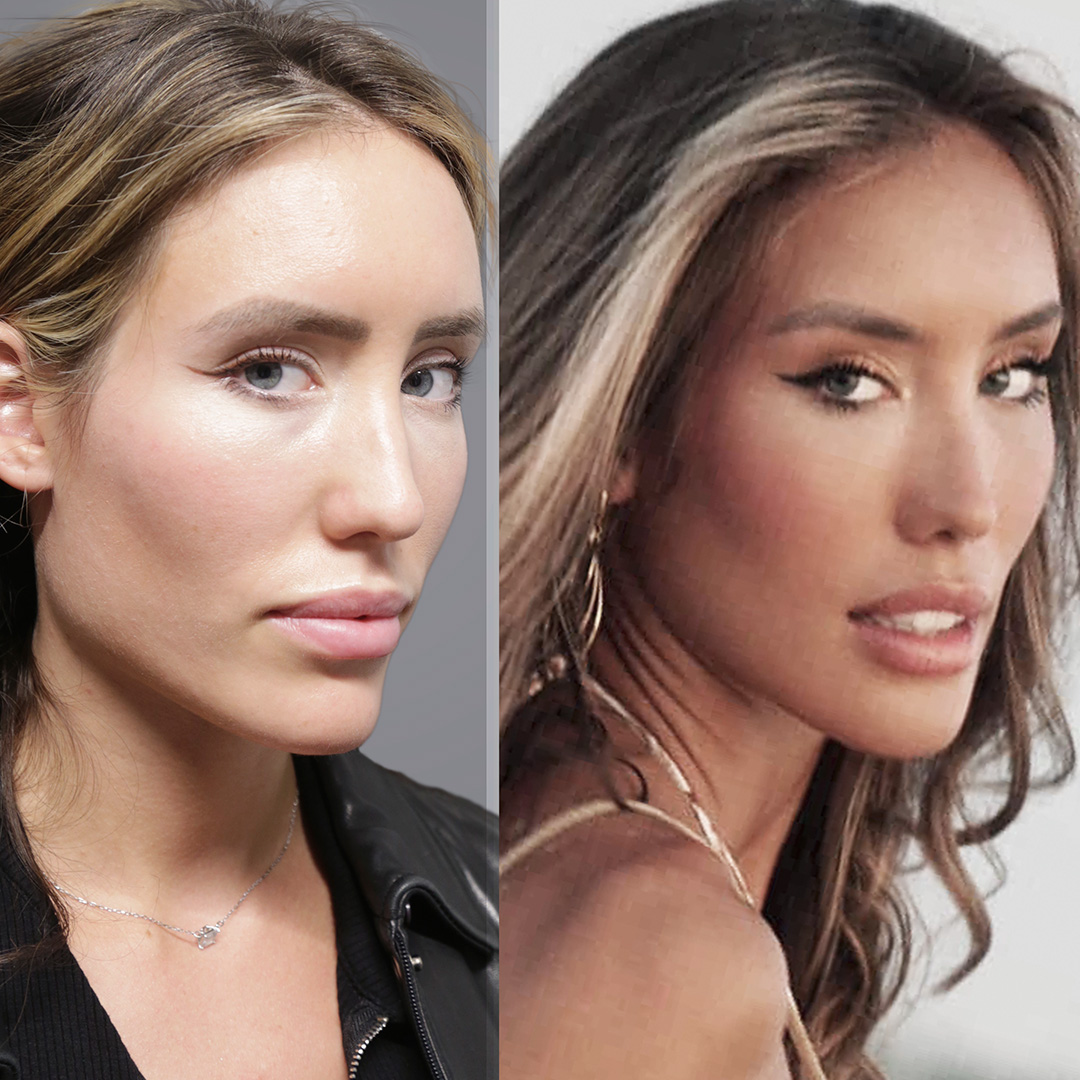
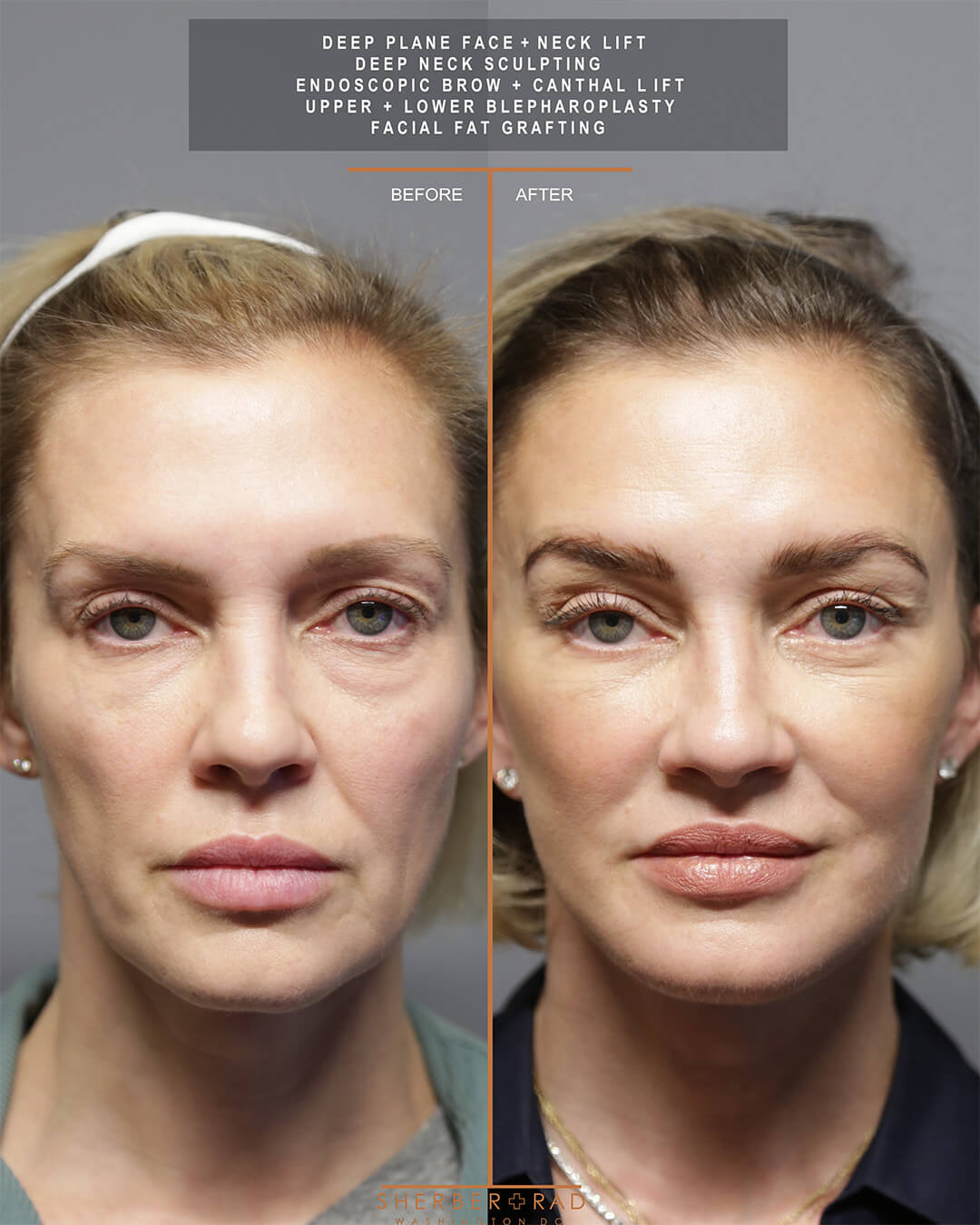
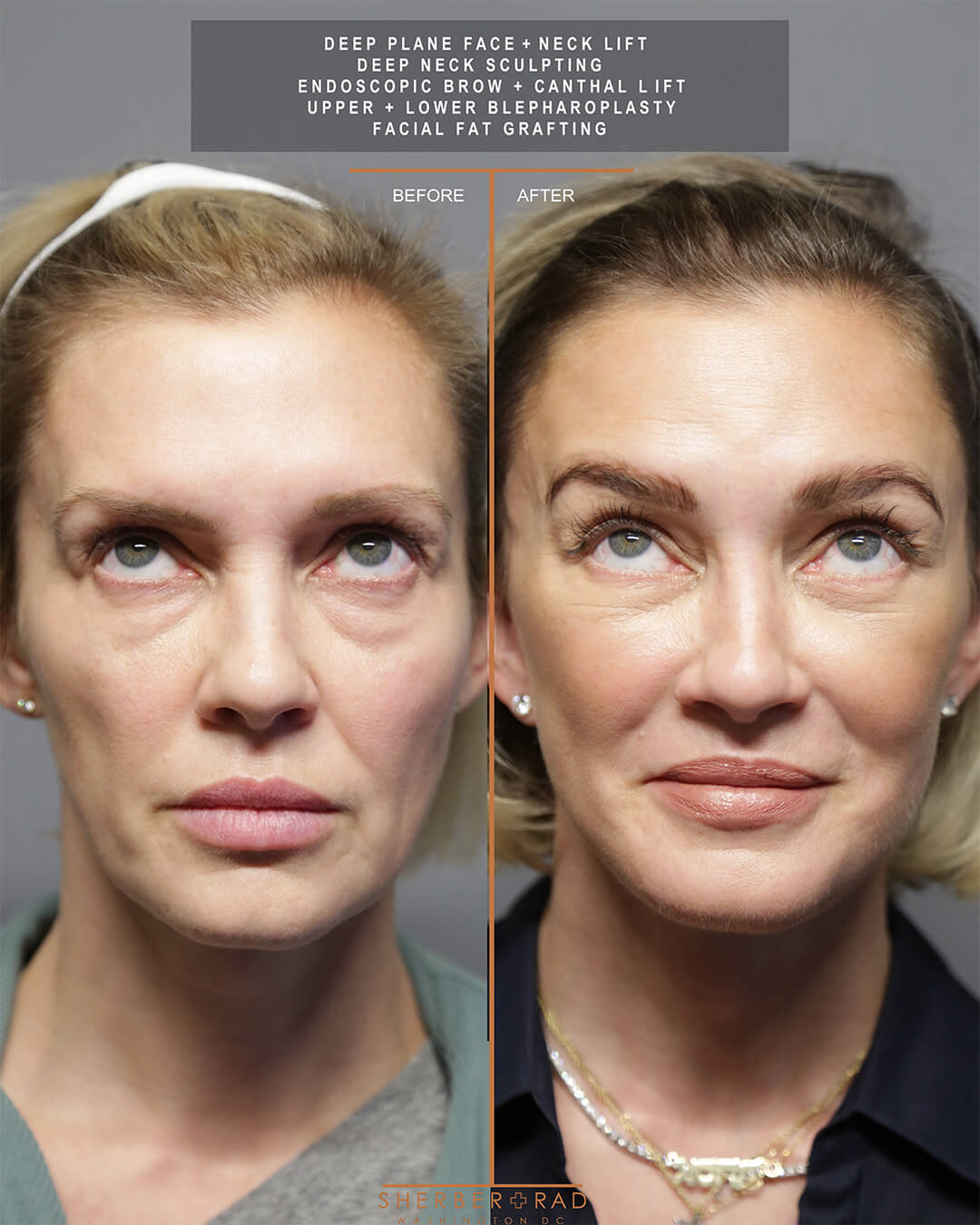
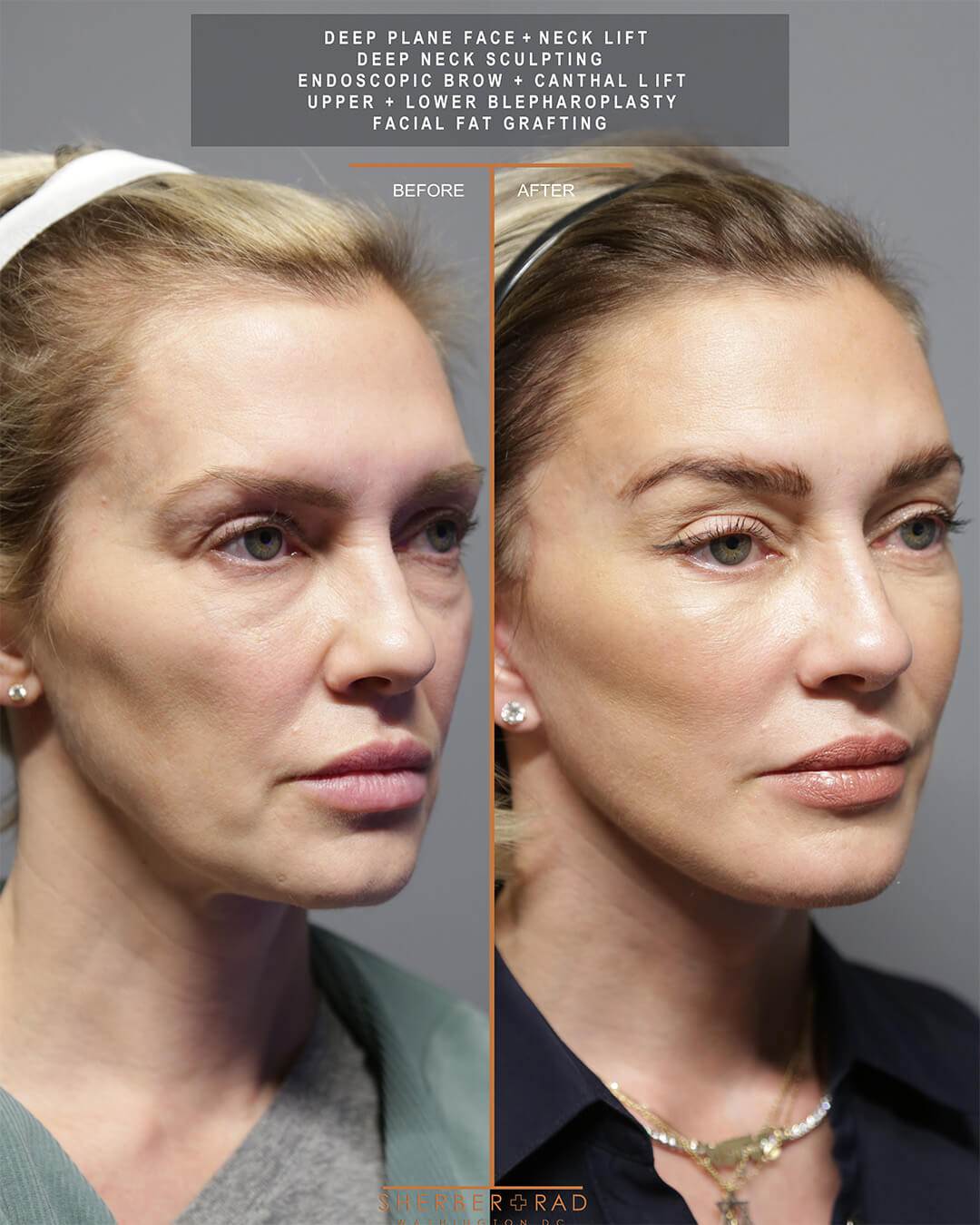
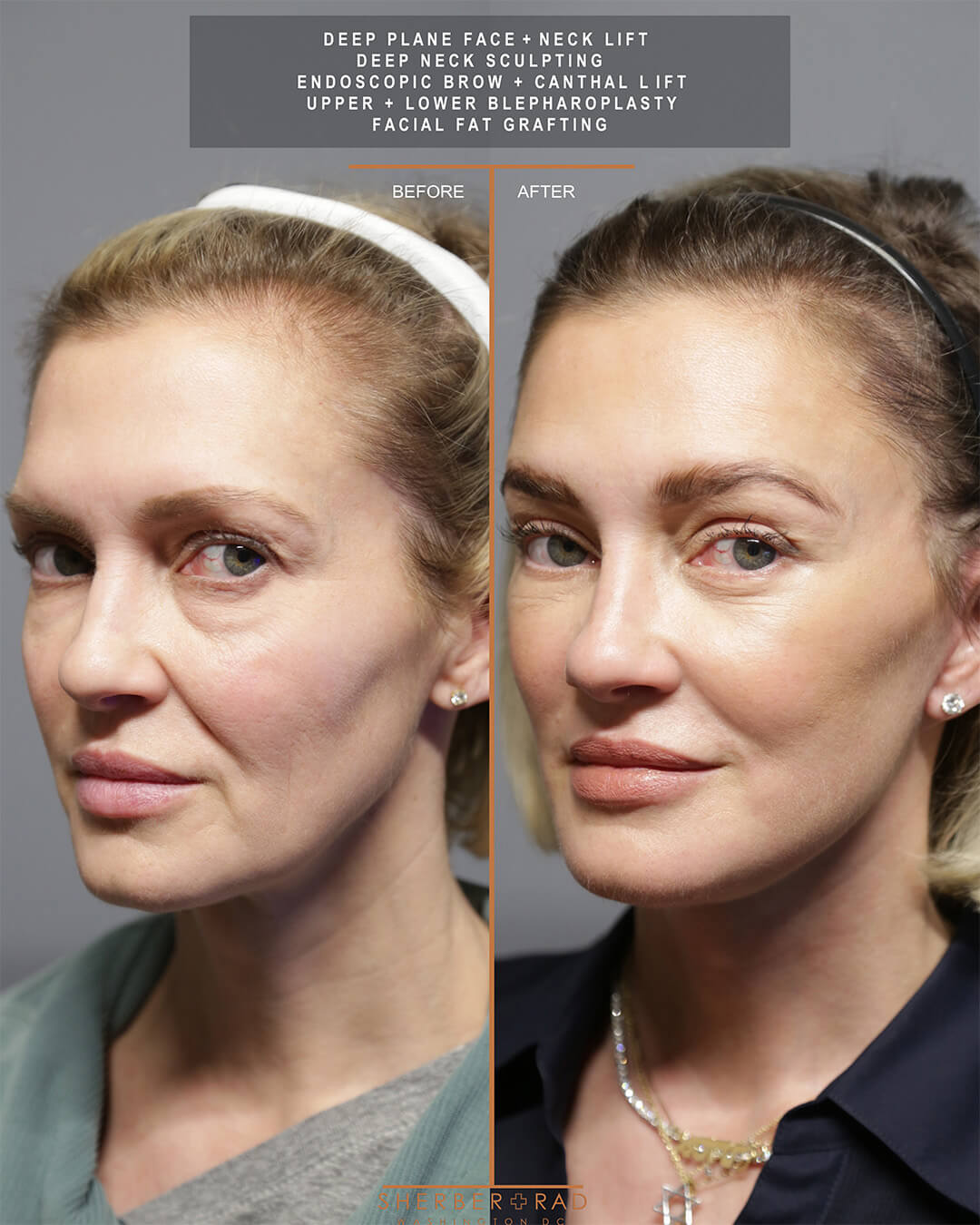
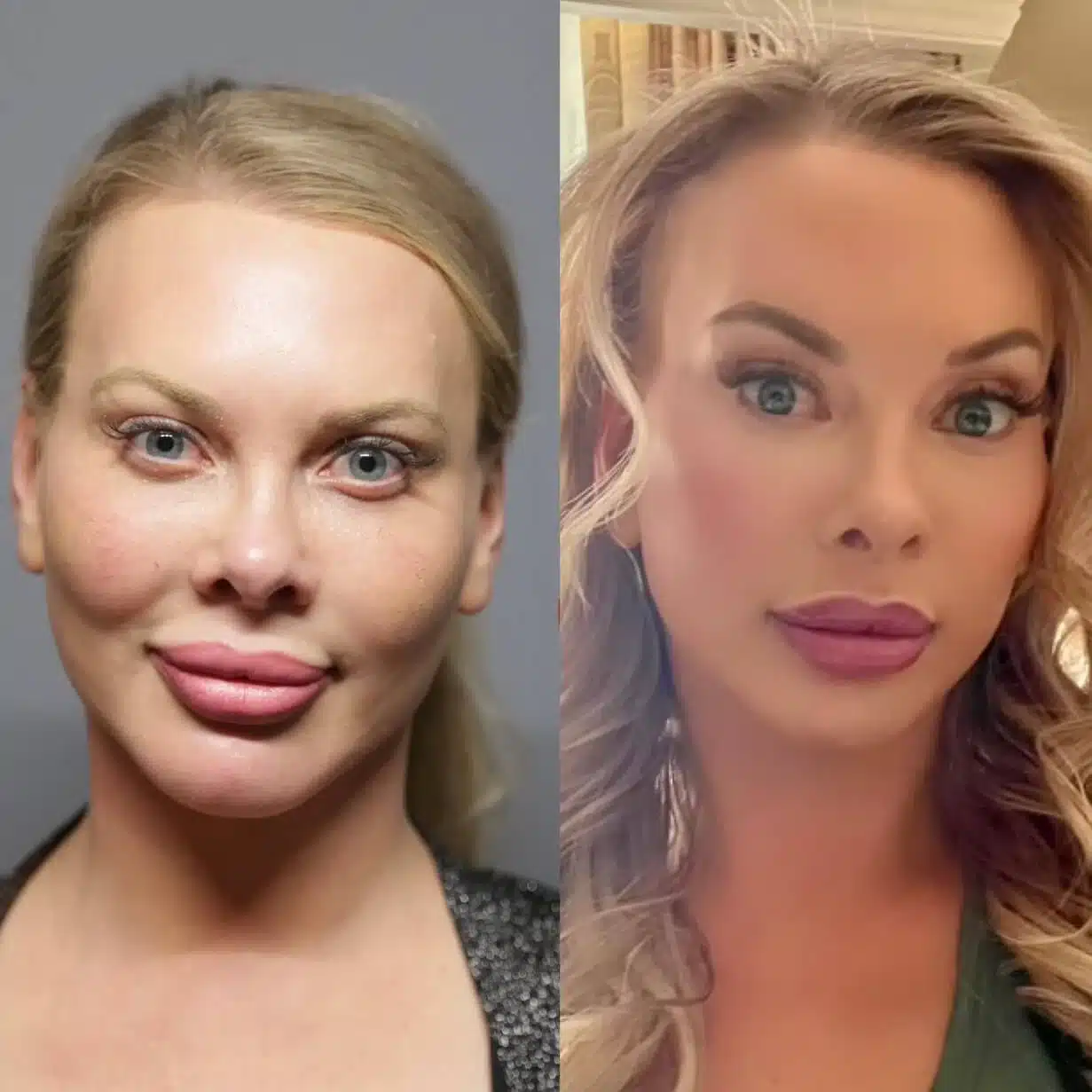
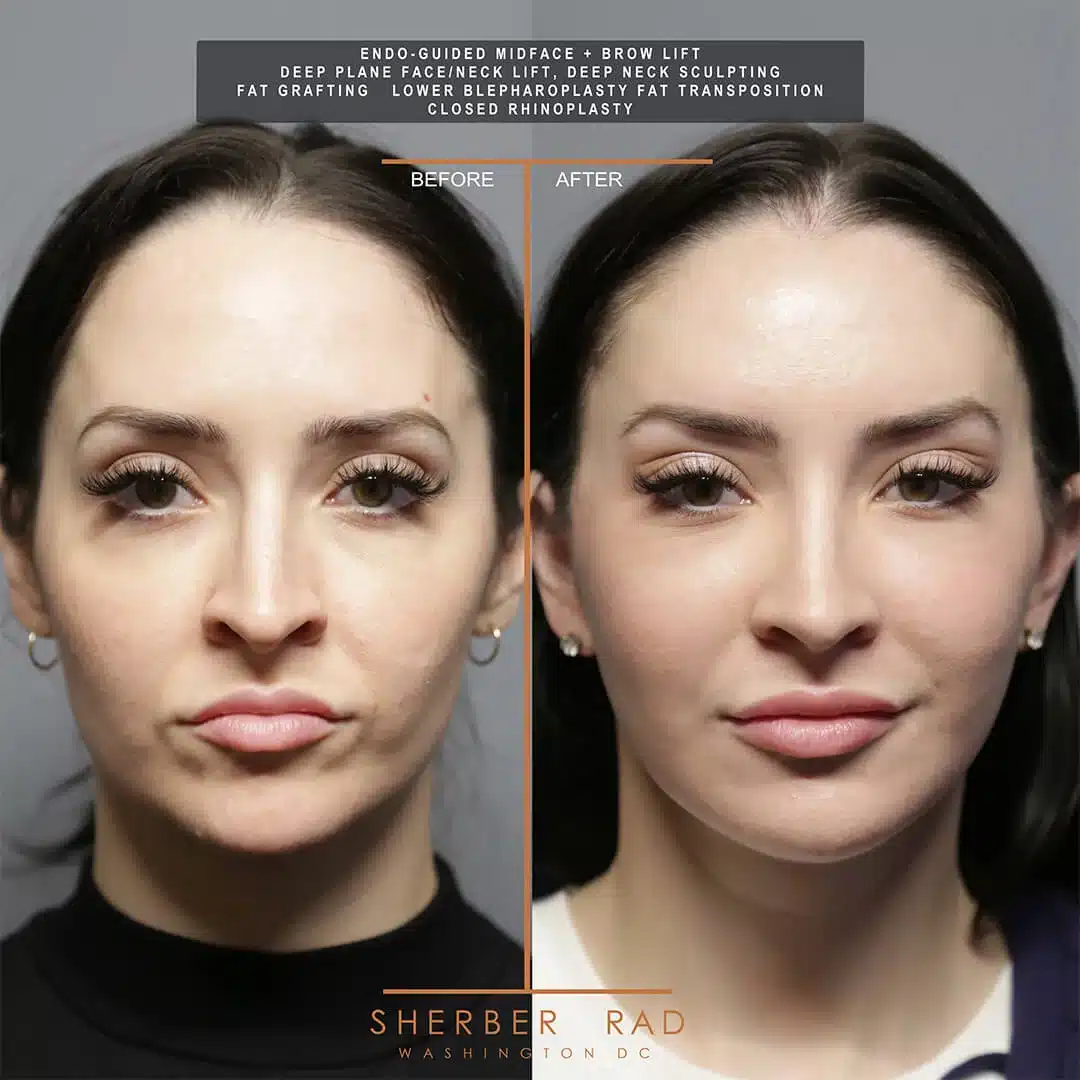
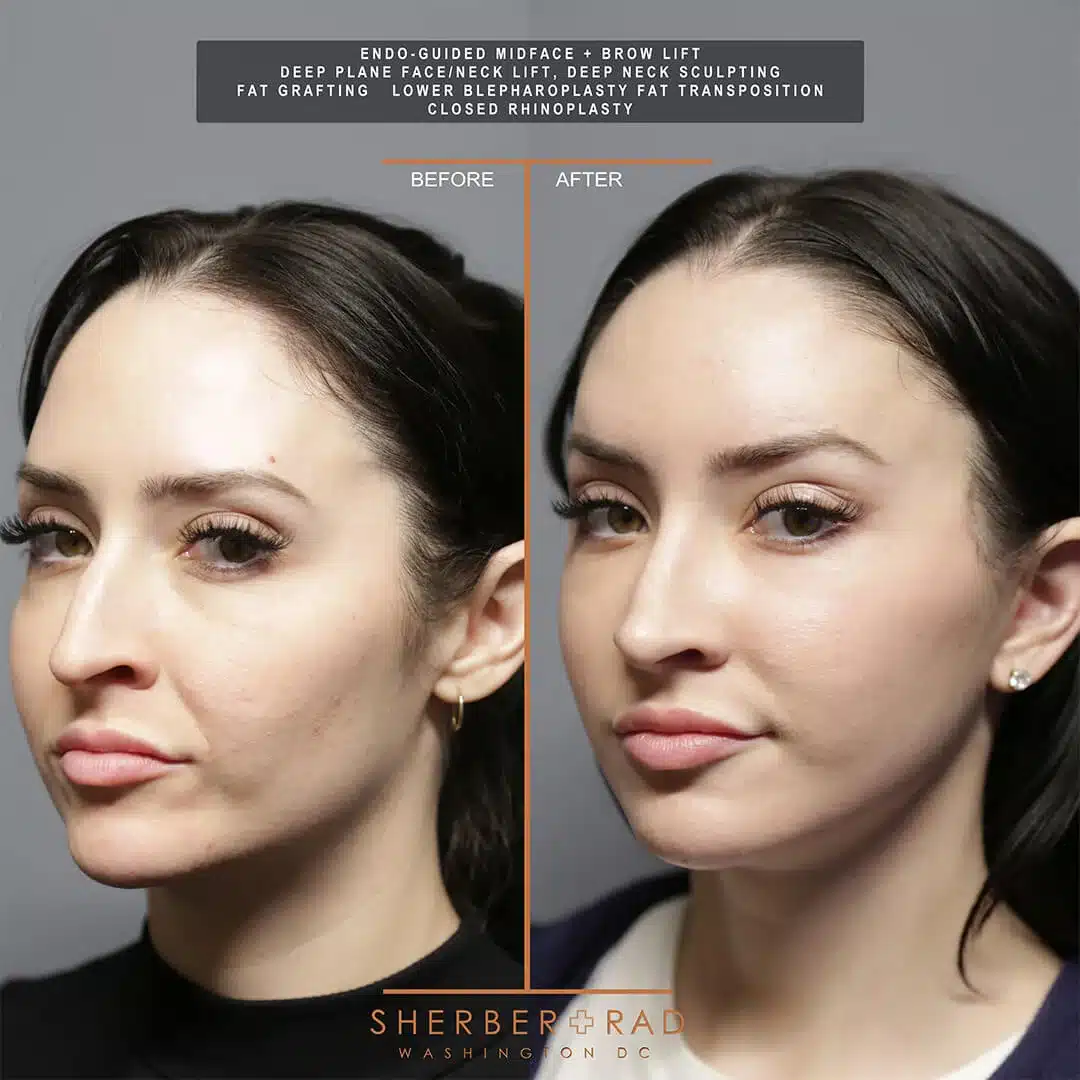
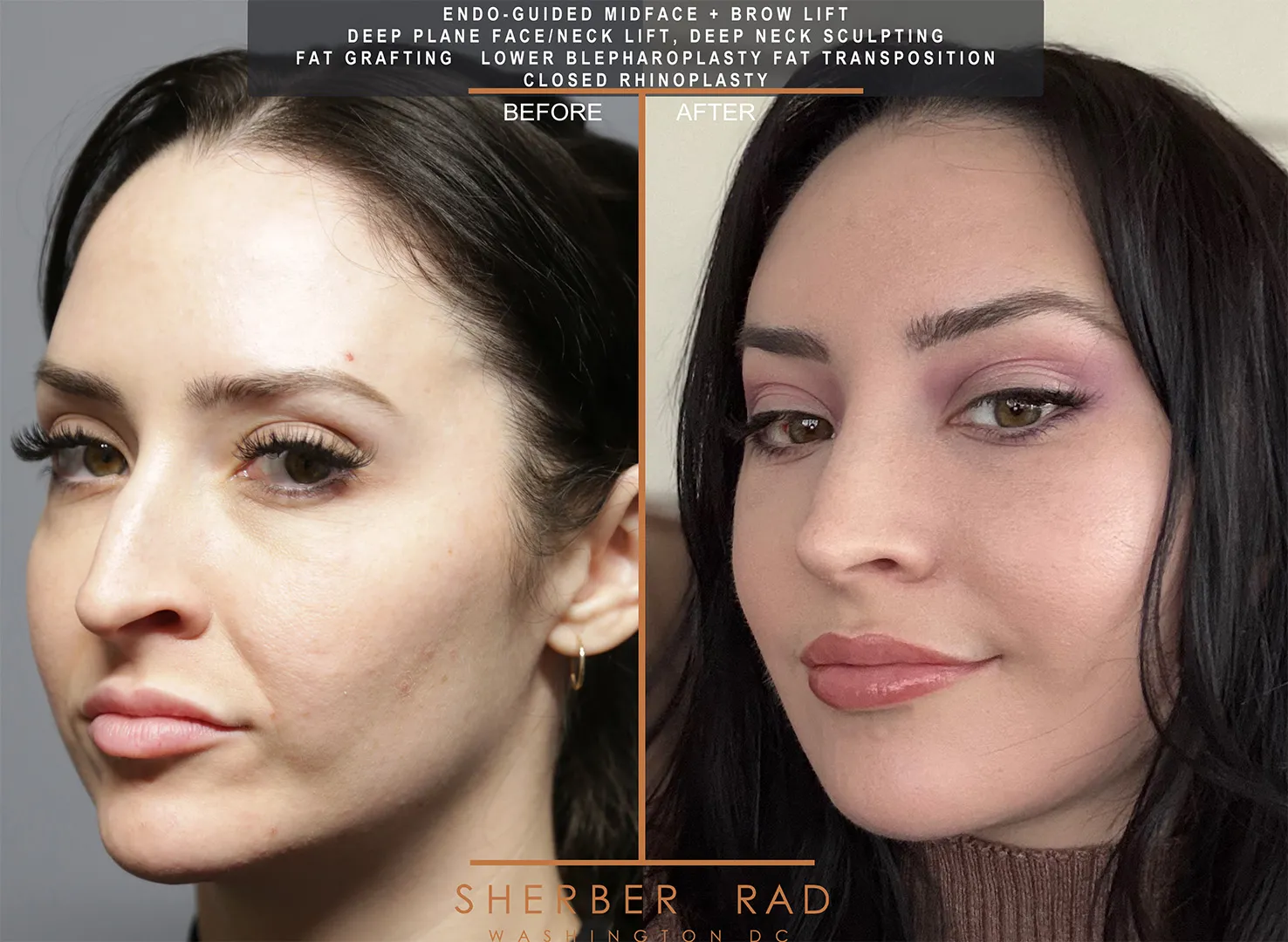
Real Patient Results Gallery
before
after
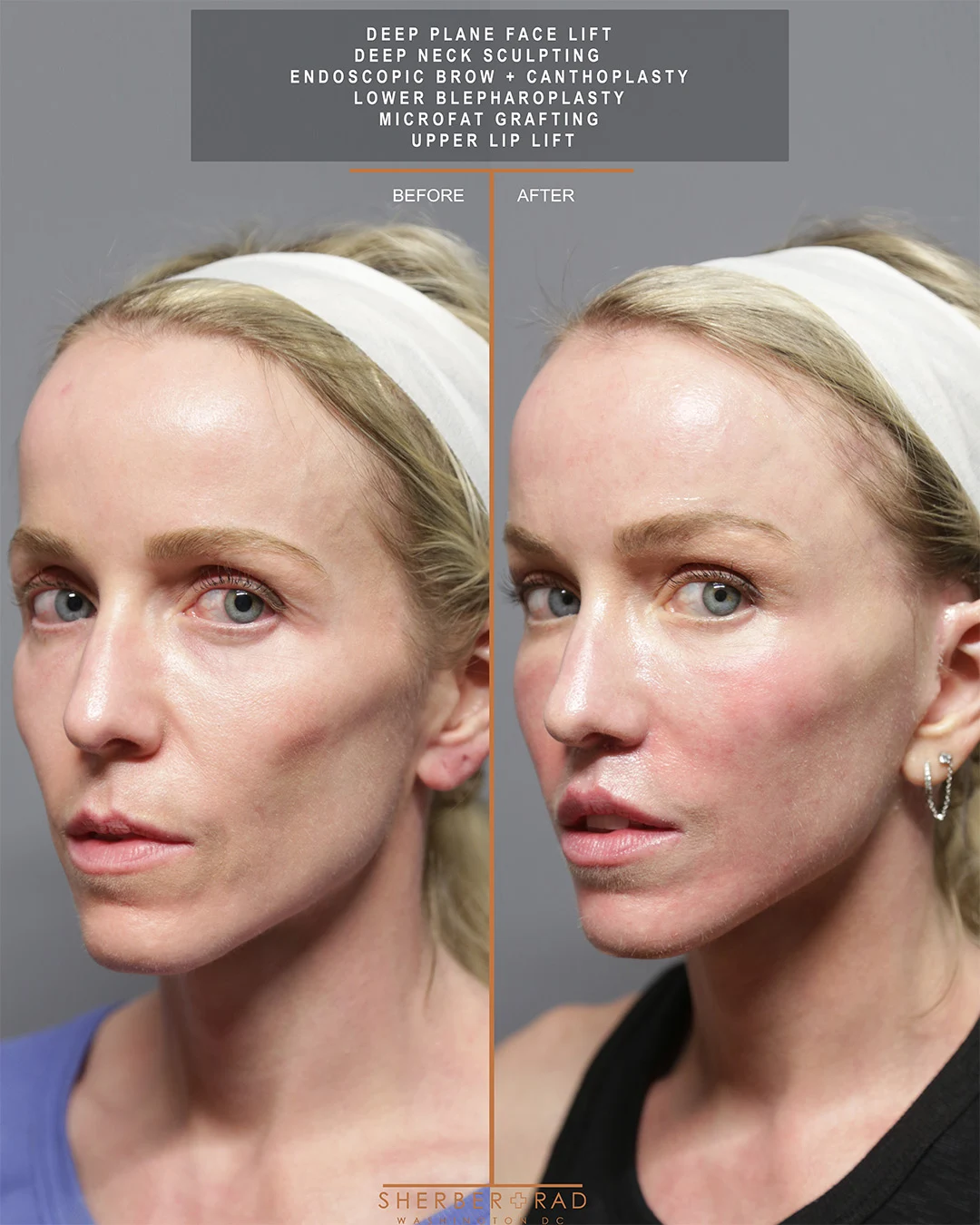
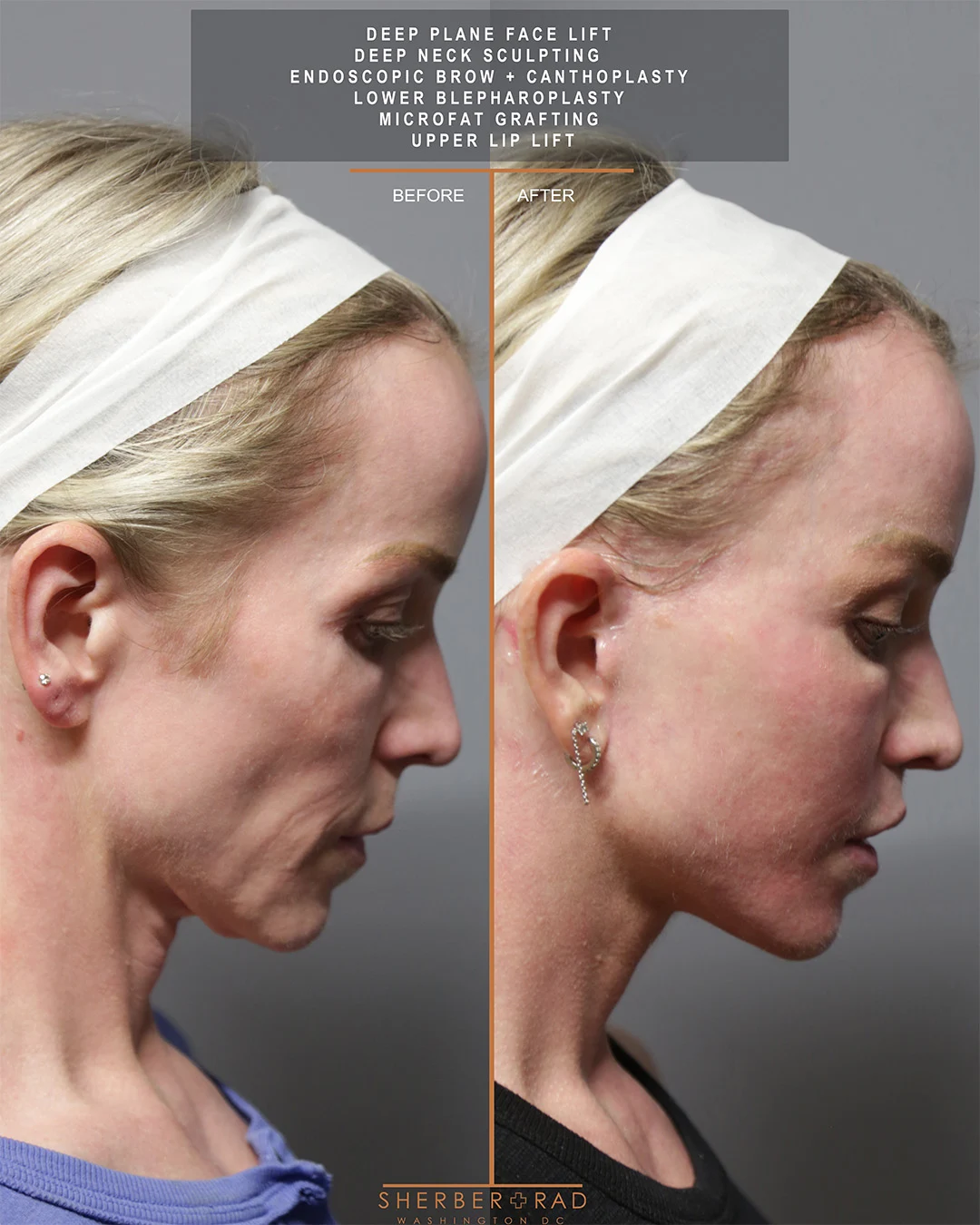
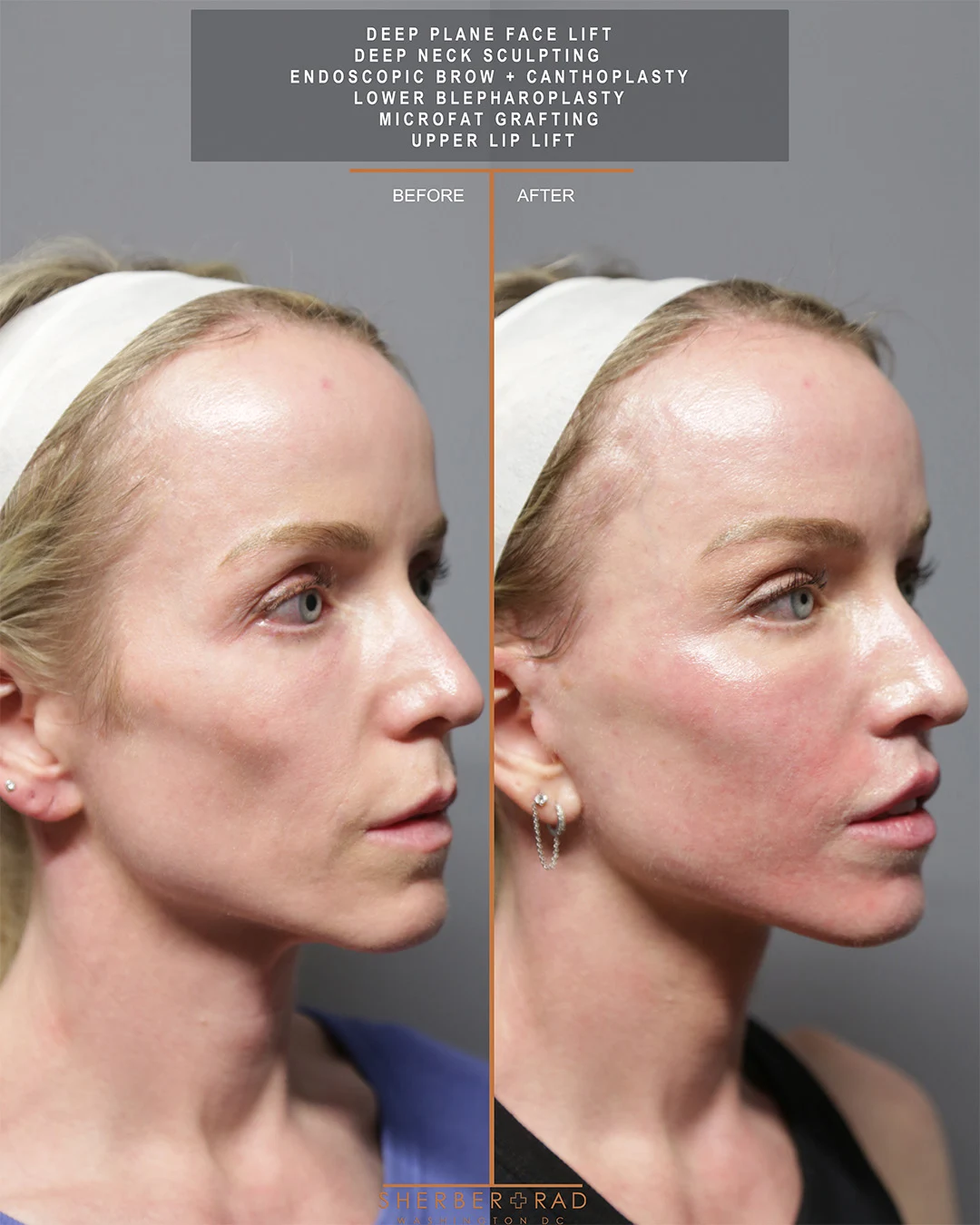
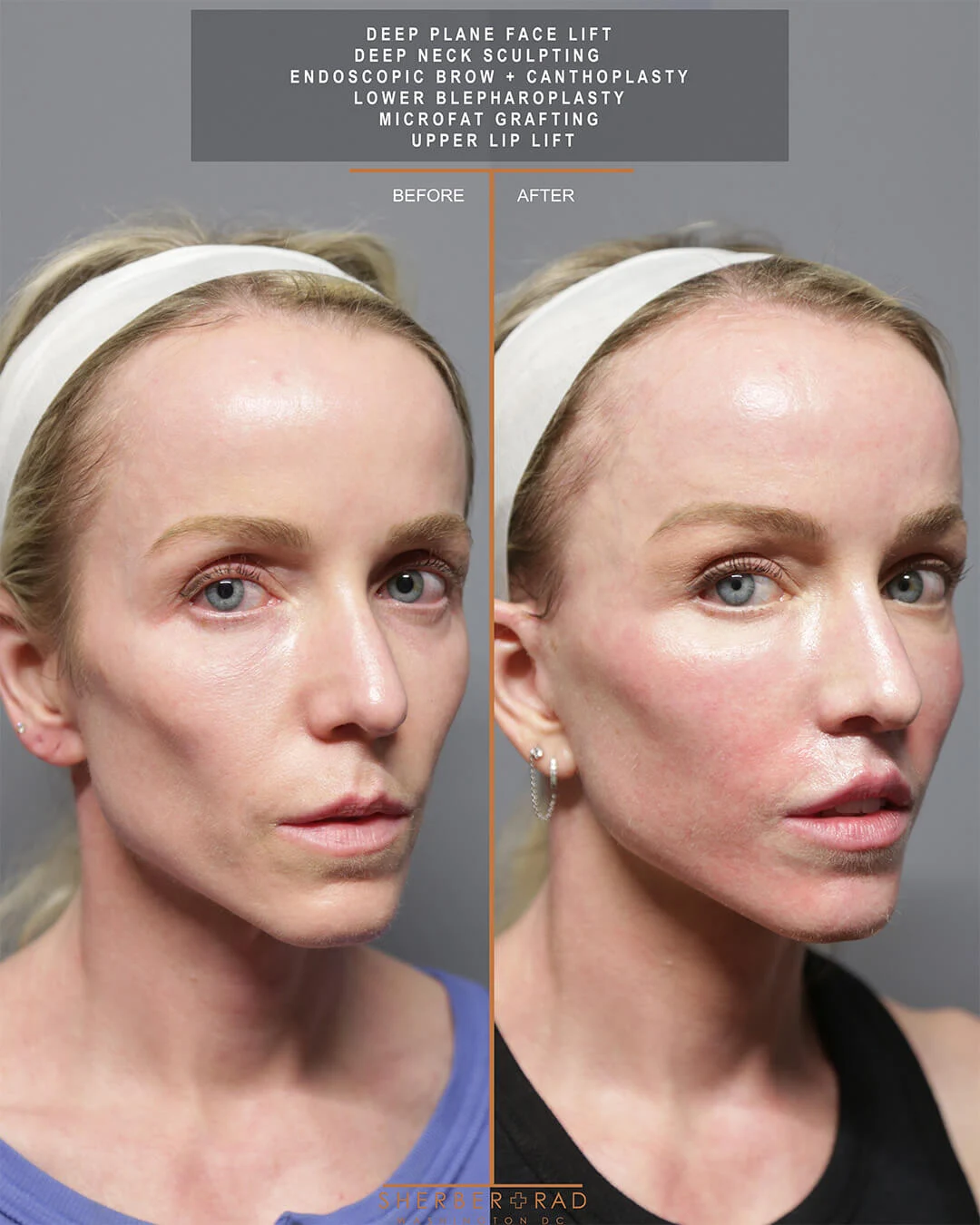
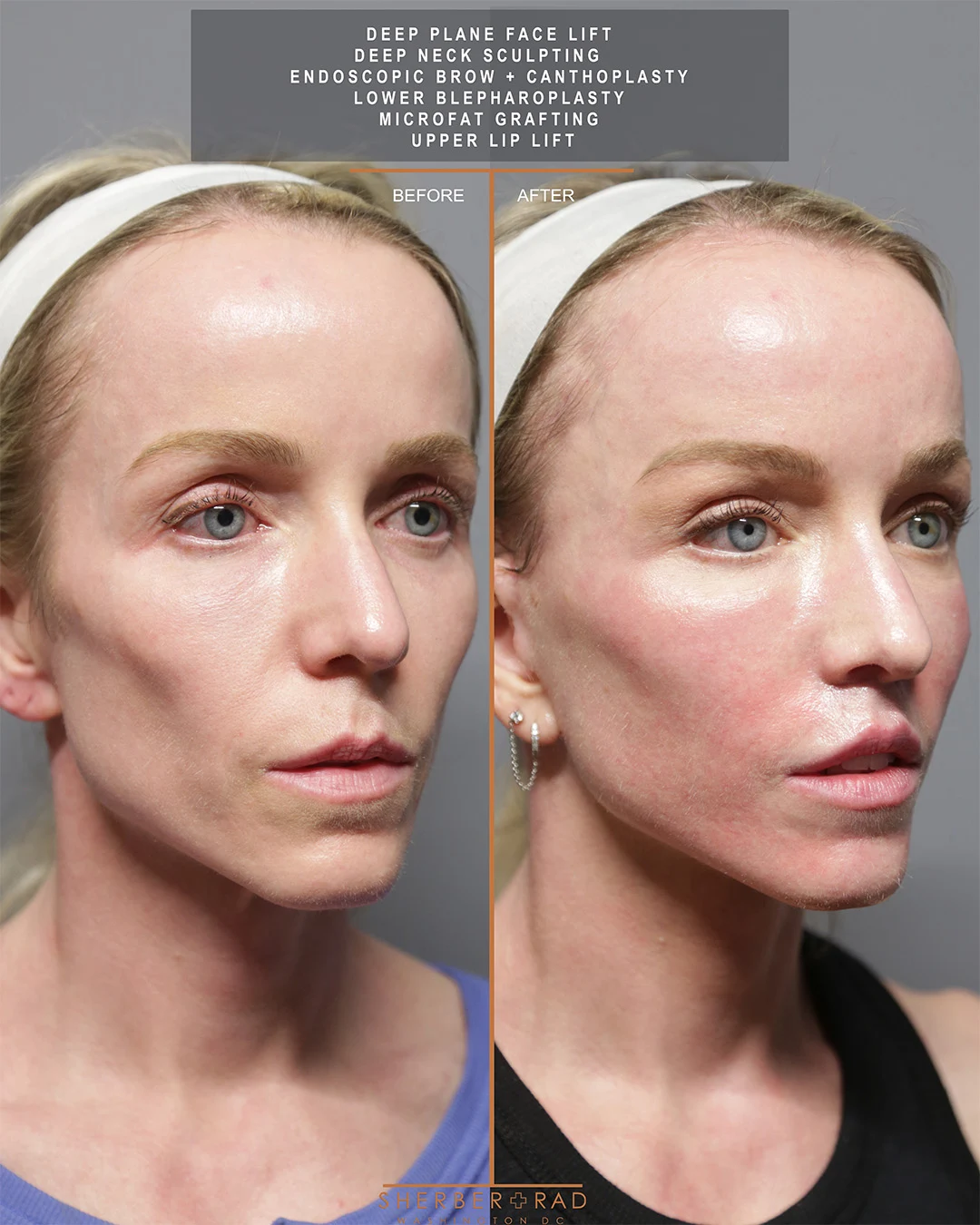
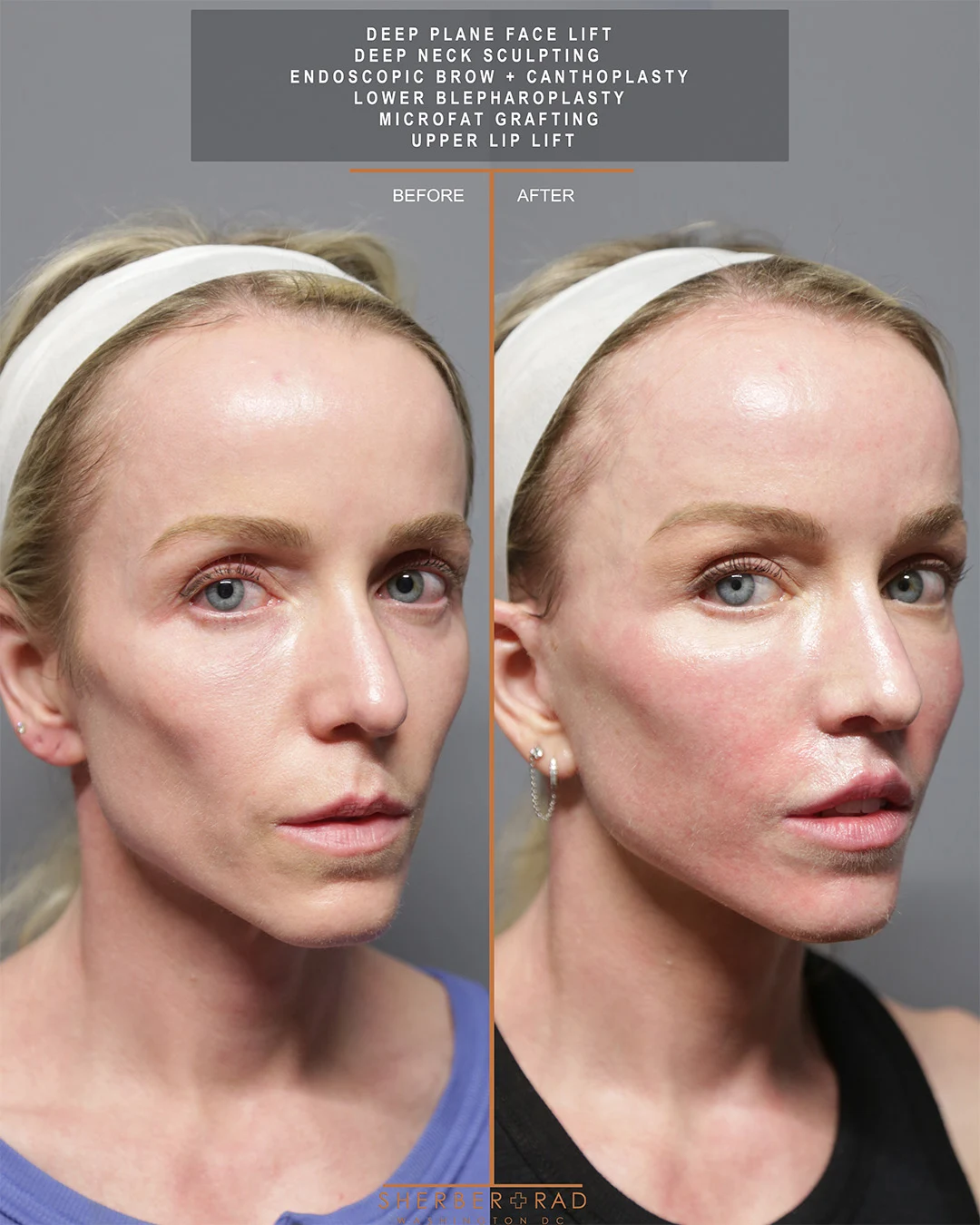
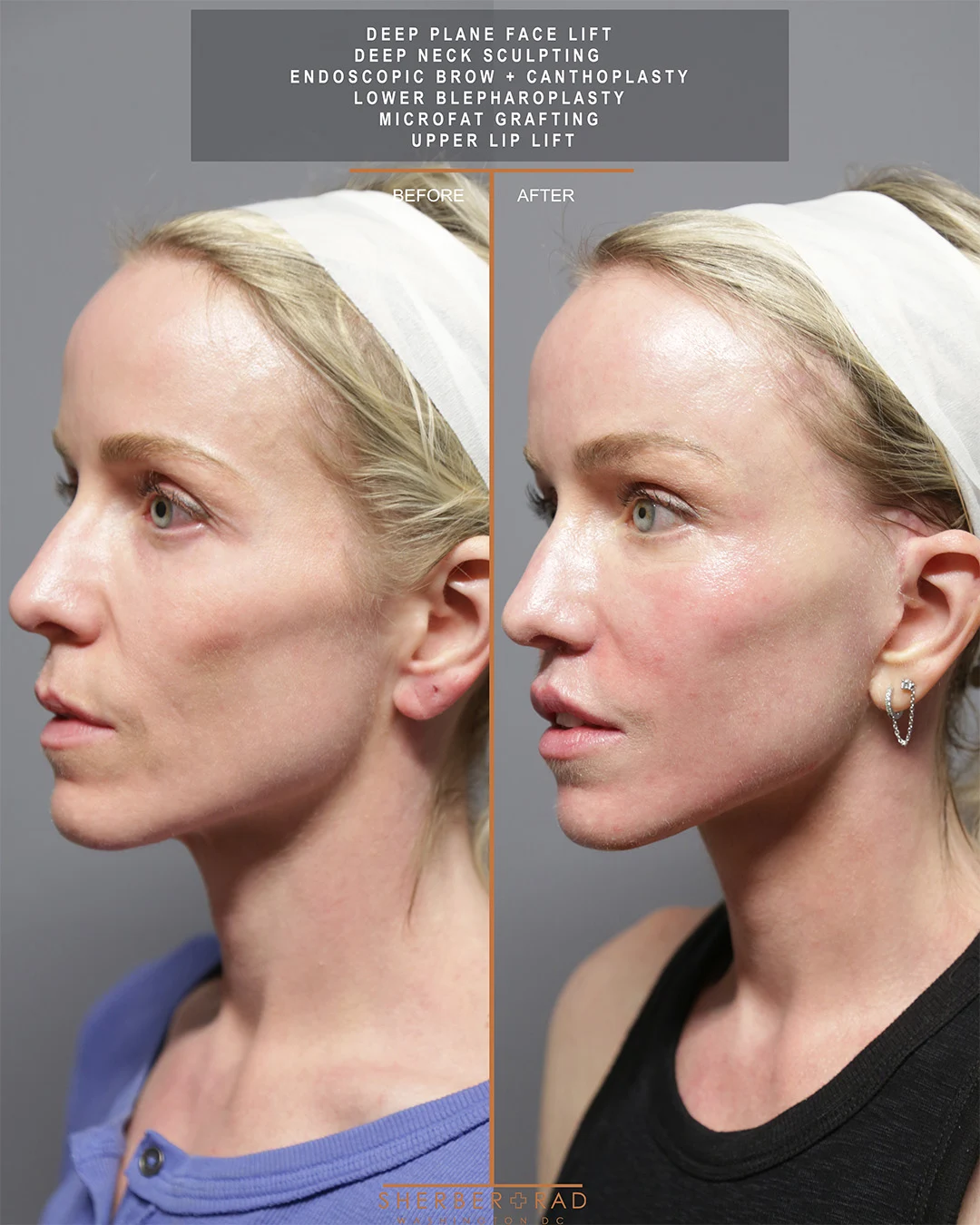
before
after
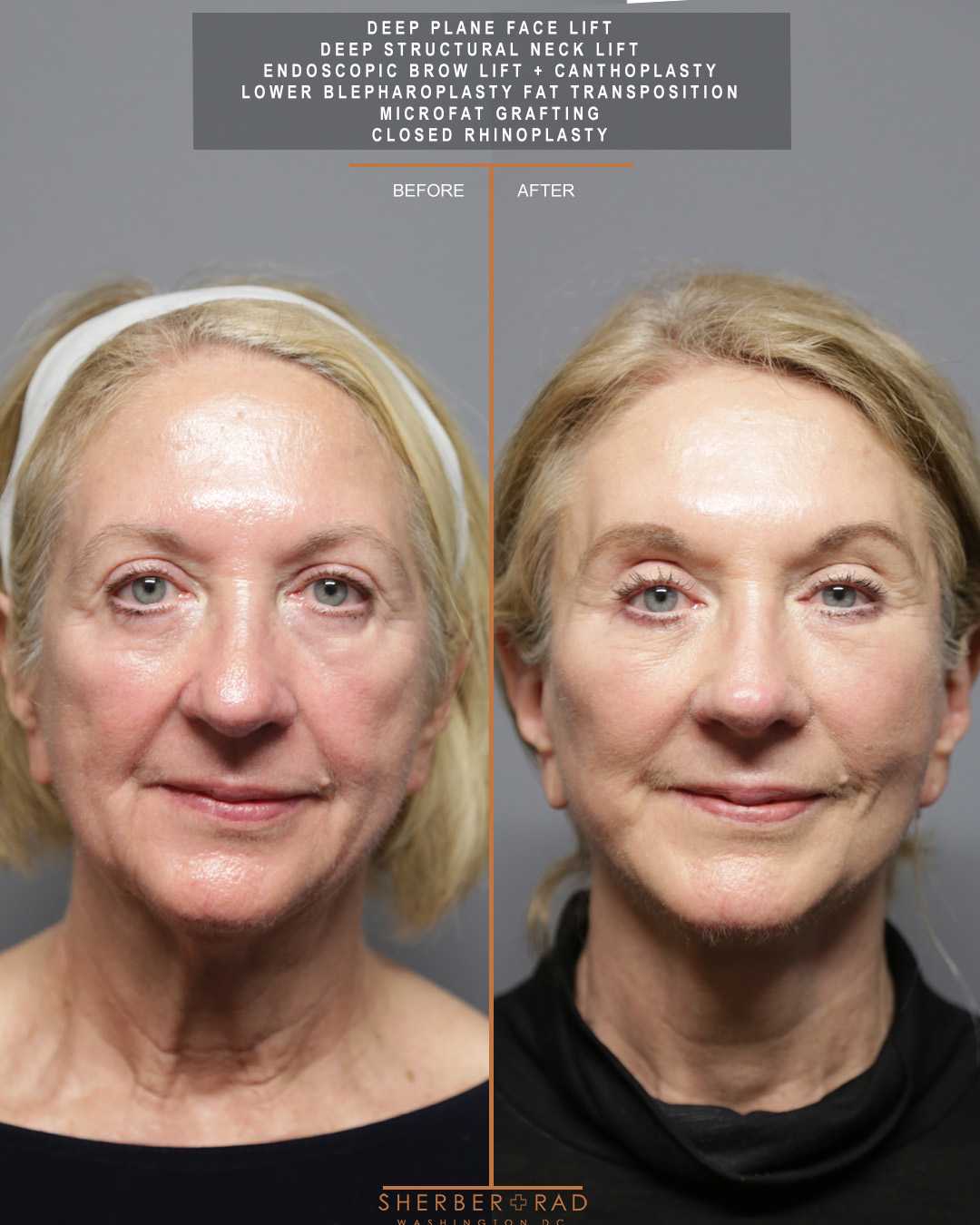
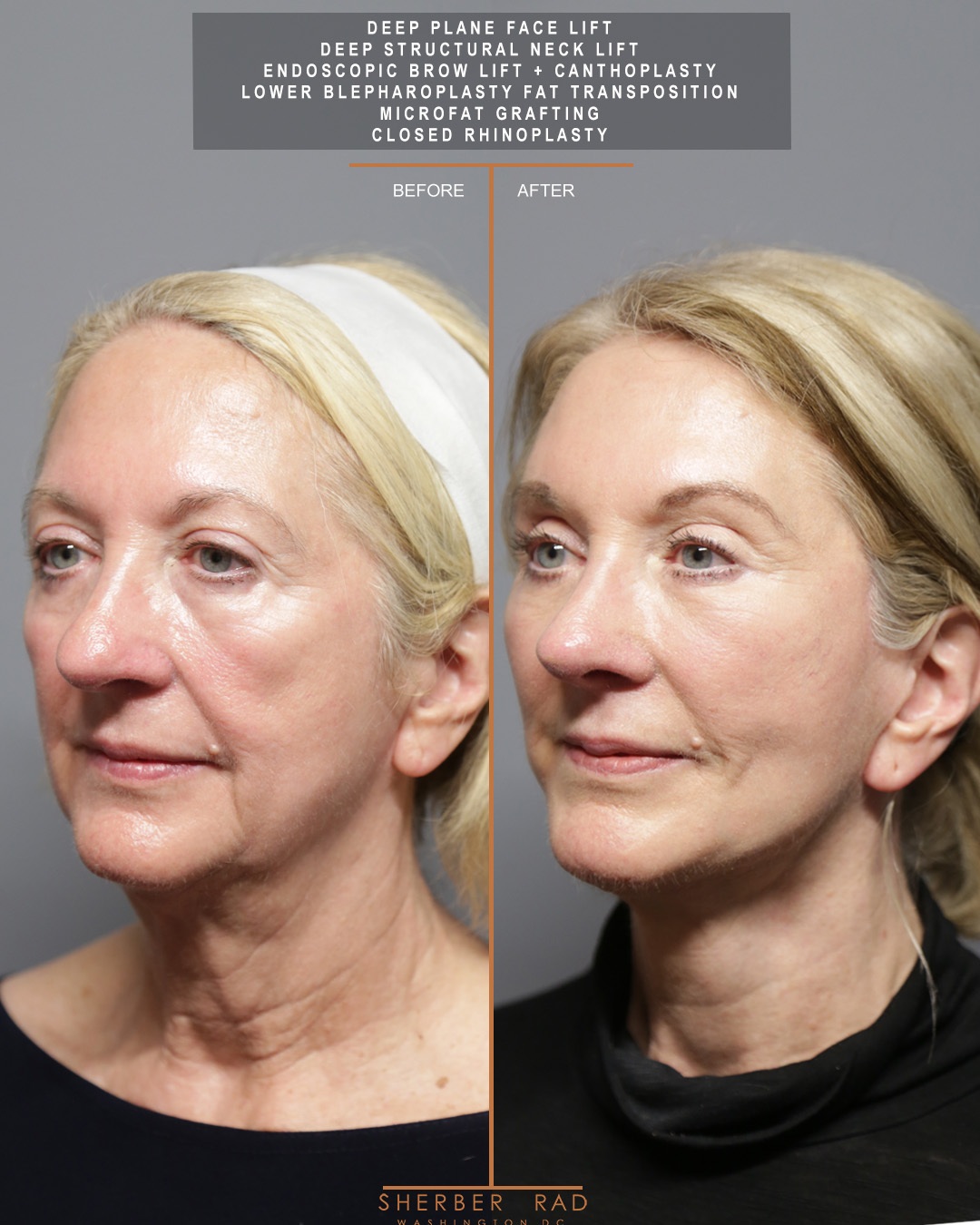
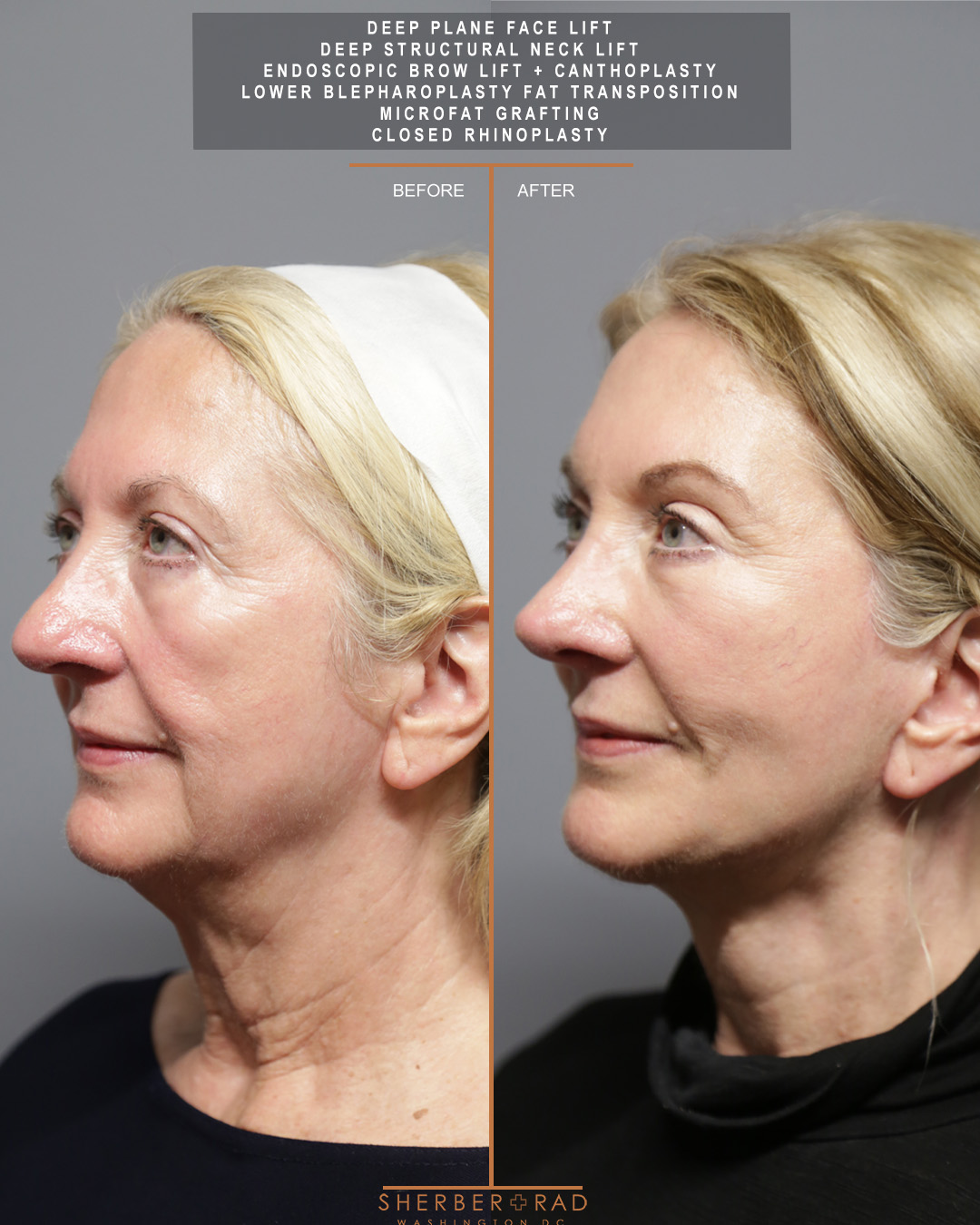
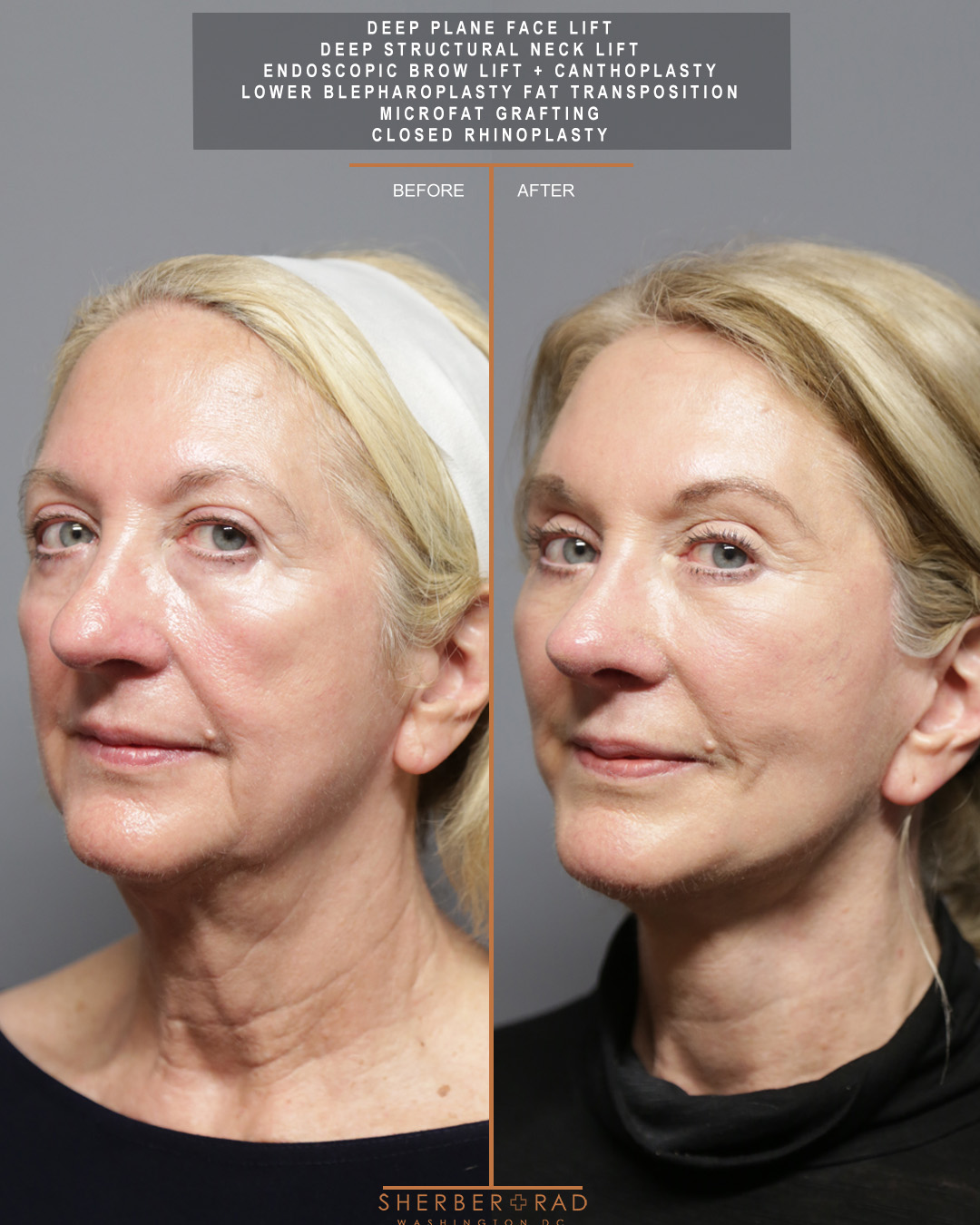
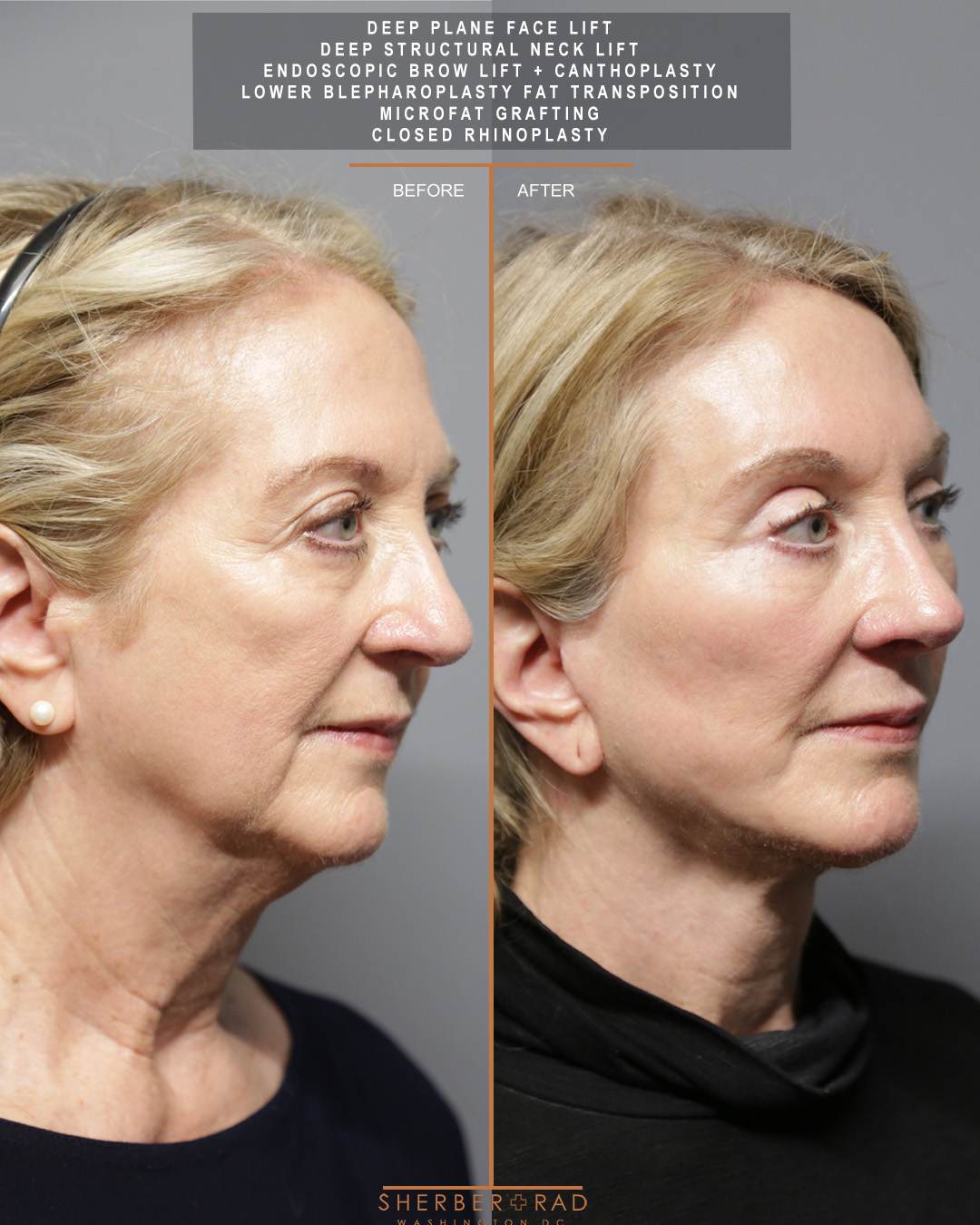
before
after
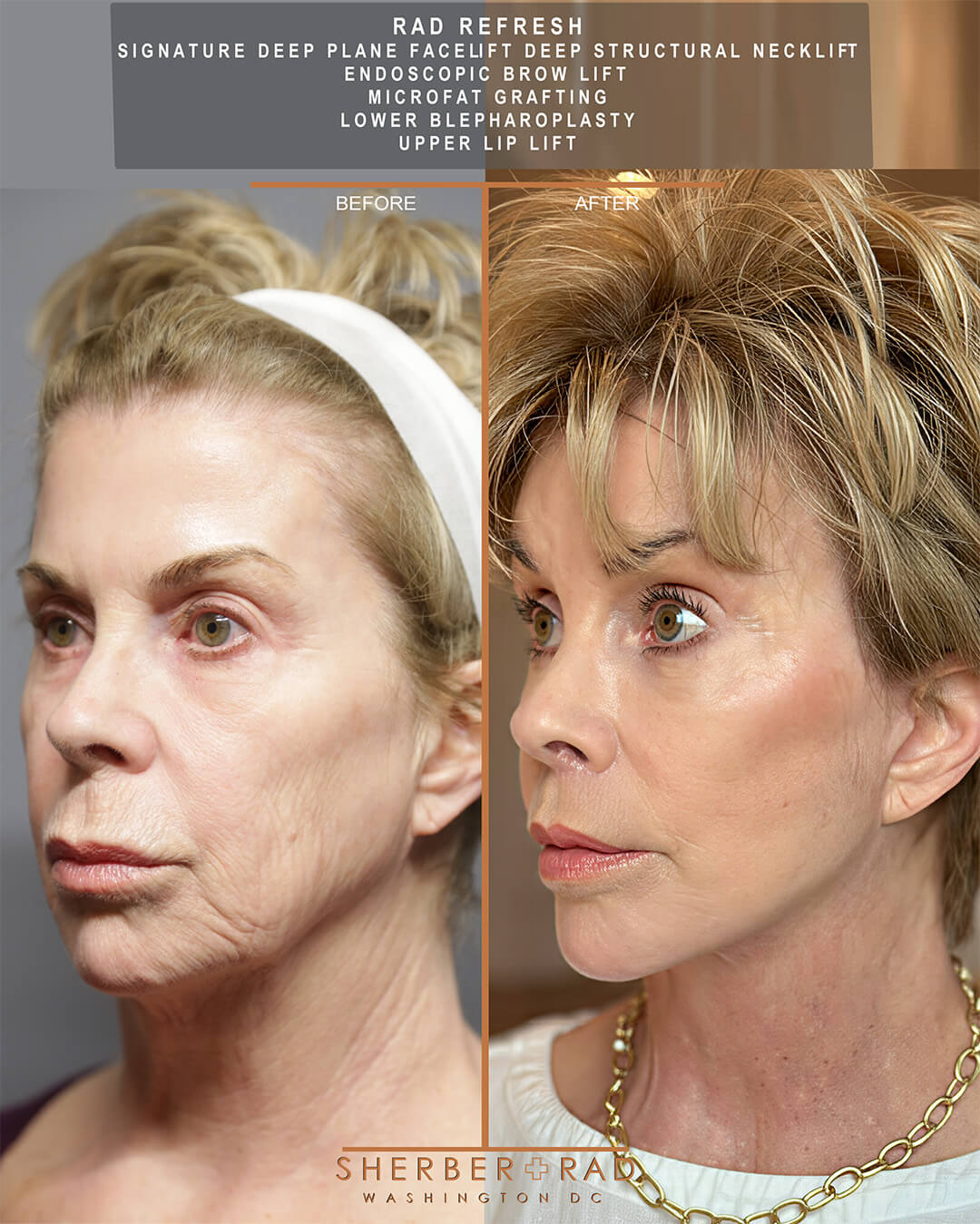
before
after
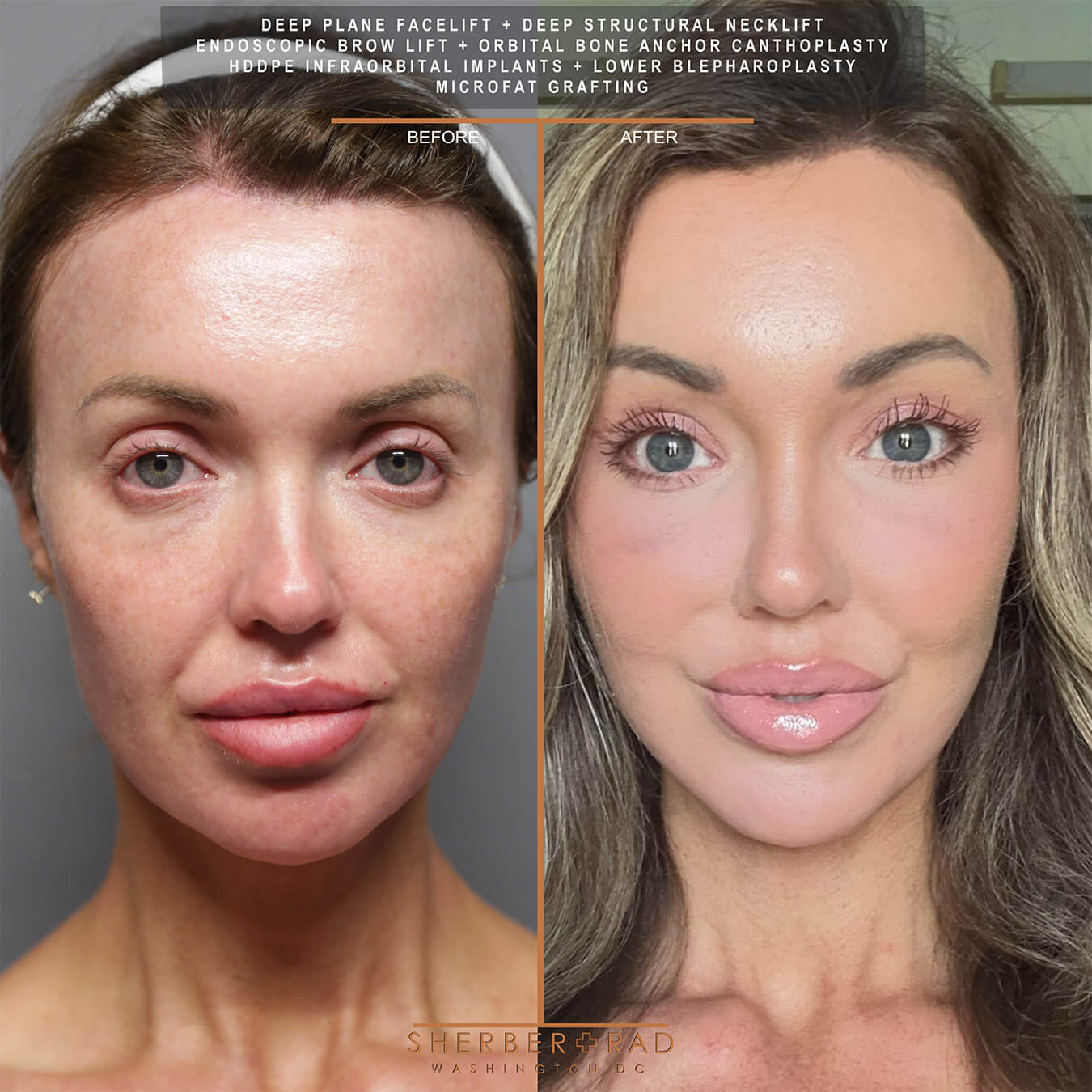
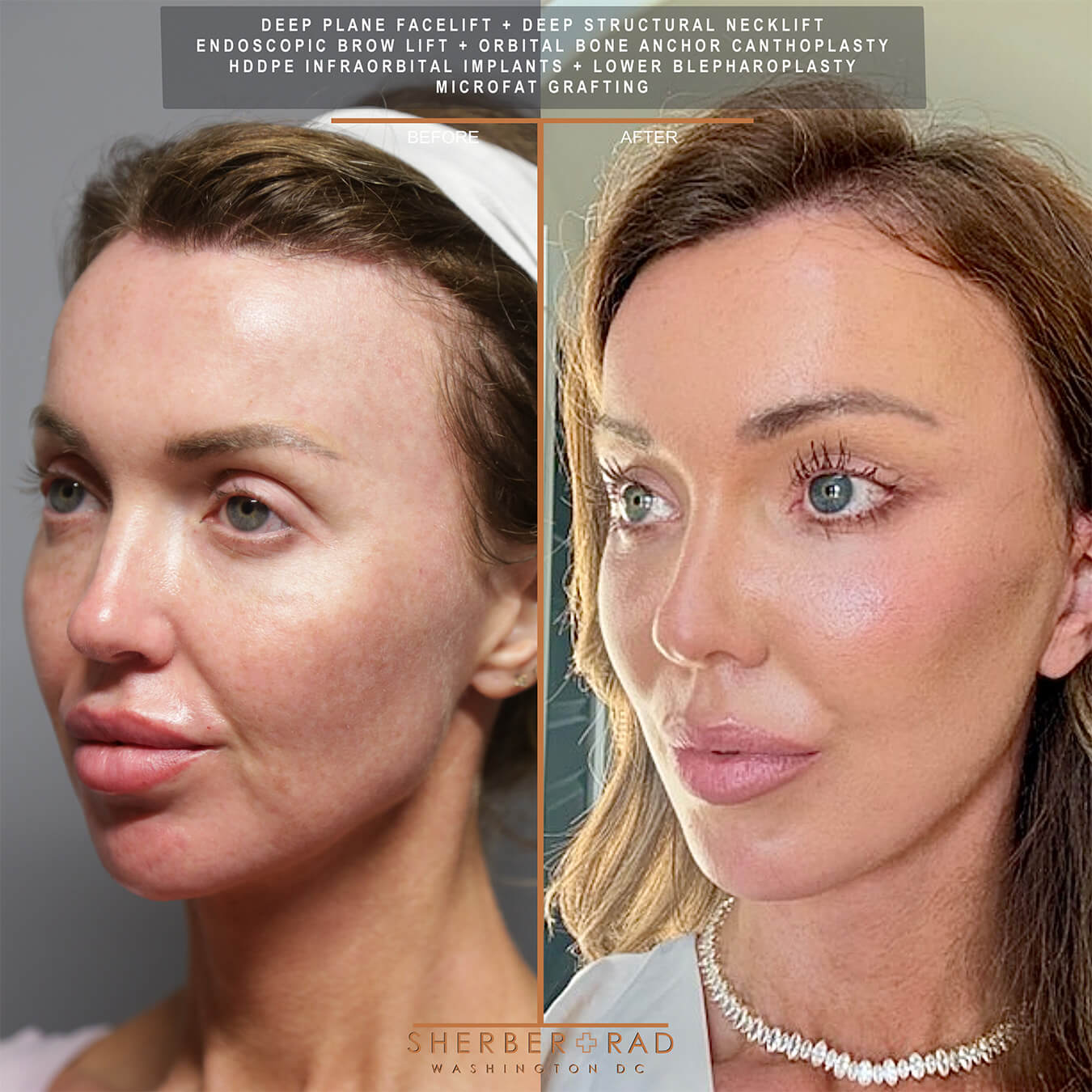
before
after
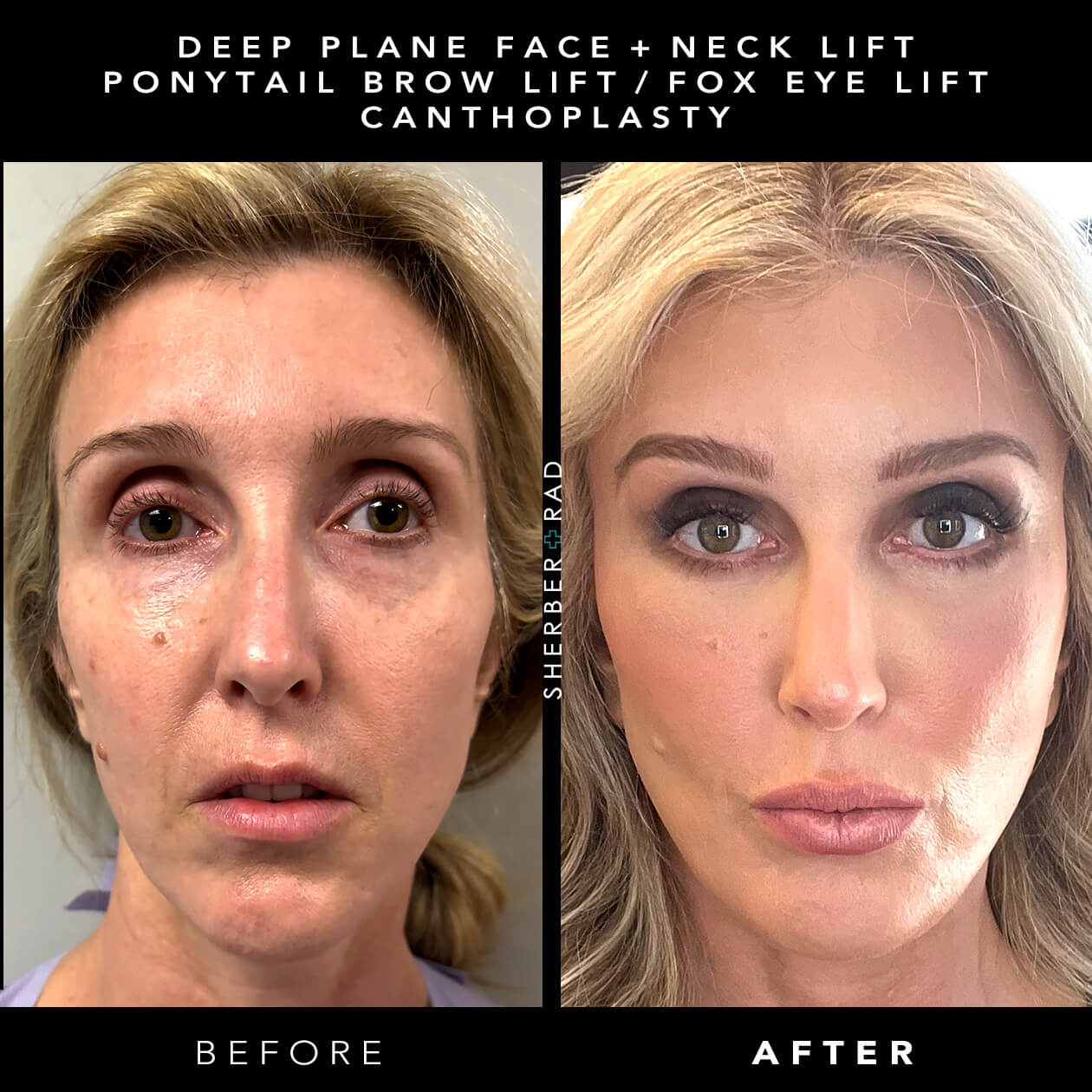
before
after
before
after
before
after
before
after
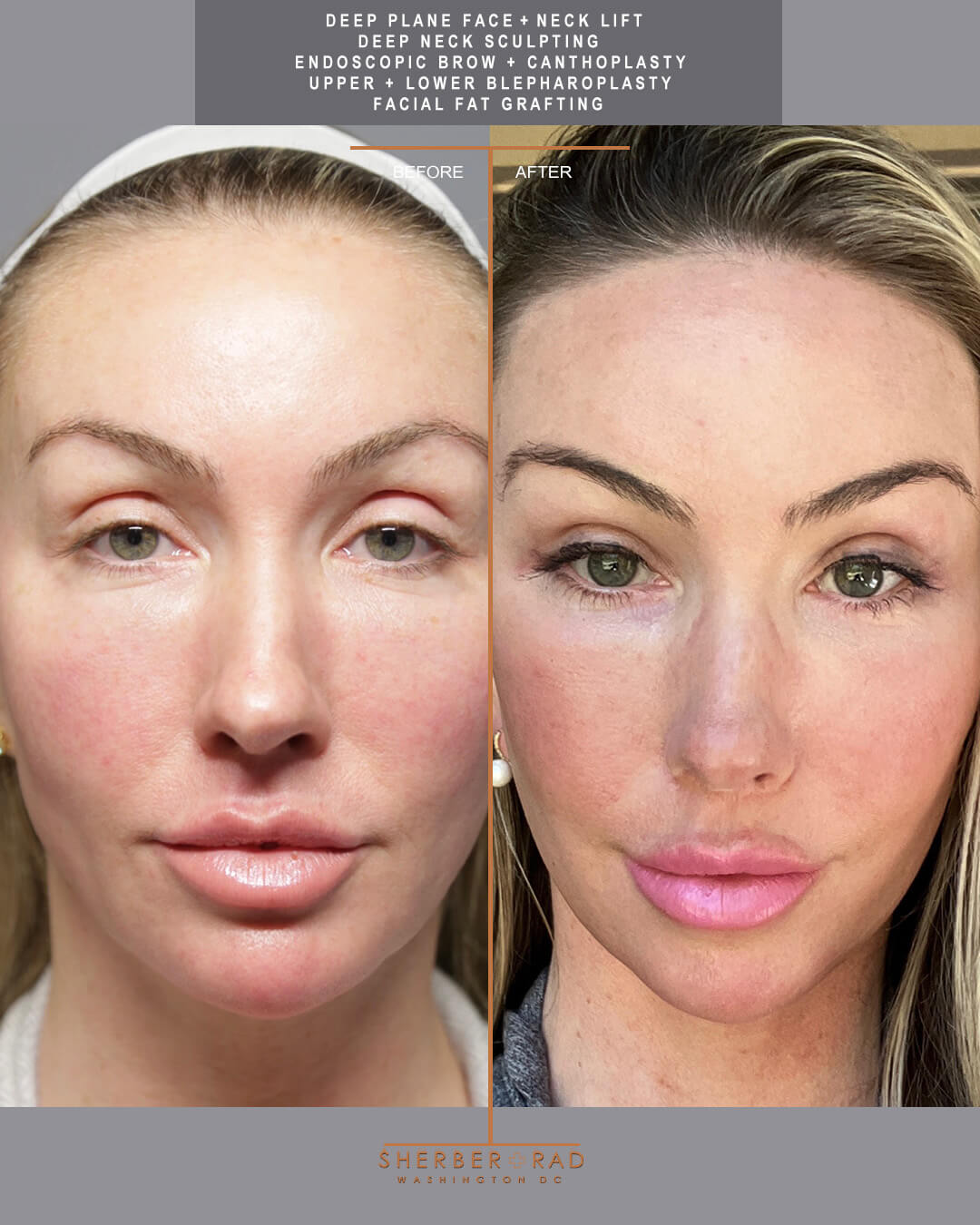
before
after
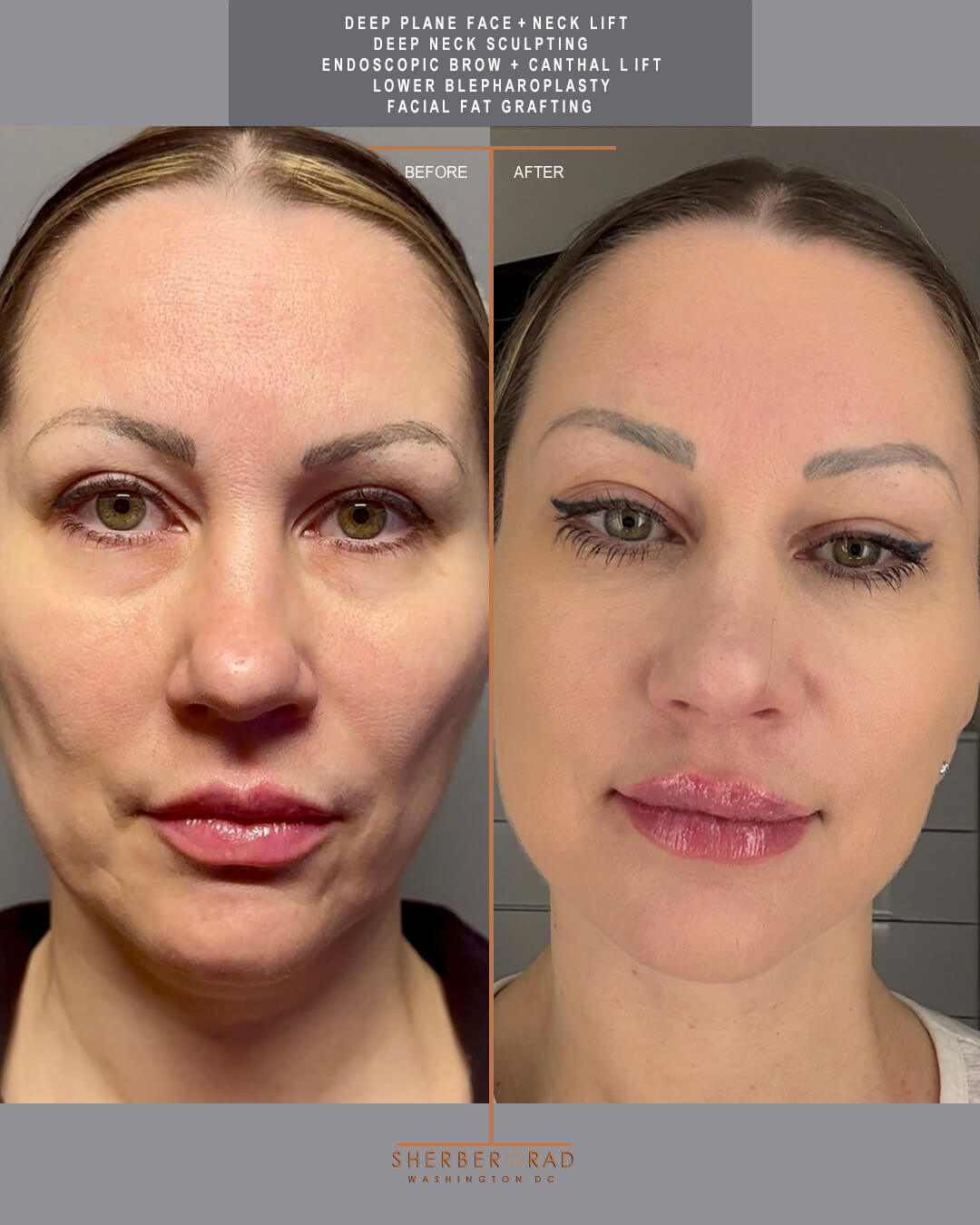
before
after
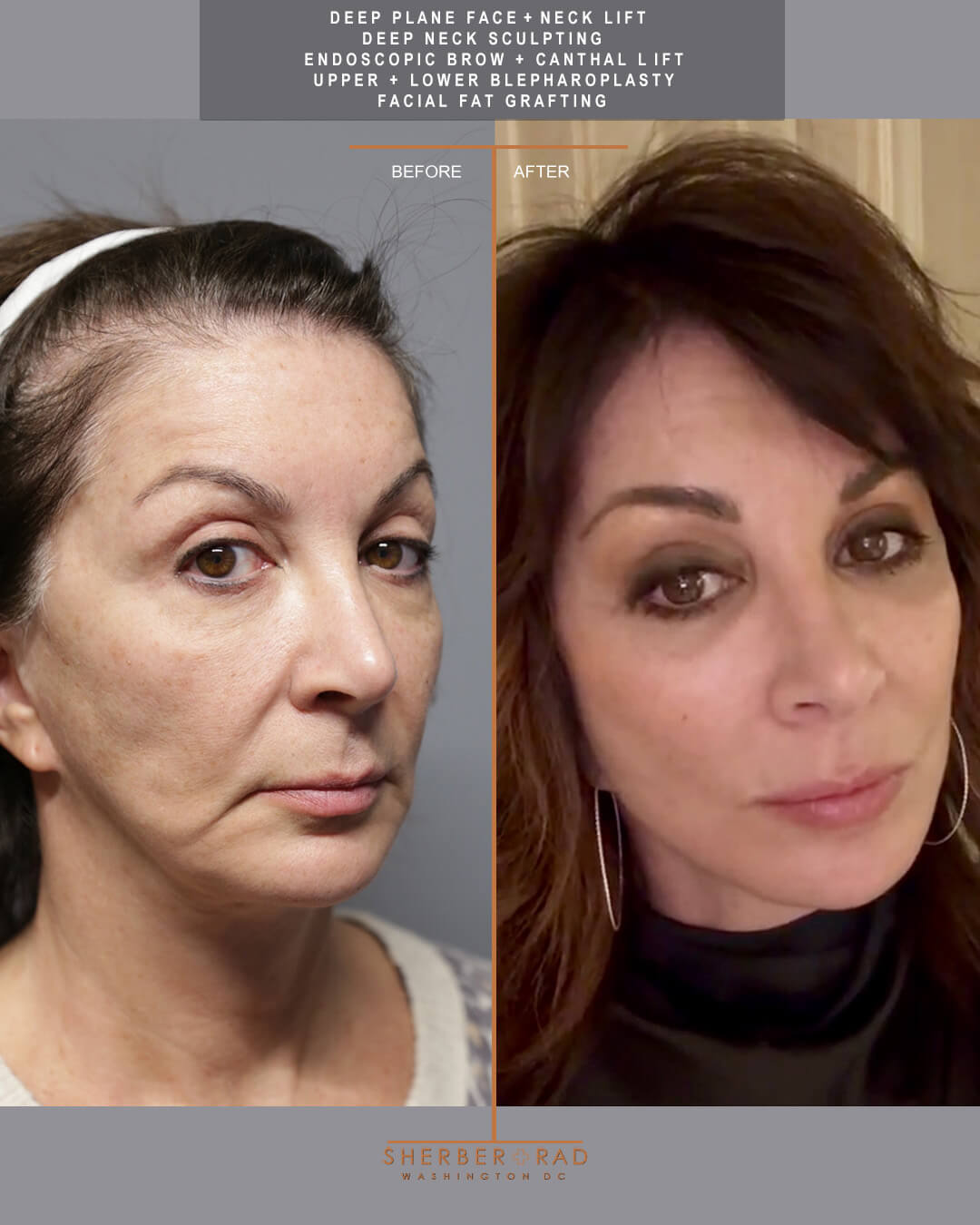
before
after
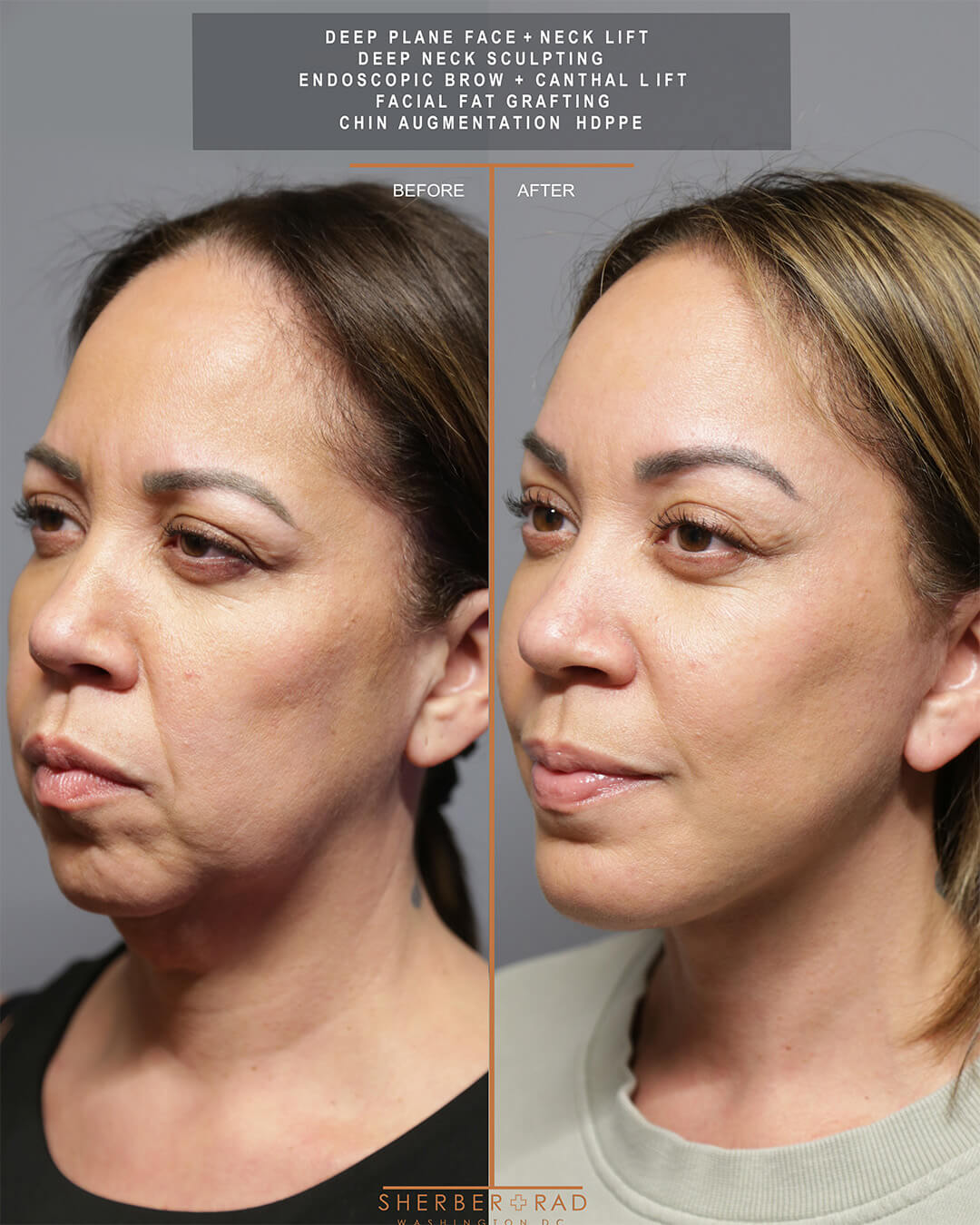
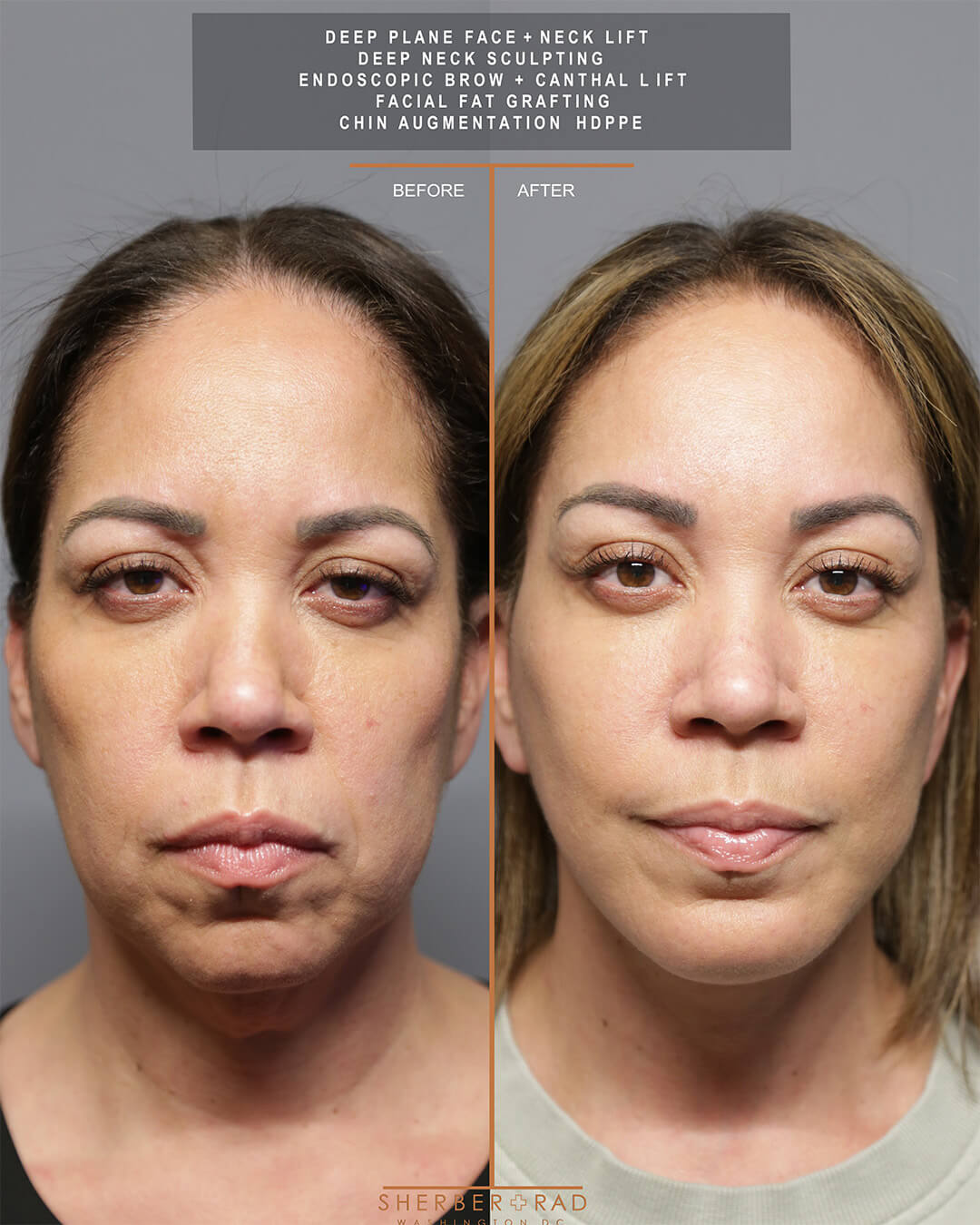
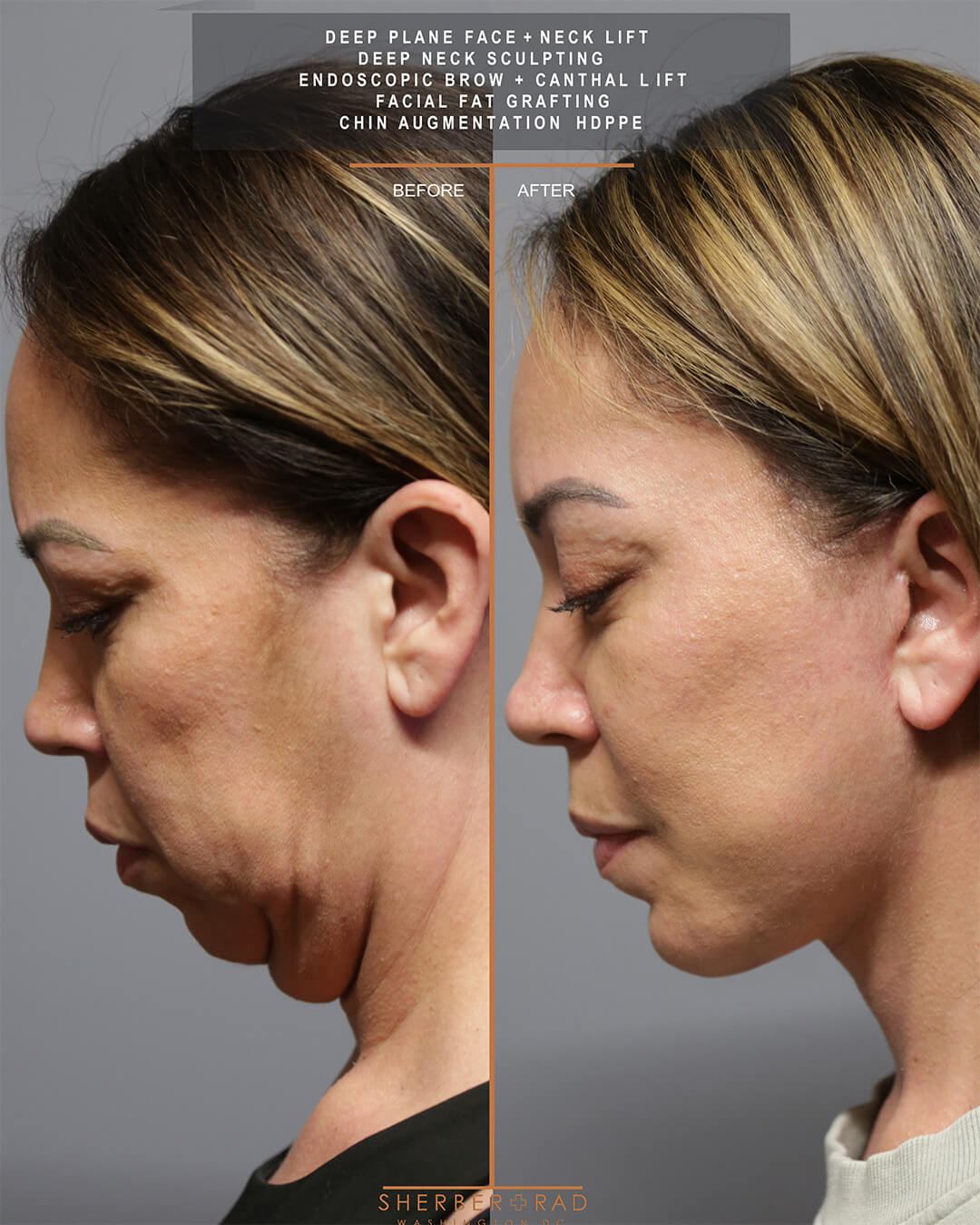
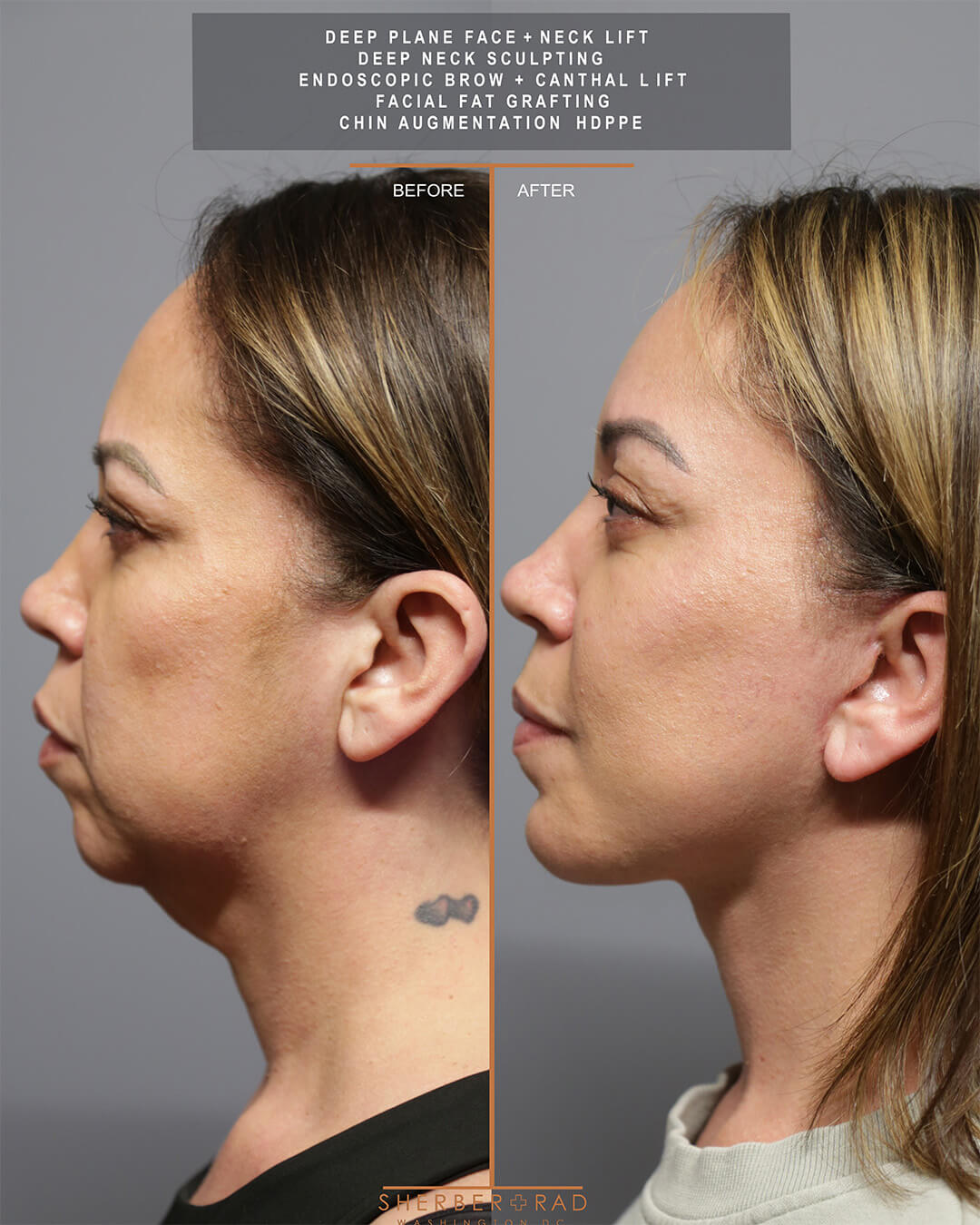
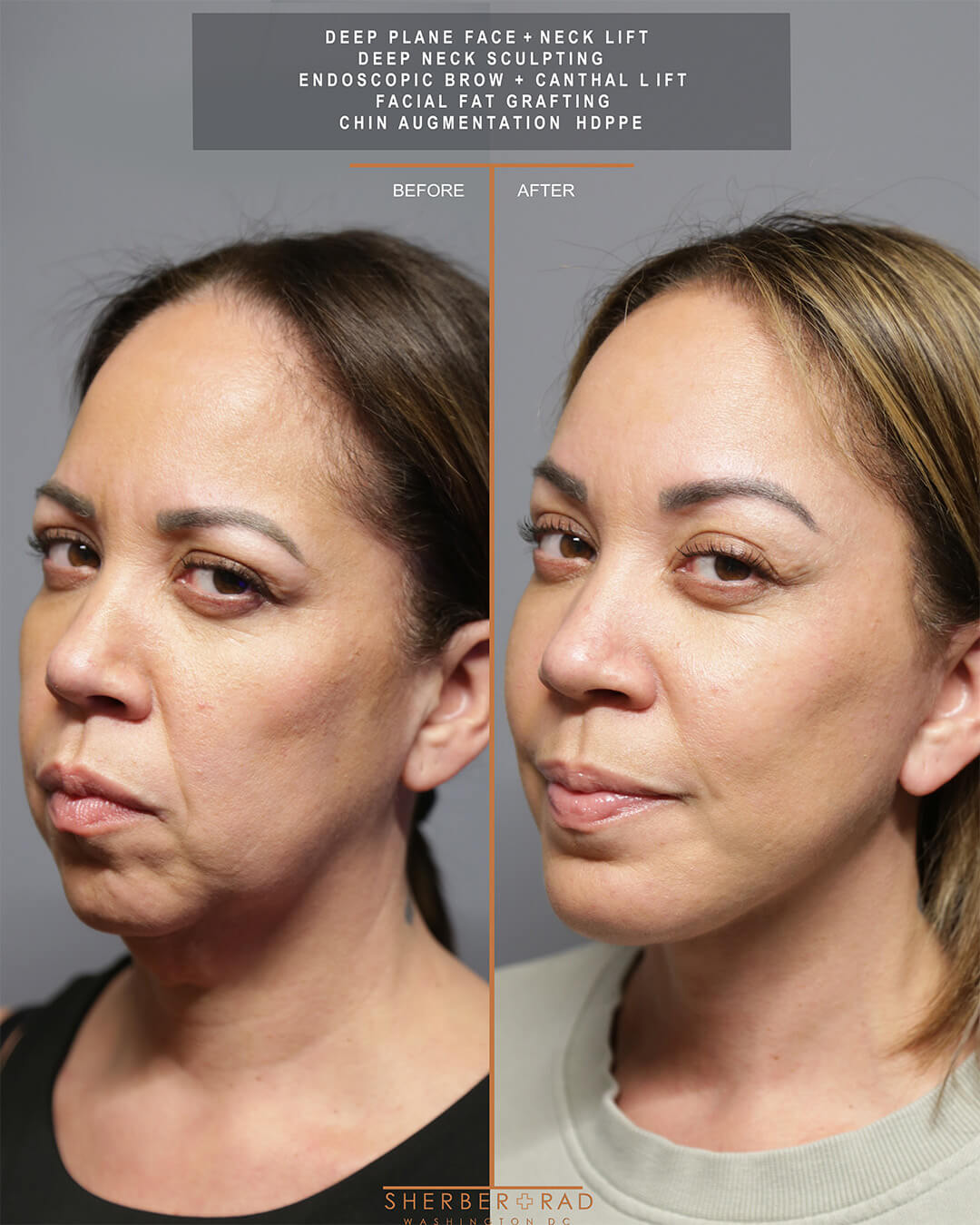
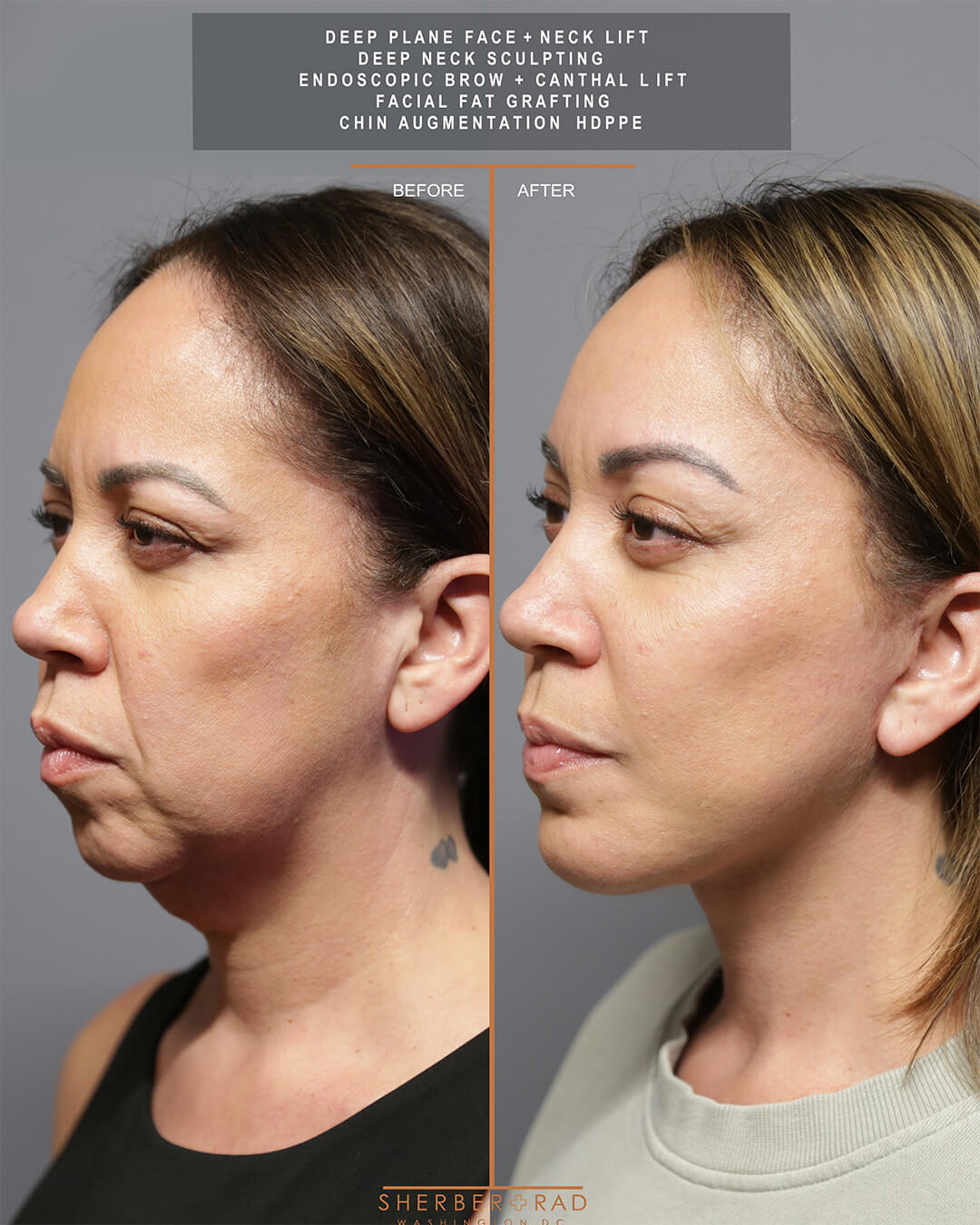
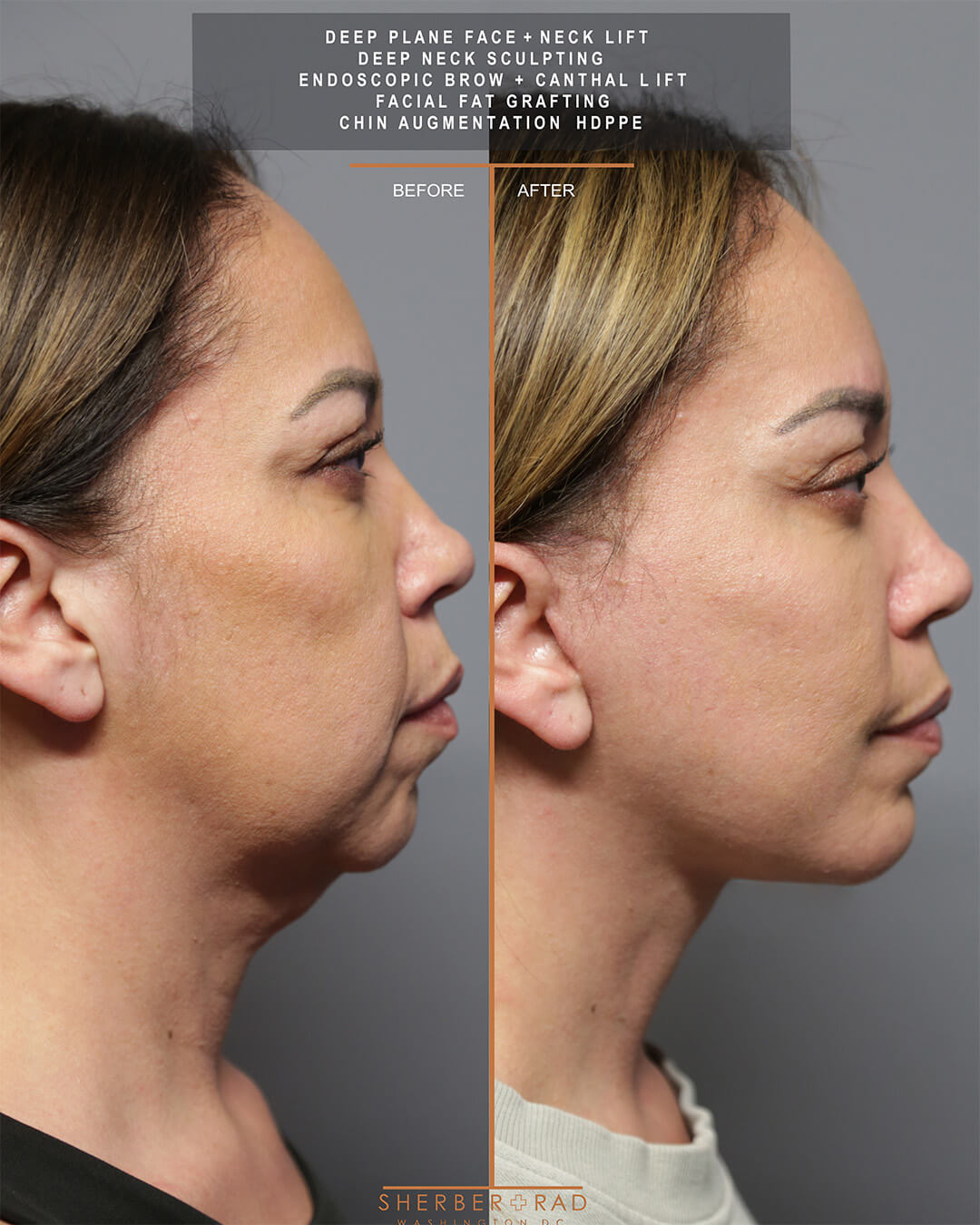
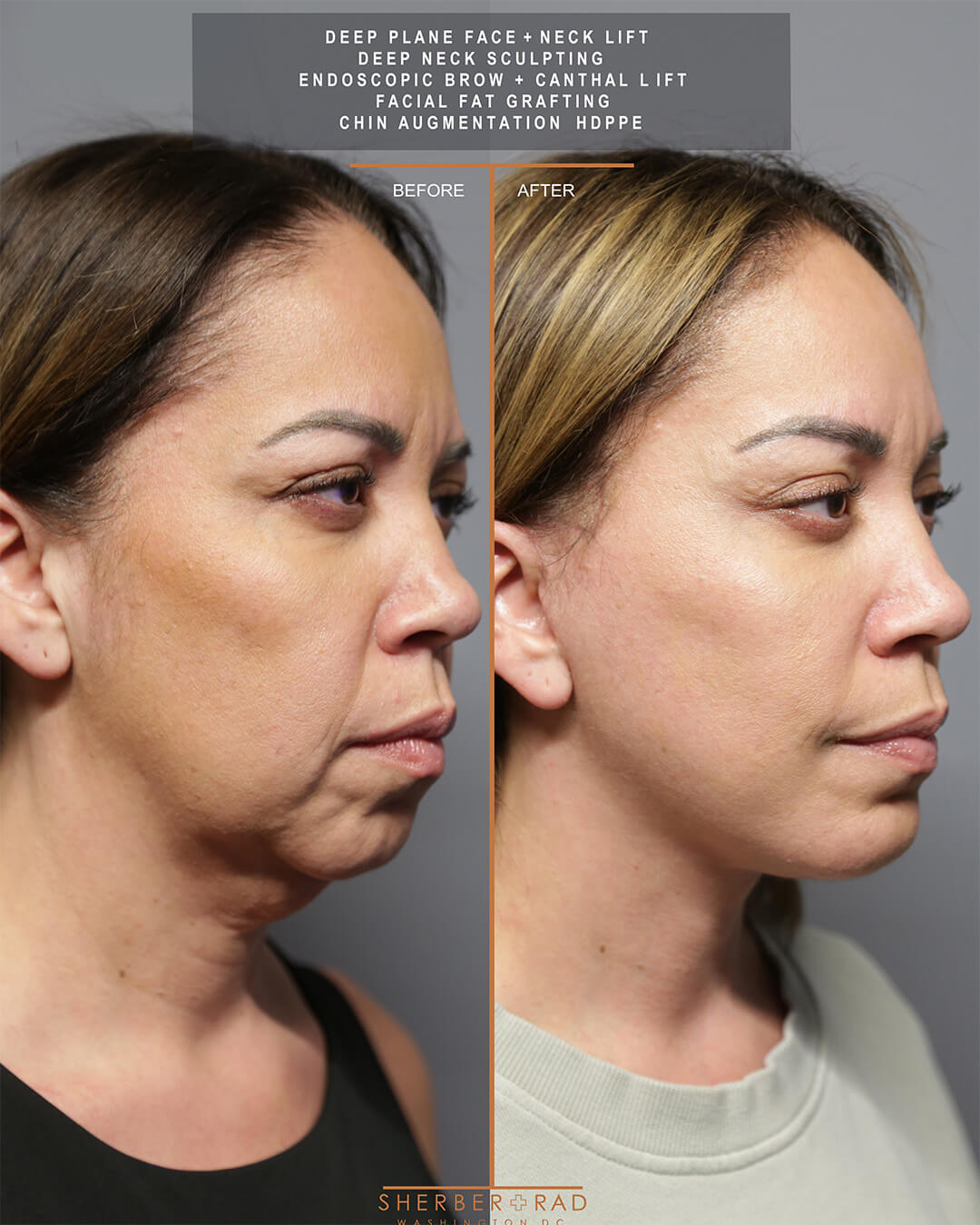
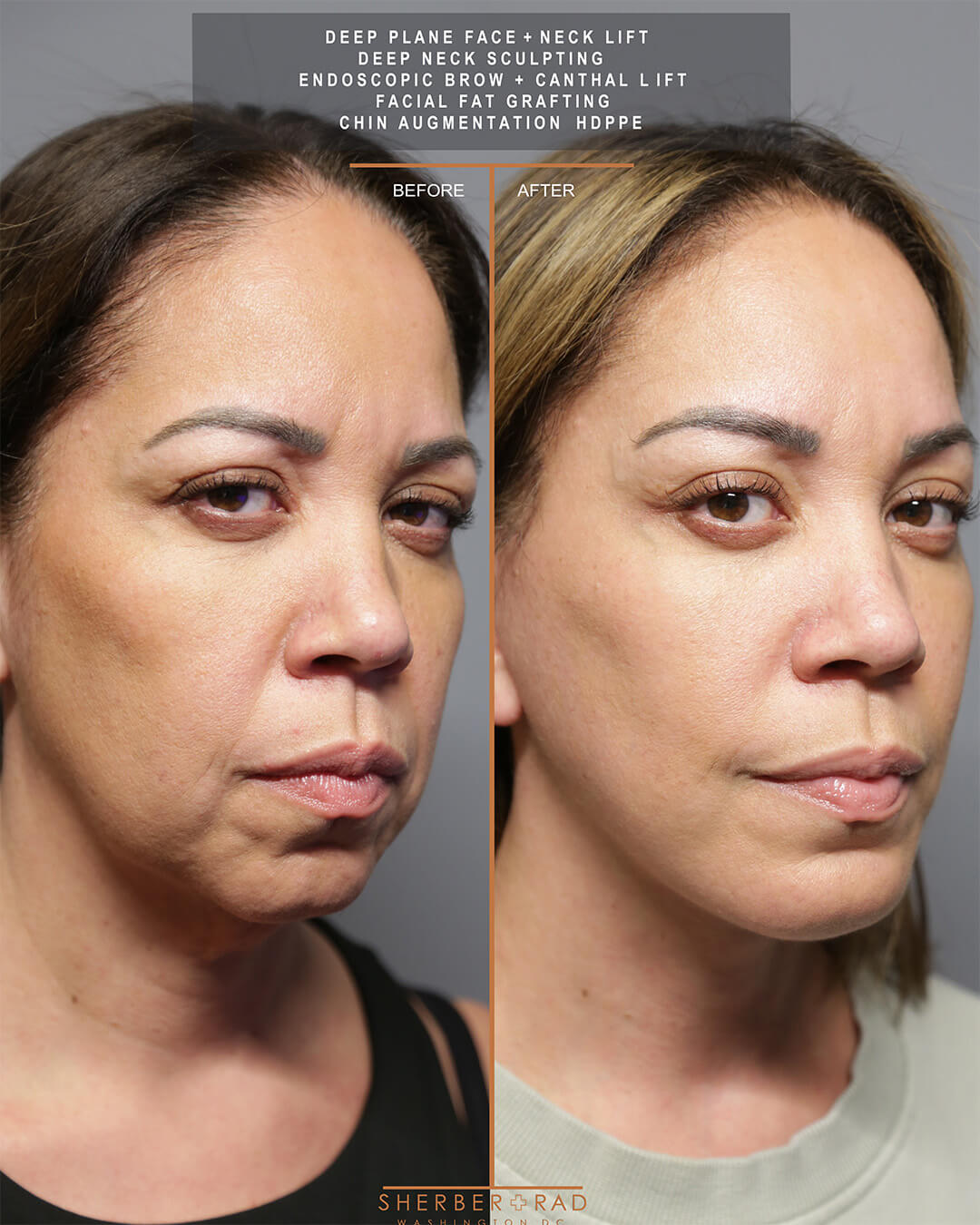
before
after
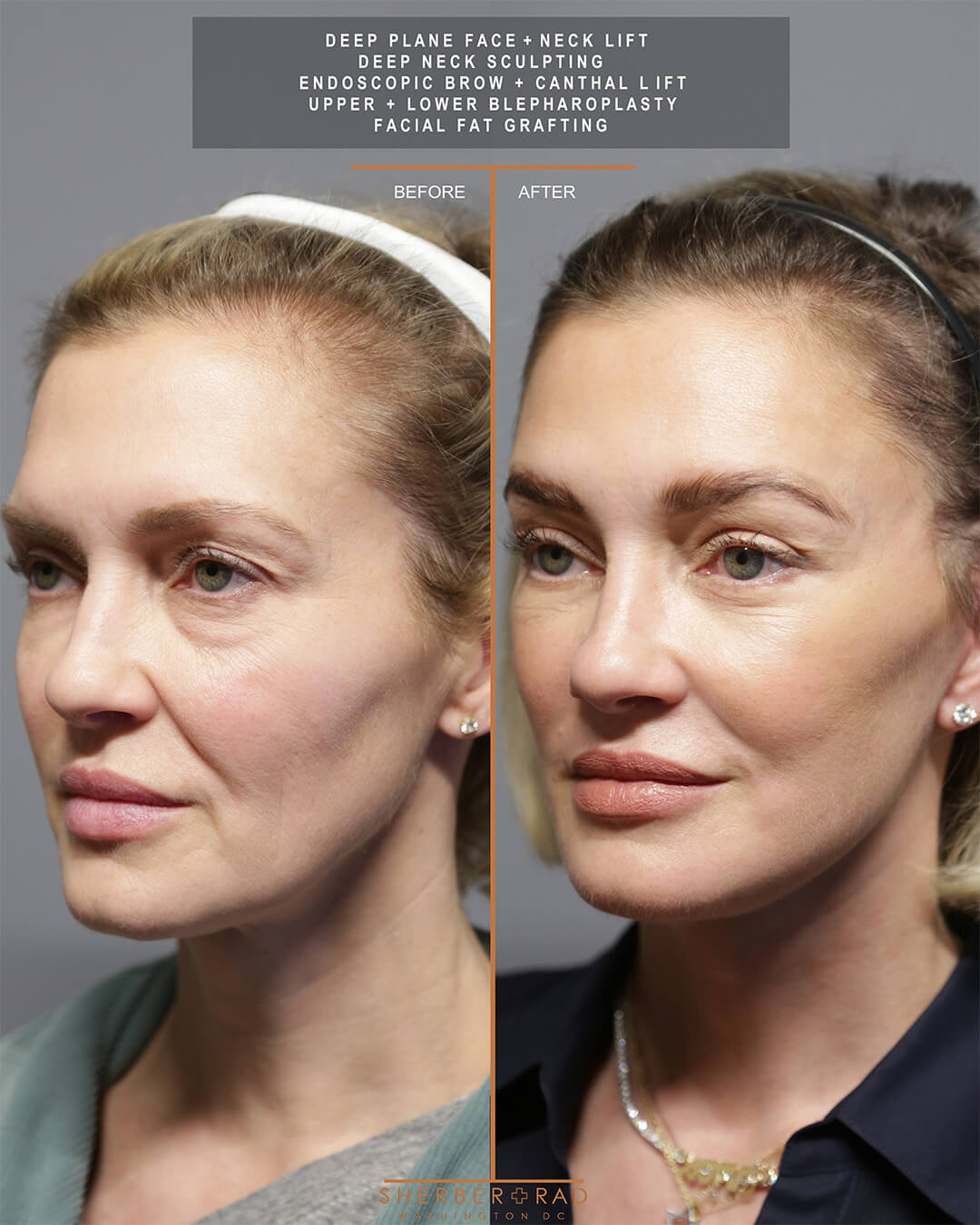
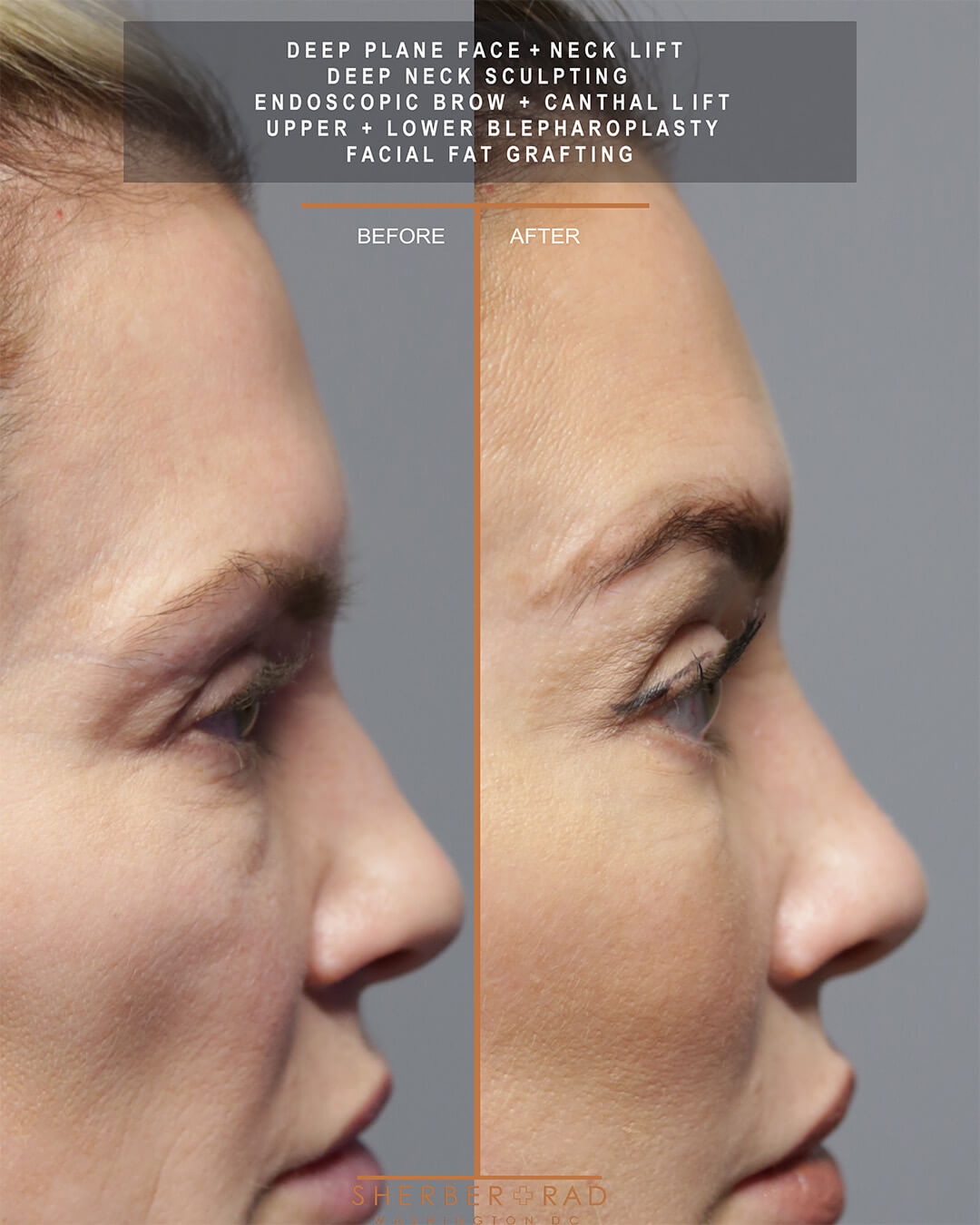
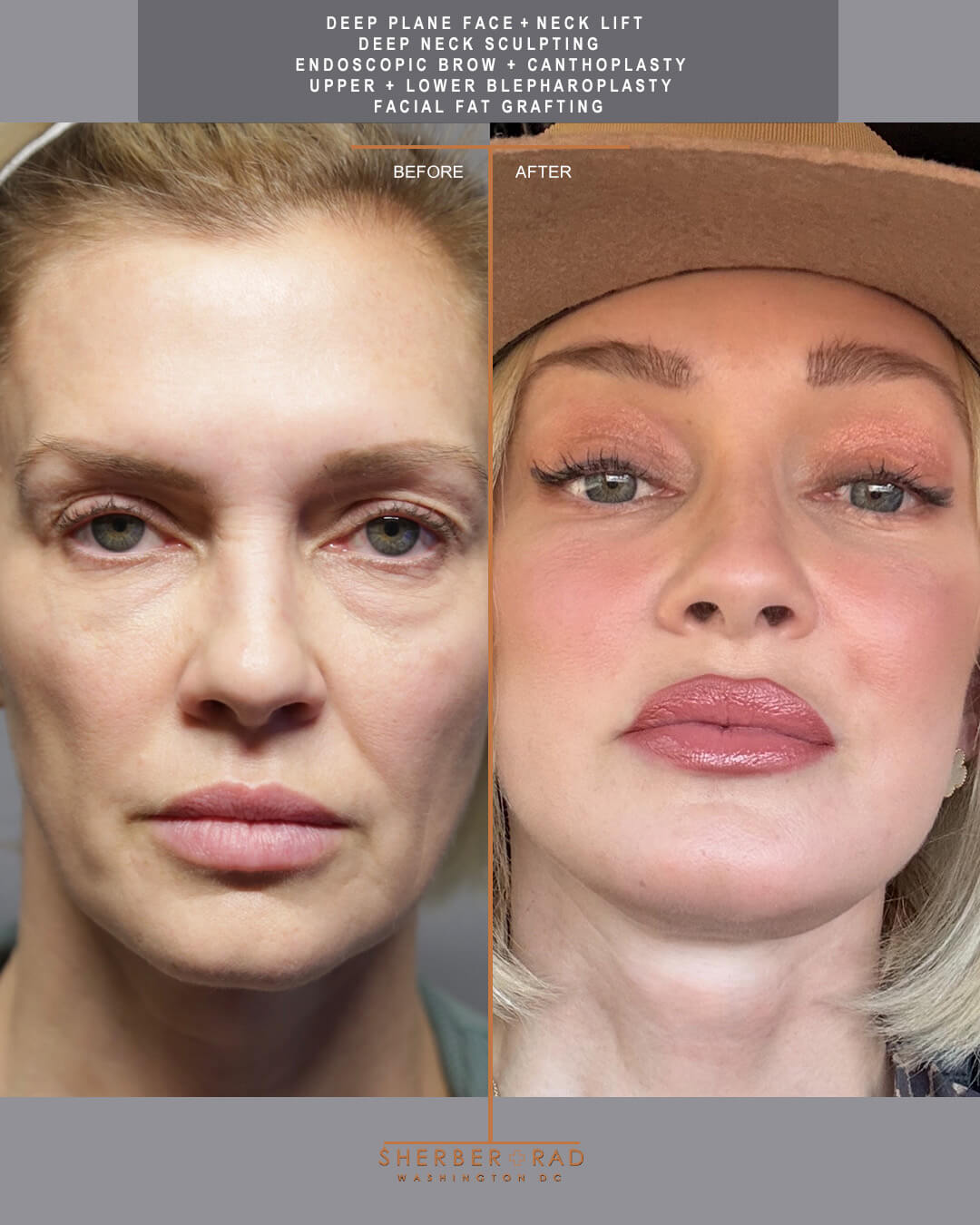
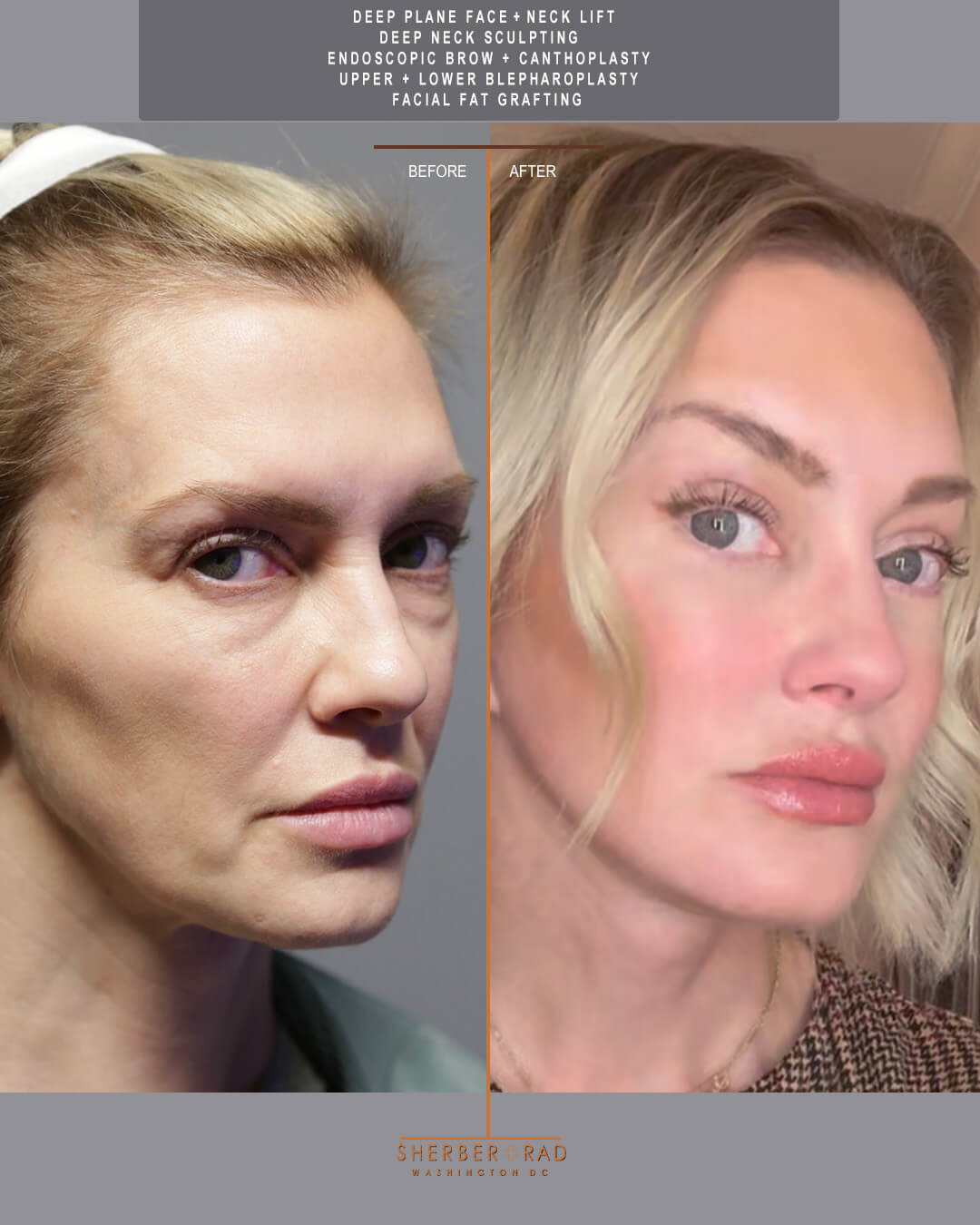
before
after
before
after
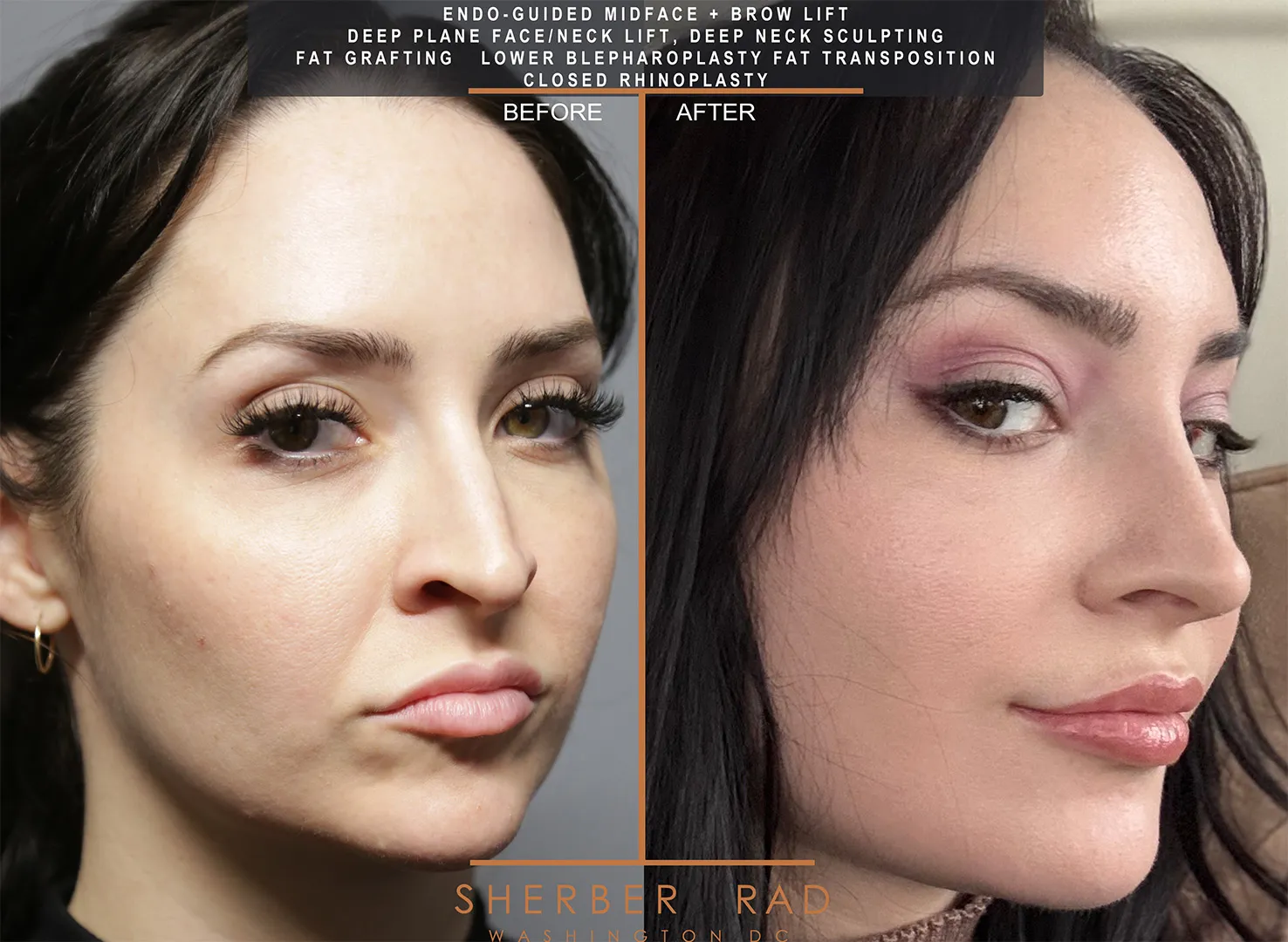
before
after
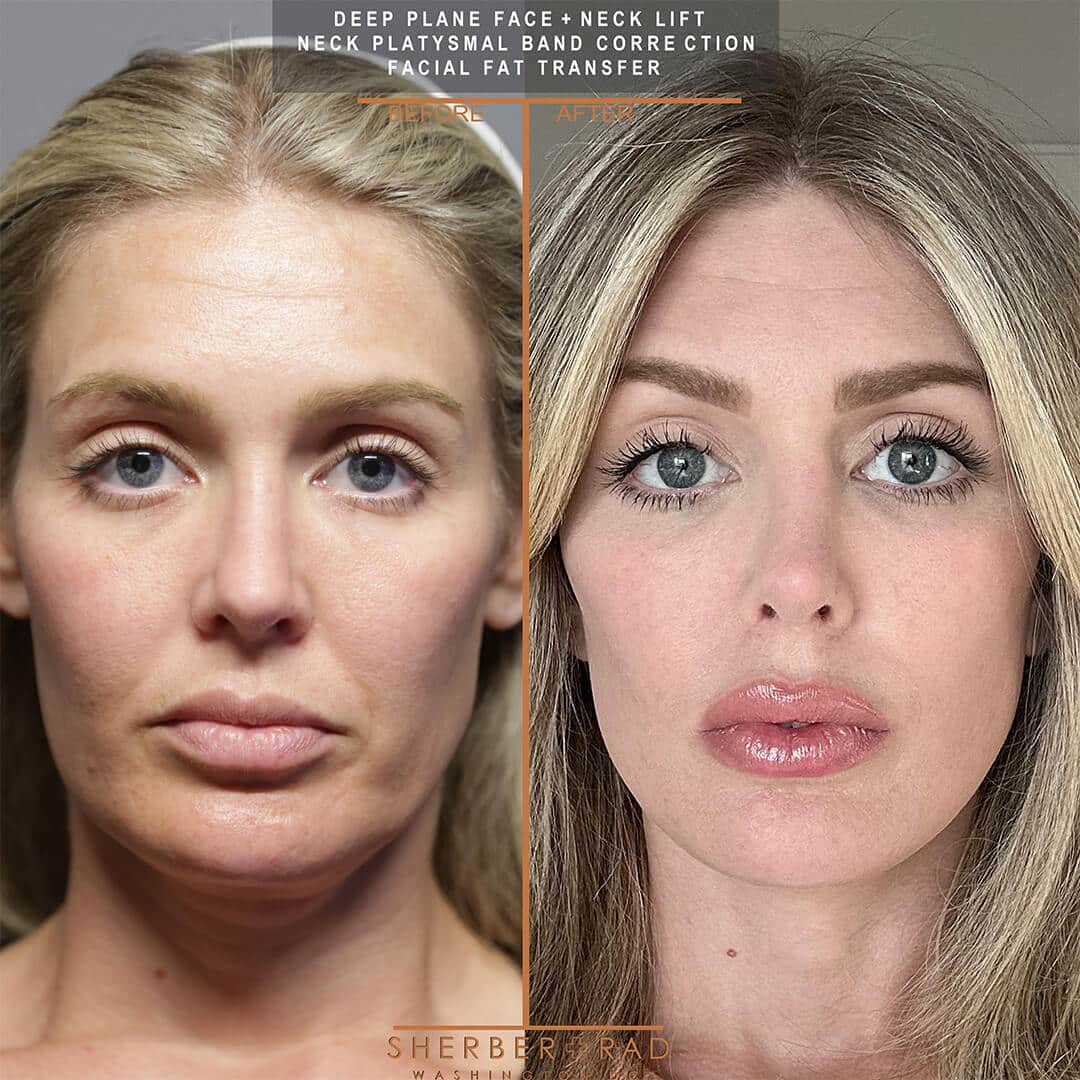
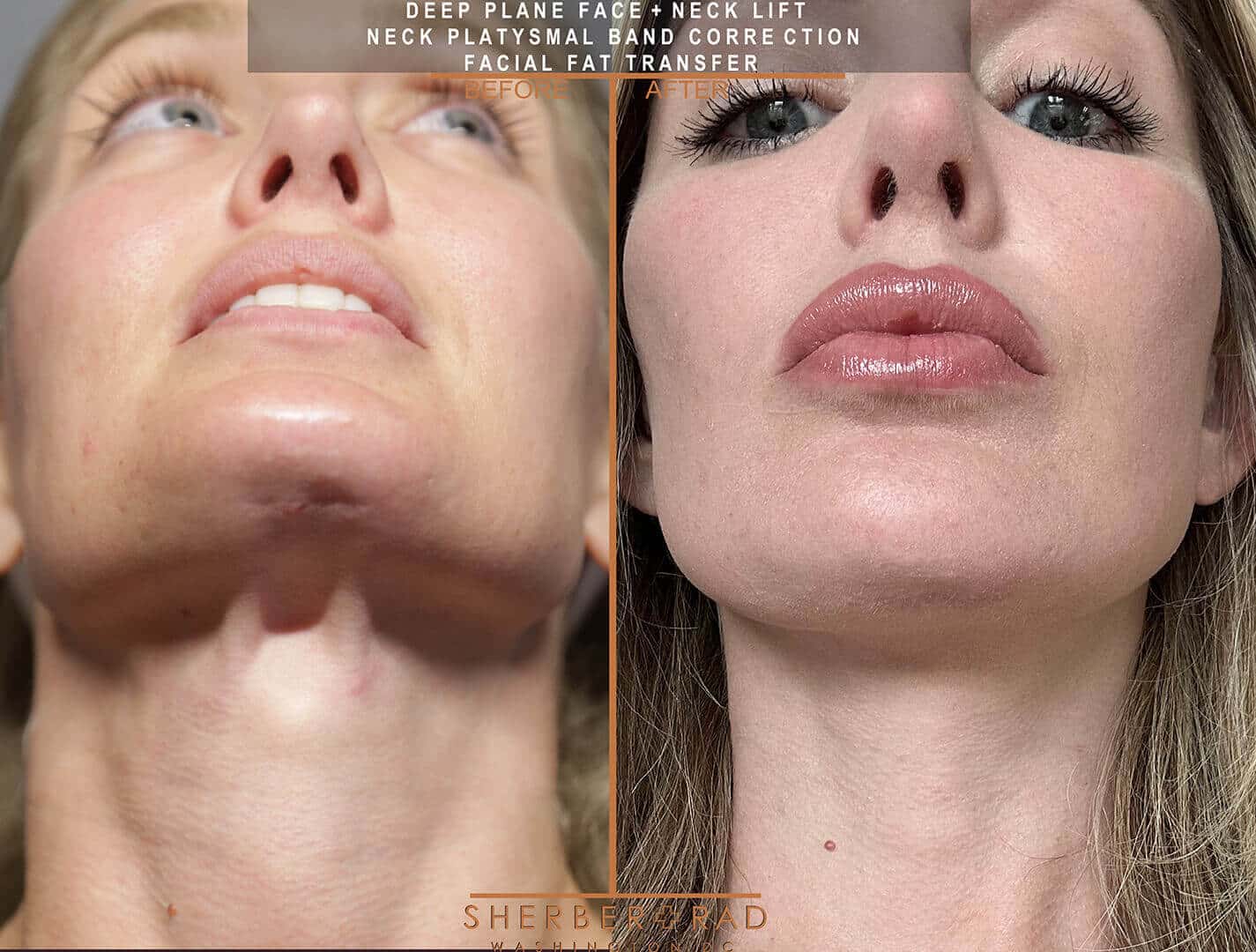
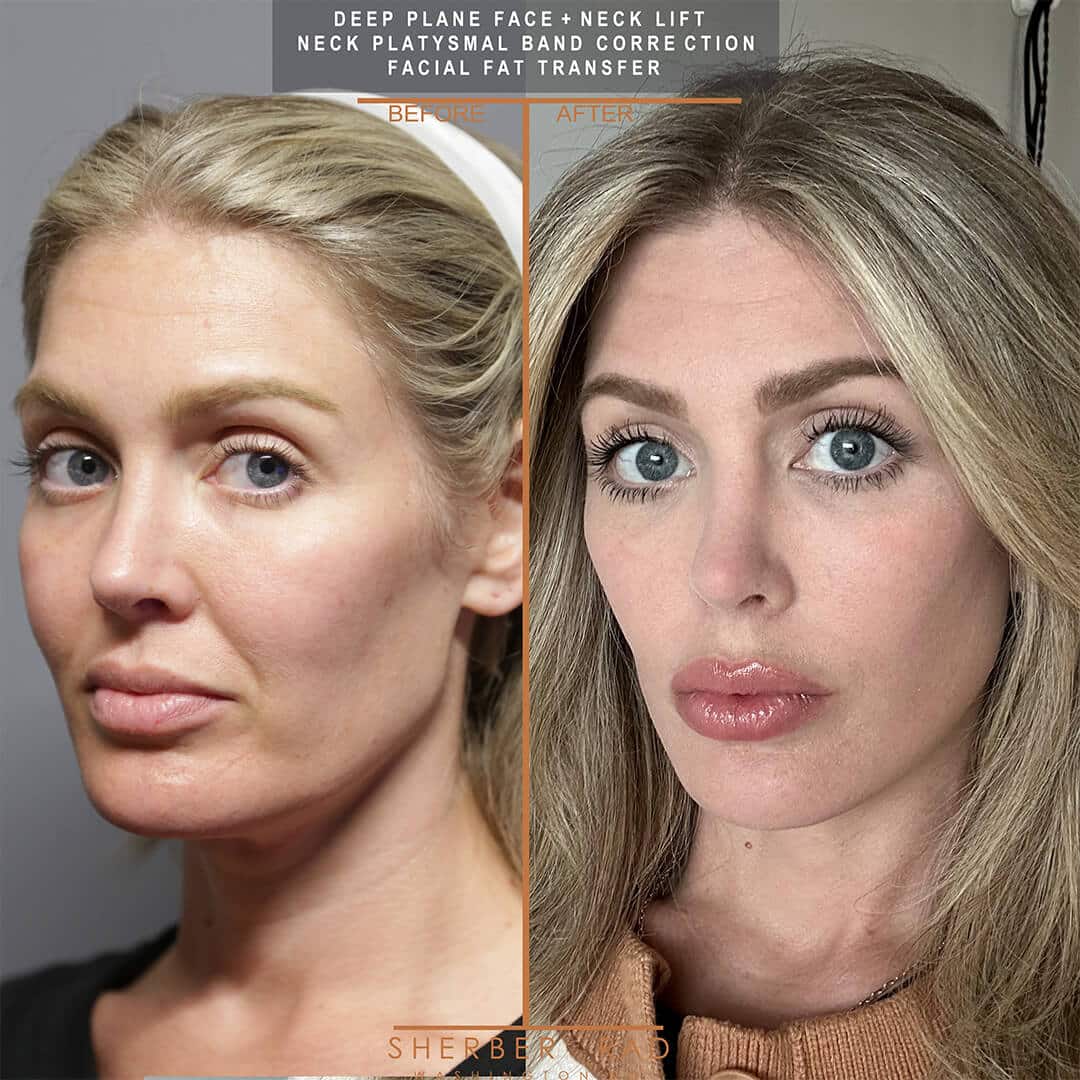
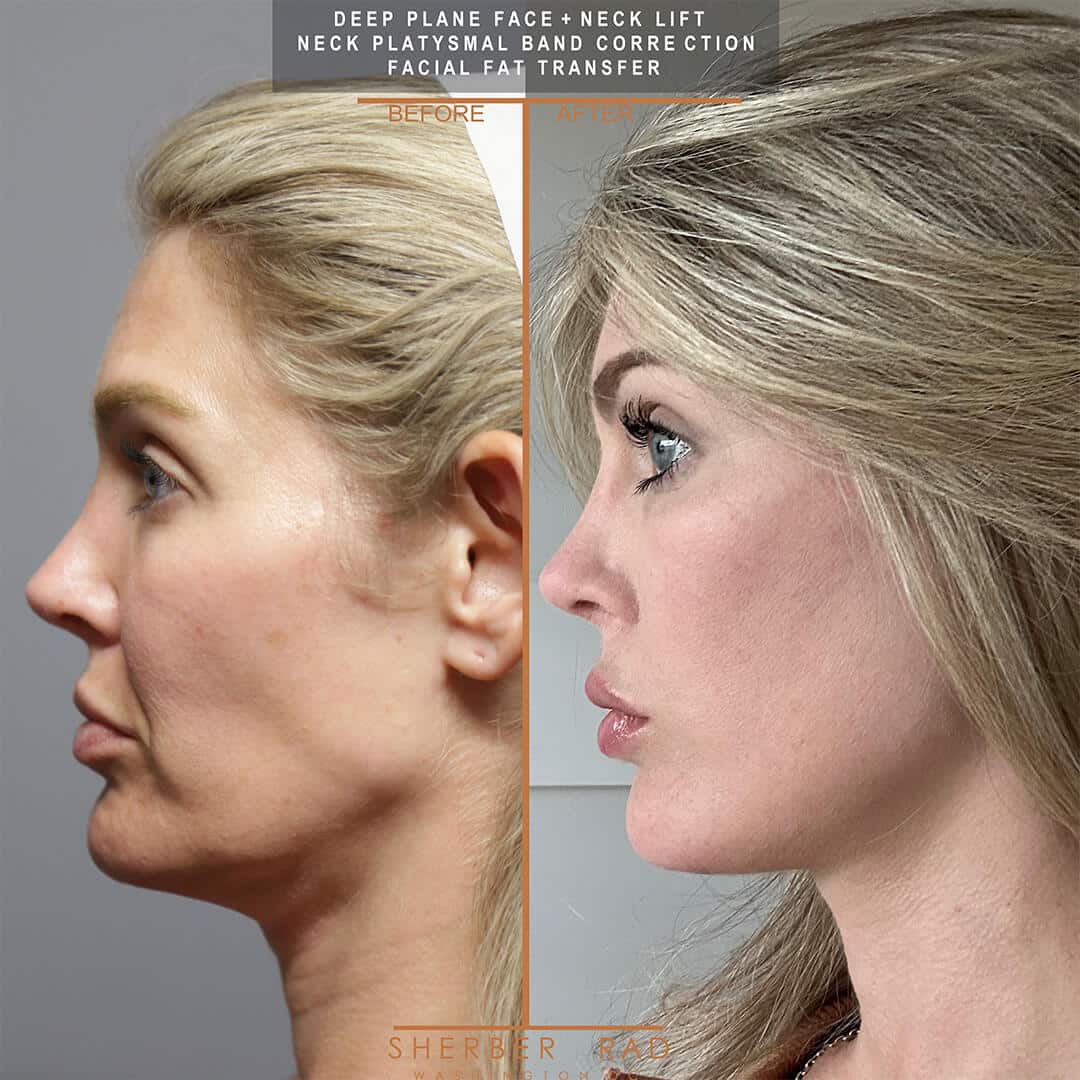
before
after
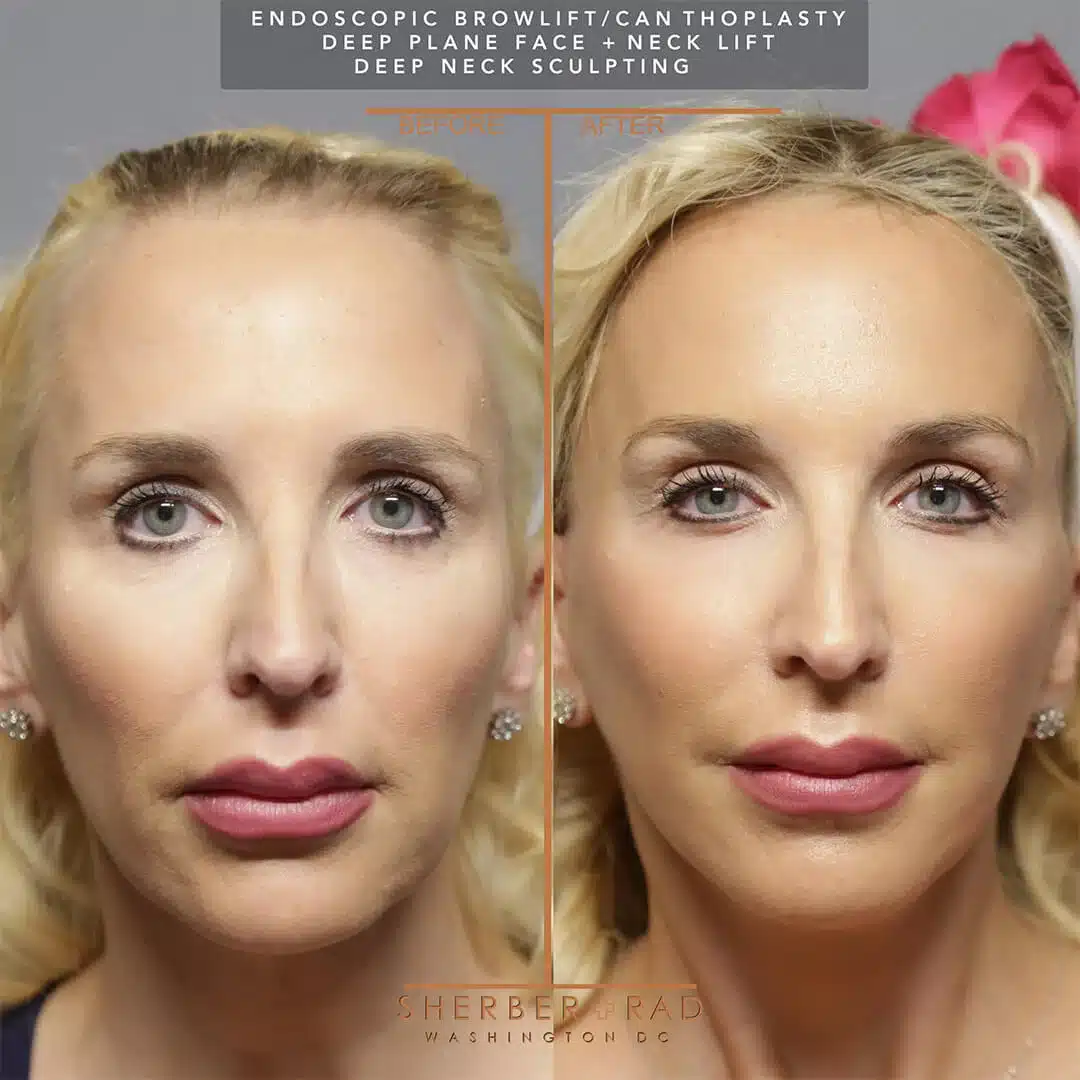
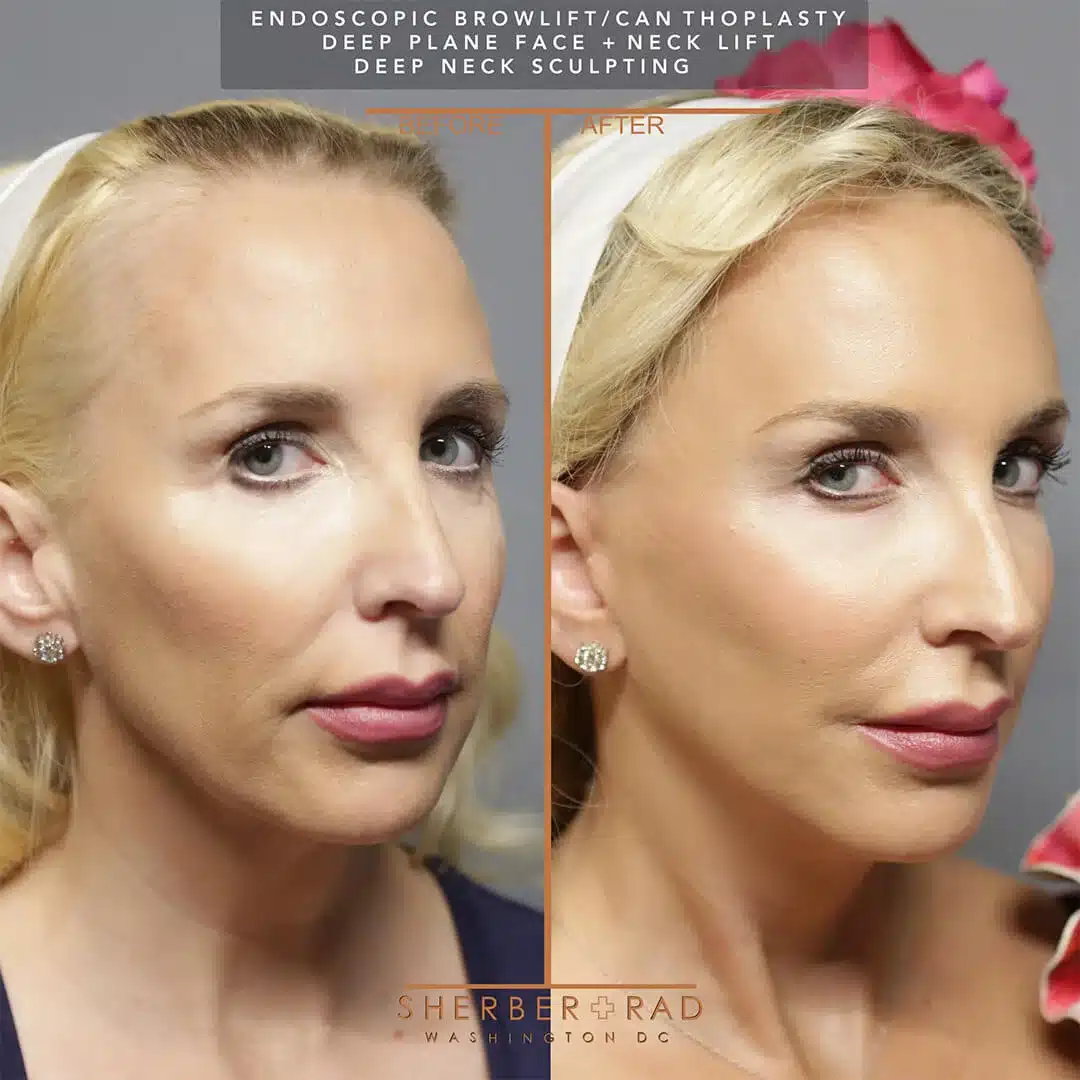
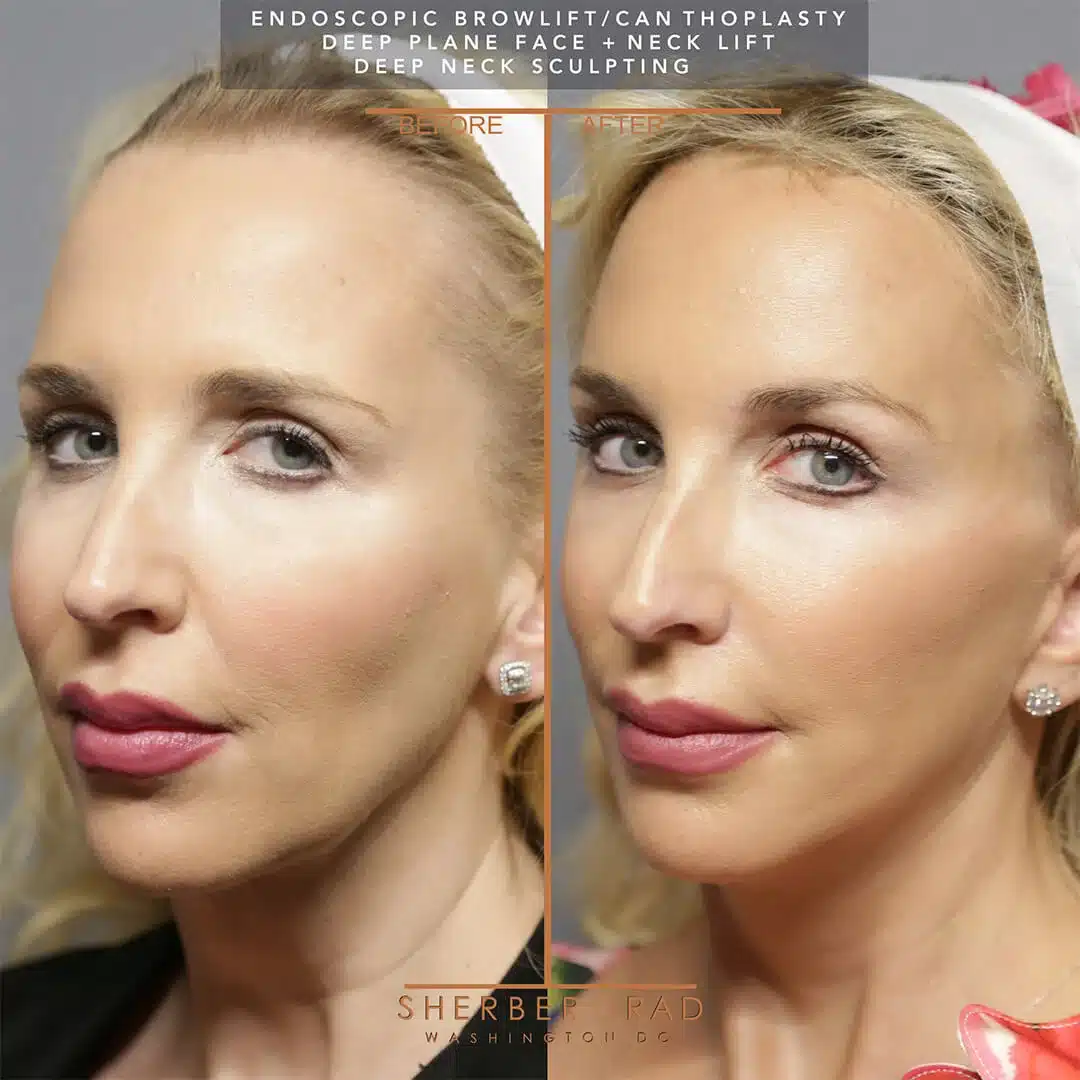
before
after
before
after
before
after
What Is a Facelift?
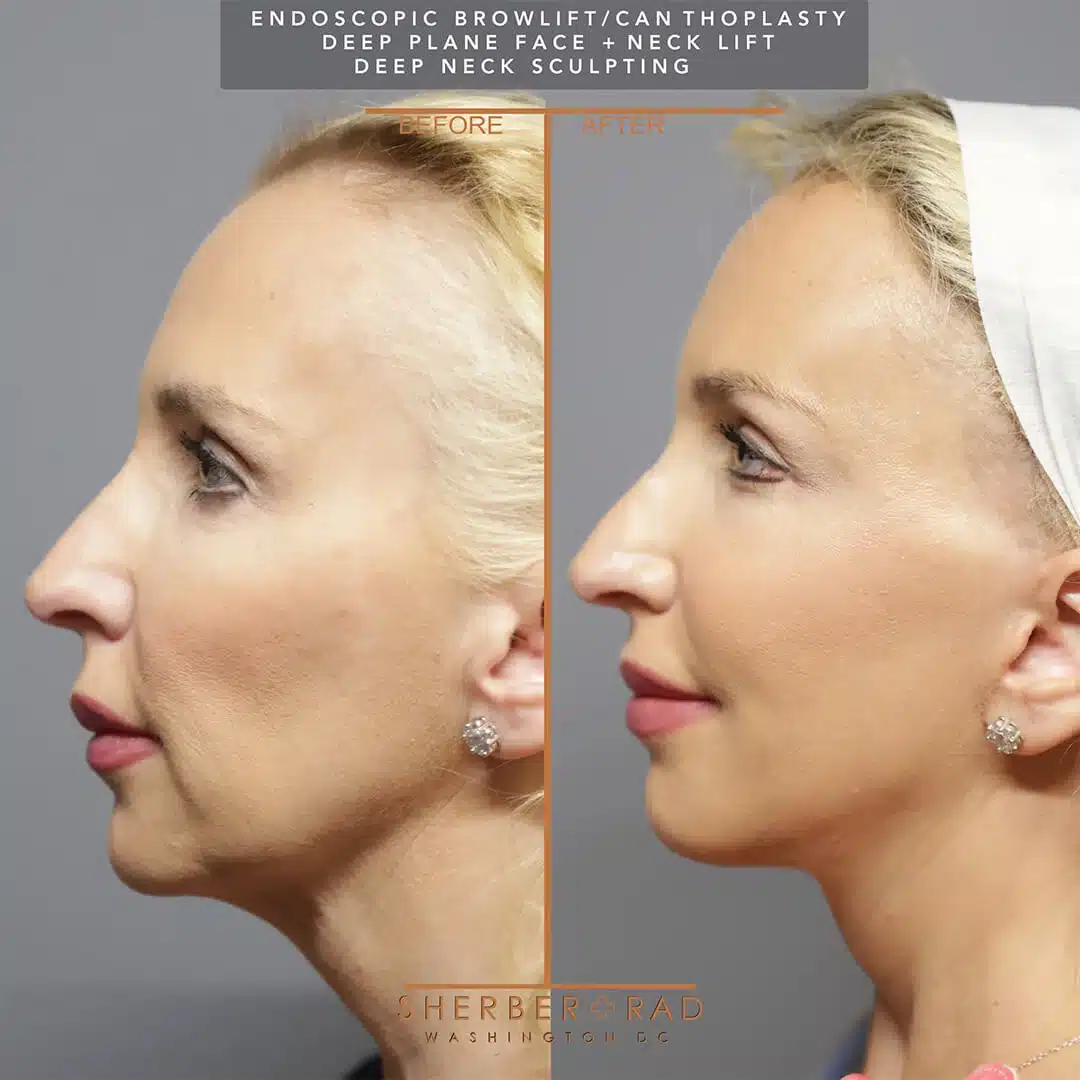
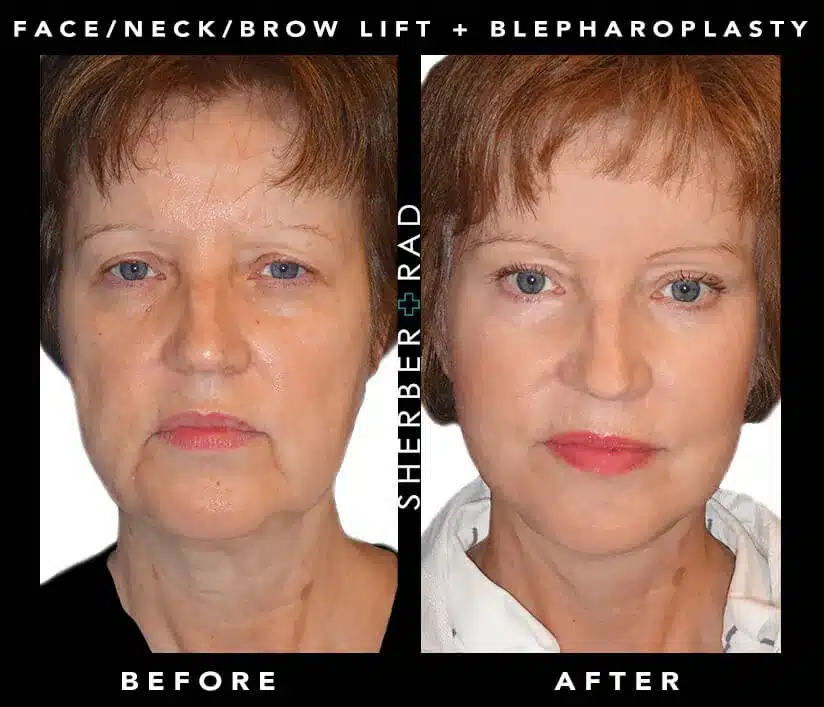
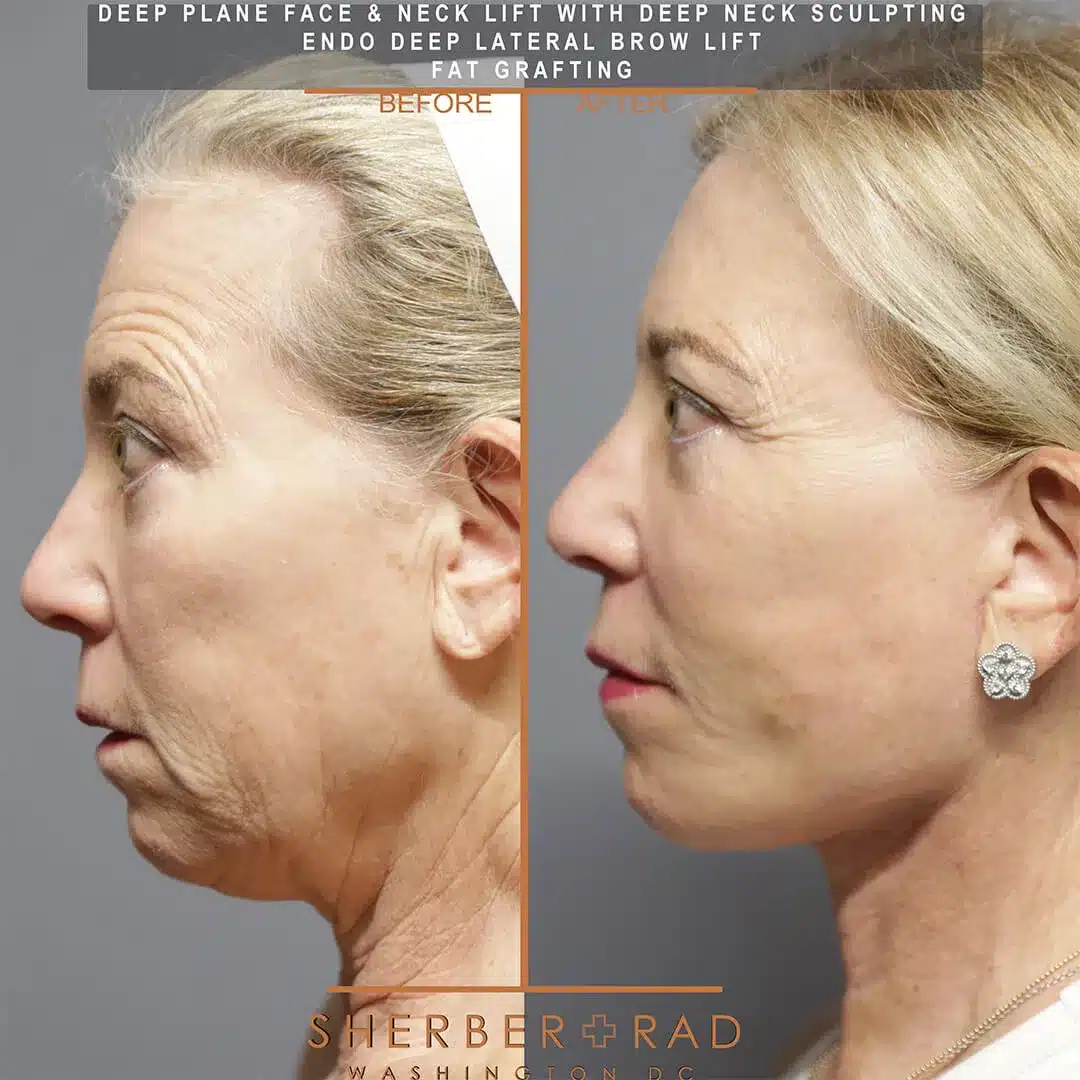
A facelift, or rhytidectomy, is a surgical procedure that repositions facial tissues that have descended with age and improves laxity through the lower face and jawline. Modern facelift surgery goes well beyond simply tightening loose skin. The face is composed of multiple interconnected layers, and aging affects the skin, fat, connective tissues, and deeper structural support.
By addressing these underlying tissues, Dr. Rad can restore facial contours while allowing the skin to redrape naturally over the newly supported structure.
Depending on your anatomy and goals, facelift surgery may improve:
- Jowls along the jawline
- Sagging or descended cheek tissues
- Loss of jawline definition
- Deepening folds around the mouth
- Lower facial laxity
- Changes in the transition between the face and neck
- An overall tired or aged appearance
The goal is not to create a different face. It is to restore structure and definition while preserving the features and expressions that make your face your own.
How Does the Face Change With Age?
Facial aging is more complex than loose skin. Over time, several changes occur simultaneously. Skin loses elasticity, facial fat changes in volume and position, deeper tissues descend, and even the underlying facial skeleton changes. Together, these processes can alter the proportions and contours associated with a youthful face.
This is why simply pulling the skin tighter does not necessarily create a natural-looking facelift result. Dr. Rad evaluates facial aging structurally, considering where tissues have descended, where volume has been lost, how the jawline and neck have changed, and how these changes relate to the face as a whole.
He may also review photographs from earlier stages of your life to better understand how your individual facial structure has changed over time. This allows surgical planning to focus on restoration rather than reinvention; an approach also reflected in his technique-specific facelift planning.
What Are the Benefits of Facelift Surgery?
For the right patient, facelift surgery can provide more comprehensive and longer-lasting correction than non-surgical treatments can achieve alone.
Potential benefits include:
- Restoring a smoother, more defined jawline
- Reducing the appearance of jowls
- Repositioning descended facial tissues
- Improving lower facial contours
- Softening deeper folds created by tissue descent
- Creating a smoother transition between the face and neck
- Restoring more youthful facial proportions
- Achieving long-lasting rejuvenation without relying on an overly tightened appearance
- Preserving natural facial expression and individuality
A facelift does not stop the aging process. Instead, it can establish a more youthful structural starting point from which the face continues to age naturally.
Who Is a Good Candidate for a Facelift?
There is no single “right age” for facelift surgery. Some patients begin considering surgery when relatively early jowling or facial descent becomes noticeable, while others pursue a facelift later when changes are more advanced.
Dr. Rad offers dedicated approaches for patients under 50 as well as patients with more extensive facial aging, reflecting the fact that candidacy depends more on anatomy than a specific birthday.
You may be a good candidate if you:
- Have developed jowls or loss of jawline definition
- Notice sagging or descent through the lower face
- Have facial laxity that is no longer adequately addressed with non-surgical treatments
- Want meaningful, long-lasting facial rejuvenation
- Are in good overall health
- Do not smoke or are able to follow Dr. Rad’s preoperative recommendations
- Have realistic expectations about surgery and recovery
- Want to look refreshed rather than fundamentally different
Your consultation is ultimately the best way to determine whether facelift surgery—and which type of facelift—is appropriate for you.
A Facelift Tailored to Your Anatomy
There is no single facelift technique that is right for every patient. Facial anatomy, age, degree and location of tissue descent, skin quality, previous surgery, and aesthetic goals can all influence the surgical approach Dr. Rad recommends.
Rather than applying the same operation to every face, Dr. Rad selects and adapts his technique according to the individual patient. Depending on your needs, this may involve a deep plane facelift, SMAS facelift, short-scar approach, or another specialized technique designed to address the specific way your face has changed over time.
Dr. Rad offers dedicated approaches for different facial anatomies, stages of aging, patient populations, and revision needs. Explore the facelift techniques and specialized approaches offered by Dr. Rad below.
Types of Facelift Techniques Offered by Dr. Rad
deep plane facelift
deep plane facelift
SMAS Facelift
SMAS Facelift
endoscopic ‘ponytail' Facelift
endoscopic ‘ponytail' Facelift
Vertical Mid Facelift
Vertical Mid Facelift
revision facelift
revision facelift
Facelift Under 50
Facelift Under 50
Male Facelift
Male Facelift
Ethnic Facelift
Ethnic Facelift
Short-Scar Facelift
Short-Scar Facelift
What Happens During Facelift Surgery?
Your facelift begins long before the day of surgery. During consultation and preoperative planning, Dr. Rad evaluates the face as a three-dimensional structure. He considers tissue descent, facial volume, skin quality, jawline and neck contour, previous procedures, and your individual goals.
The exact operation depends on the facelift technique selected, but modern structural facelift surgery generally involves carefully placed incisions that provide access to the deeper facial tissues. Dr. Rad then repositions the appropriate structural layers before gently redraping the skin.
By placing the primary lifting forces deeper within the face rather than relying on skin tension alone, the goal is to achieve rejuvenation that looks natural both at rest and in motion. This deeper structural philosophy is central to the facelift techniques Dr. Rad describes across the practice’s dedicated facelift pages.
Incision placement, extent of dissection, treatment of the neck, and other surgical details vary according to the procedure selected and your anatomy. Dr. Rad will explain the specific surgical plan recommended for you during your consultation.
Can Facelift Surgery Be Combined With a Neck Lift or Fat Grafting?
Yes. Facial aging rarely affects only one isolated area. For some patients, repositioning descended facial tissues provides the correction they need. Others have additional changes in the neck, loss of facial volume, eyelid aging, or other concerns that are better addressed with complementary procedures.
A neck lift may be recommended when aging or anatomy has created significant laxity, fullness, muscle changes, or loss of definition below the jawline. Sherber + Rad’s neck-lift approach specifically evaluates skin, fat, platysma and deeper neck structures rather than treating the neck as a skin-only concern.
Facial fat transfer may be incorporated when age-related volume loss is contributing to changes in facial contour. Depending on your needs, facelift surgery may also be combined with eyelid or brow procedures as part of a more comprehensive facial rejuvenation plan.
The objective is not to perform more surgery simply for the sake of doing so. It is to identify the individual components contributing to facial aging and address those that are necessary to create a balanced result.
What Is Facelift Recovery Like?
Recovery varies according to the facelift technique performed, the extent of surgery, whether additional procedures are included, and the individual patient’s healing process.
Swelling, bruising, tightness, and temporary changes in sensation are expected during the early stages of healing. According to Sherber + Rad’s current facelift guidance, many patients begin returning to normal daily activities within approximately 10 to 14 days, with bruising and swelling improving significantly over the following weeks.
Your appearance will continue to refine well beyond the initial recovery period as swelling resolves and the tissues settle. Dr. Rad and the Sherber + Rad team provide detailed postoperative instructions and follow your healing closely.
Because facelift recovery is individualized, you will receive specific guidance regarding exercise, work, travel, skincare, and other activities based on your procedure and progress.
How Long Do Facelift Results Last?
Facelift surgery can provide long-lasting rejuvenation because it repositions facial tissues rather than temporarily masking signs of aging. However, a facelift does not stop time. Your face will continue to age after surgery, influenced by genetics, skin quality, sun exposure, lifestyle, and other individual factors. The objective is to create a durable structural improvement so that you continue aging from a more youthful baseline.
Longevity also varies with the surgical technique. For example, Sherber + Rad’s current SMAS facelift guidance describes results commonly lasting approximately 10–15 years, while emphasizing that patients continue to age naturally afterward.
Dr. Rad can discuss what you can realistically expect from your recommended technique during consultation.
Natural-Looking Facelift Results: What Does That Really Mean?
One of the most common concerns patients have about facelift surgery is looking “pulled,” overly tight, or unlike themselves. Natural-looking rejuvenation is not simply about performing less surgery. It comes from understanding which structures have changed and restoring them appropriately.
When deeper tissues provide the support for the lift, the skin does not need to carry the full tension of the procedure. It can instead be redraped more naturally over the repositioned facial structure.
Dr. Rad’s objective is for your face to remain expressive and recognizable while appearing more rested, defined, and balanced. In other words, the goal is not for people to notice your facelift. The goal is for them to notice you.
Why Choose Sherber + Rad for Facelift Surgery in Washington, DC, Maryland, and Northern Virginia?
Facelift surgery requires a sophisticated understanding of facial anatomy, structural aging, proportion, and how surgical changes in one area influence the appearance of the face as a whole.
At Sherber + Rad, facelift surgery is performed by Ariel N. Rad, MD, PhD, FACS, a board-certified plastic surgeon whose practice emphasizes advanced facial rejuvenation. Dr. Rad completed advanced training at Duke and Johns Hopkins and serves as an Assistant Clinical Professor of Plastic Surgery at Johns Hopkins. Dr. Rad treats patients from Washington, DC and throughout the United States, as well as patients who travel internationally for surgery.
Patients choose Sherber + Rad because of Dr. Rad’s:
- Board certification in plastic surgery
- Advanced surgical training at Duke and Johns Hopkins
- Extensive focus on facelift and facial rejuvenation surgery
- Experience with deep plane and other advanced facelift techniques
- Detailed understanding of structural facial aging
- Individualized approach to surgical planning
- Focus on natural, balanced, long-lasting results
- Ability to tailor facelift surgery to different ages, anatomies, and aesthetic goals
- Comprehensive approach to the face and neck rather than treating individual concerns in isolation
For Dr. Rad, successful facelift surgery is not defined by how dramatically the face can be changed. It is defined by how precisely surgery can restore balance while preserving the characteristics that make each patient unique.
Frequently Asked Questions About Facelift Surgery


What is the best age to get a facelift?
There is no ideal age that applies to everyone. Candidacy depends on your anatomy, degree of tissue descent, skin quality, goals, and overall health. Some patients benefit from a more limited approach at a younger age, while others require more comprehensive correction later. Sherber + Rad maintains a dedicated Facelift Under 50 treatment pathway in addition to its other facelift approaches.
What is the difference between a deep plane facelift and a smas facelift?
Both techniques address deeper facial support rather than relying solely on skin tightening, but they manipulate those tissues differently. A SMAS facelift works with the superficial musculoaponeurotic system as a distinct supportive layer, while a deep plane facelift releases deeper retaining structures so facial tissues can be repositioned together. Dr. Rad performs both approaches and recommends techniques based on the patient's anatomy and pattern of aging.
Does a facelift include a neck lift?
Not necessarily. Although facial and neck aging frequently occur together, a facelift and neck lift address different anatomical concerns. Dr. Rad evaluates the lower face, jawline, and neck together and will recommend whether dedicated neck treatment is necessary to create a harmonious result.
Will I have visible facelift scars?
Facelift surgery requires incisions, but they are strategically positioned around natural contours of the ear and, depending on technique, within or around the hairline. The deep plane technique page specifically describes incisions placed within natural creases around and behind the ear to help them blend with surrounding anatomy. Healing varies between patients, and Dr. Rad will discuss the incision pattern associated with your particular procedure.
What are the risks of facelift surgery?
As with any surgical procedure, facelift surgery carries risks. These may include bleeding or hematoma, infection, delayed healing, scarring, temporary or persistent changes in sensation, asymmetry, and nerve injury. Your individual risks depend on your health, anatomy, procedure, and other factors. Dr. Rad will review potential risks and benefits with you before surgery so you can make an informed decision.
How soon can I return to work after a facelift?
Many patients can return to routine daily activities within approximately 10–14 days, although your individual timeline will depend on the extent of surgery, your occupation, and how quickly bruising and swelling resolve.
Can a facelift really look natural?
Yes. Natural-looking results are a central goal of modern structural facelift surgery. By repositioning deeper tissues and avoiding excessive tension on the skin, Dr. Rad aims to restore facial contours while preserving normal expression and the patient's individual characteristics.
Does a facelift improve the eyes or forehead?
A facelift primarily addresses aging in the lower face and jawline, so it does not directly correct concerns such as drooping upper eyelids, under-eye bags, or a descended brow. If aging around the eyes or forehead is also contributing to your concerns, Dr. Rad may recommend combining facelift surgery with a procedure such as cosmetic eye surgery (blepharoplasty) or a brow lift. During your consultation, he will evaluate the face as a whole and recommend the combination of procedures, if any, needed to create balanced, natural-looking rejuvenation.
Request a Facelift Consultation with Dr. Ariel Rad in Washington, DC
Choosing to have a facelift is not simply a decision to look younger. It is a decision about how you want to age and how much of your natural facial identity you want to preserve while doing so.
At Sherber + Rad, Dr. Ariel Rad approaches facelift surgery as an individualized restoration of facial structure, contour, and balance. Whether your concerns are relatively early or more advanced, your treatment plan begins with understanding how your face has changed and determining the surgical approach that best addresses your anatomy.