
SMAS Facelift in Washington, DC
What is a SMAS Facelift?
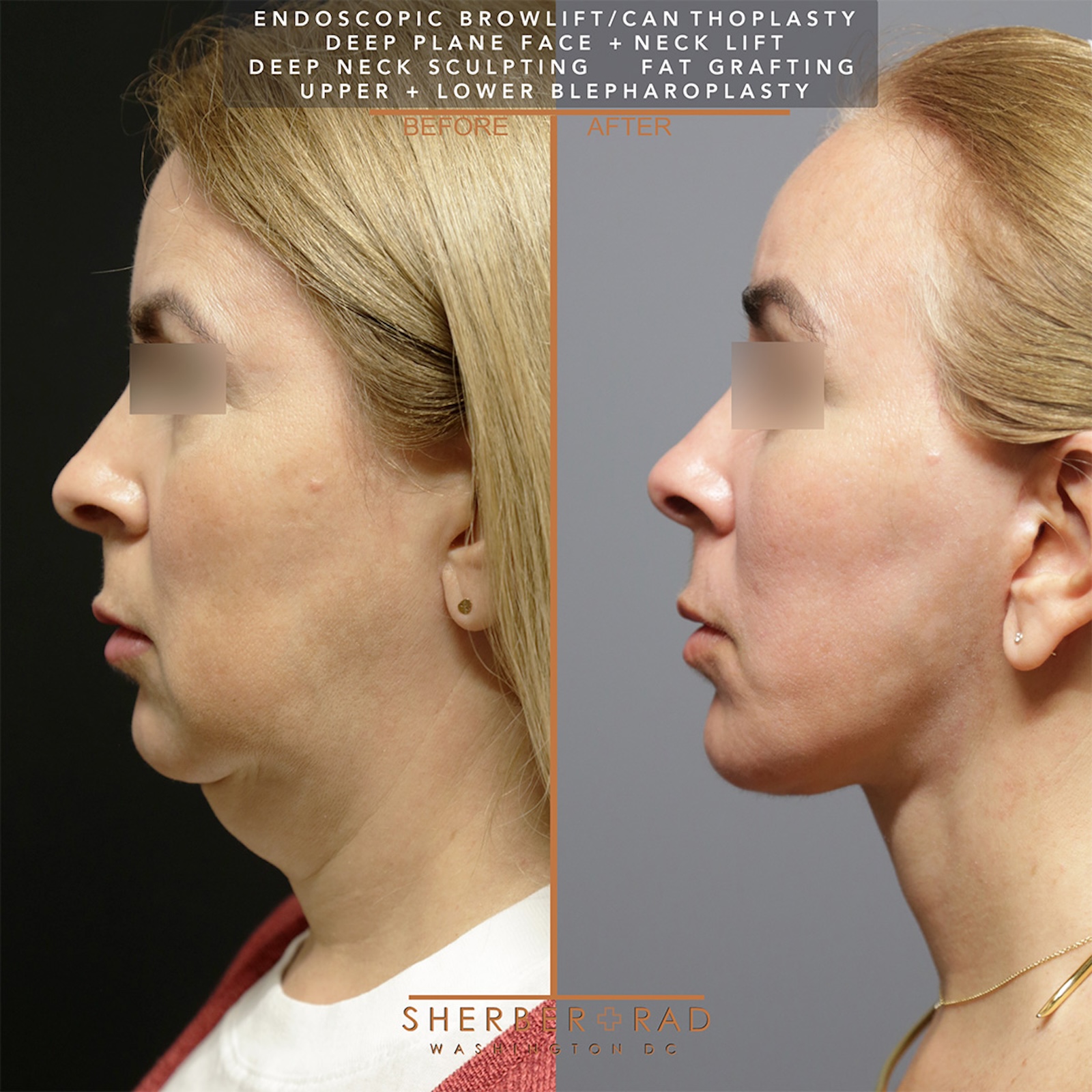
A SMAS facelift (Superficial Musculo-Aponeurotic System facelift) is a highly effective facial rejuvenation surgery that restores youthful contours by tightening the deeper supportive layer — called the SMAS — of the face. This layer is a strong, fibrous support network beneath the skin that connects the deeper muscles of animation (that allow us to smile and move our faces) to the overlying skin, thus transmitting muscle movements into aesthetic changes on the surface. Unlike skin-only facelifts, a SMAS facelift targets this strong connection layer which, when performed by highly skilled surgeons, provides long-lasting, natural results, improving sagging in the cheeks, jawline, and upper neck. By lifting and repositioning the SMAS, the procedure restores underlying support, improves contour, redefines the jawline and neck, and avoids purely skin-only tightening which can look flat or unnatural.“In facial aesthetic surgery, details are everything.”
- Ariel N Rad, MD, PhD, FACS
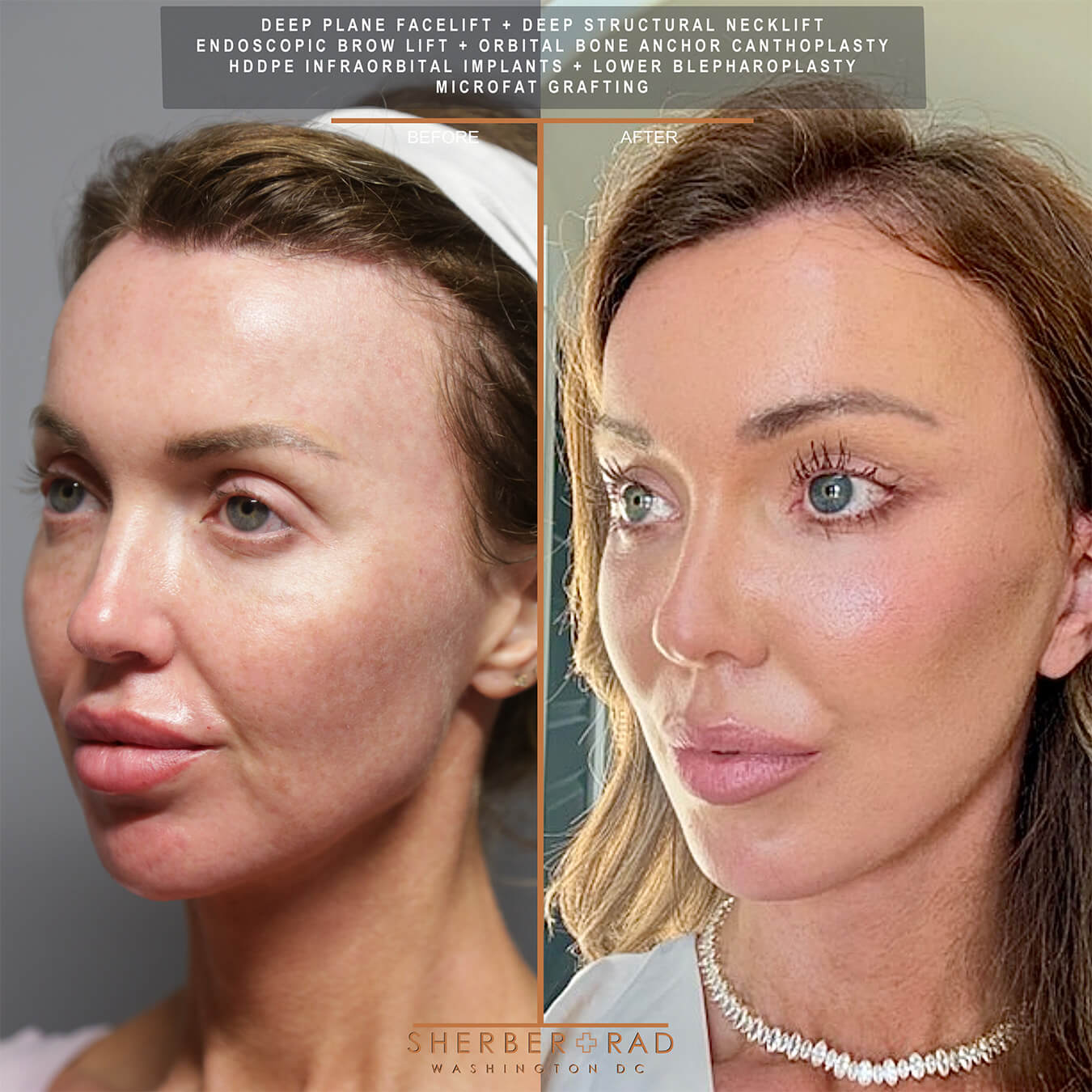
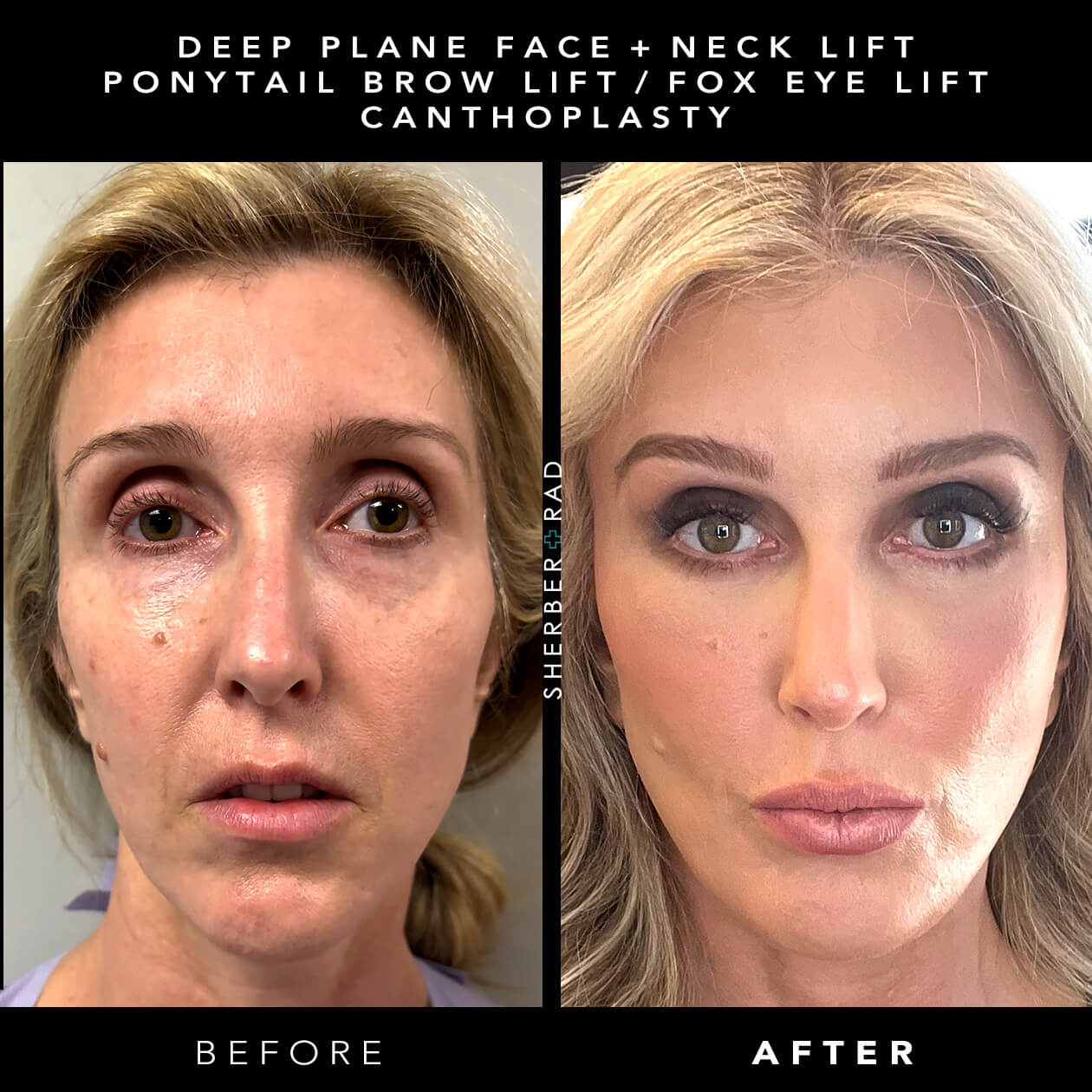
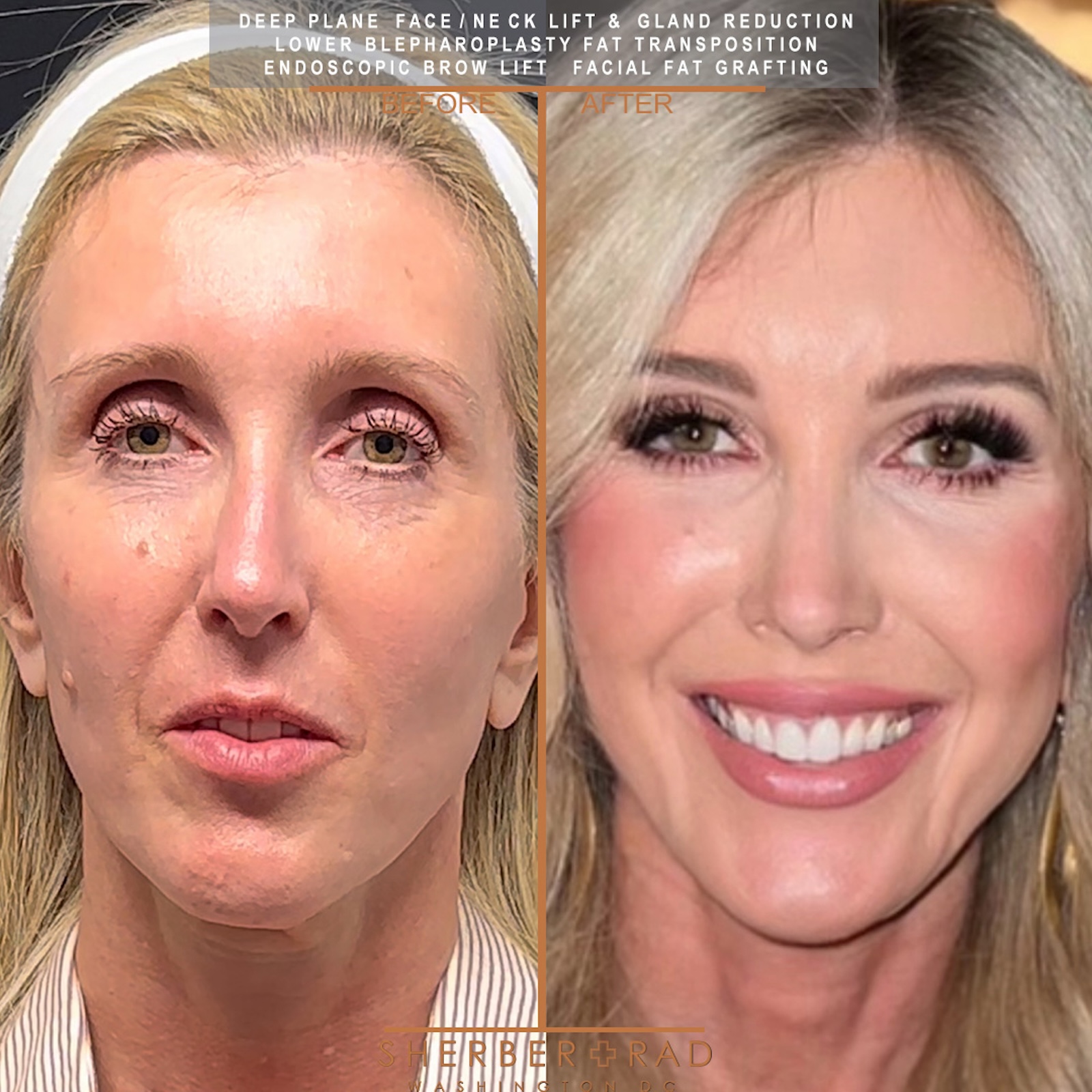
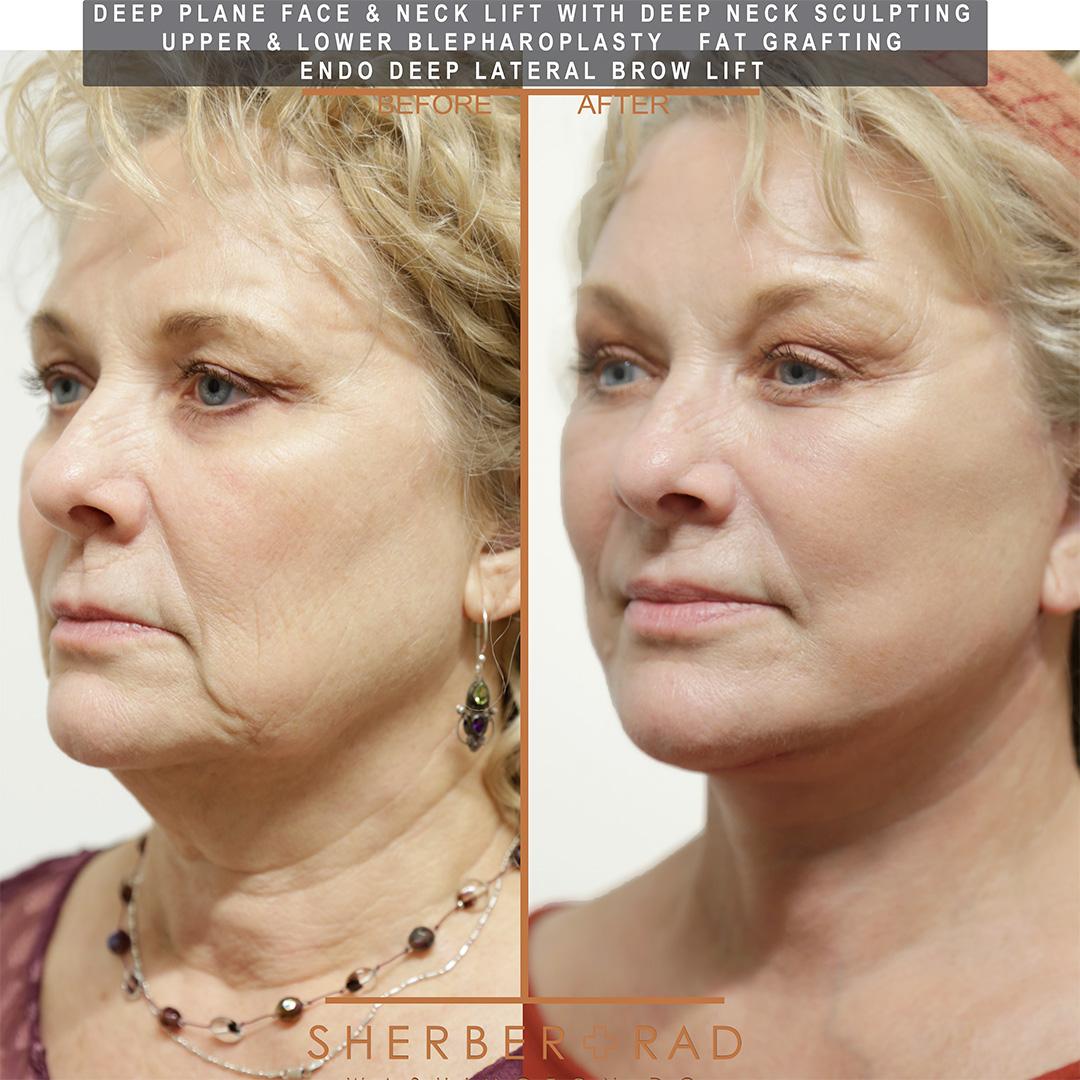
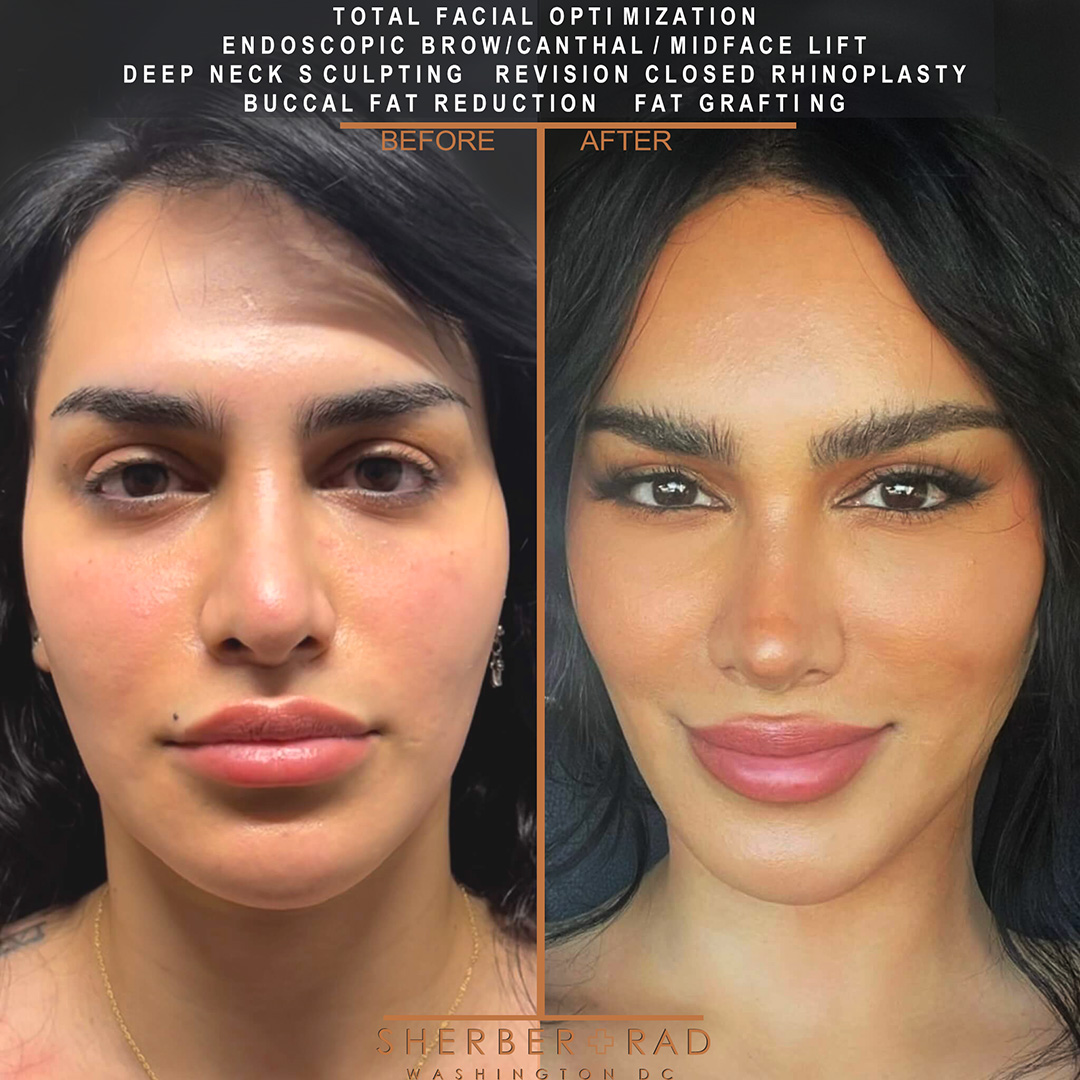
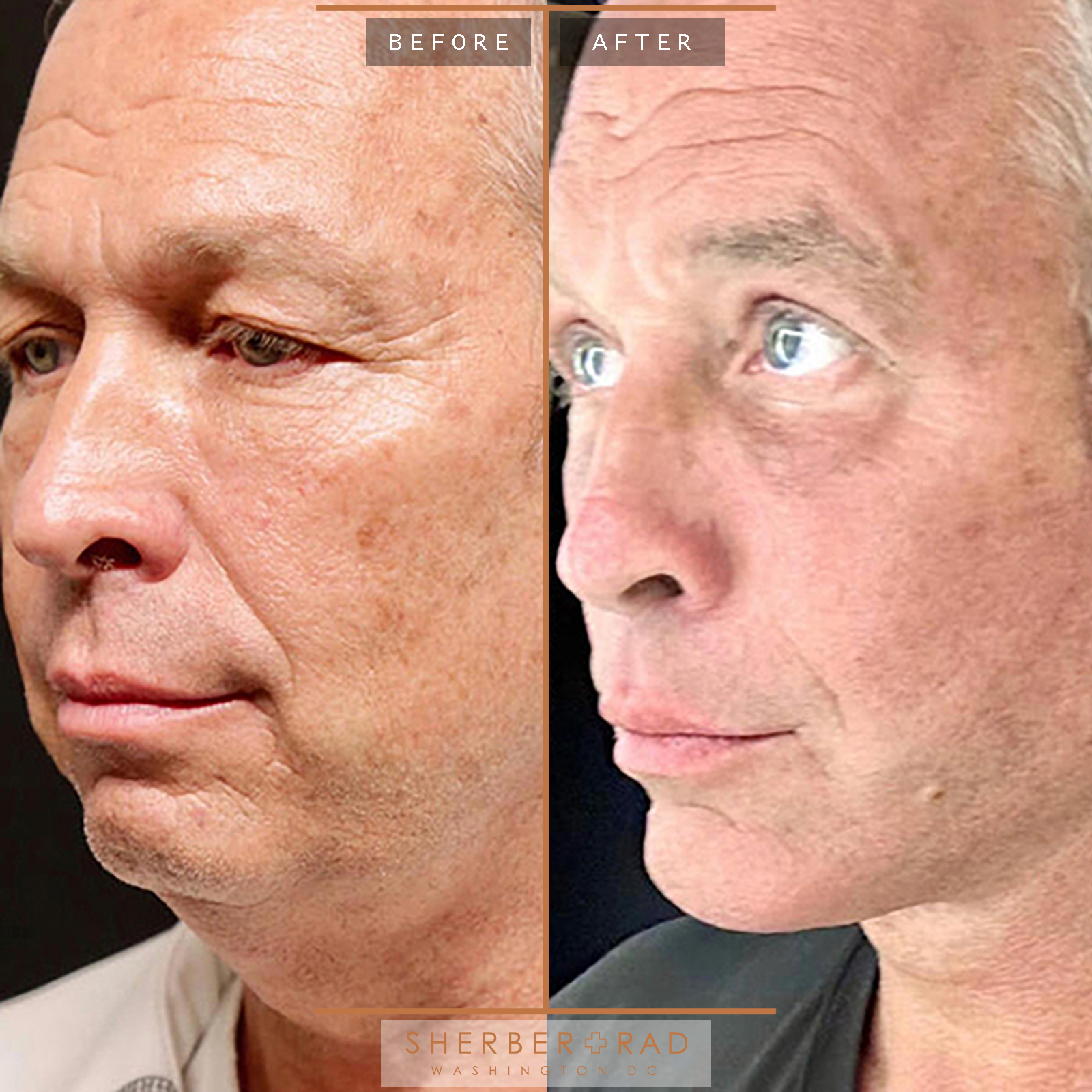
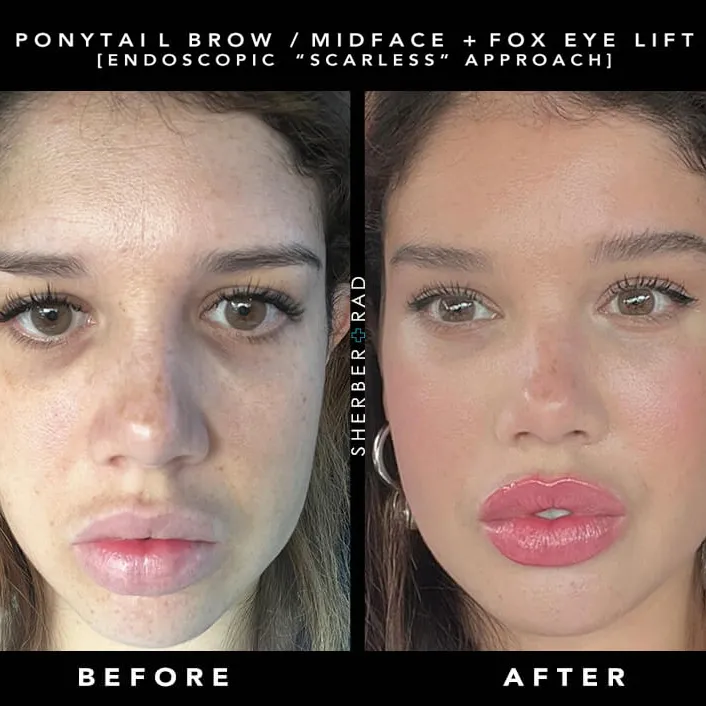
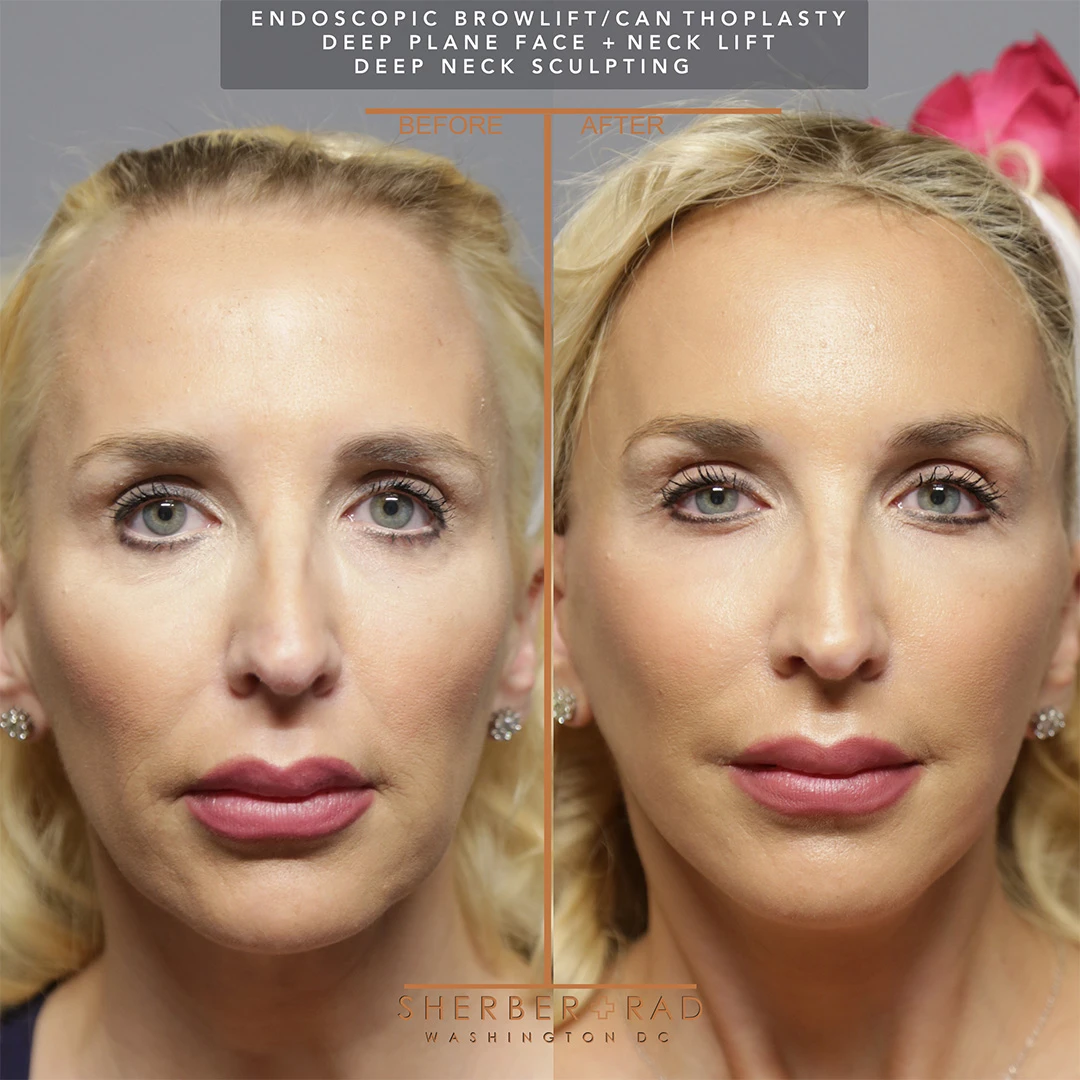
Real Patient ResultsGallery
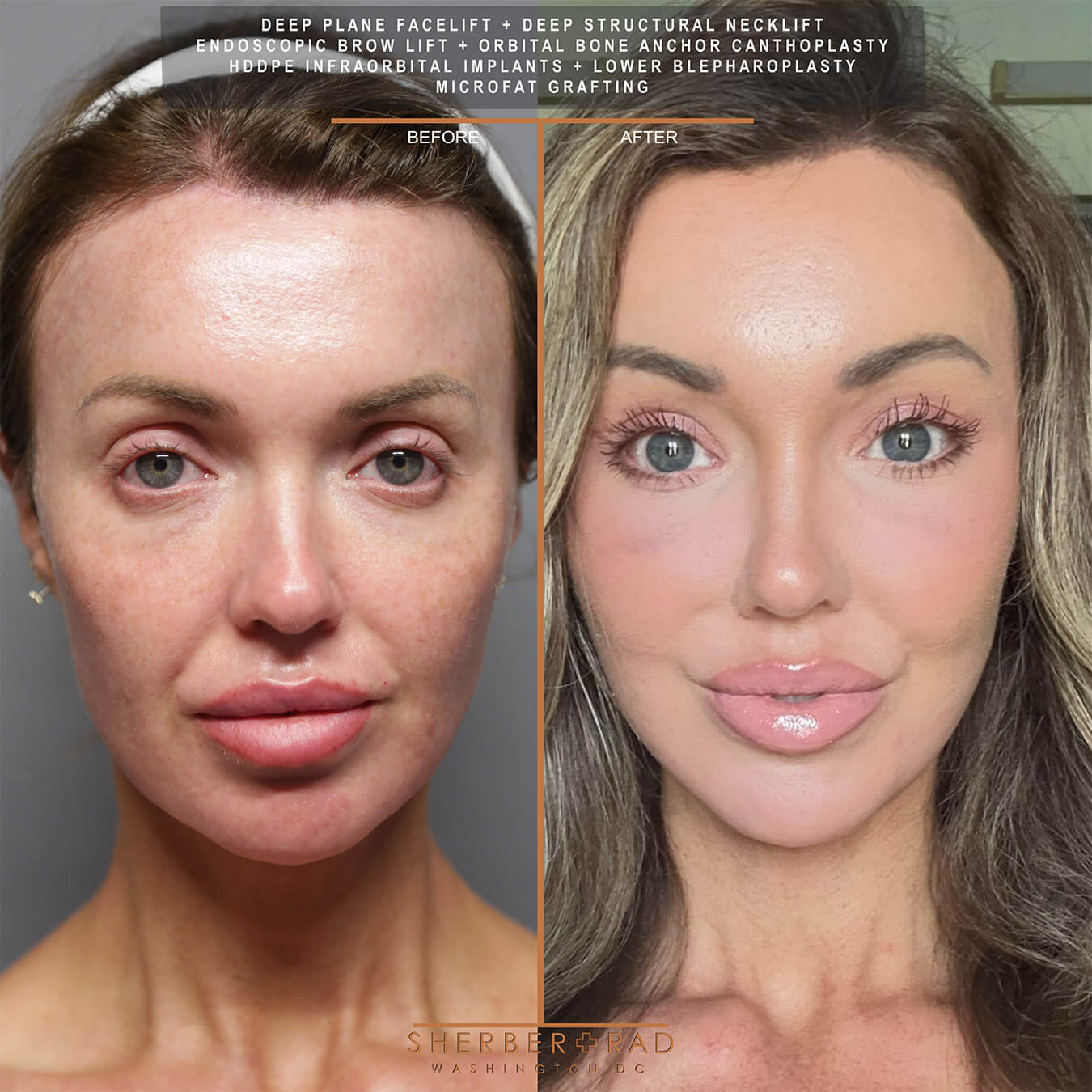
before
after
before
after
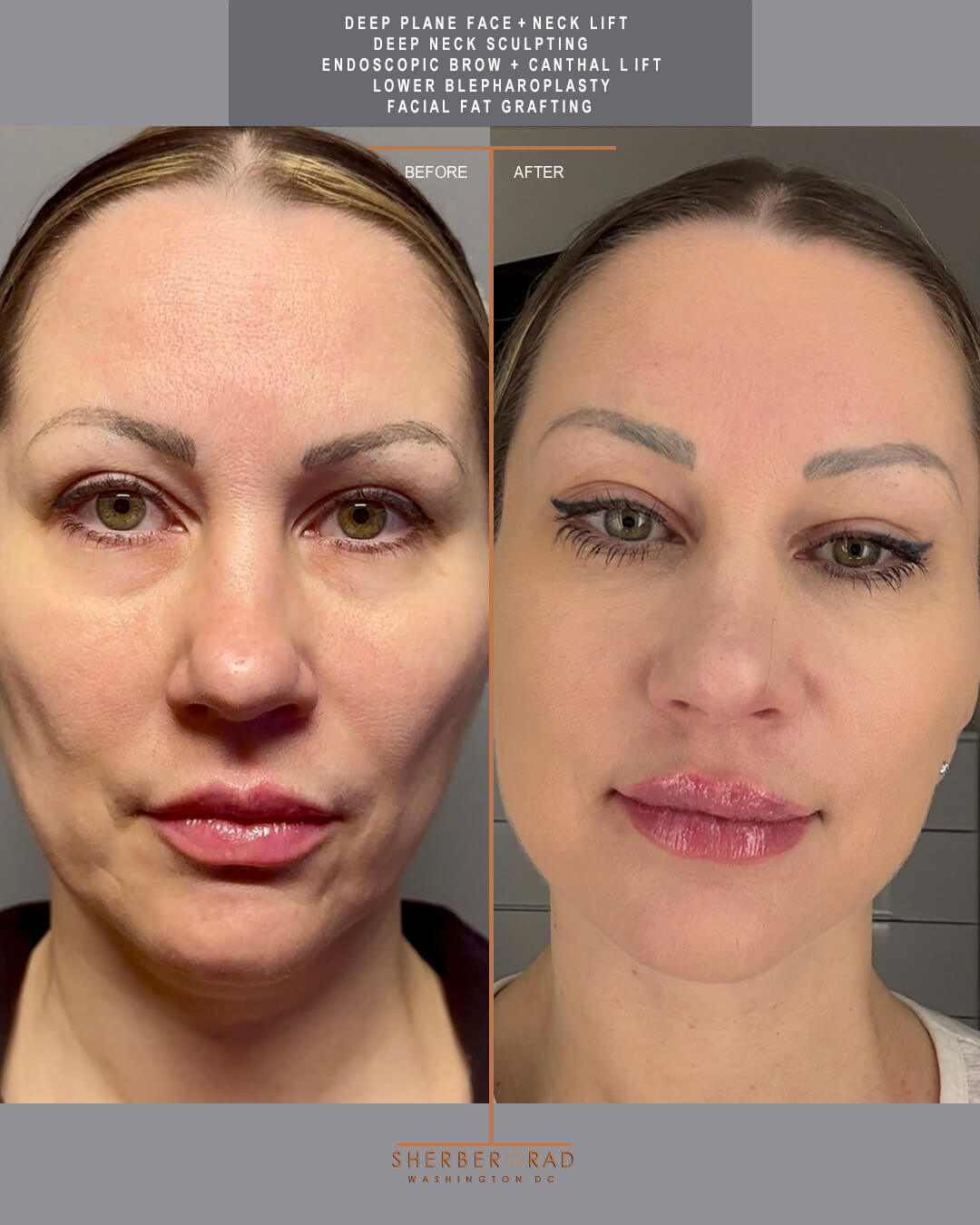
before
after
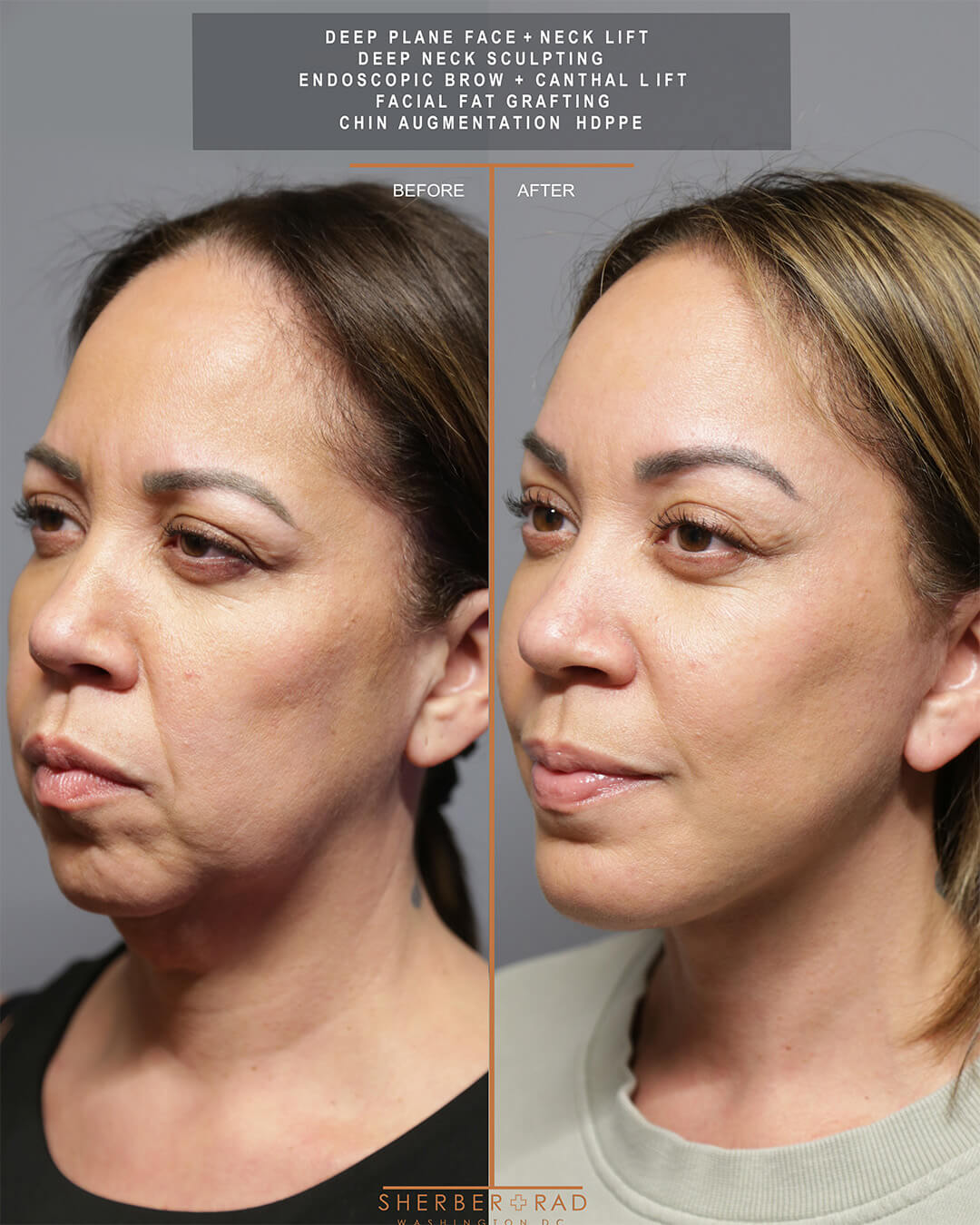
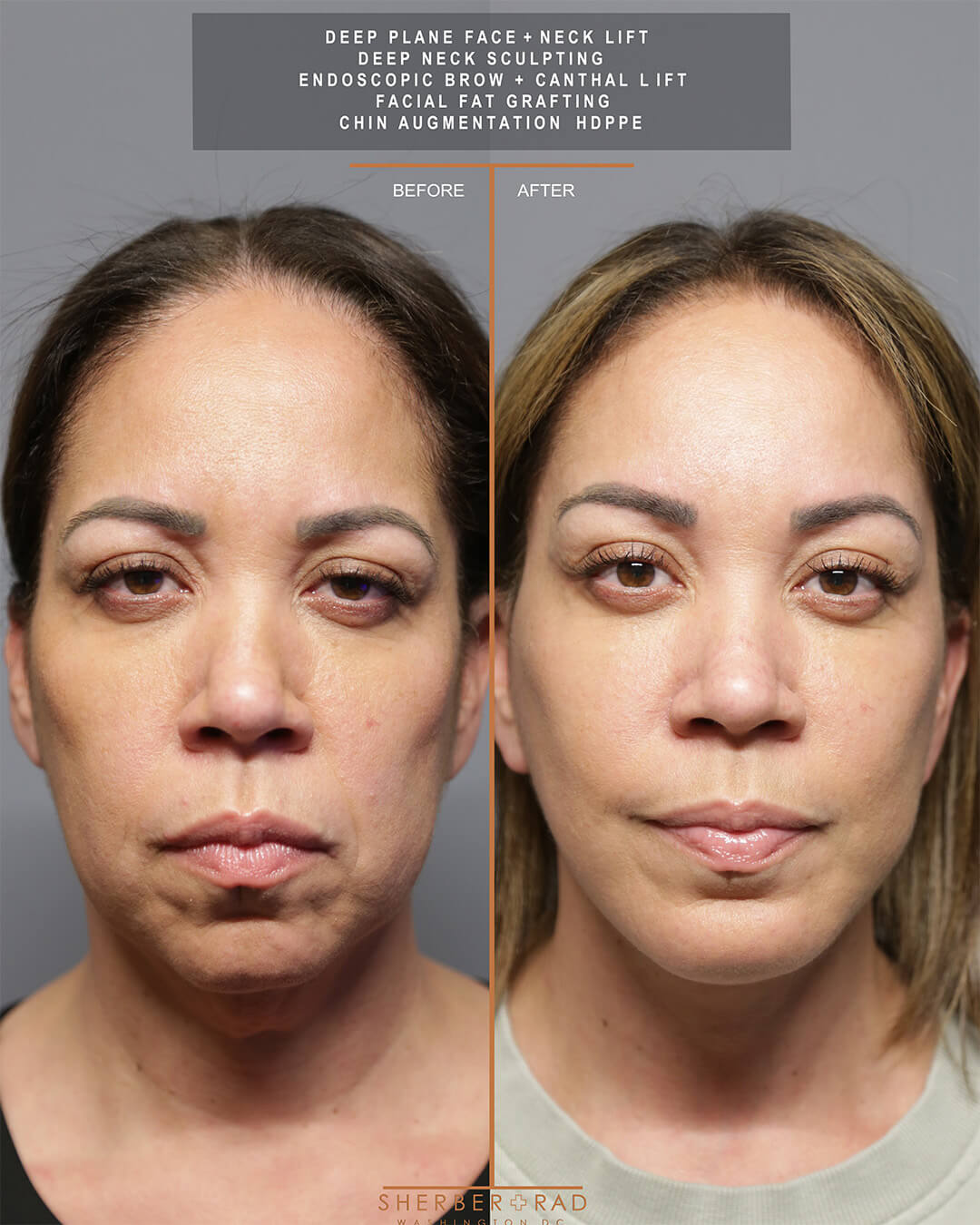
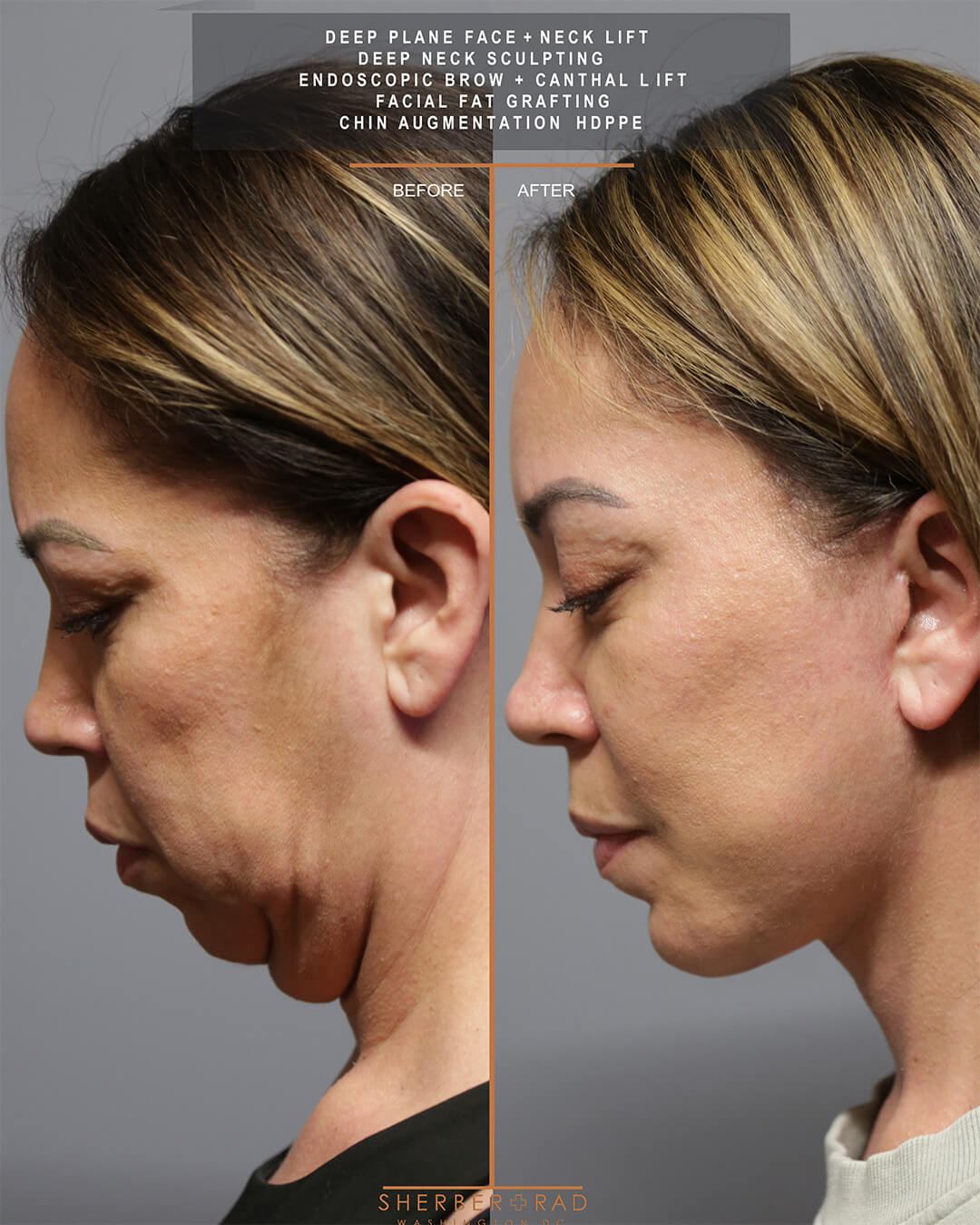
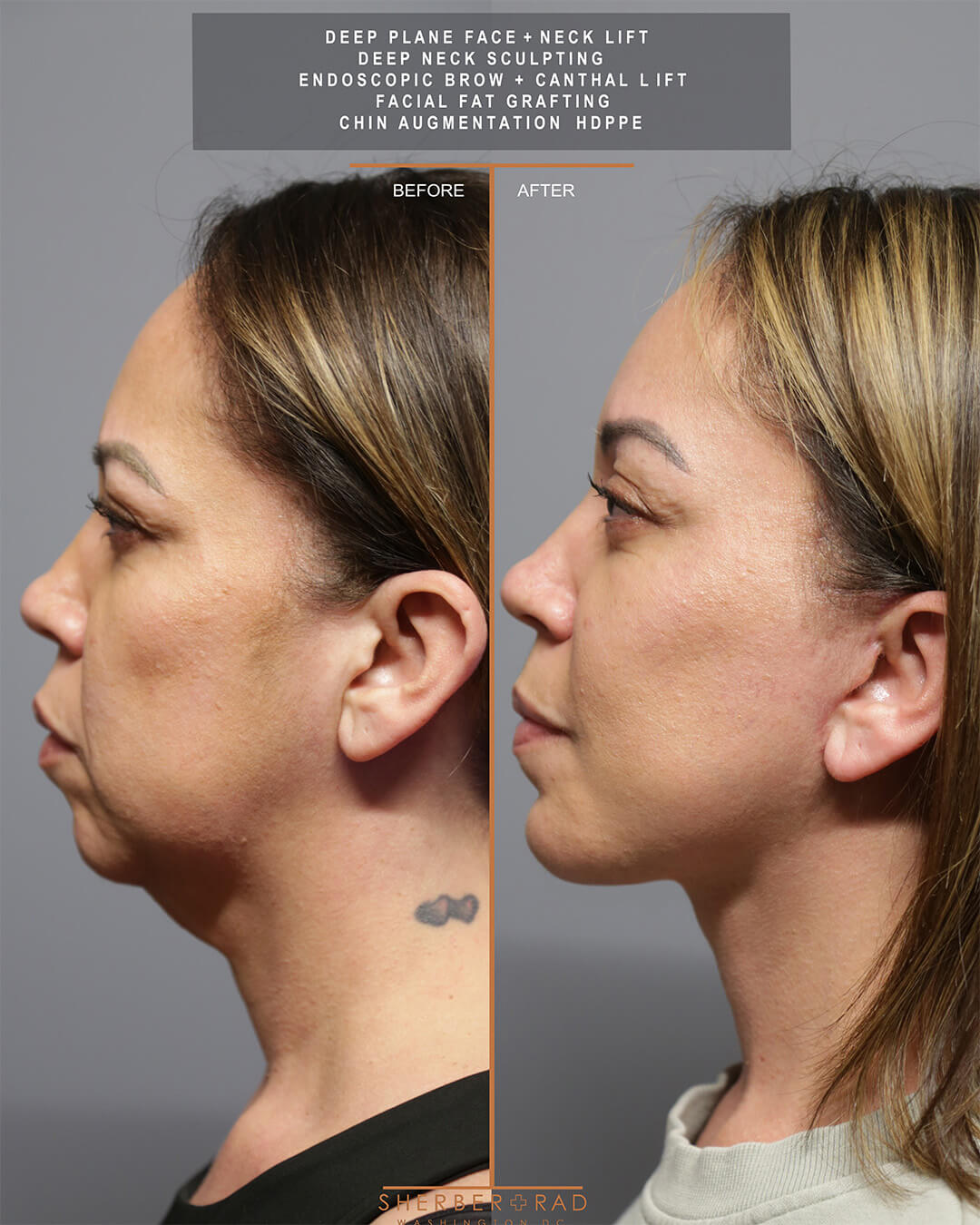
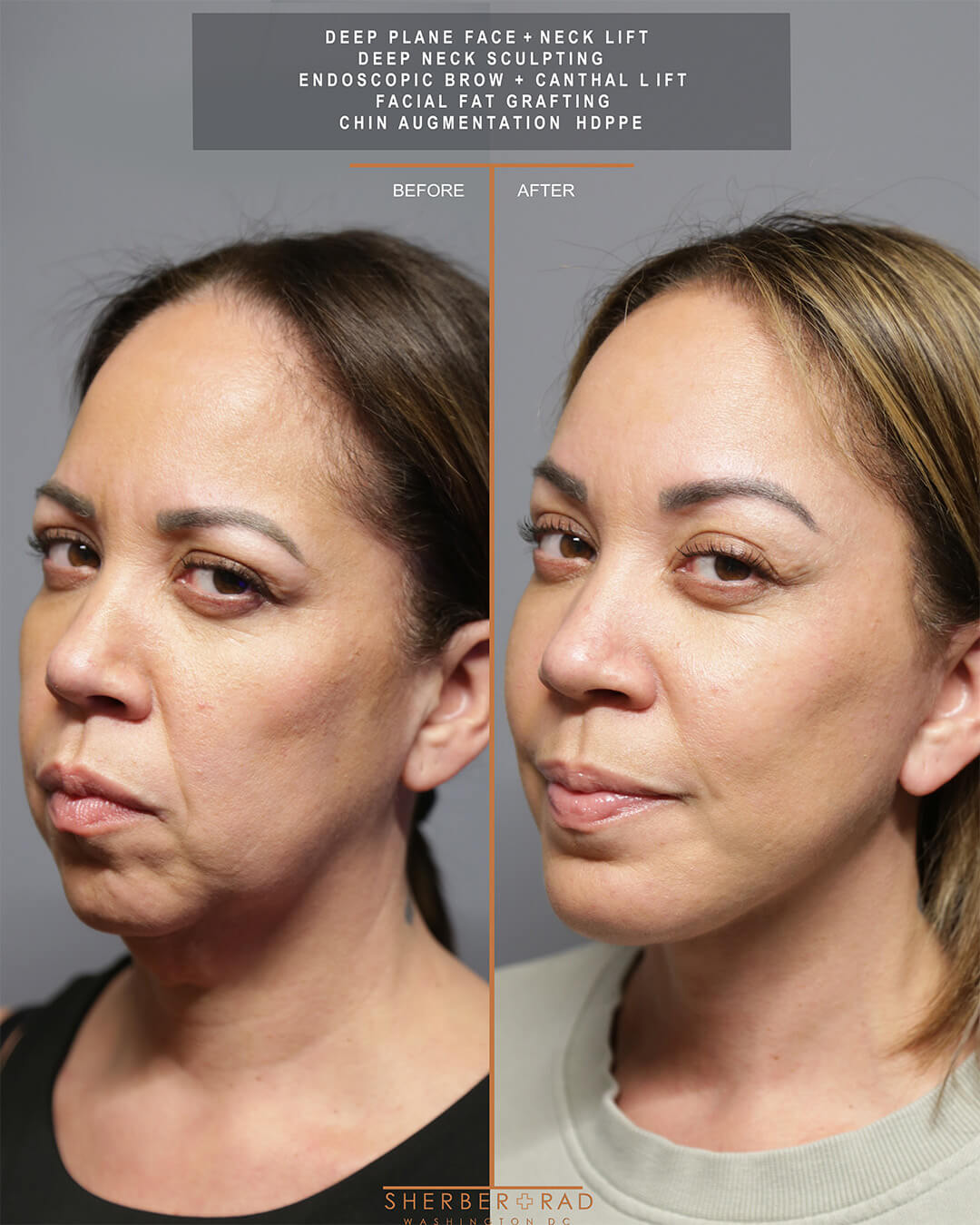
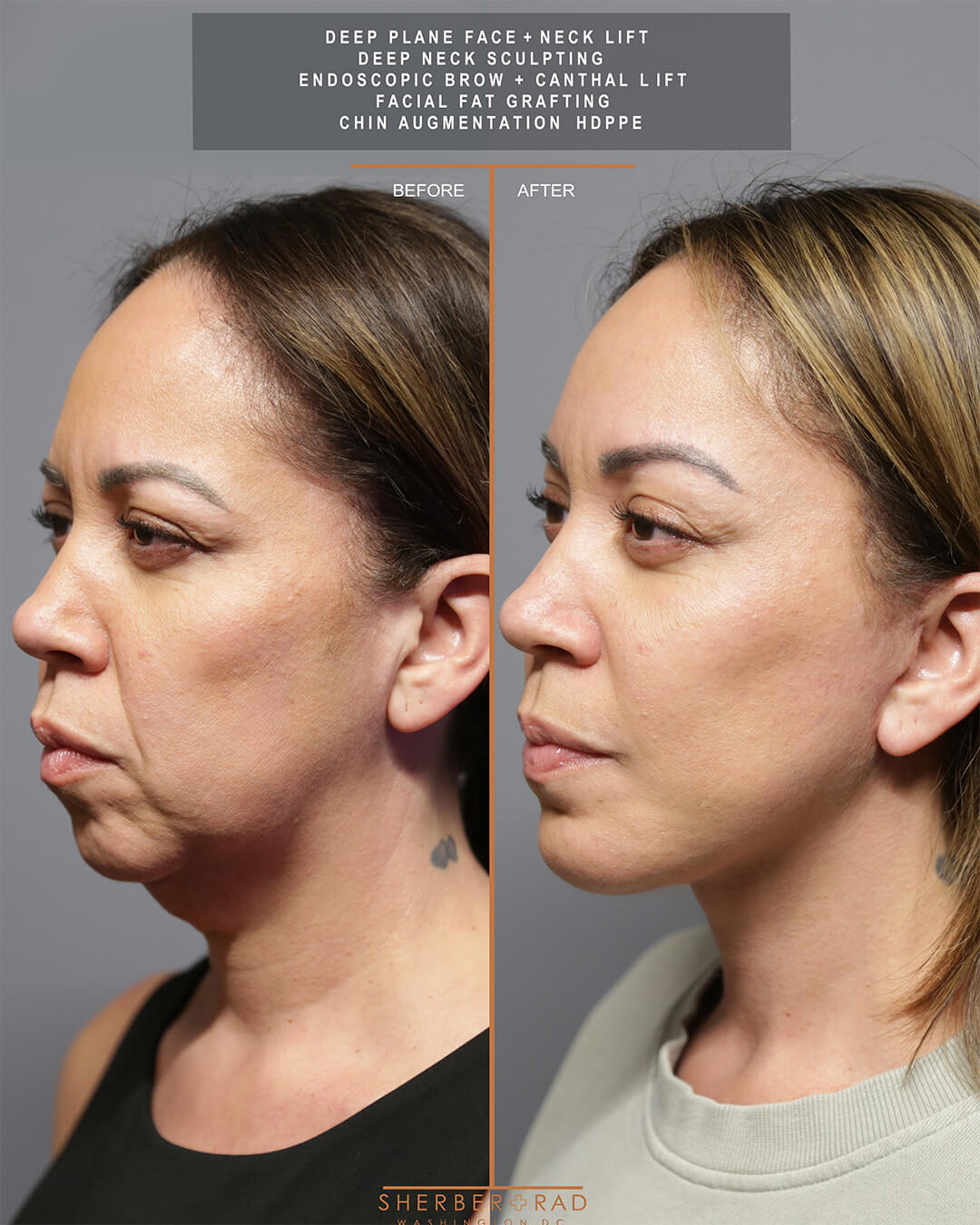
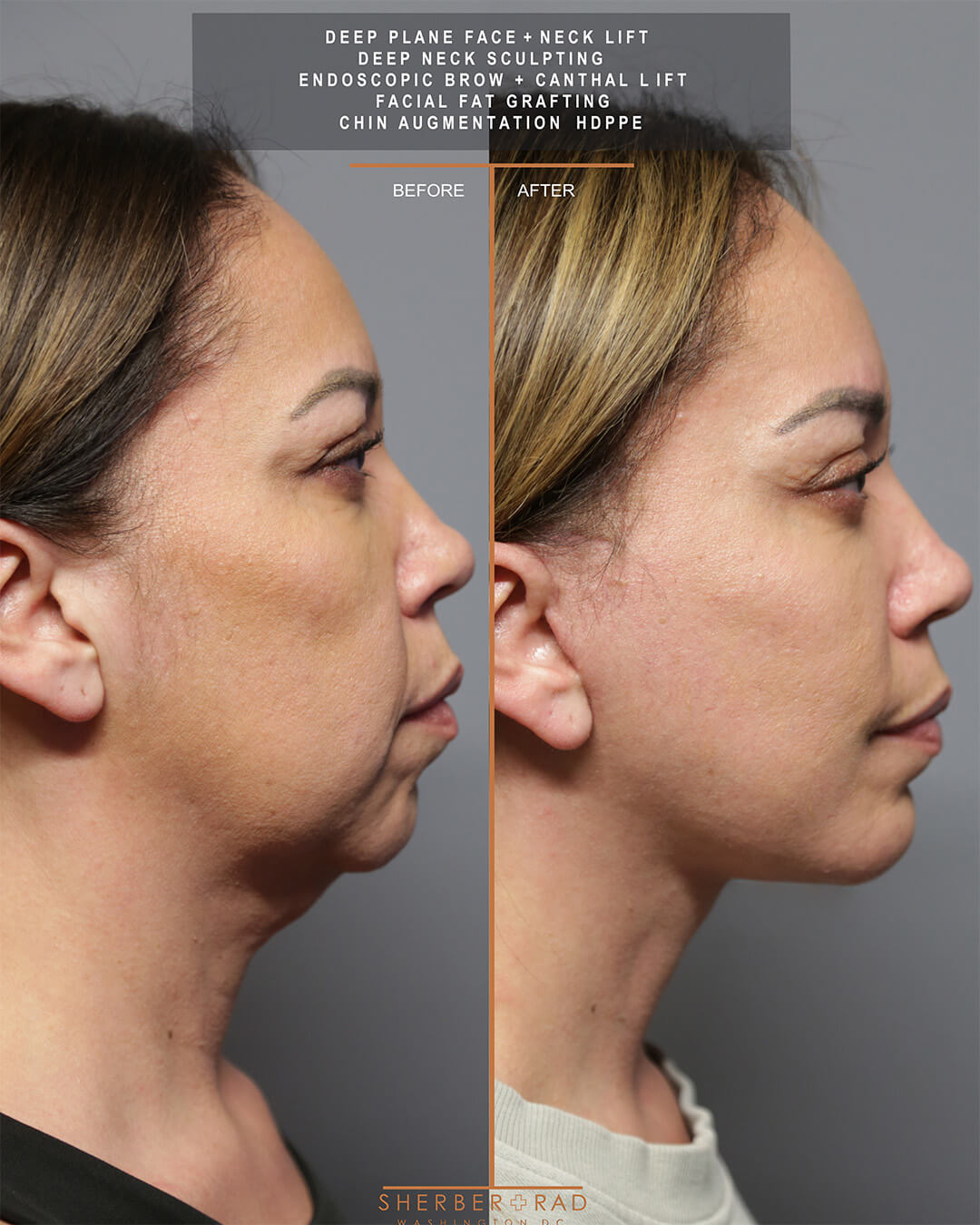
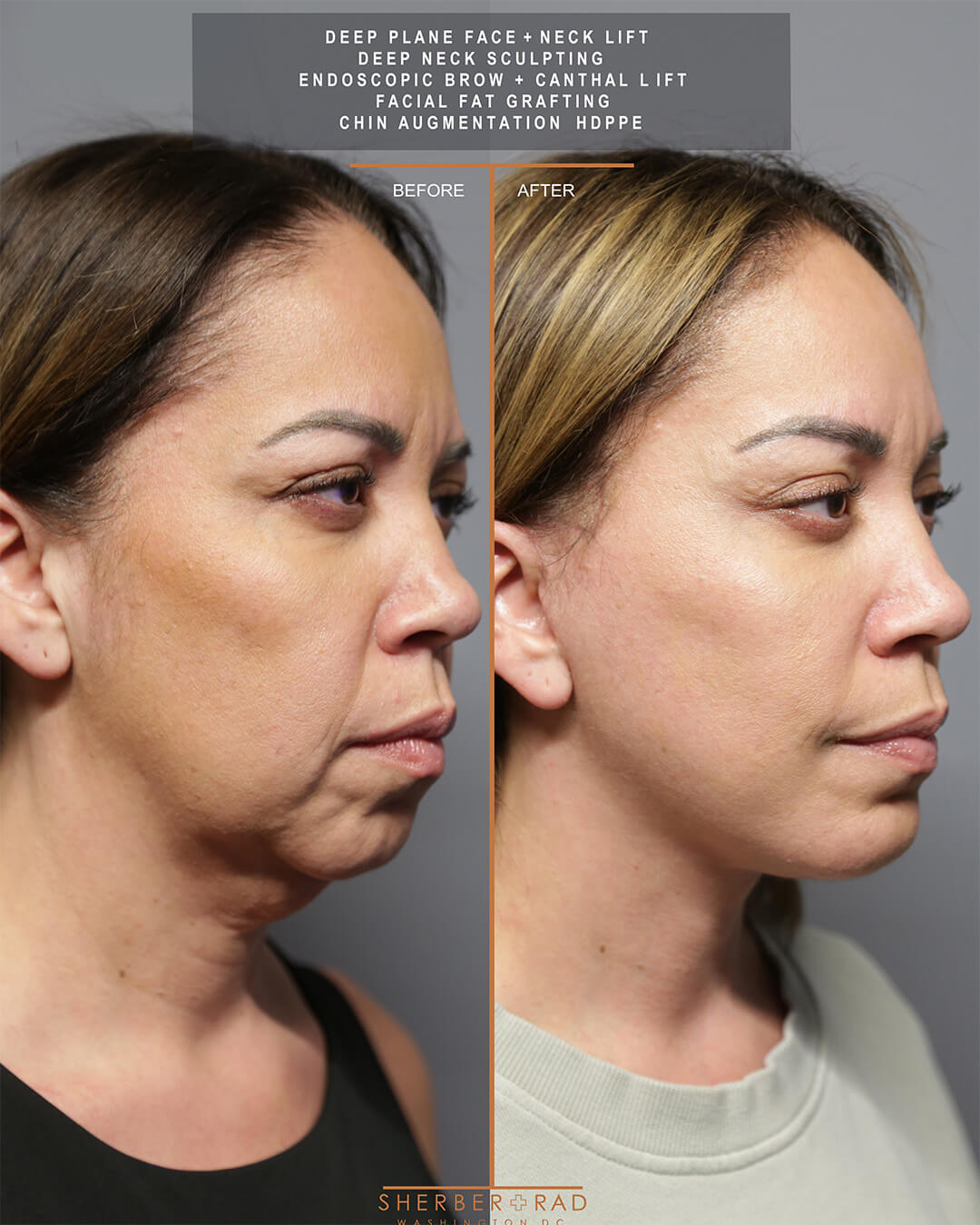
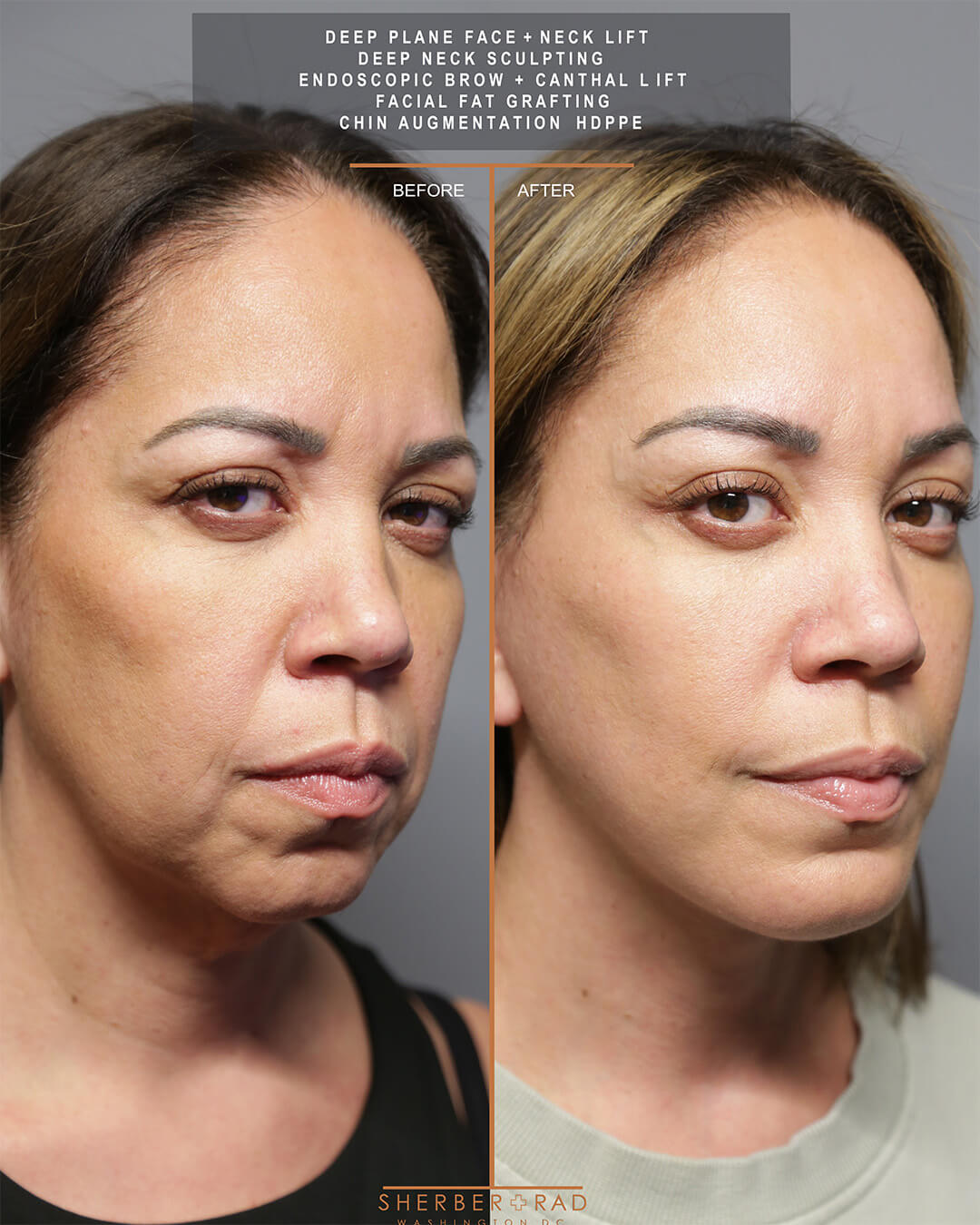
before
after


before
after
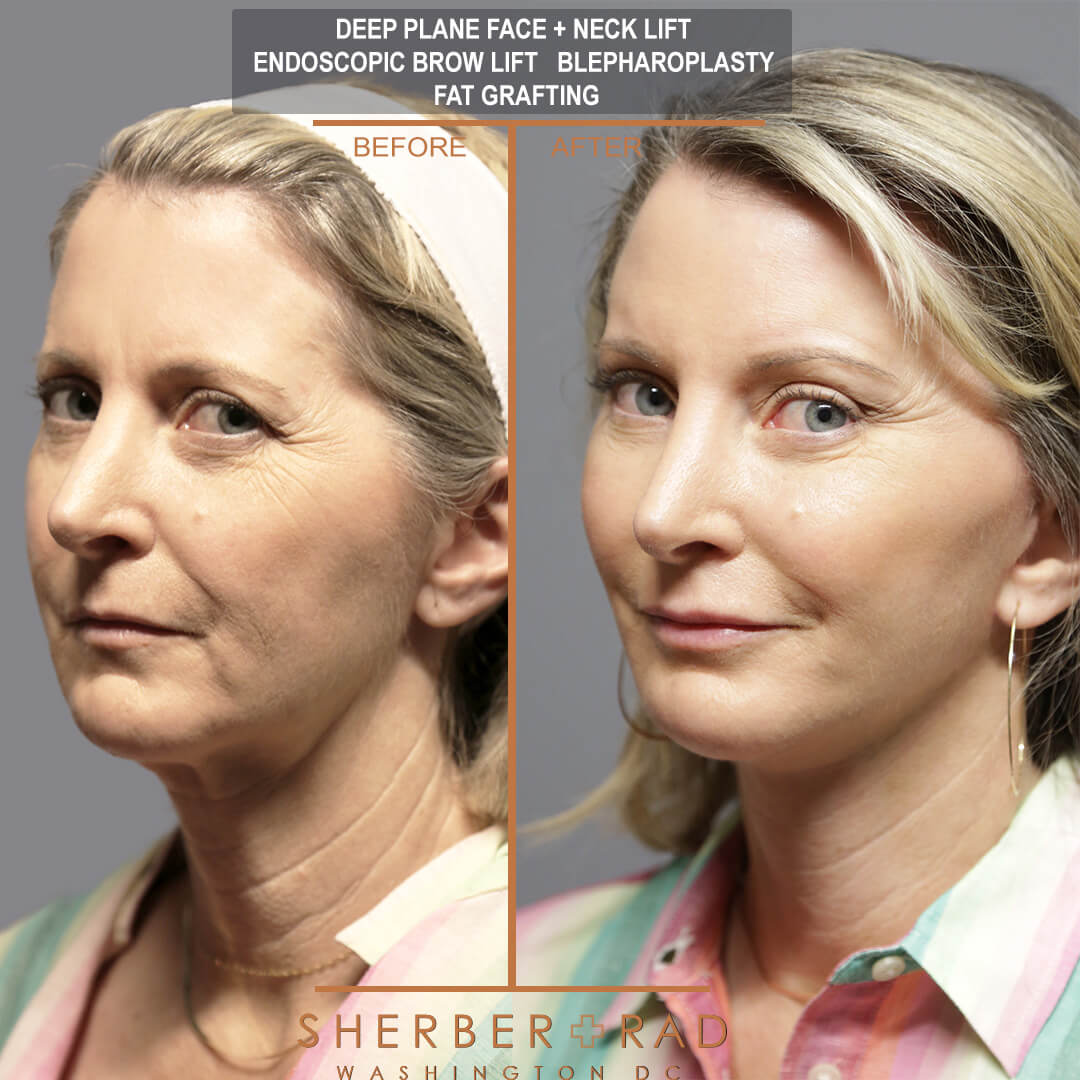
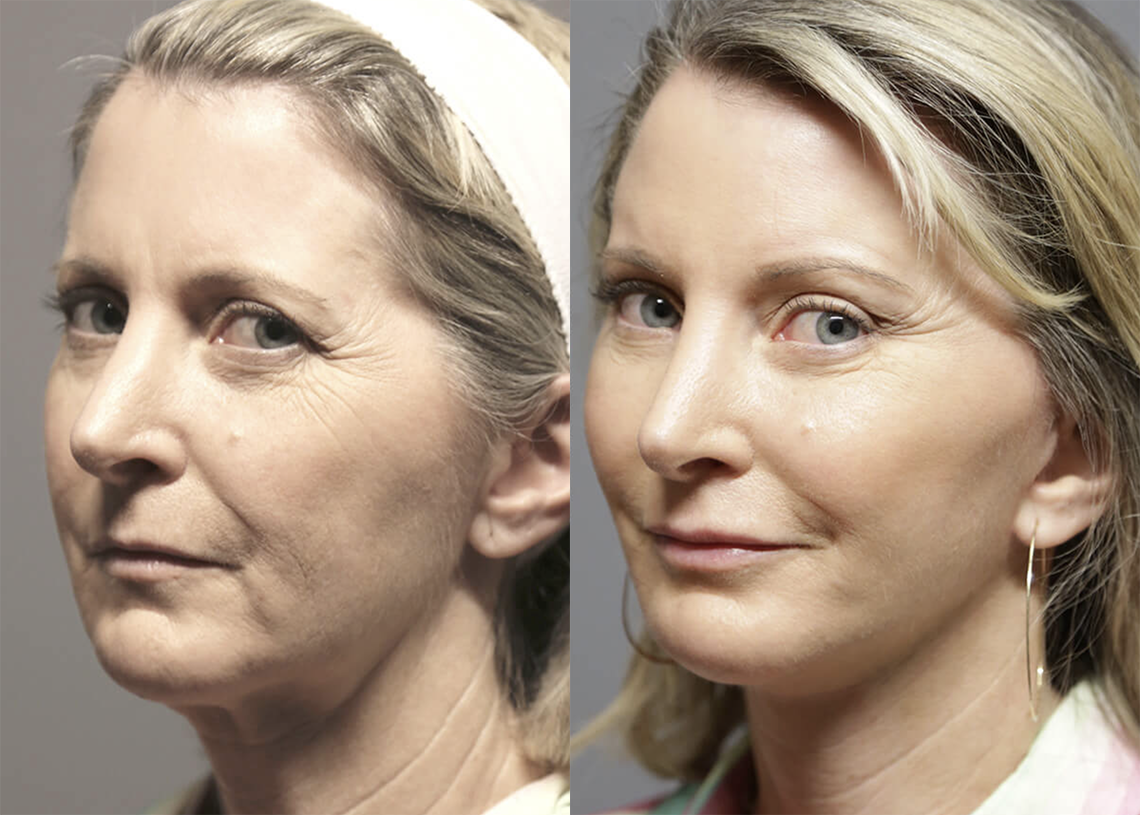
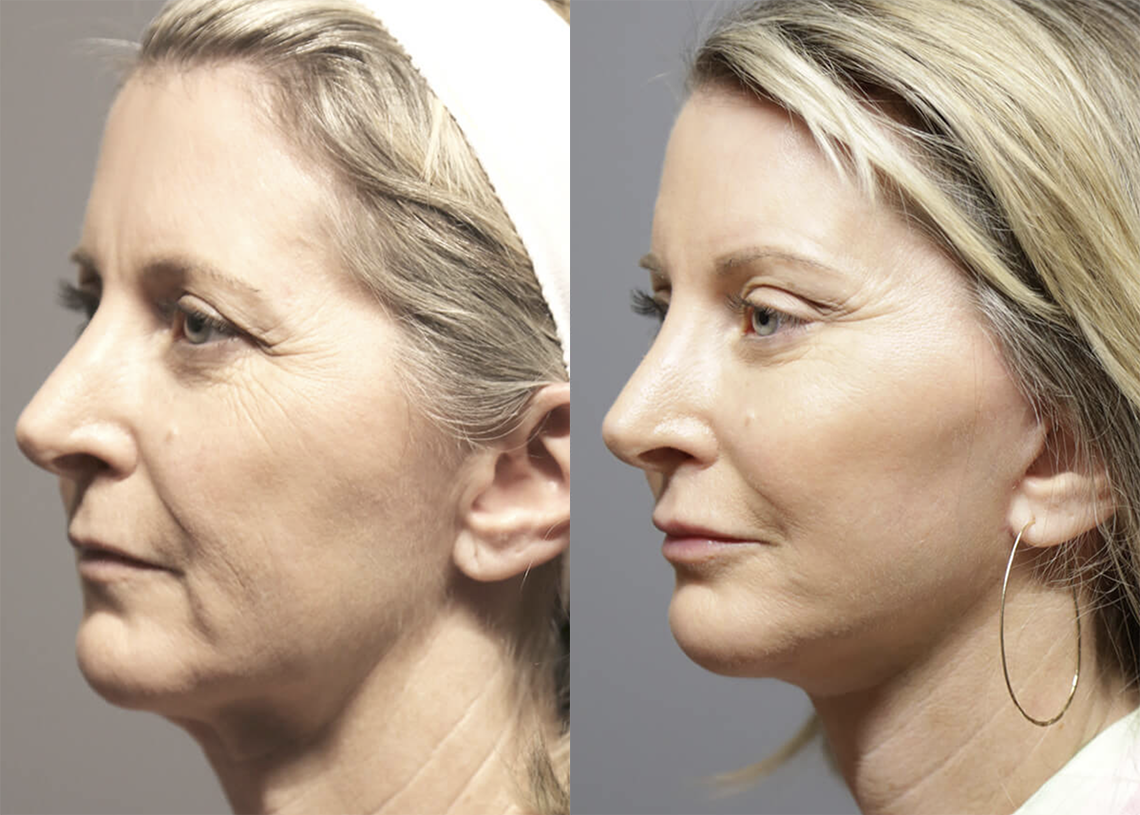
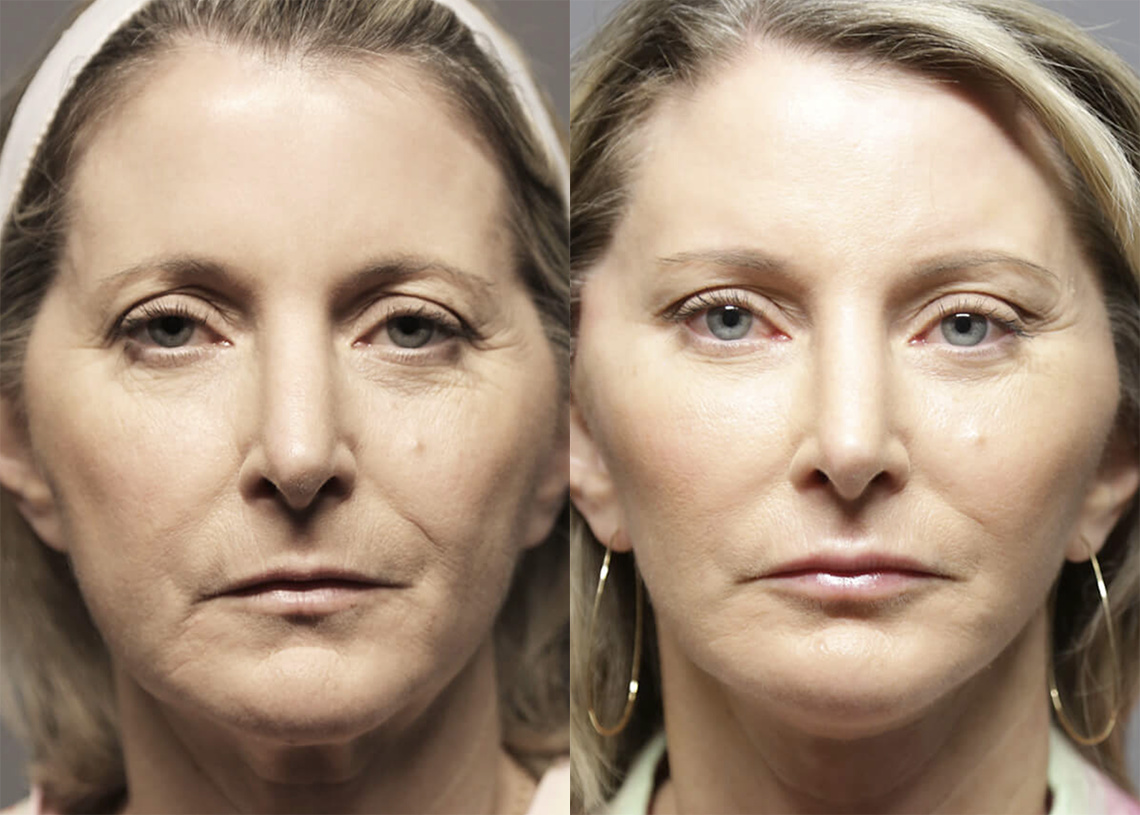
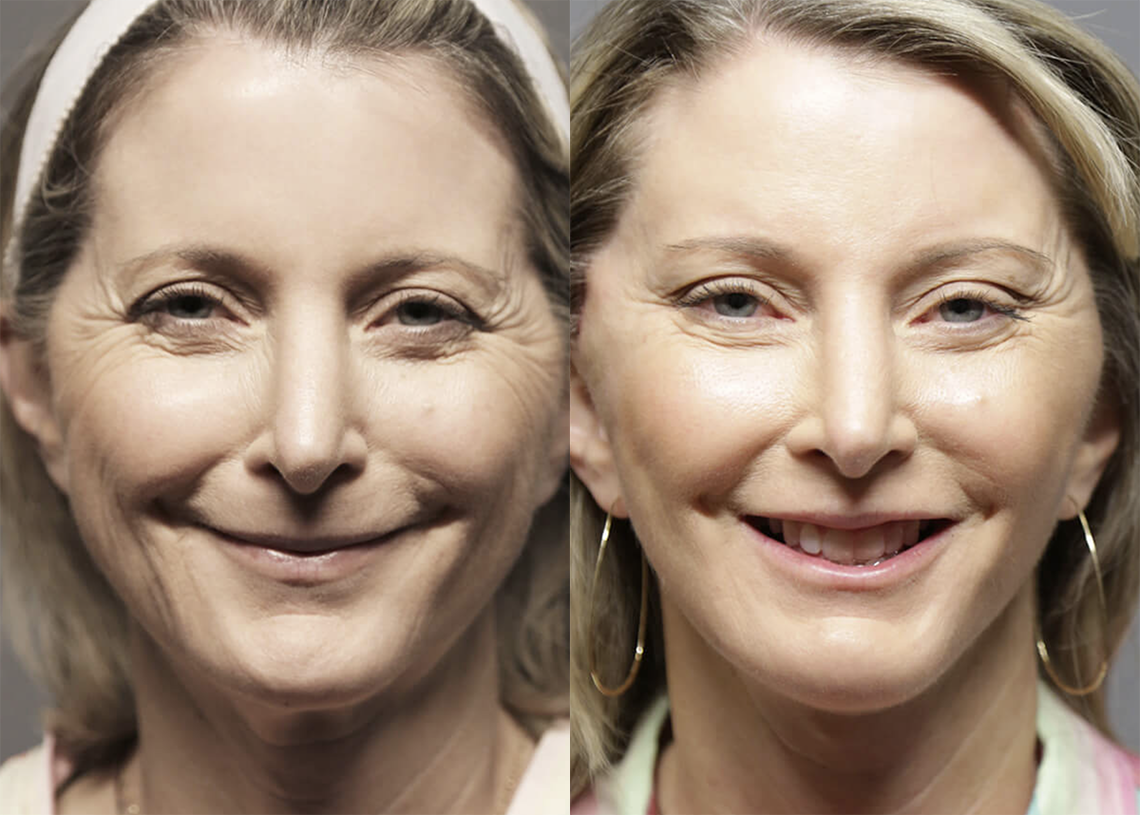
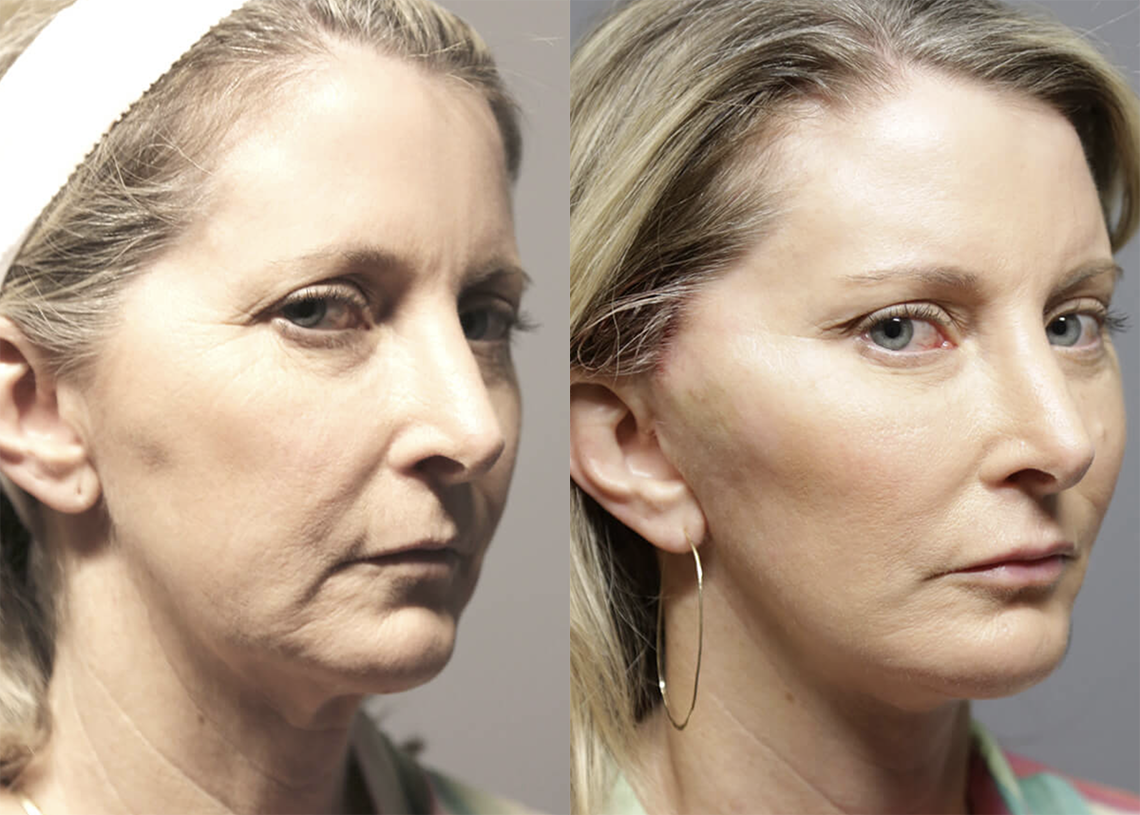
before
after
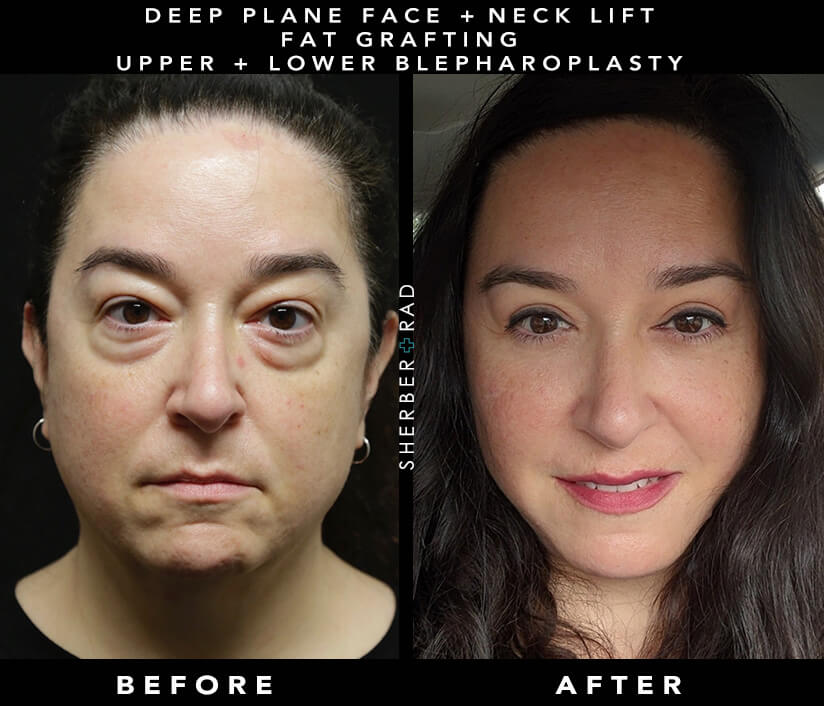
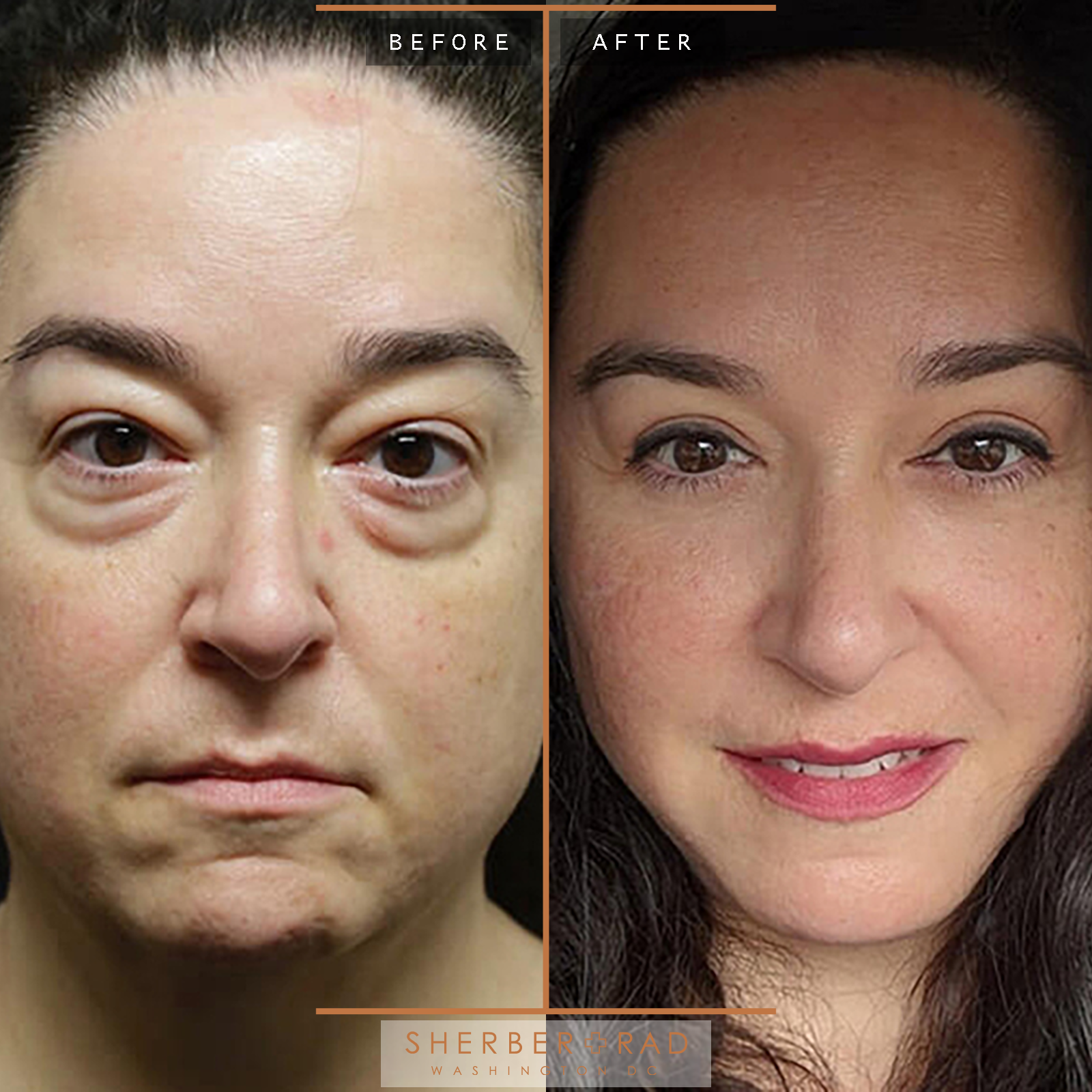
before
after
How is a SMAS Facelift Performed?
1. Evaluation: Dr. Rad reviews your past photos (10 years ago, in your 20s / 30s, etc.) to map how your face has aged. This photographic roadmap guides decisions about what to restore—volume, definition, contour.
2. Incision & Exposure: Discreet incisions are made around the ears (and sometimes the hairline), allowing access to both the skin and SMAS layer.
3. Lifting the SMAS: The SMAS is isolated, released from certain retaining ligaments so it can move more freely. This allows Dr. Rad to reposition deeper tissues in a more vertical vector—this is crucial to reverse the downward pull seen with aging rather than just pulling skin back.
4. Skin Re-draping: Skin is re-draped over the repositioned SMAS without excessive tension. Because the SMAS now supports much of the lifting, skin is not overstretched, reducing tight or unnatural appearance.
5. Complementary Adjustments: Depending on patient needs, this may include neck work (since the SMAS is continuous with neck musculature), fat grafting, eyelid or brow tweaks, to create overall harmony and silhouette.
6. Closure & Aftercare: Incisions closed carefully, drains if needed, dressings applied. Post-op care tailored to your anatomy, health, and goals.
Who is a Good Candidate for a SMAS Facelift?
Recovery from a SMAS Facelift
Cost of a SMAS Facelift
Risks of a SMAS Facelift
SMAS Facelift vs Deep Plane Facelift
| Feature | SMAS Facelift | Deep Plane Facelift |
|---|---|---|
| Depth of tissue lifted | SMAS layer (superficial muscular aponeurotic structure) | SMAS + releasing retaining ligaments + deeper soft tissue, often including ligaments, sometimes even attachments beneath SMAS |
| Freedom of repositioning | Moderate | Greater vertical lift, less tension on skin, more natural midface contour restoration |
| Recovery | Slightly less recovery time compared to full deep plane | Longer or more involved recovery; more extensive dissection |
| Best for | Moderate descent, earlier or moderate facial aging | Advanced aging, heavy jowls, significant midface descent, or patients seeking most dramatic yet natural result |
Dr. Rad evaluates you to determine which technique (SMAS, Deep Plane, or a hybrid) best matches your anatomy, goals, and desired balance of risk vs result.
What Makes Dr. Rad Different — His Expertise & Artistic Philosophy
Dr. Rad’s approach goes beyond simply lifting and tightening. Key differentiators:
- Holistic Aging Analysis: He studies how your face has changed over time—volume loss, skeletal changes, tissue descent—often using older photographs to guide surgical planning (“facelift couture”), so that results restore your inherent youthful architecture.
- Artistry & Natural Movement: Dr. Rad focuses not just on static beauty but how your face moves — smiles, speech, expression. His aim is to preserve fluid, natural expression, avoiding the “operated” look often caused by tension, improper vector of lift, or overcorrection.
- Anatomical Precision & Safety: Deep knowledge of facial anatomy ensures that SMAS layer lifting is done safely, preserving important structures, minimizing risk to facial nerves, ensuring optimal vascular supply and minimizing tension on skin.
- Personalization: Every surgery is customized—not a one-size-fits-all. The photographic roadmap, vector planning, patient’s unique aging pattern and desires are all central.
- Empathy & Patient Journey: Healing is not just physical; confidence and psychological wellbeing matter. Dr. Rad is invested in the patient’s journey from consultation through recovery, in providing support, setting realistic expectations, celebrating progress.
Why Choose Dr. Ariel Rad for Your Facelift in Washington, D.C.?
Dr. Rad is a world-renowned facelift surgeon known for combining the precision of a reconstructive surgeon with the artistry of an aesthetic expert. His training includes Princeton, Duke Medical School, and Johns Hopkins Hospital, where he is also Assistant Clinical Professor.
Patients choose Dr. Rad because he offers:
- Mastery of both SMAS and deep plane facelift techniques
- Natural, elegant results tailored to each patient’s unique features
- Leadership in surgical education and patient safety
- A reputation for refined artistry, where patients look refreshed—not operated on
SMASFacelift FAQs


How is an SMAS facelift different from a deep plane facelift?
An SMAS facelift tightens the muscular layer separately from the skin, while a deep plane lift repositions the entire tissue block by releasing deep ligaments. Dr. Rad will recommend the technique that best aligns with your specific degree of facial aging.
What is the best age for an SMAS facelift?
There is no "perfect" age, as the procedure is recommended based on visible signs of aging like jowling rather than a chronological number. Most candidates are in their 40s to 60s when skin laxity becomes more pronounced.
Will I look like I’ve had "work done"?
No, the SMAS technique avoids a "pulled" appearance by lifting the underlying muscle foundation instead of putting tension on the skin. This ensures your results look soft, refreshed, and entirely natural.
How long do the results of an SMAS facelift last?
Because the structural scaffolding of the face is surgically repositioned, results typically last between 10 and 15 years. While you will continue to age naturally, you will maintain a more youthful baseline than without surgery.
Can I combine an SMAS facelift with other procedures?
Yes, it is common to combine this lift with a neck lift, eyelid surgery, or fat grafting to achieve total facial harmony. This multi-modality approach addresses aging across the entire face for a more seamless result.
Contact us today to schedule a private consultation. Bring along older photographs — from 10 years ago and early adulthood — so we can begin your personalized roadmap.
Testimonials

Next Steps
PLAN YOUR VISIT
Related Procedures
Deep Plane Facelift
Endoscopic “Ponytail” Facelift
Vertical Mid Facelift
Revision Facelift
Facelift under 50
Male Facelift
Ethnic Facelift
Short Scar Facelift (In-Office)