
In-Office Short Scar Facelift Washington, DC in Washington, DC
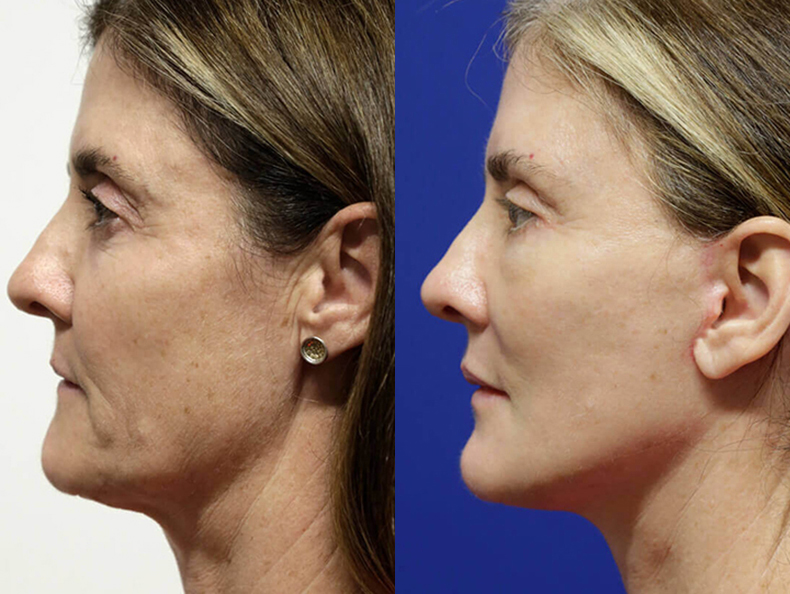
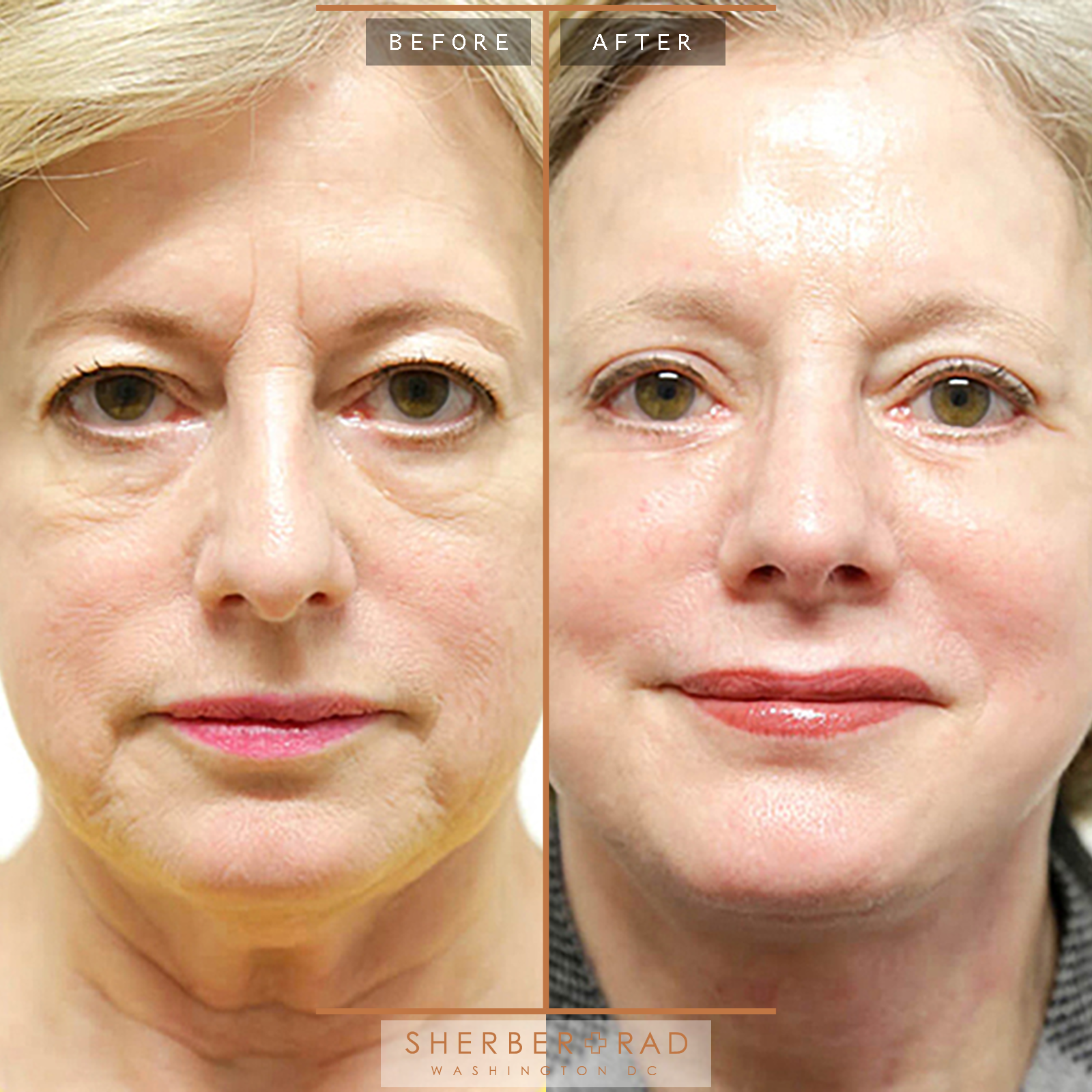
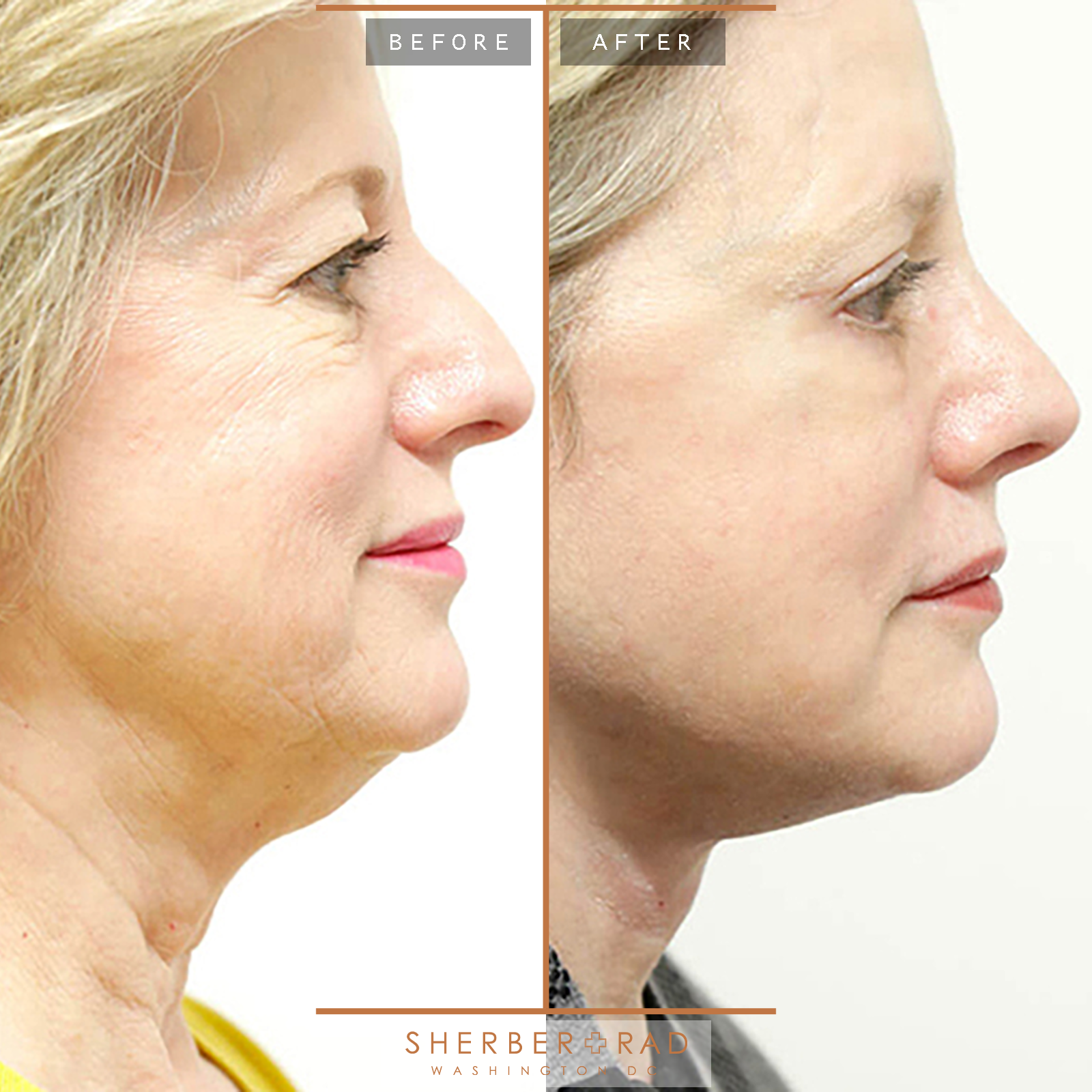
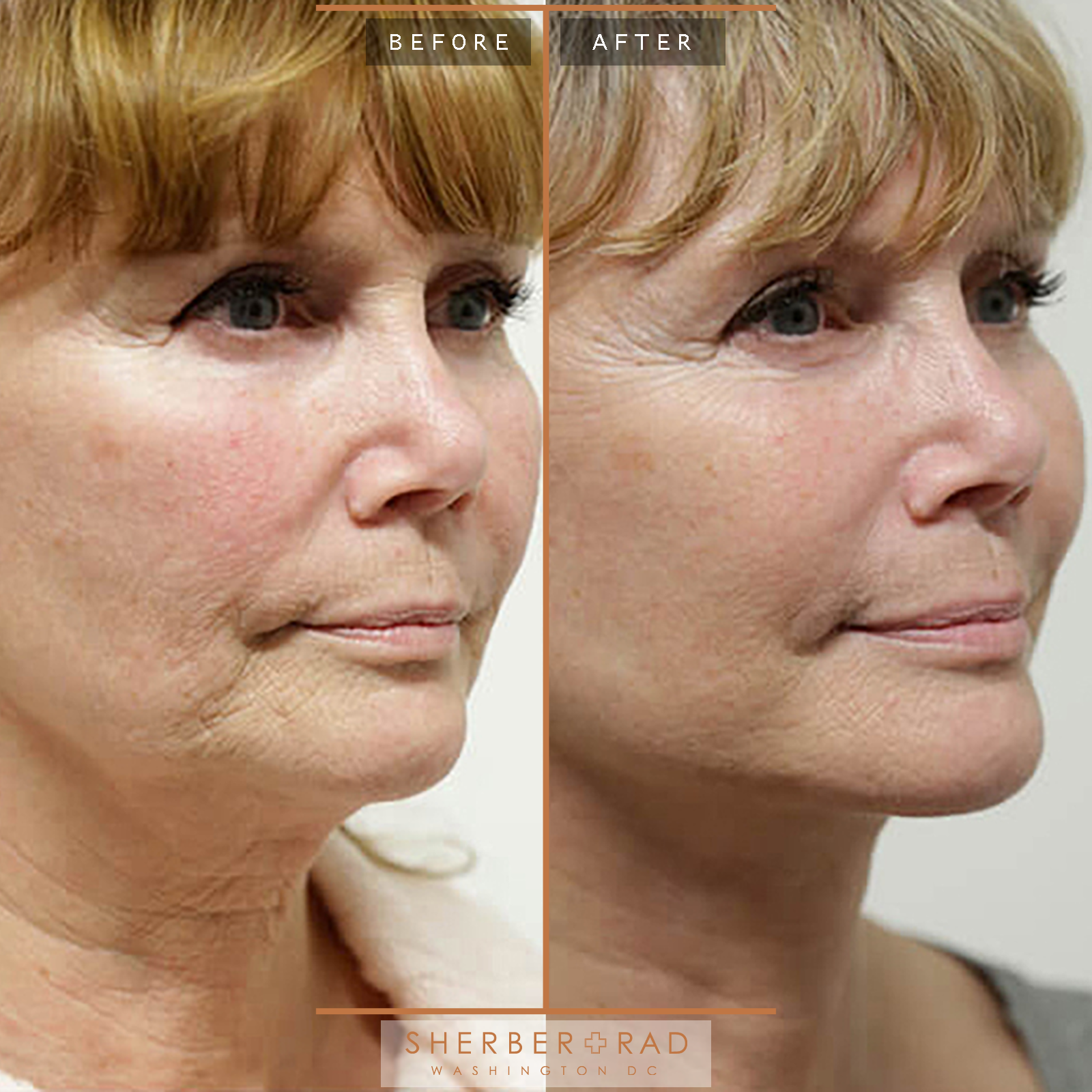
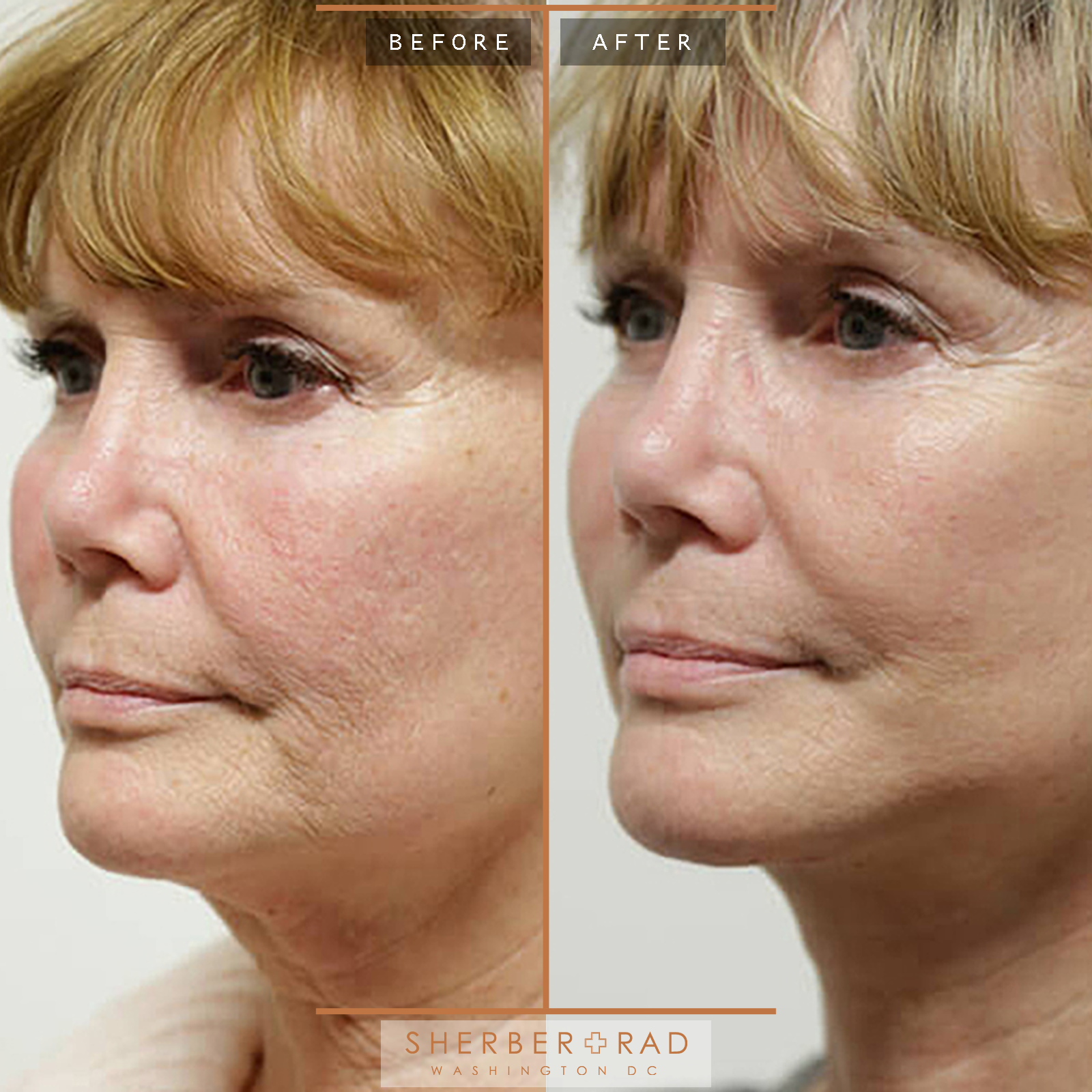
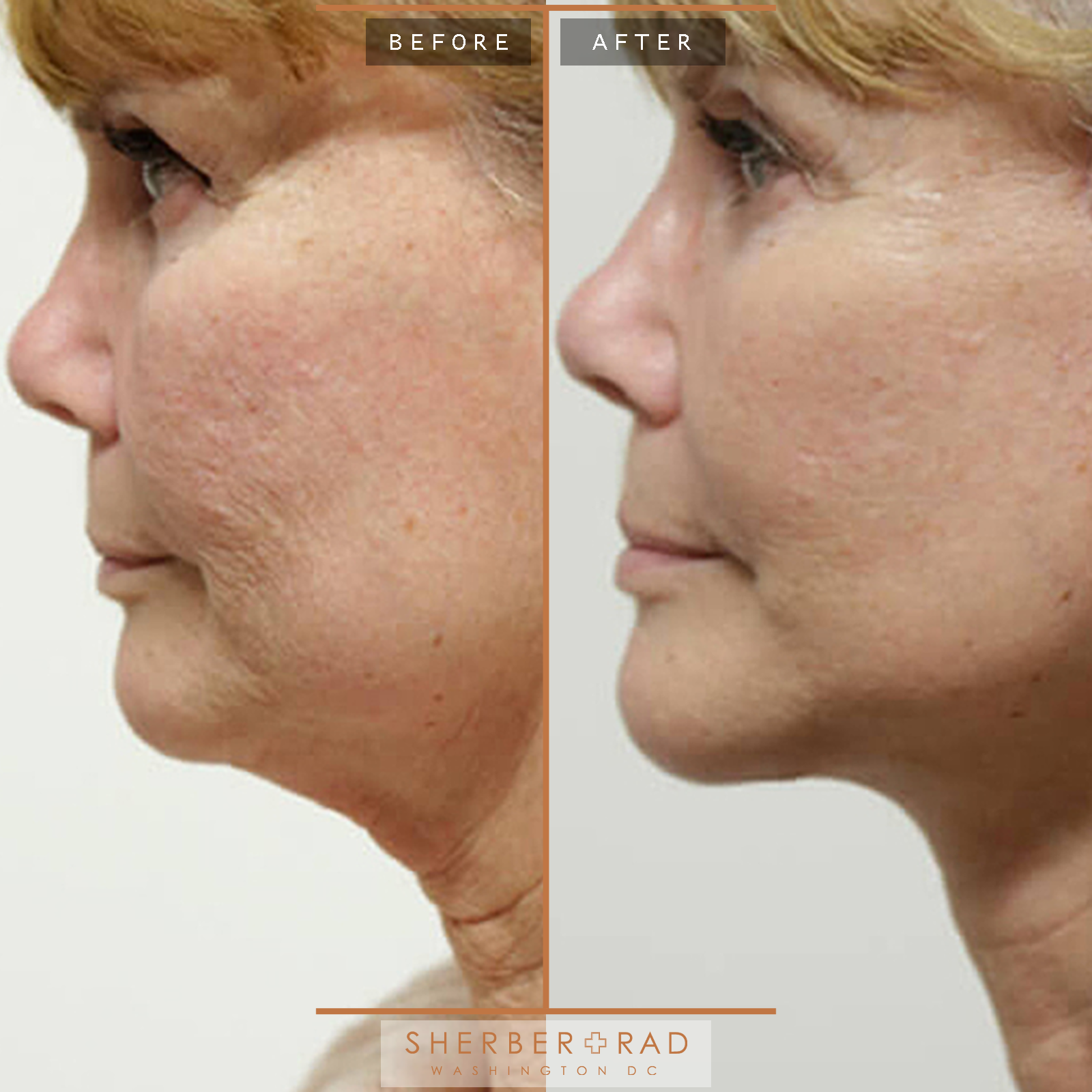
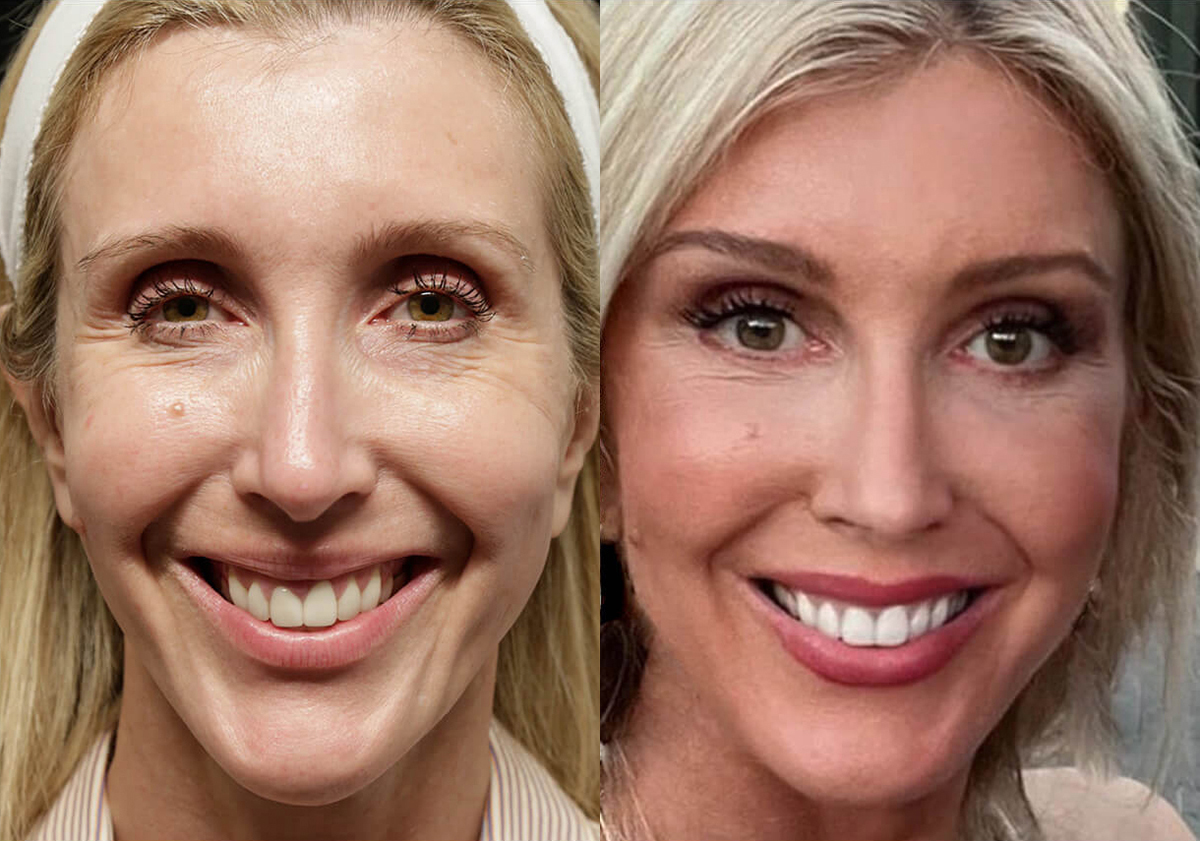
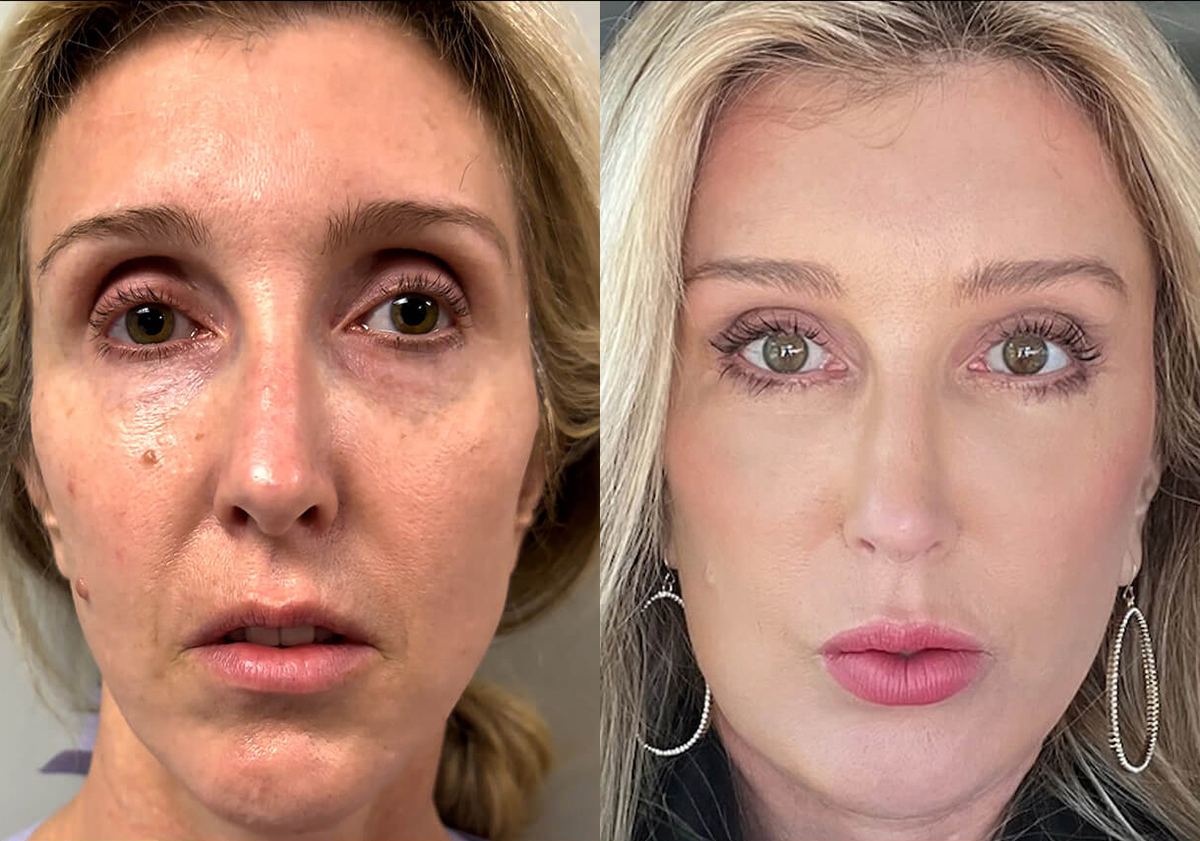
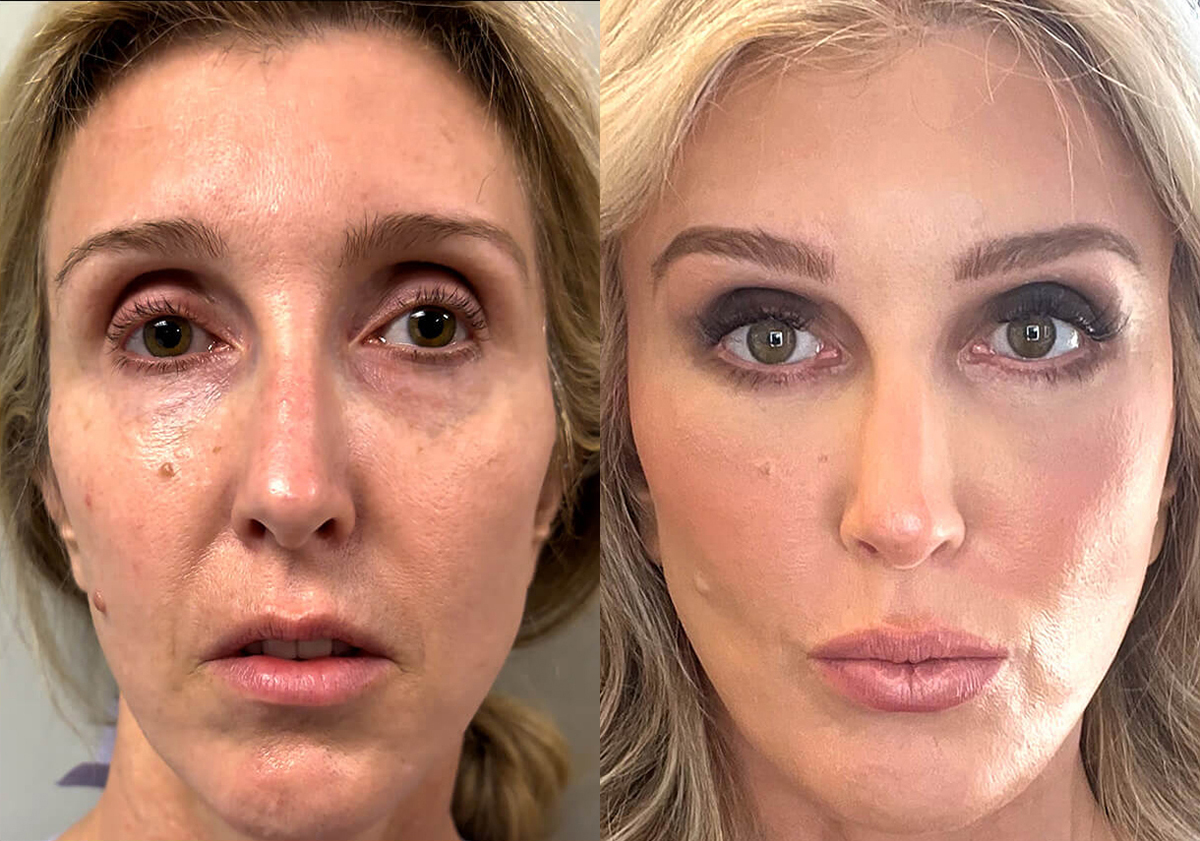
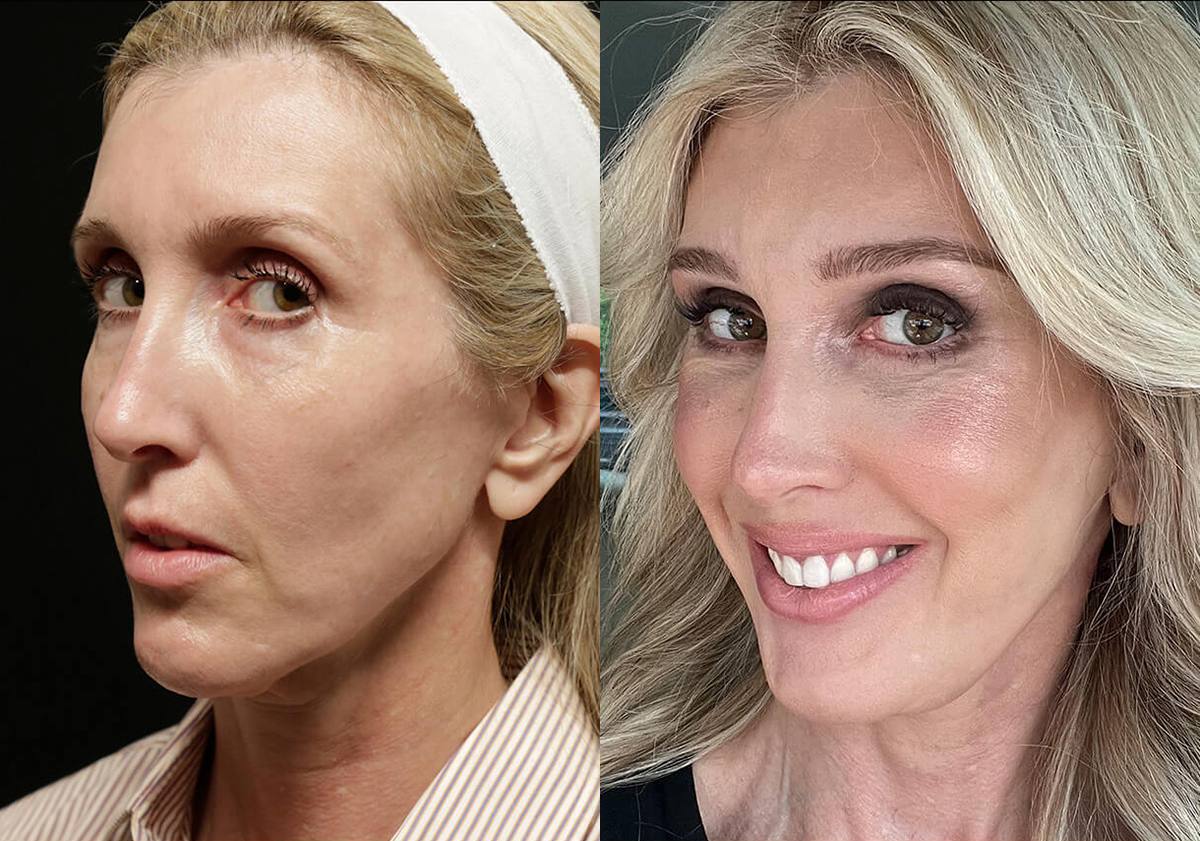
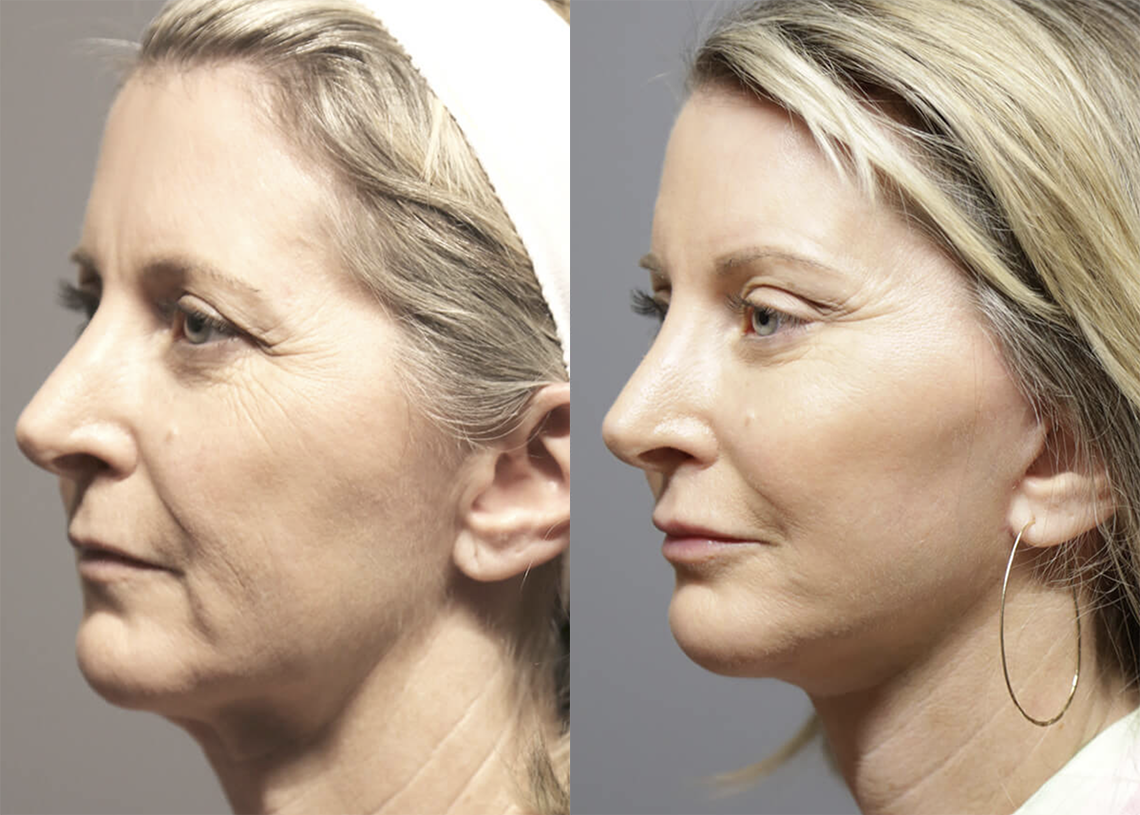
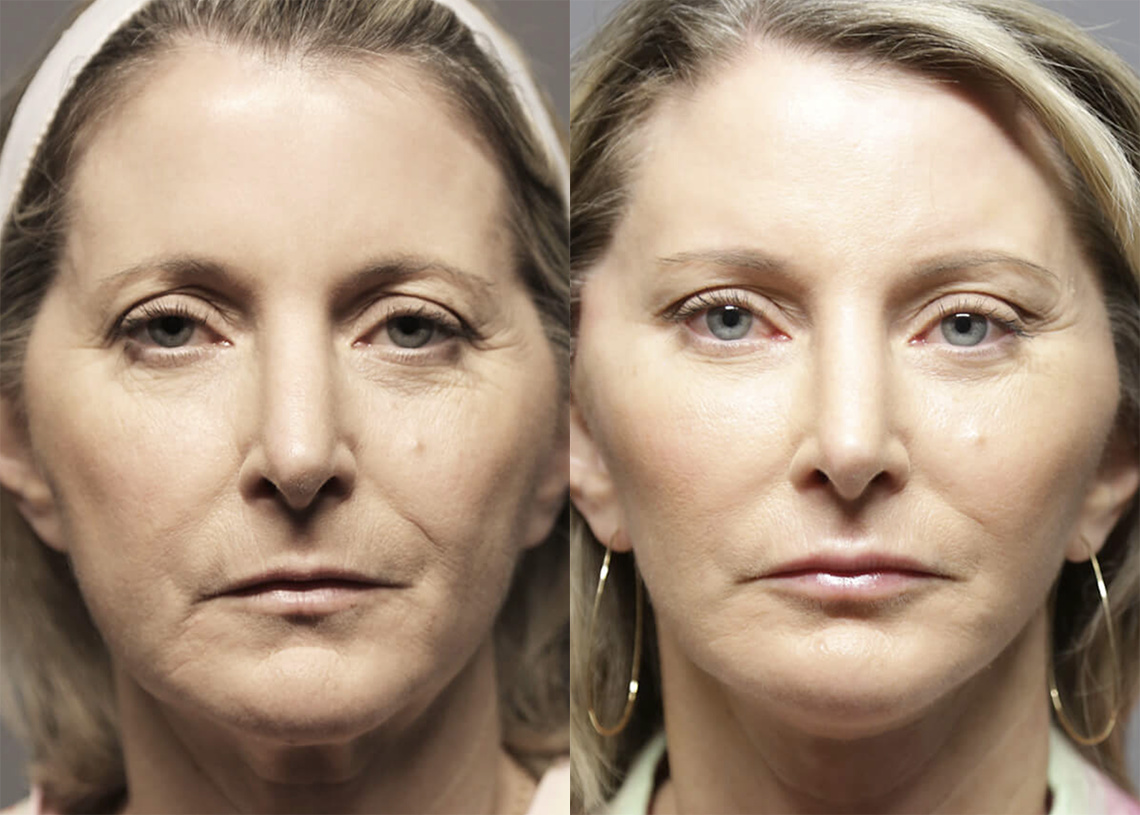
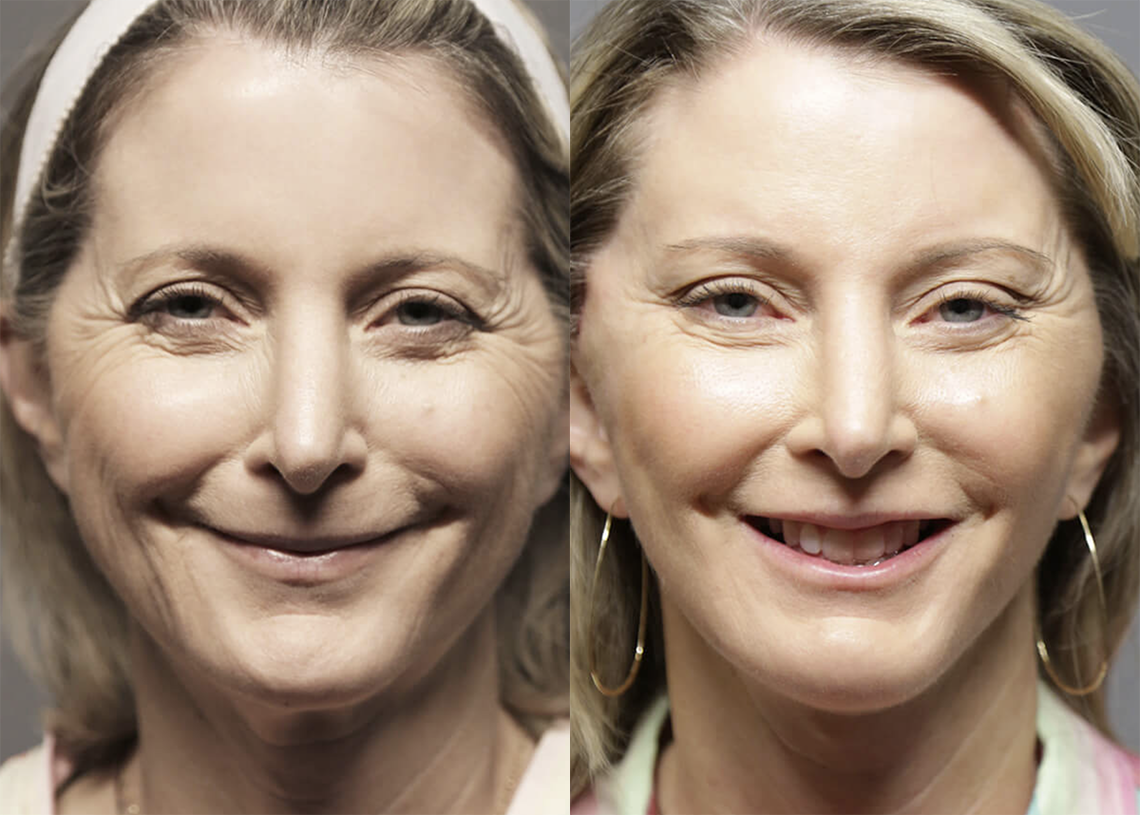
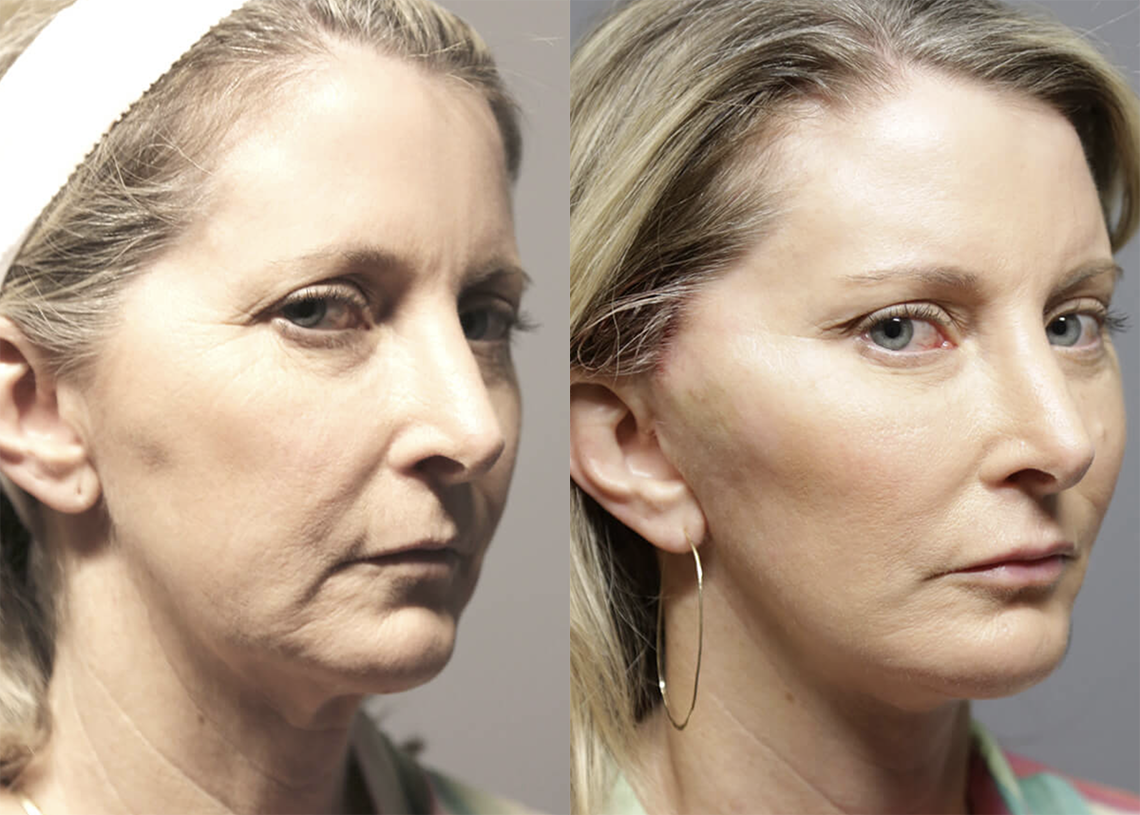
A mini-facelift, also termed “short scar facelift” or “S-lift,” is a surgical facelift featuring a limited scar around the ear. It is Dr. Rad’s preferred approach for young patients who desire “maintenance” lifts dramatically to slow the appearance of aging. In Washington DC, our patients seek to restore a rested appearance with minimal down time and Dr. Rad’s minimally invasive techniques allow patients to recover quickly with minimal evidence of having had surgery.
“In facial aesthetic surgery, details are everything.”
- Ariel N Rad, MD, PhD, FACS
Real Patient Results Gallery
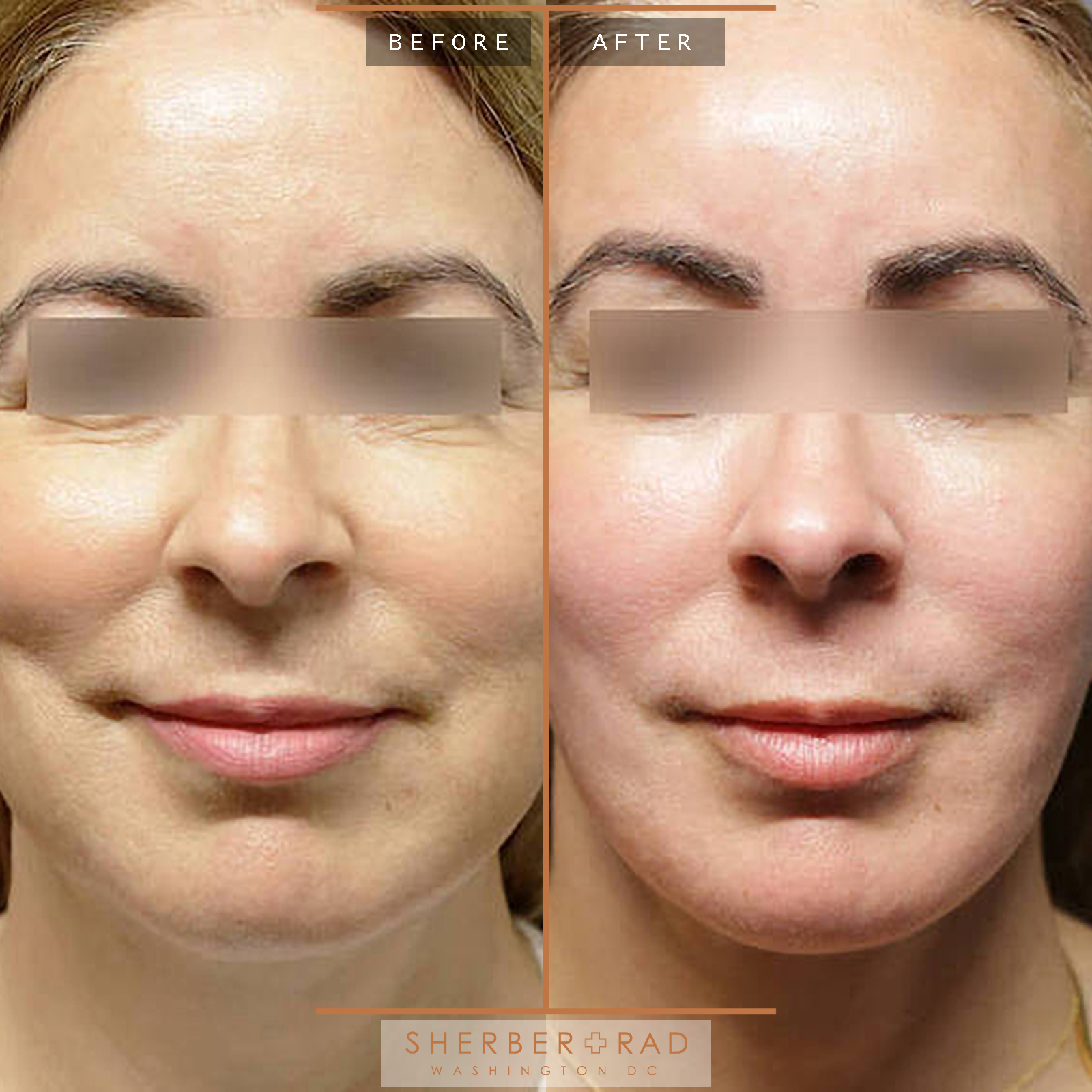
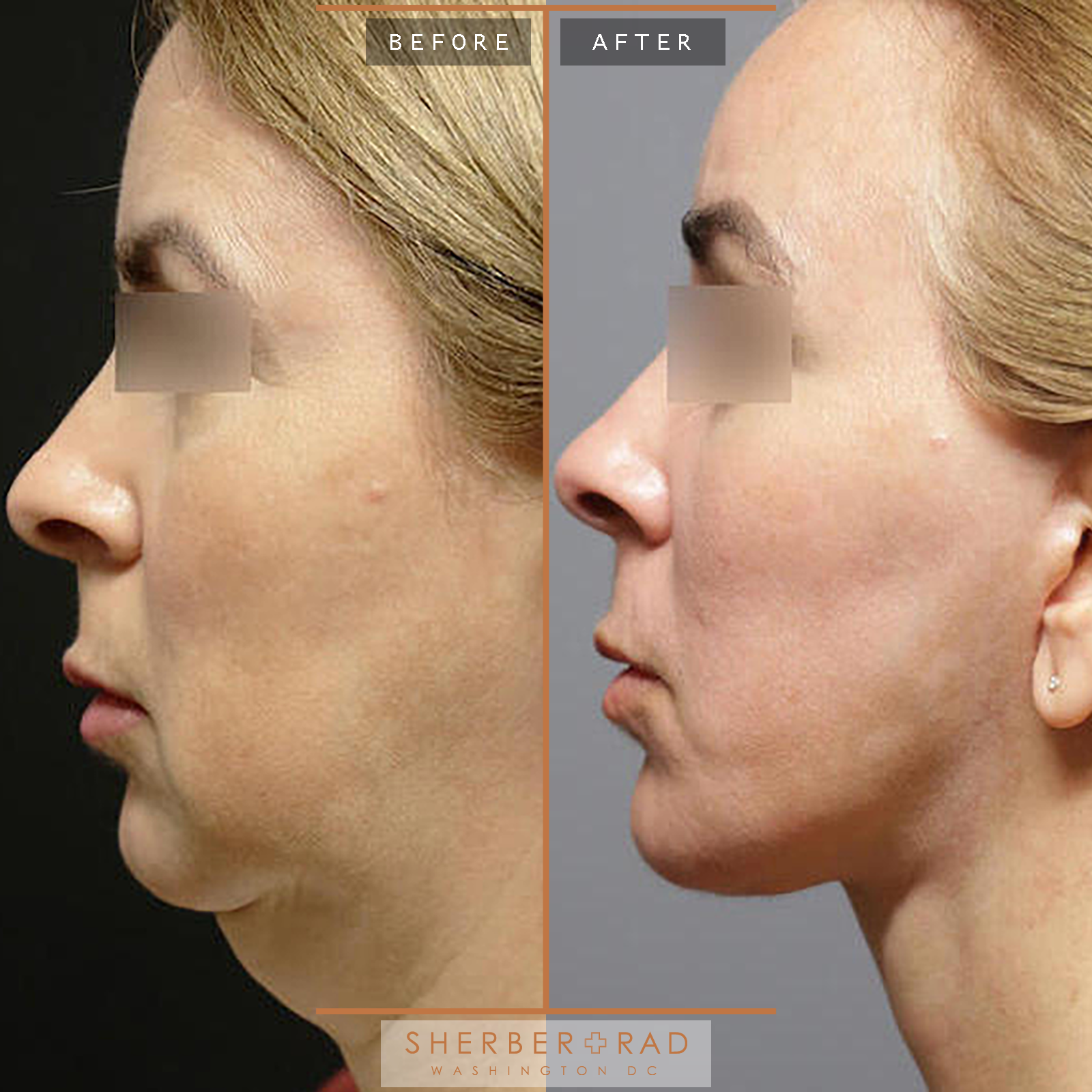
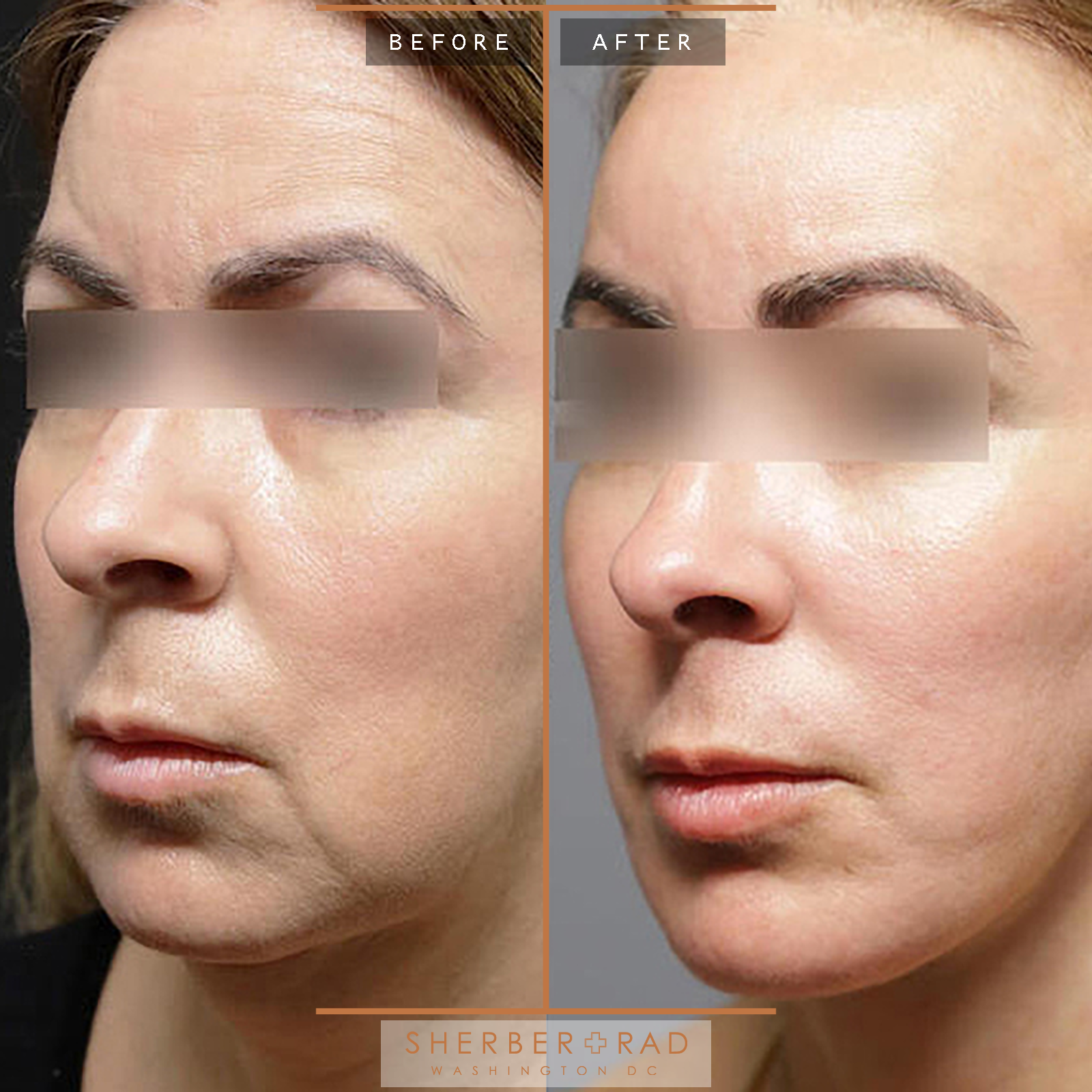
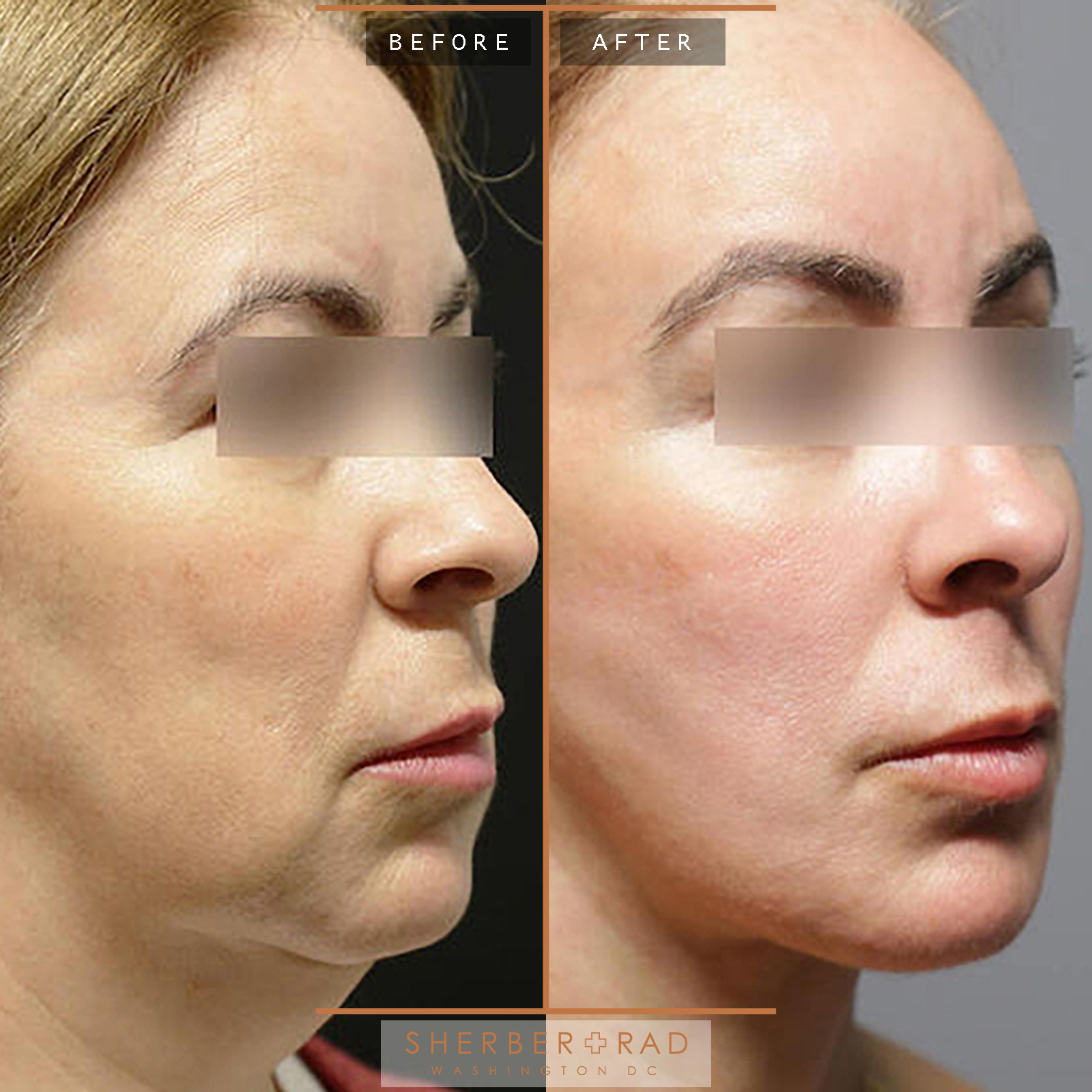
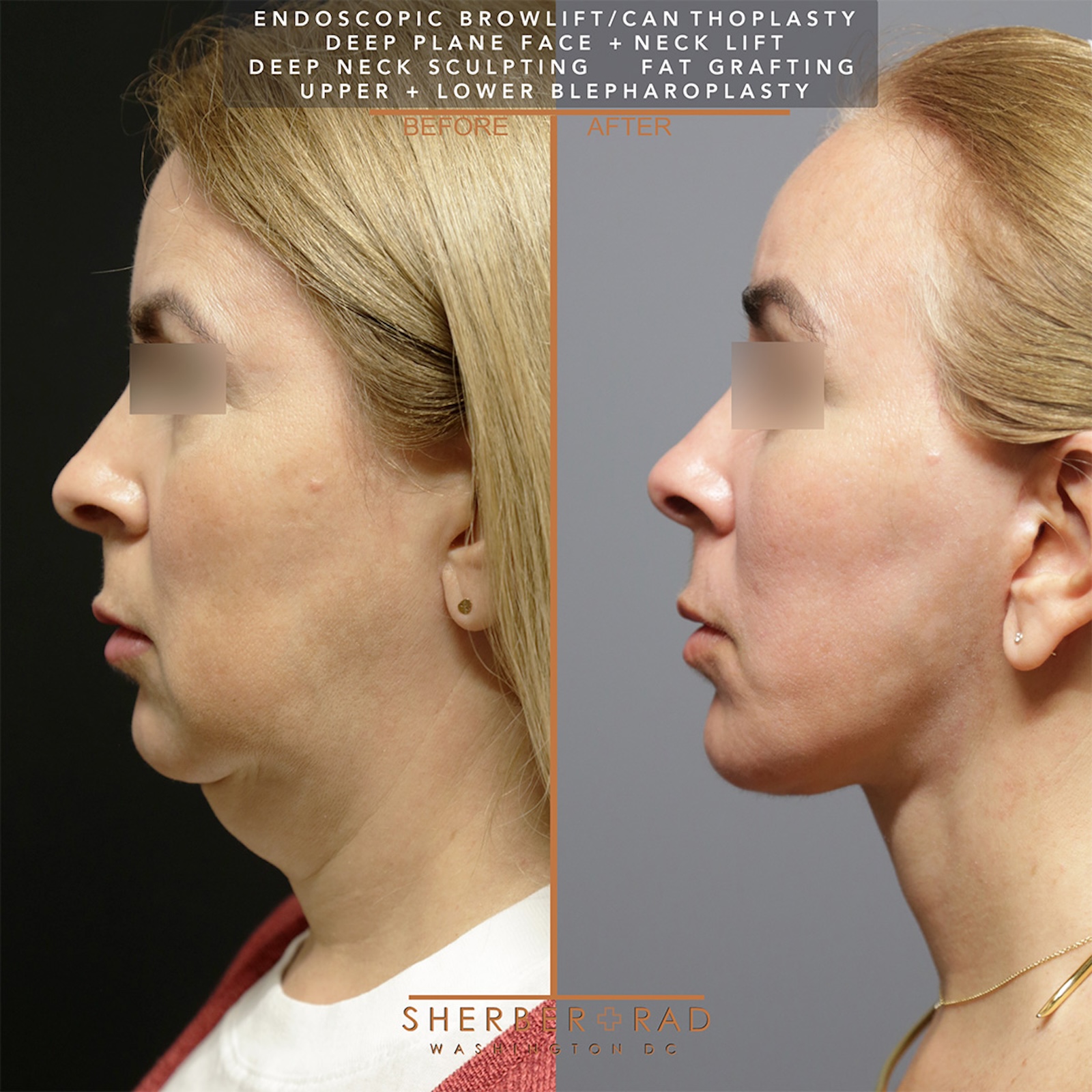
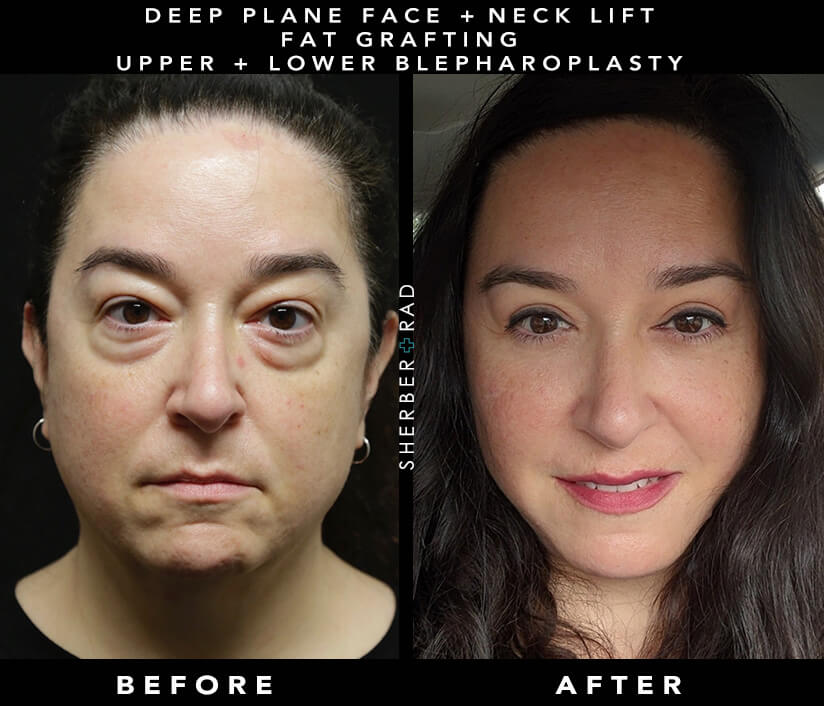
before
after
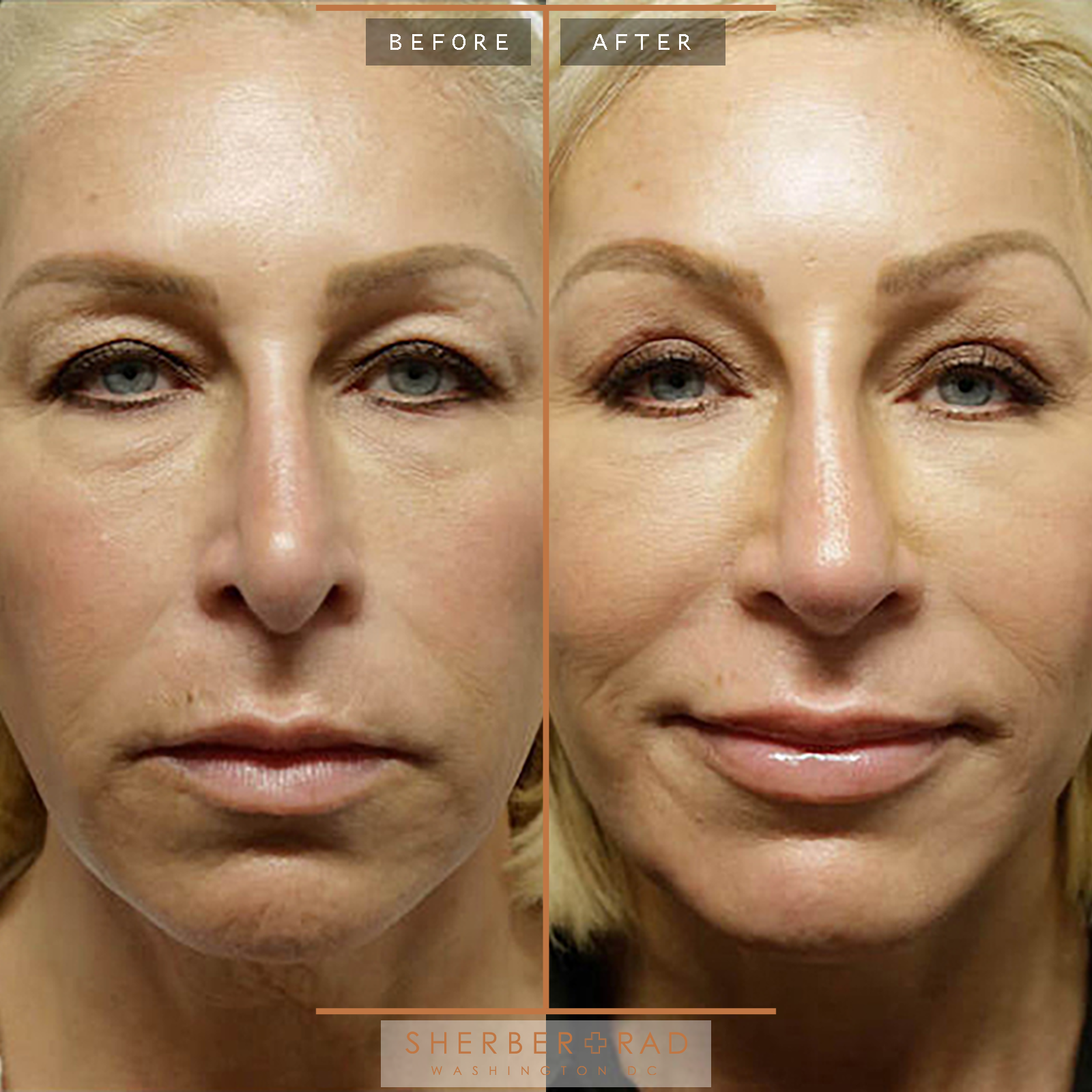
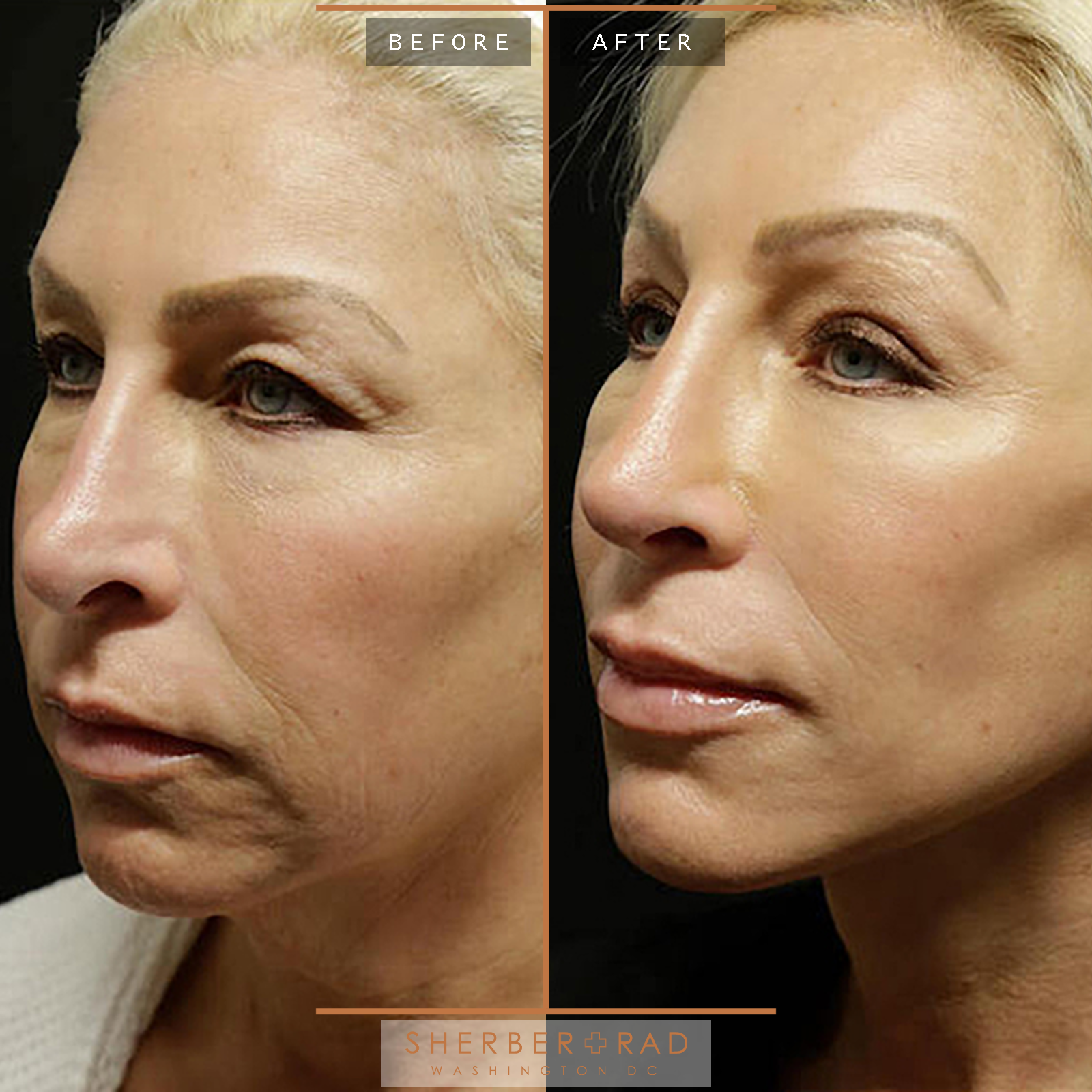
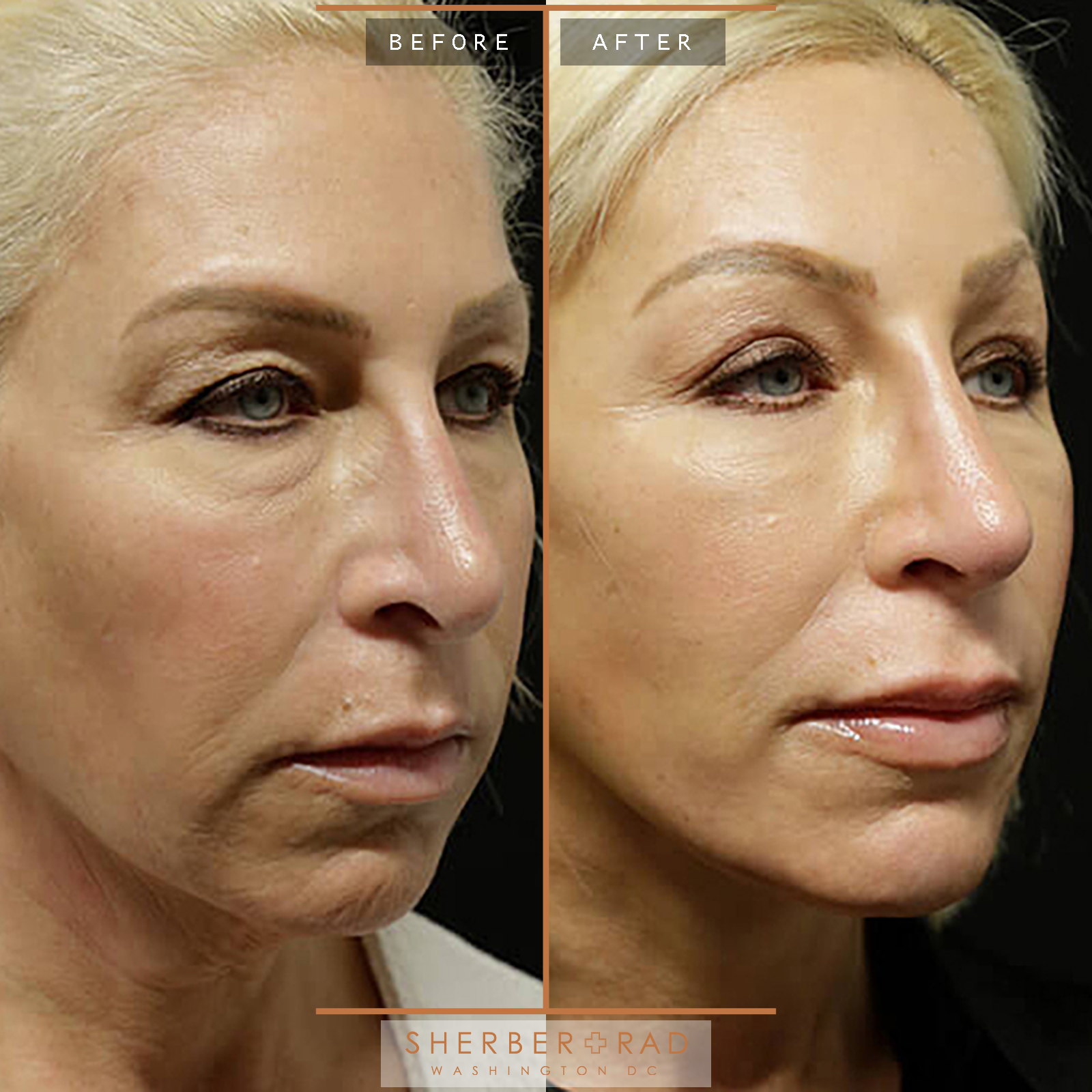
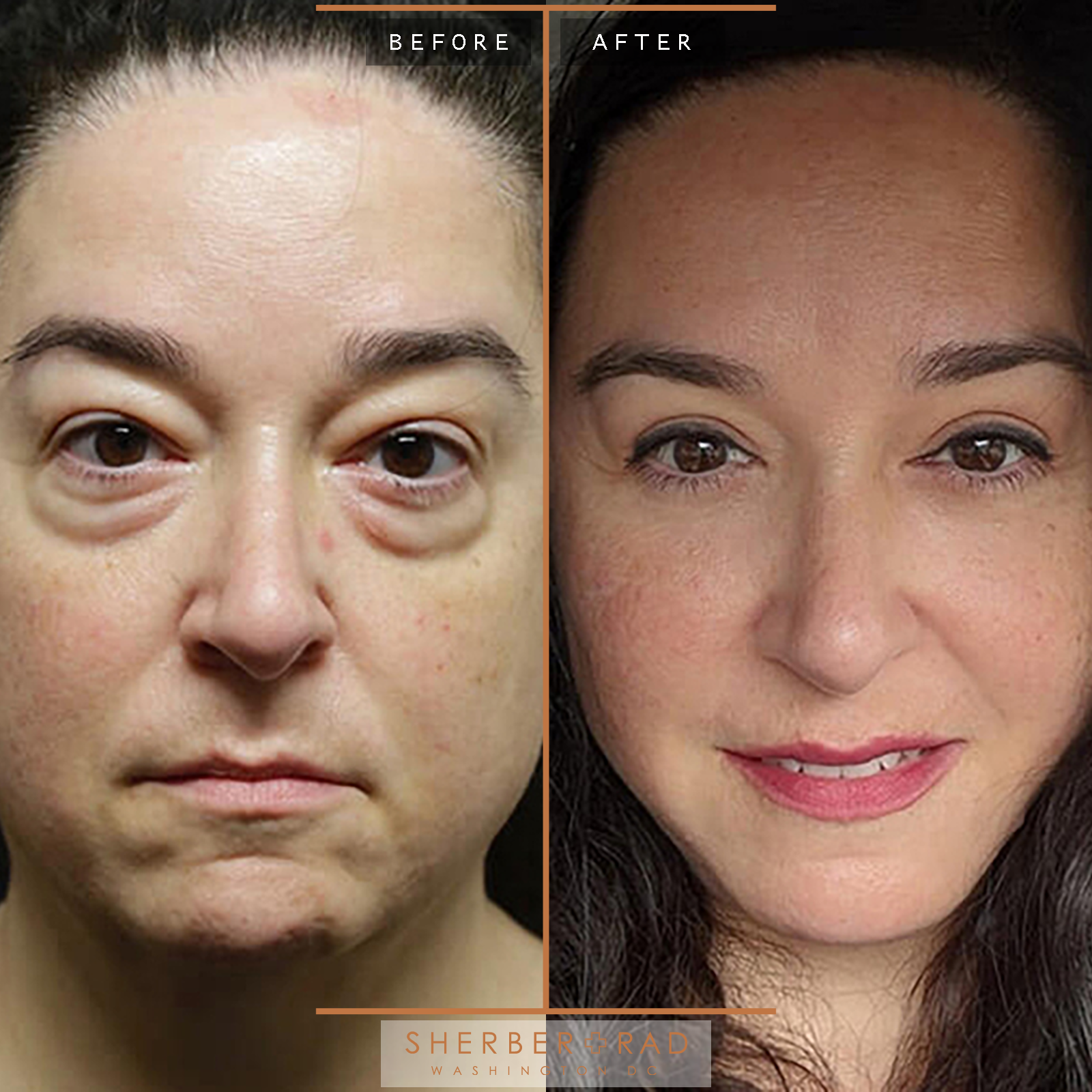
before
after
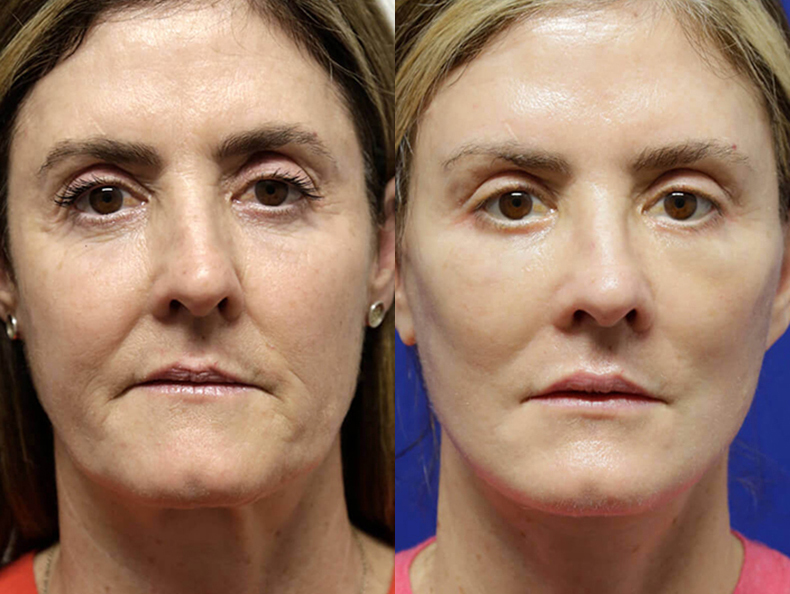
before
after
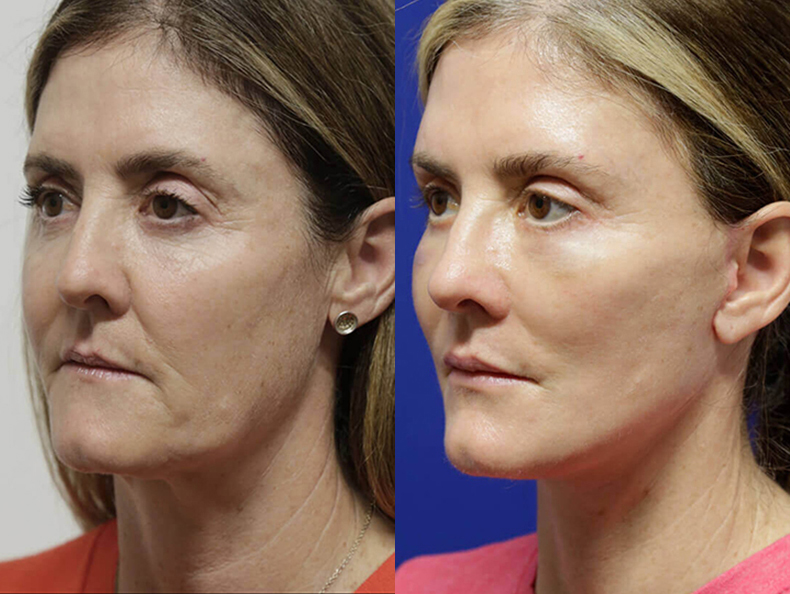
before
after
before
after
before
after
before
after
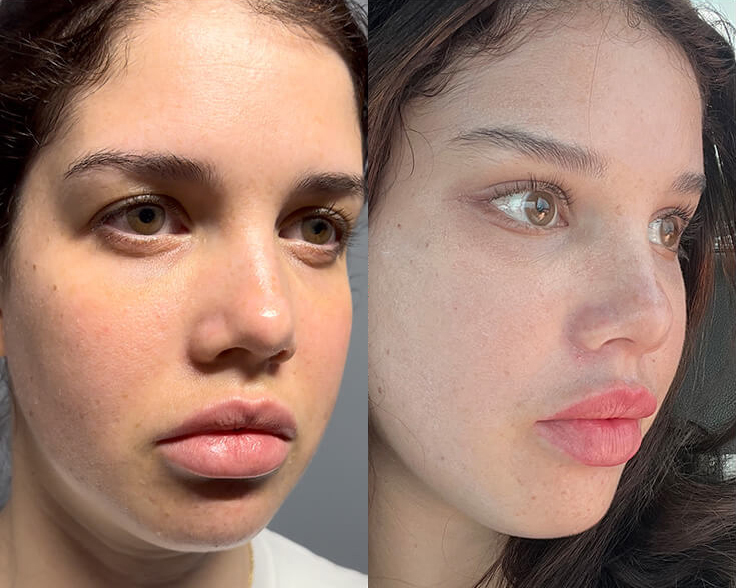
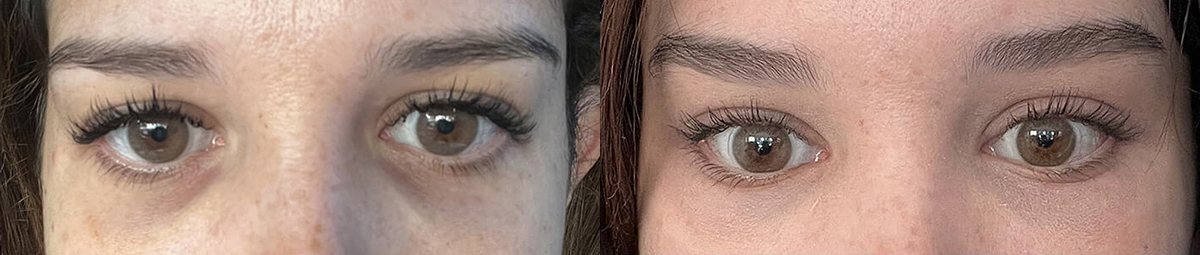
before
after
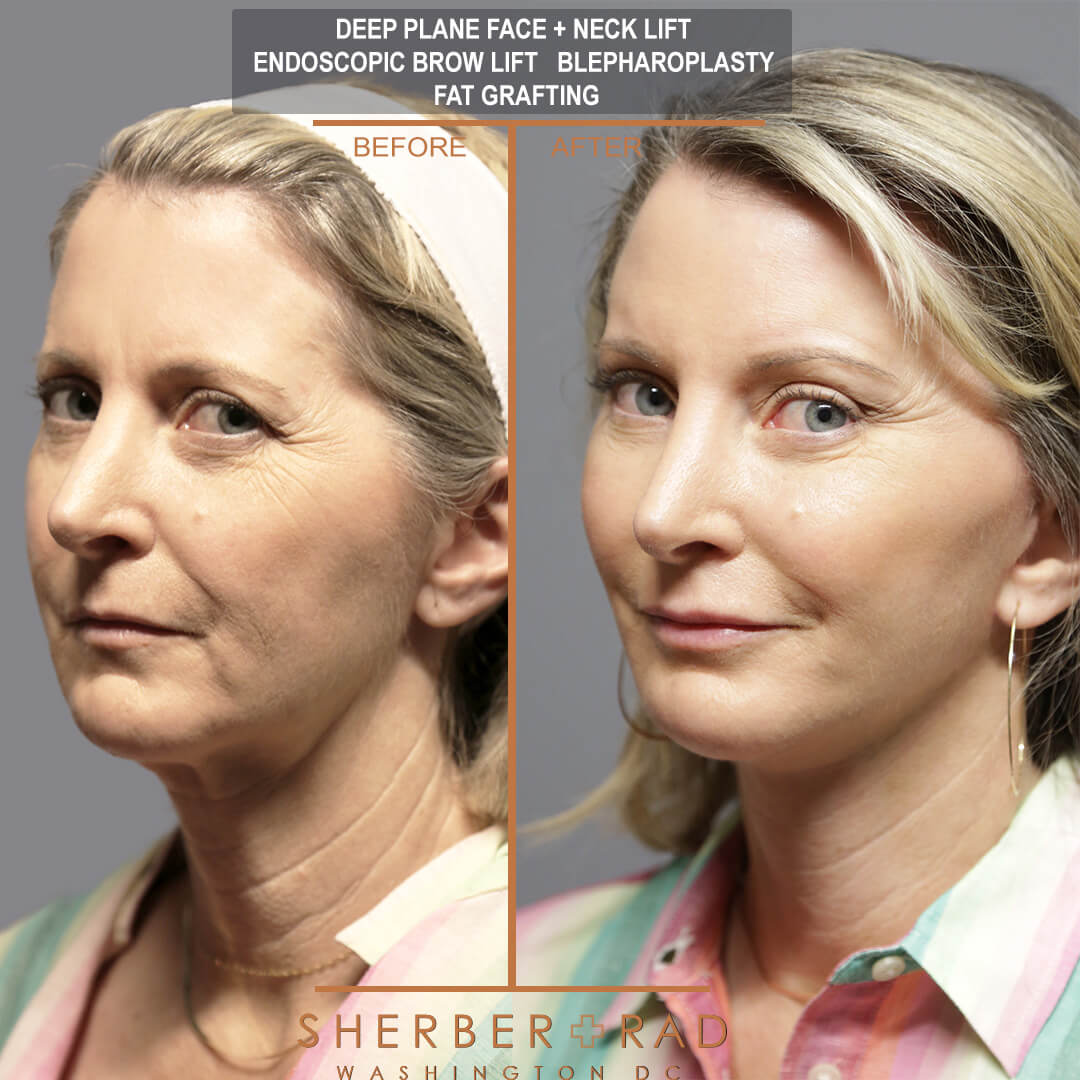
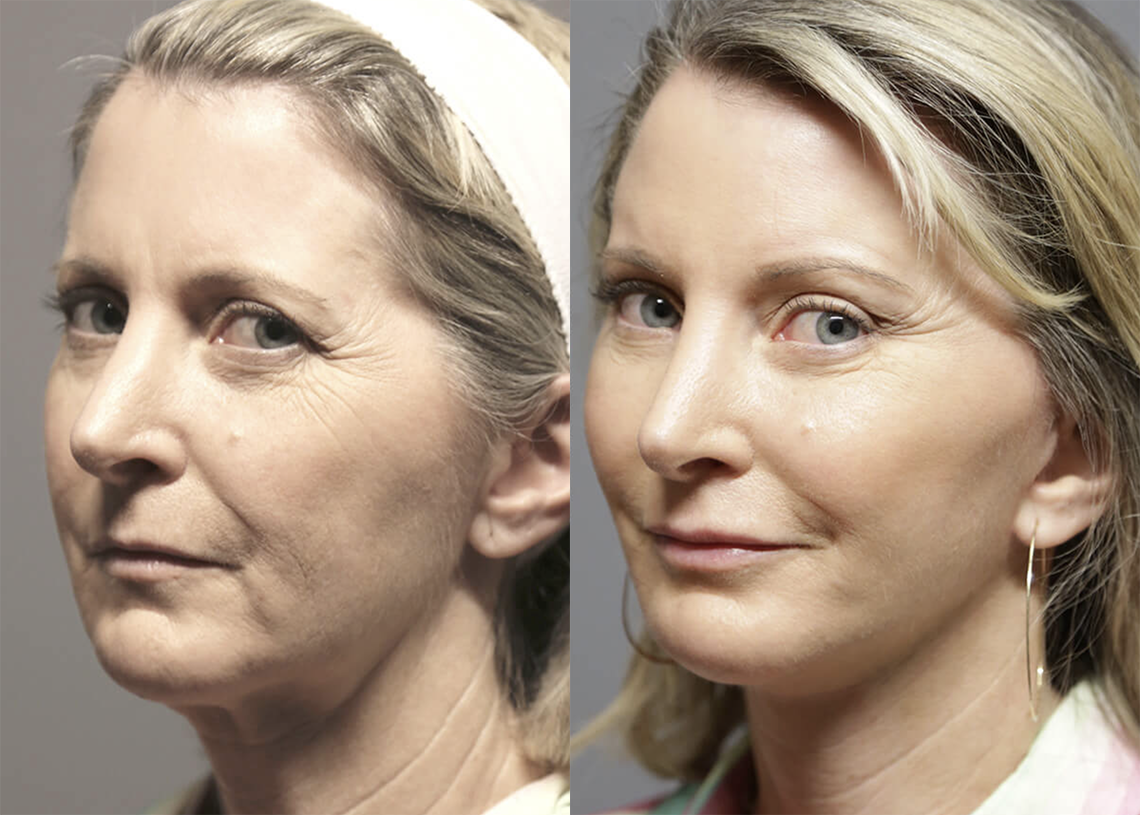
before
after
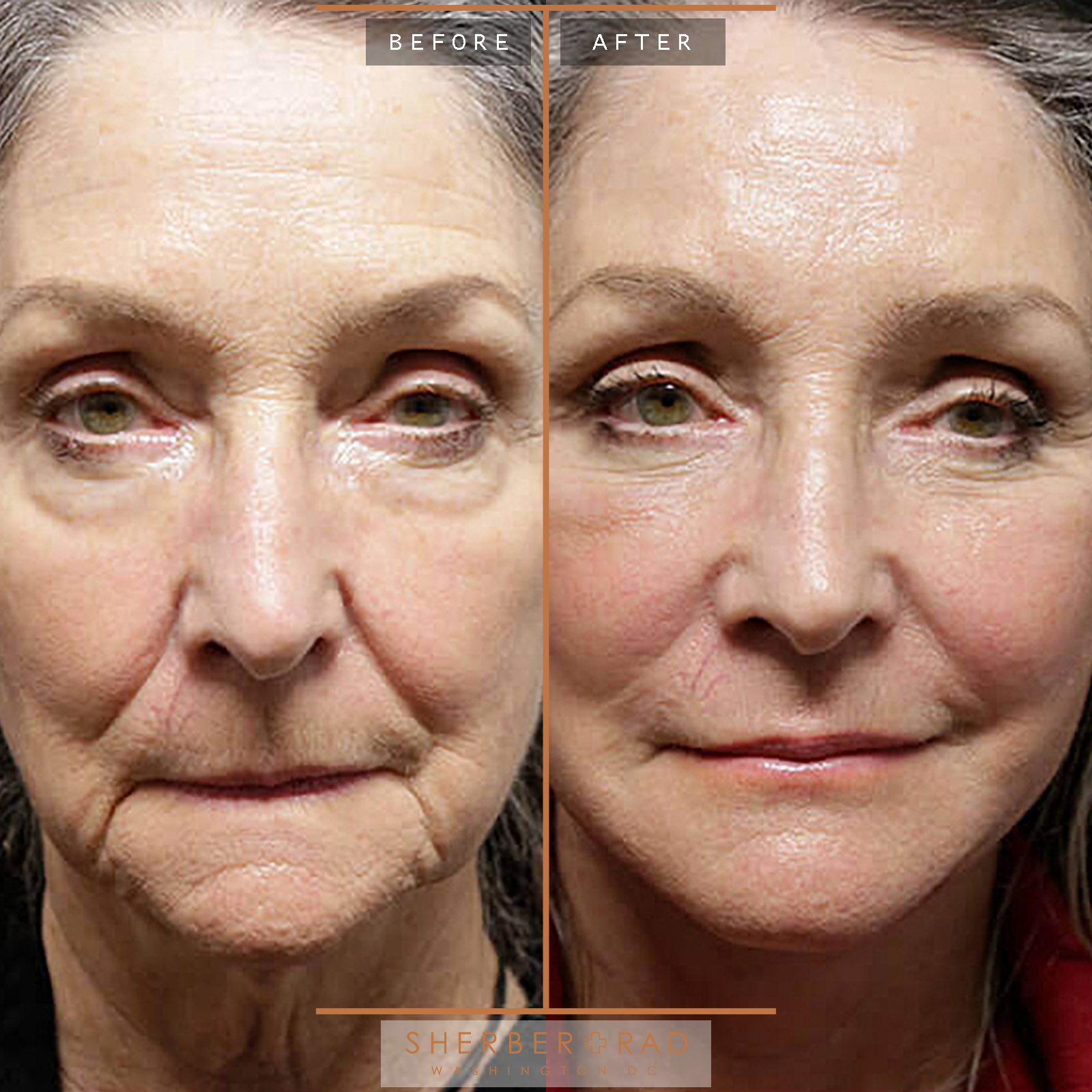
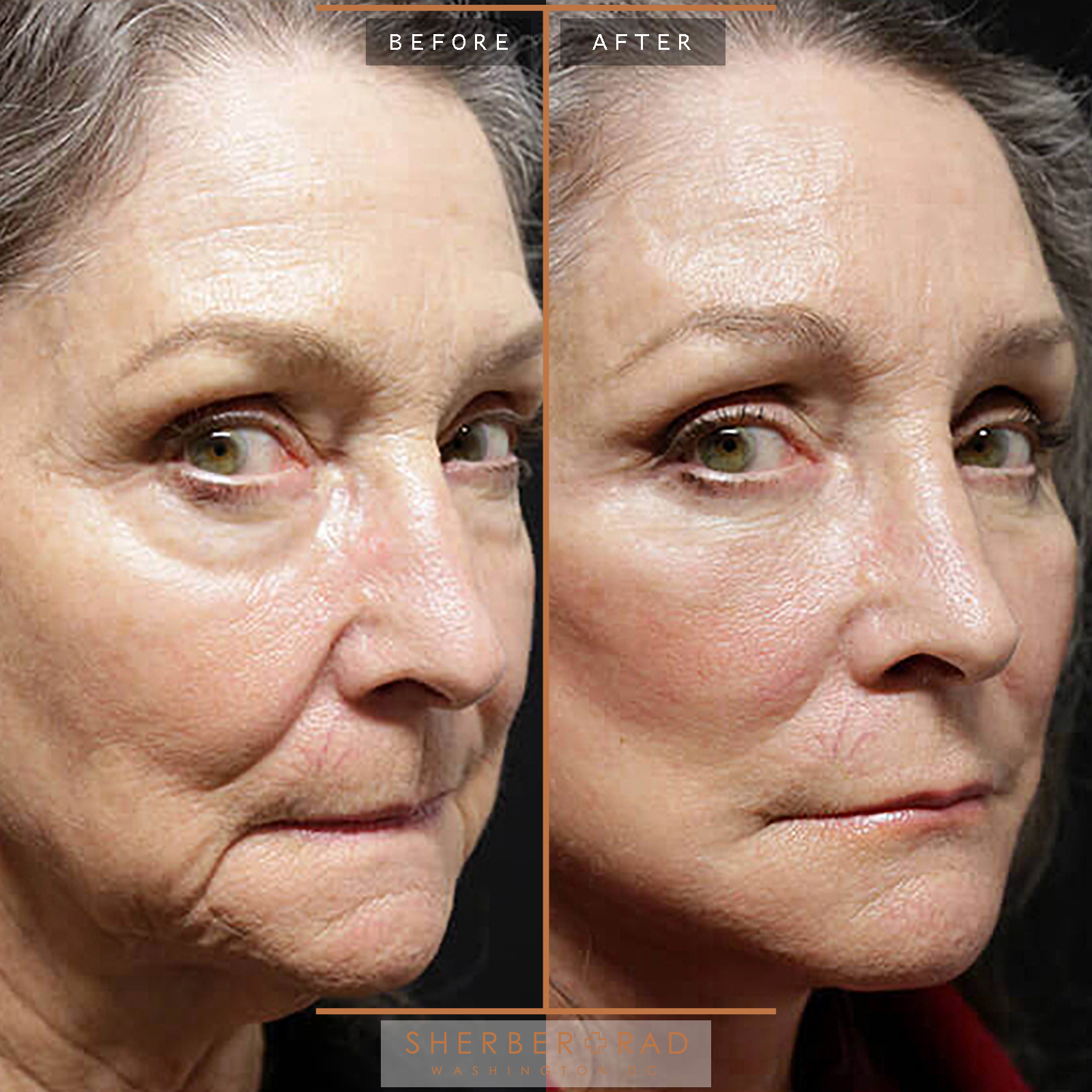
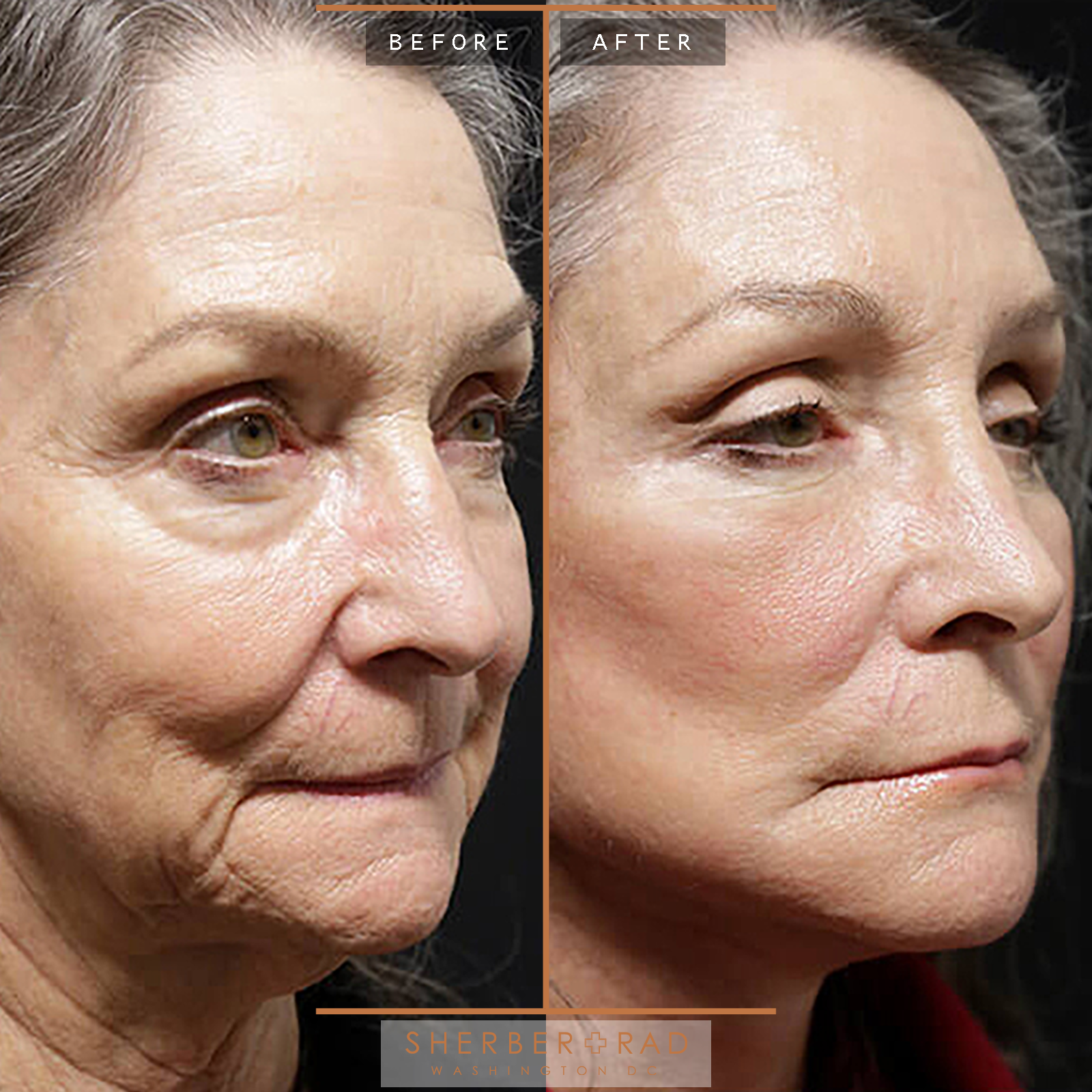
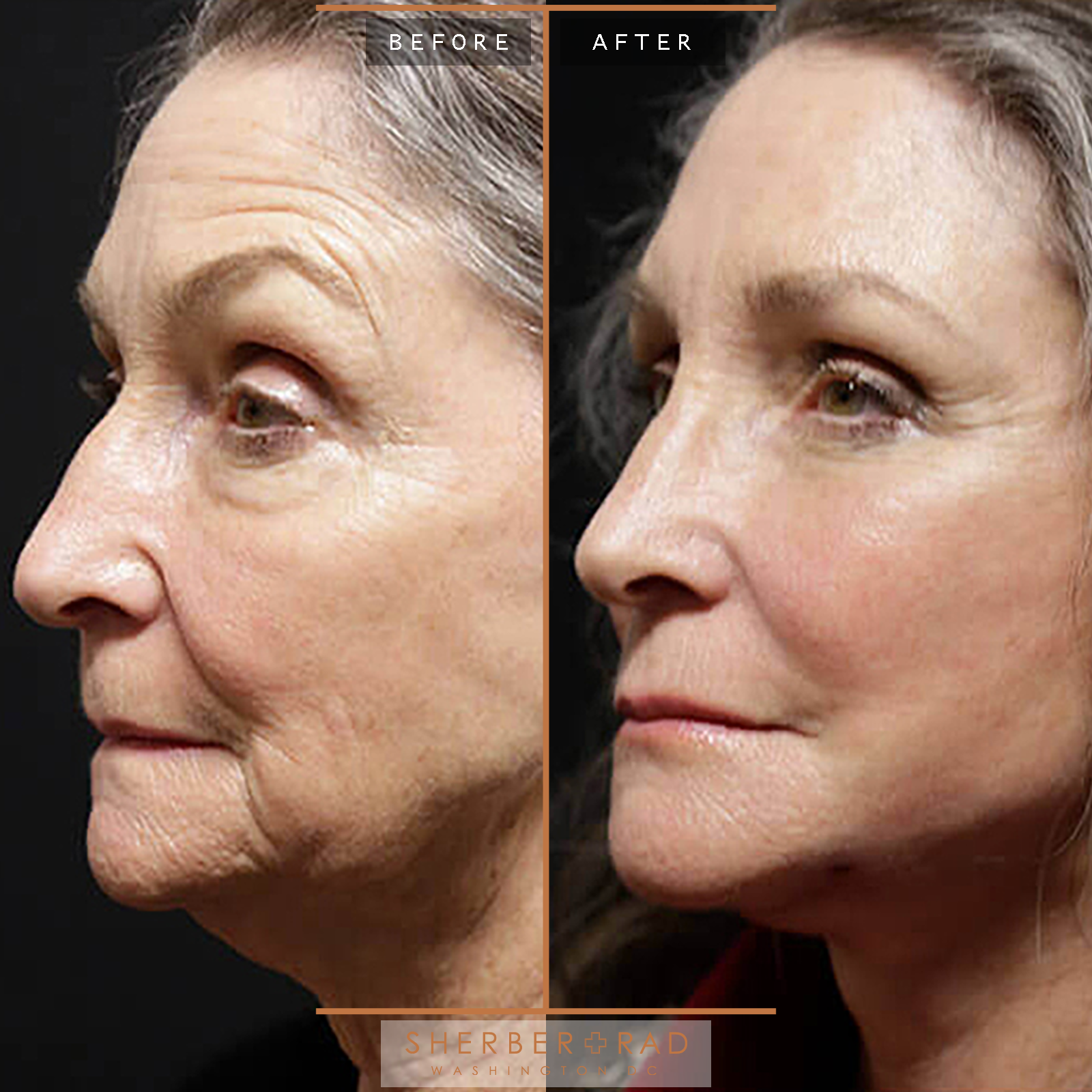
before
after
01 Artistry
02 Safety

03 Technique
04 Recovery
05 Aftercare
06 Longevity
Frequently Asked Questions


Can I achieve similar results non-surgically?
Yes and no: surgical mini-facelift is needed when non-surgical treatments have reached their limit of efficacy. While fillers are effective in restoring volume and lifting tissues to some degree (the “liquid facelift”), patients who don’t want to have more volume added to their faces benefit from mini-facelift.
What anesthesia is used for a Facelift?
Facelift procedures require anesthesia to ensure patients’ comfort and safety during surgery. The choice of anesthesia depends on various factors, including surgeon preference, the extent of the procedure, the patient’s health status (presence of heart, lung, kidney or endocrine illnesses), and patients’ preference. The 3 most common types of anesthesia used for facelift surgeries are:
1. General Anesthesia (GA)
Patients are asleep and are unaware during the surgery. During GA, the anesthesia team administers a combination of anesthetics to optimize the depth of anesthesia while minimizing side effects. This usually involves propofol for quick induction, and inhaled gas anesthetic for stable maintenance, and an array of anti- medicines to reduce nausea side effects, the most common issue with GA.
In terms of what patients experience, your last memory of the process is rolling into the OR, and then the next memory is waking up in the recovery room. You feel nothing or experience nothing of surgery. Dr. Rad’s anesthesia teams are exceptionally skilled in ensuring comfort and safety. Patients do not experience “waking up” episodes, nor do they have any memory of the procedure.
GA involves administering intravenous medications and inhaled anesthetic to induce sleep and keep the patient pain-free throughout the procedure. This involves an airway tube (“endotracheal tube”) which serves two purposes: (i) to deliver the inhaled anesthetic which gives long lasting anesthesia, and (ii) protects your windpipe preventing any fluids, secretions or phlegm from getting into your lungs which can cause a pneumonia or airways spasm/constriction (“laryngospasm”). Without protection of your airway, such as with IV sedation only, the risk of airway/lung problems is higher.
Patients awaken quickly because the depth of anesthesia is not nearly as deep as required for other types of surgery (think liver, kidney or heart surgery). Within 15-20 minutes you are awake enough to remove the airway tube, and then you are rolling to recovery. Typically patients stay for a couple or a few hours in recovery before going home.
This type of anesthesia is needed when deep plane face and neck lift with deep neck sculpting (gland reduction) is being done.
Dr. Rad advises not thinking of GA as “being on a breathing machine” or being dangerous. Rather, the anesthesia machine is supporting your natural breathing and protecting your airway. In fact, GA is for comfort and safety. In the hands of a board certified anesthesiologist (with whom Dr. Rad always works) in the safest possible environment (accredited hospital-based surgery centers) GA is very safe, in fact it is much safer than the cumulative risk of driving a car every day.
2. IV Sedation with Local Anesthesia
In some cases, combining sedation with local anesthesia (injected numbing medicine) is used. In this case, patients often receive propofol for the IV anesthetic to induce sedation and which helps them relax and feel drowsy during the procedure. While the patient is not fully unconscious with this approach, they are generally not aware of the surgery and experience little to no discomfort.
This does not involve the inhaled anesthetic as in GA, and does not require an airway tube. You are breathing on your own and the anesthesiologist will maintain your level of anesthesia with propofol and other IV medicines. Oxygenation is supported with supplemental oxygen.
Patients may be a candidate for this type of anesthesia for shorter procedures and neck lift that does not involve deep neck sculpting.
3. Local Anesthesia Only
This type of anesthesia is the simplest of all, and involves injecting numbing medicine throughout the tissues to be lifted. Dr. Rad uses local anesthetics routinely in the office and this does not require going to an OR.
We start with applying topical numbing which dulls sensation, then injected numbing medicine is given while you are awake.
Patients are candidates for this approach when undergoing in-office mini-face lifts, upper blepharoplasty, buccal fat reduction and direct brow lifts.
Overall, the choice between these types of anesthesia will be discussed during the pre-operative consultation with the surgeon. The surgeon will consider the patient’s medical history, the complexity of the procedure, and the patient’s preference when deciding on the appropriate anesthesia.
Where does Dr. Rad have hospital operating privileges?
You may hear that the safest plastic surgeons have “operating privileges” at major hospitals. “Operating privileges” allow surgeons to perform surgery at that hospital, and they are granted following a 6-month process of evaluating a surgeon’s background.
Dr. Rad’s credentials have rigorously been vetted by the top hospitals in DC and northern Virginia, specifically Sibley Hospital (DC), Inova Fairfax Hospital and Fair Oaks Hospital (northern VA), and George Washington University Hospital (DC). This means that his training, board certification and safety record meet the high standards of these top hospitals in DC and northern Virginia.
What skincare should I use to optimize my healing after a Facelift?
What is the cost of a facelift surgery in DC?
Dr. Rad takes great pride in creating results that are as beautifully individual as the patients he cares for. In this same spirit, our approach to surgical fees is entirely personalized. No two patients receive identical quotes, as each surgical plan is thoughtfully tailored to reflect one’s unique anatomy, goals, and the specific nuances of the procedure itself.
Rather than applying a standardized or “cookie-cutter” model, every estimate is based upon Dr. Rad’s expert assessment during consultation, ensuring that both artistry and complexity are honored in equal measure.
While an exact quote can only be determined after your consultation, we appreciate that many patients wish to understand general cost parameters. For this reason, we offer a cost calculator on our booking webpage, where you may select procedures of interest and view approximate fee ranges. These are intended as guiding estimates—final pricing will be confirmed once your individualized plan has been designed with Dr. Rad.
How do I prepare for a Facelift?
Testimonials

Next Steps
PLAN YOUR VISIT
Related Procedures
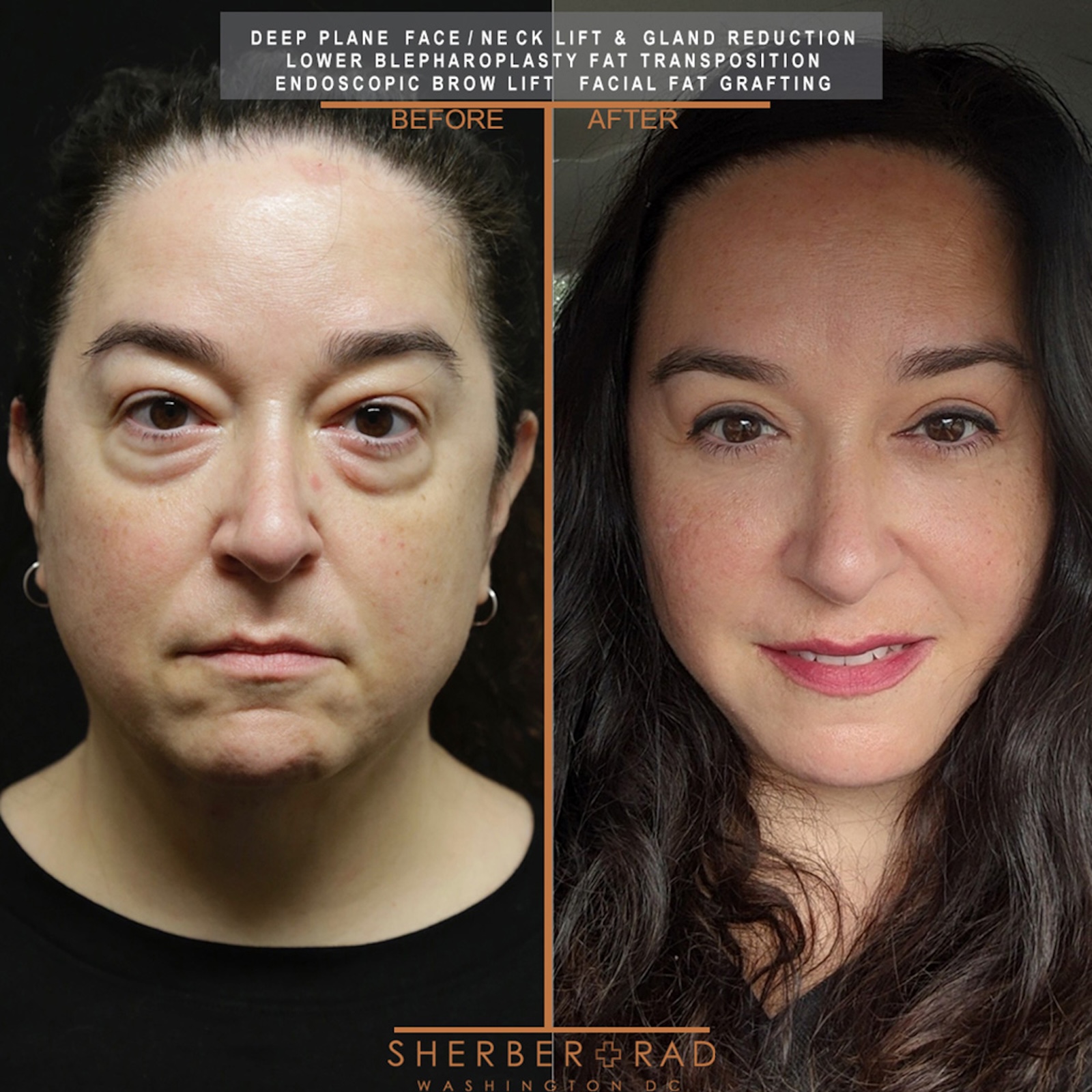
Deep Plane Facelift
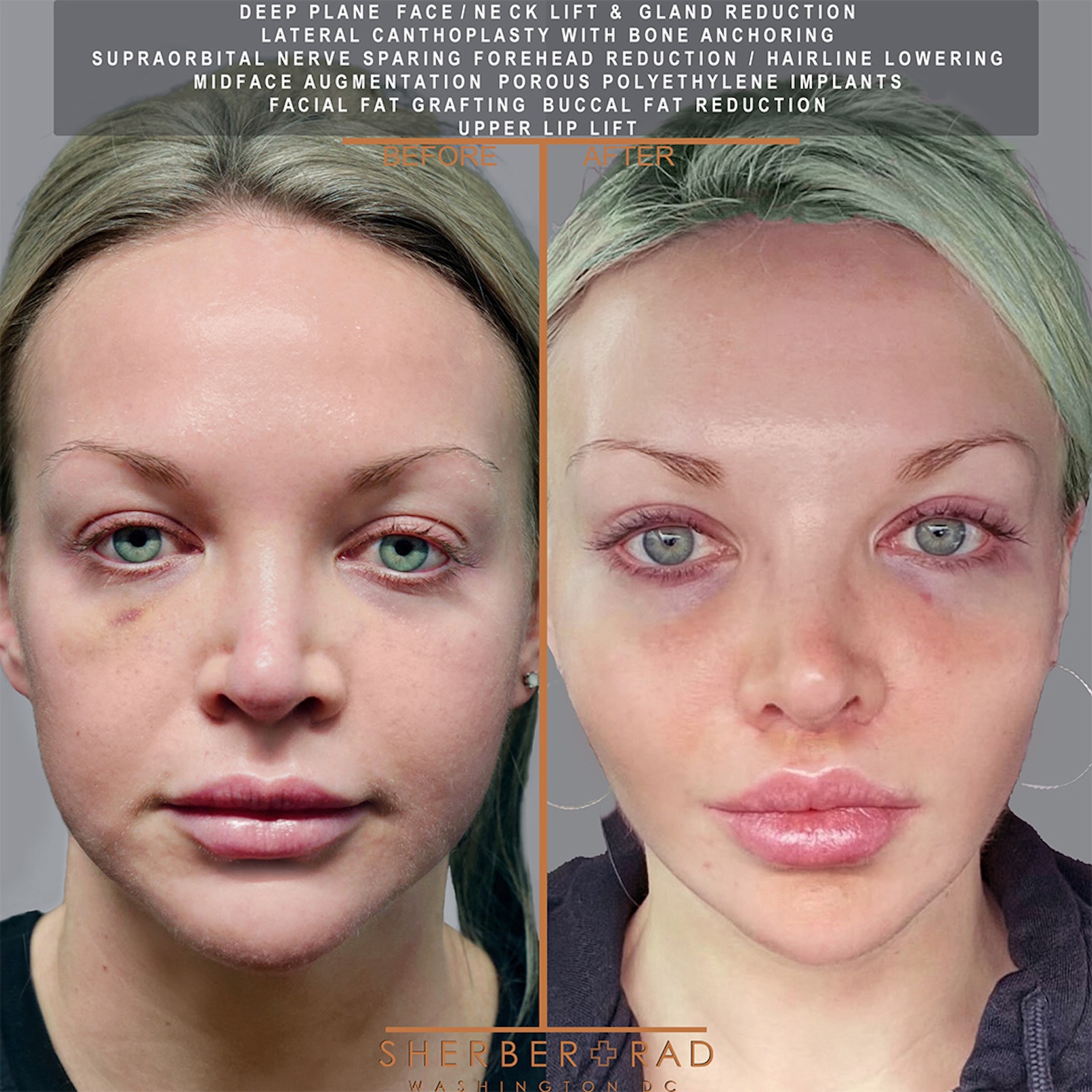
Endoscopic “Ponytail” Facelift
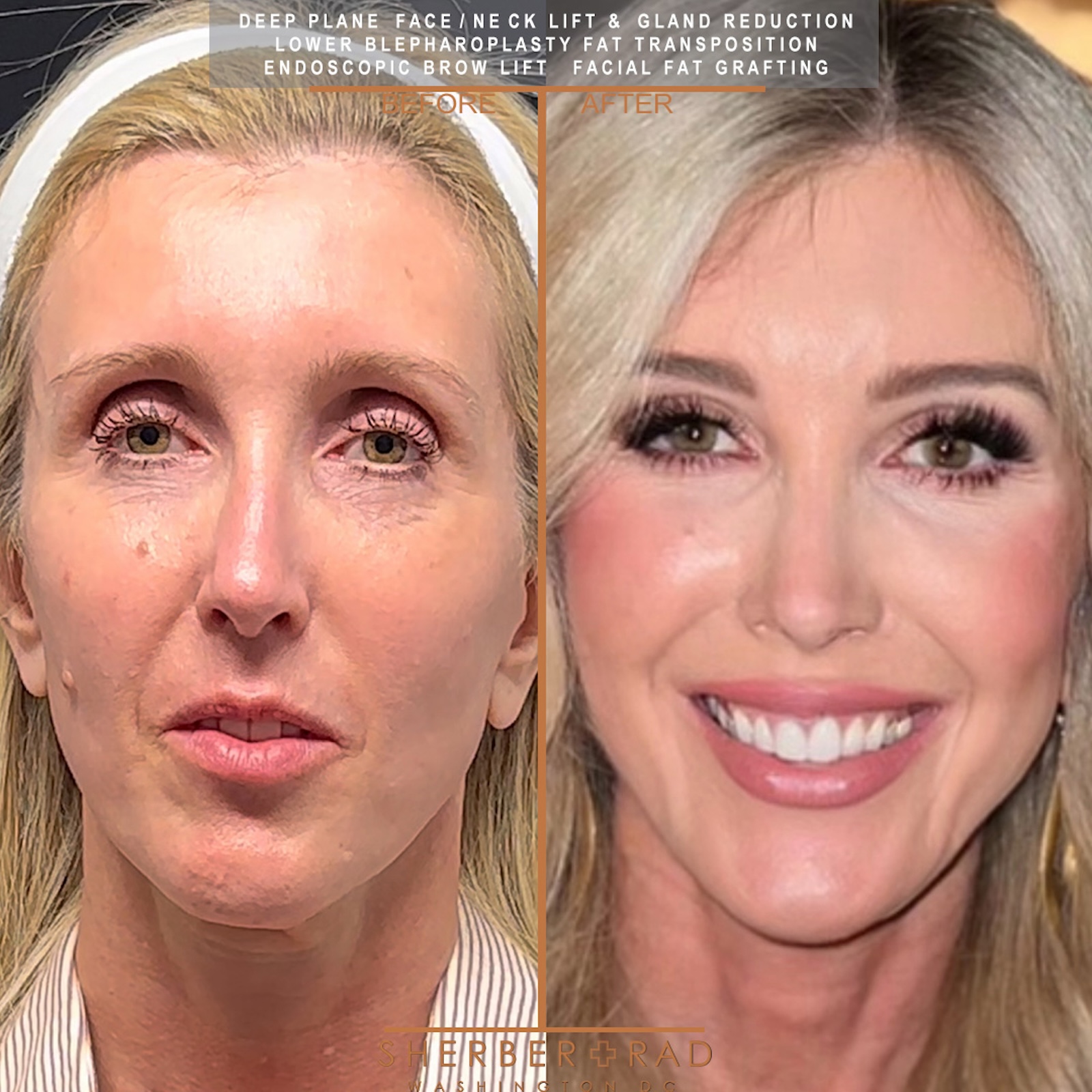
Vertical Mid Facelift
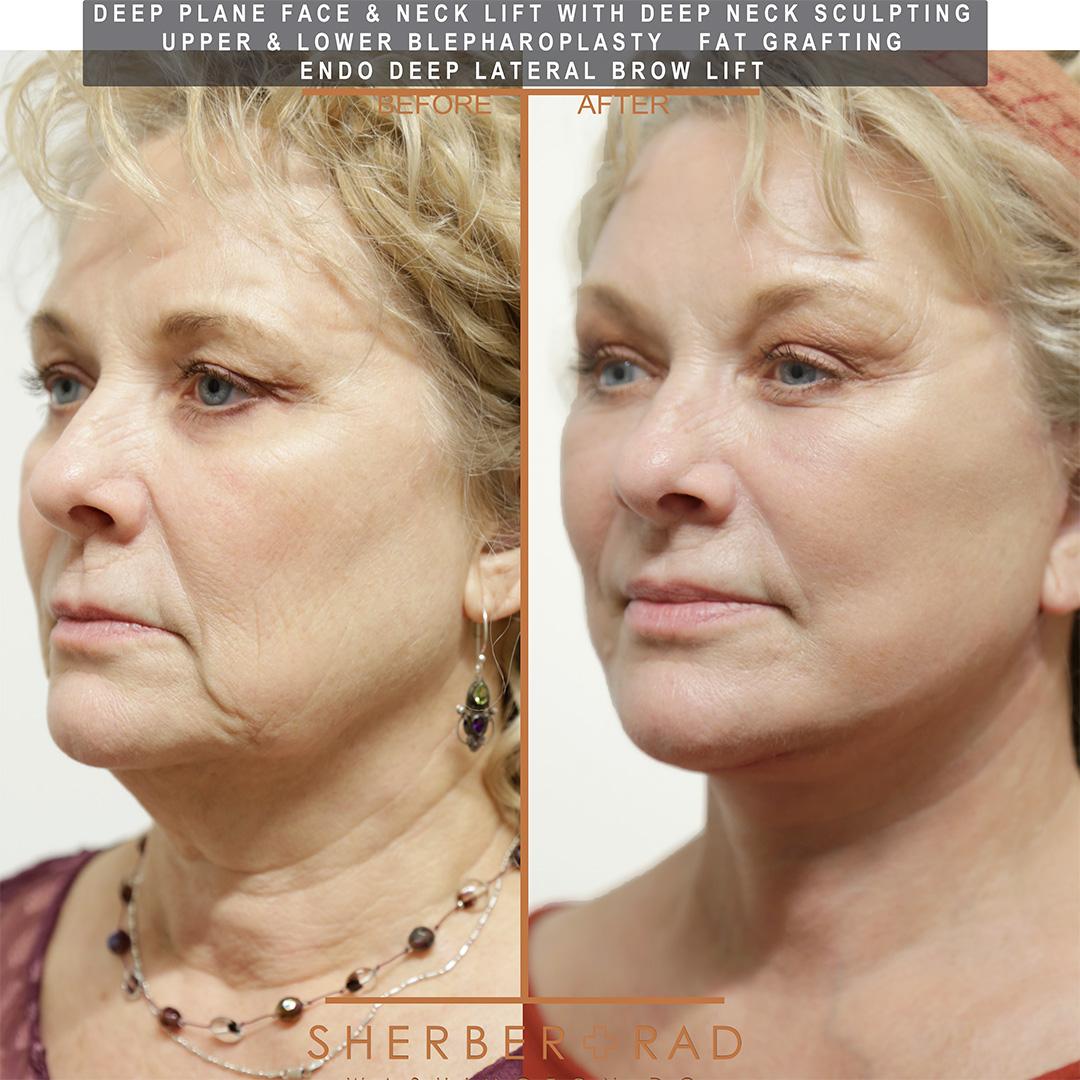
Revision Facelift
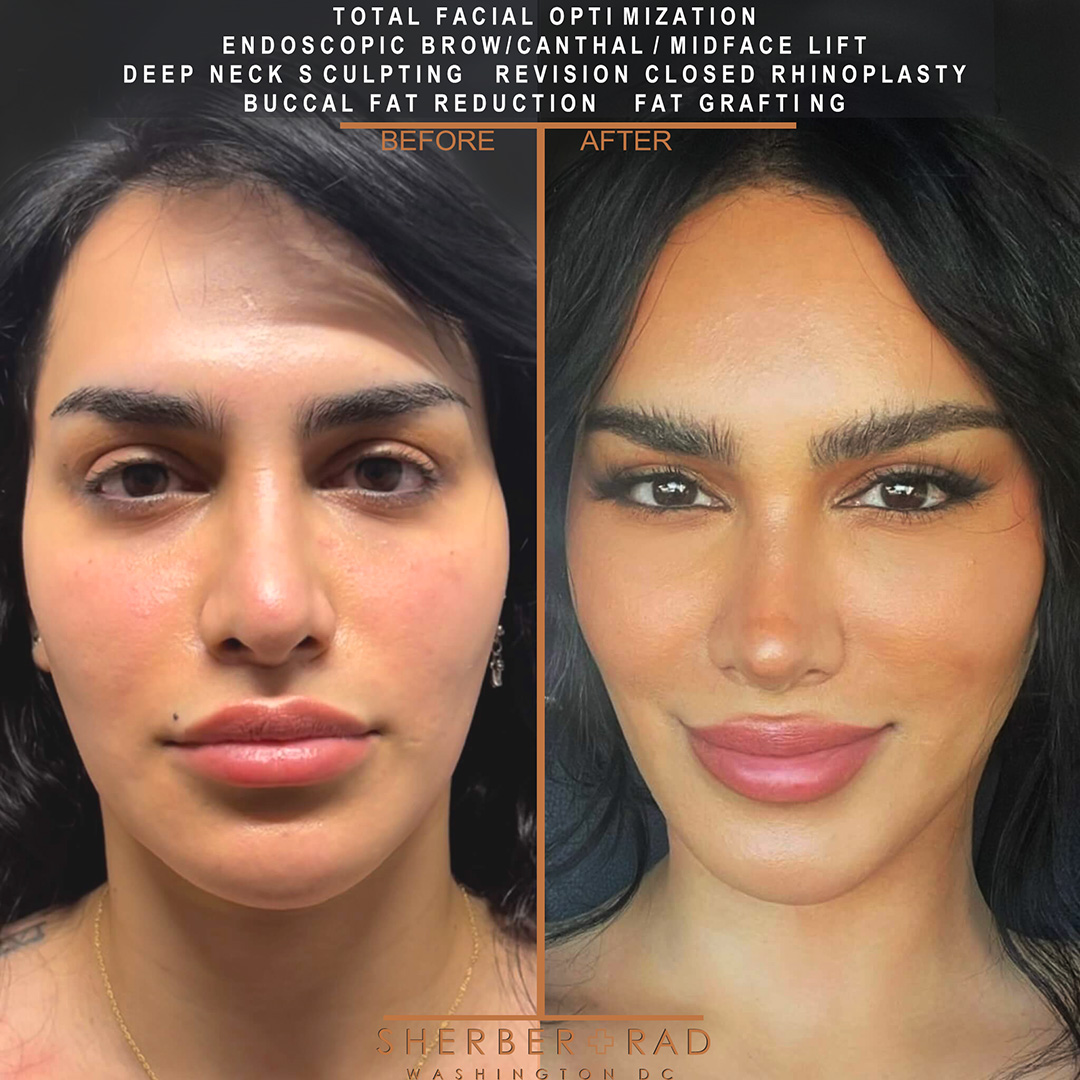
Facelift under 50
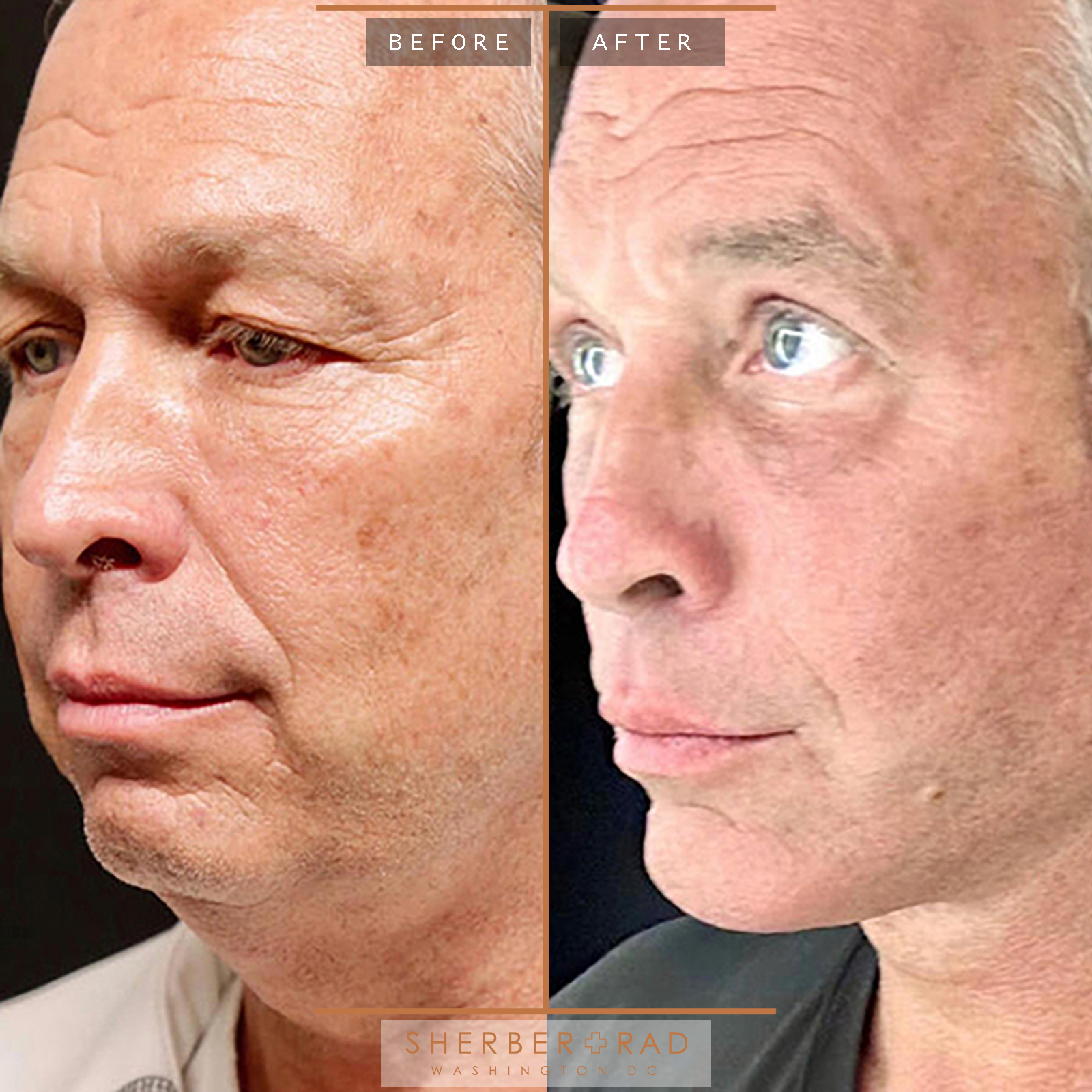
Male Facelift
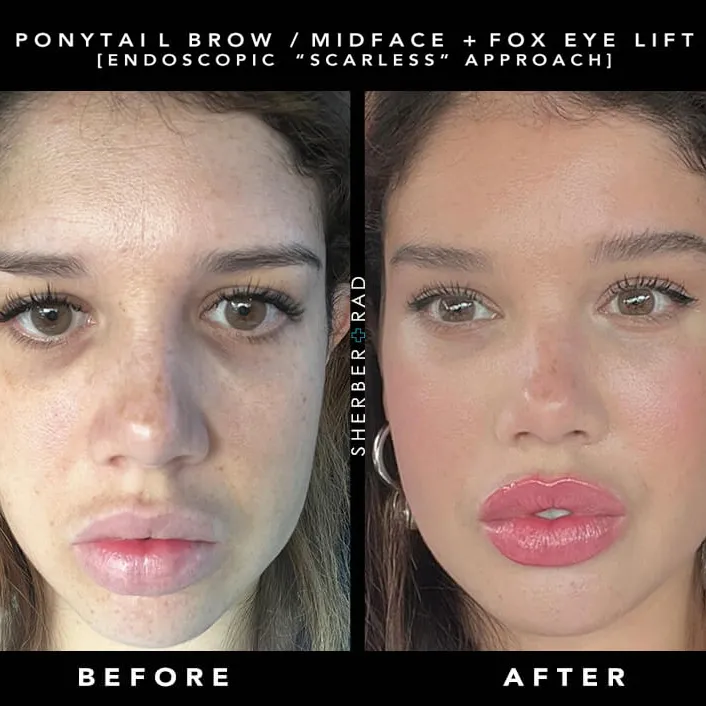
Ethnic Facelift