
SMAS Facelift
What causes facial aging?
Our faces age in 3 unique ways.- Soft tissue (skin, fat, muscle) volume changes : skin, subcutaneous (under skin) fat, midface fat, temple fat and lips all atrophy with time causing thinning, hollowing and harsh shadows. The opposite occurs in the jowls and neck where fat deposition in the jowls and hypertrophy or overgrowth of deep gland, muscle and fat tissues can give a heavy appearance to the neck. These volume shifts cause an overall aged appearance.
- Gravity : facial soft tissues descend and rotate forward changing the facial frame from heart shape of youth into a square appearance. E Brows and upper eyelid skin become heavy and frame the eyes in a sad, fatigued way. This gravitational effect causes heaviness of the nasolabial fold (smile lines), jowls, and loose skin.
- Bone loss : the obital bone (bottom eye socket) tends to shrink back and down causing drooped lower eyelids, the midface bone structure atrophies backwards, and the mandible (lower jawbone) shrinks thus worsening neck fullness. As a result aesthetically the jawline and neck become more square and heavy, deepening smile lines and marionette lines. Bone loss exaggerates the effects of gravity.
“In facial aesthetic surgery, details are everything.”
- Ariel N Rad, MD, PhD, FACS
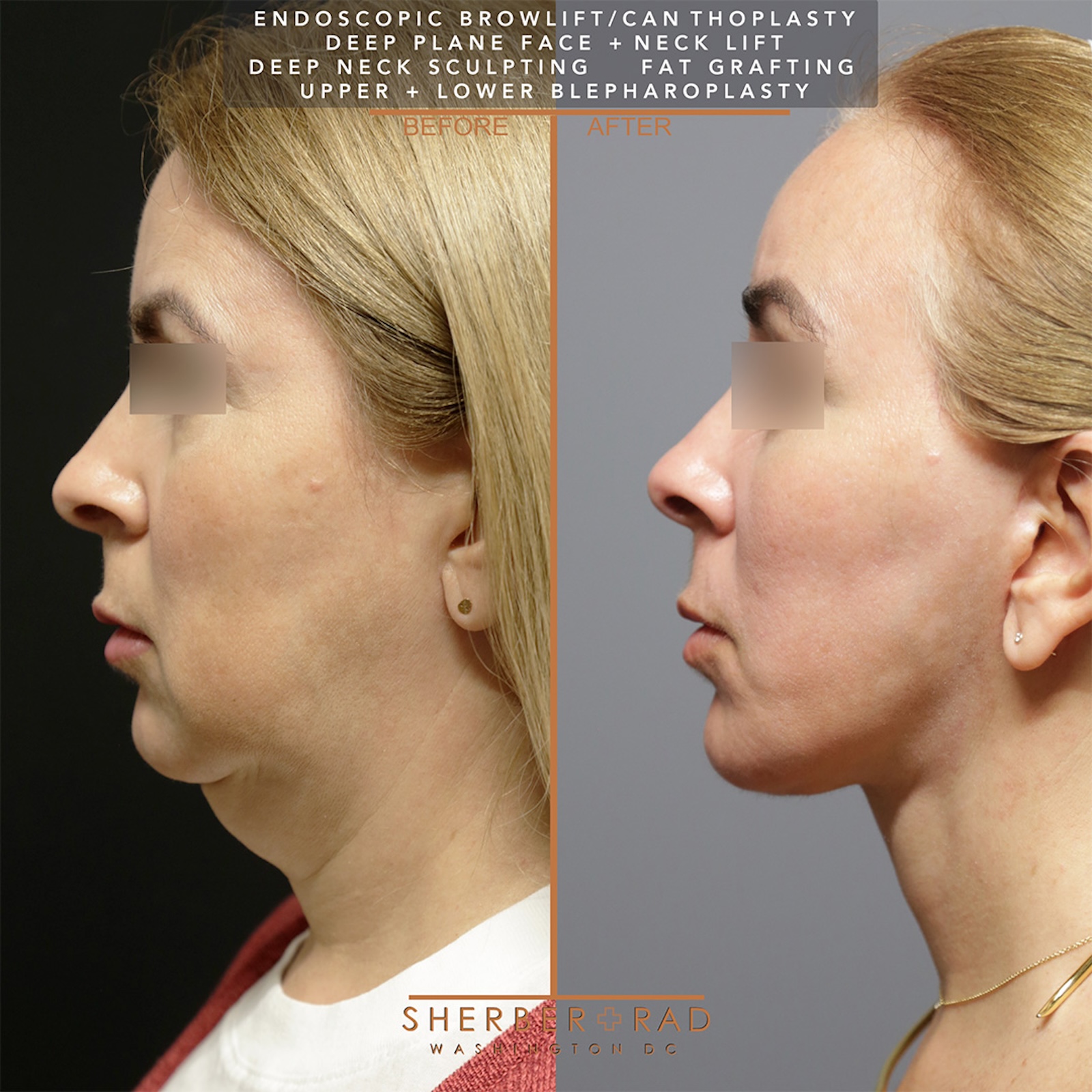
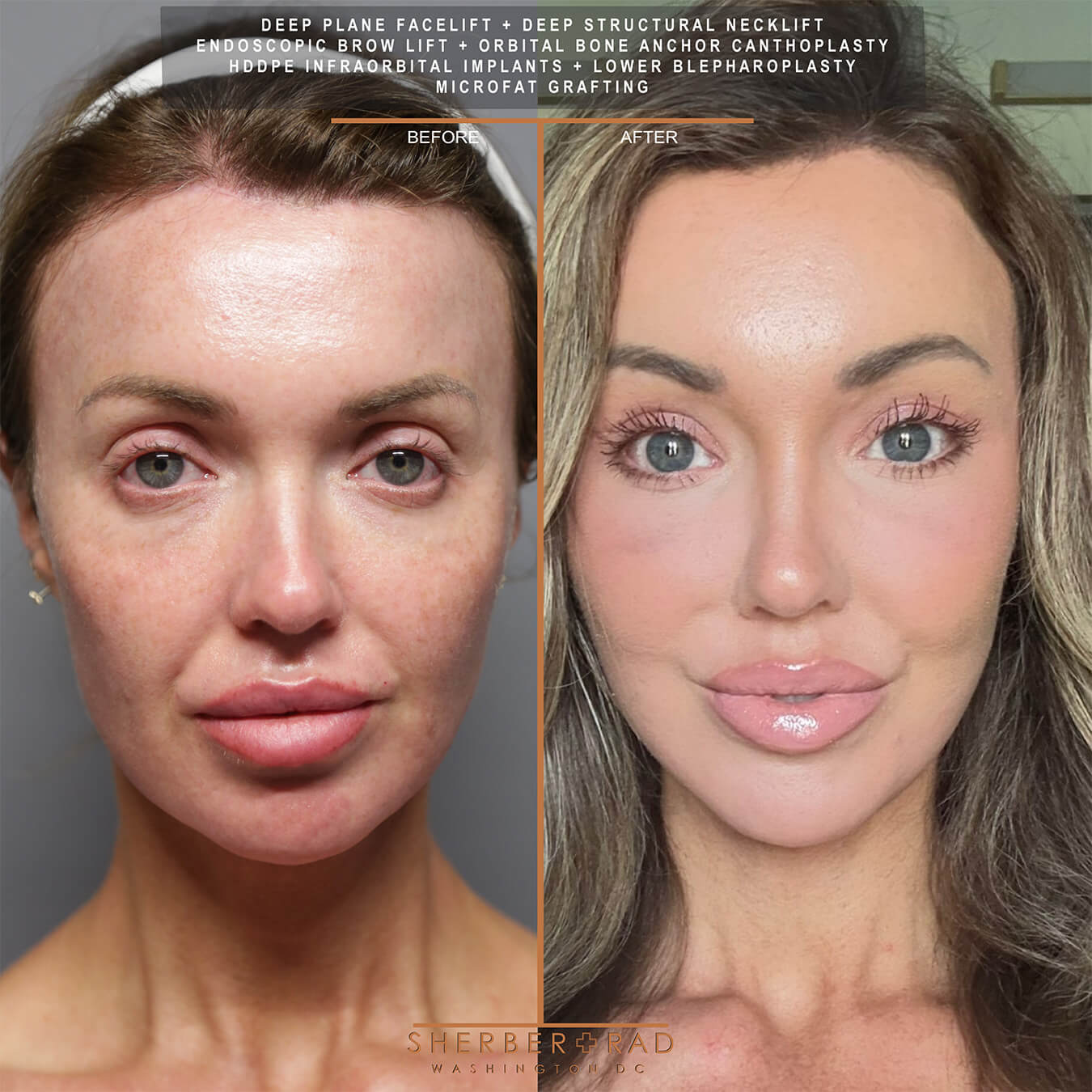
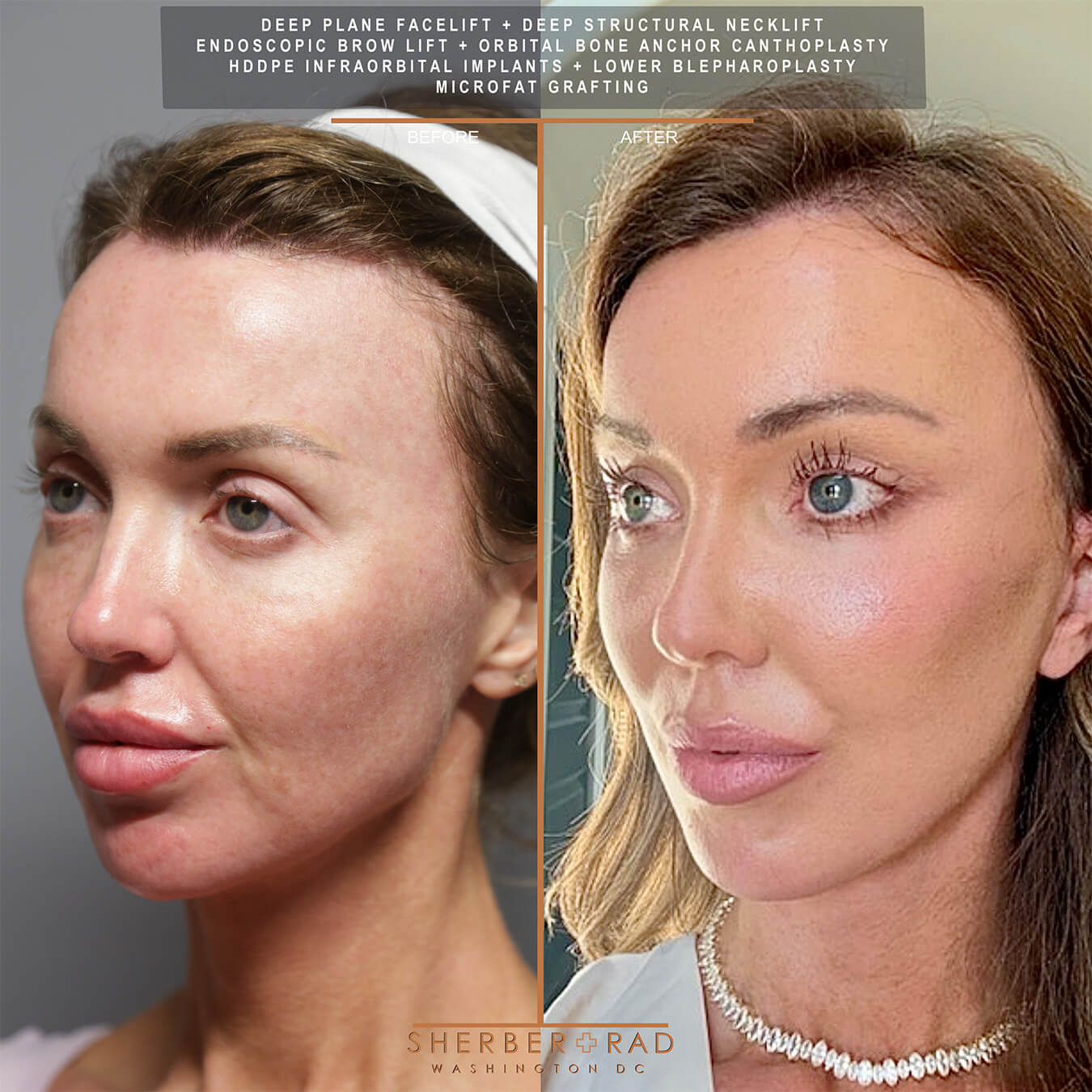
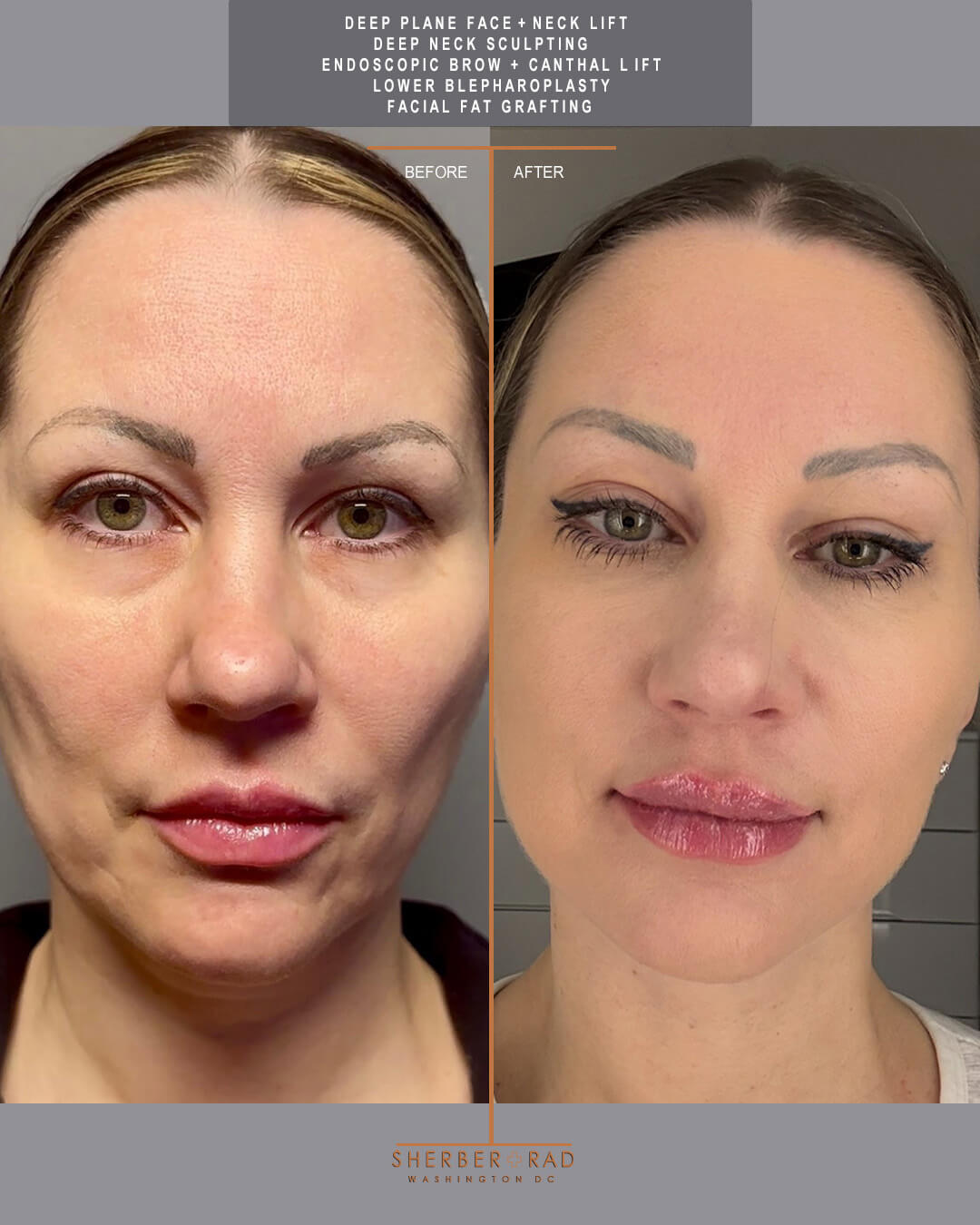
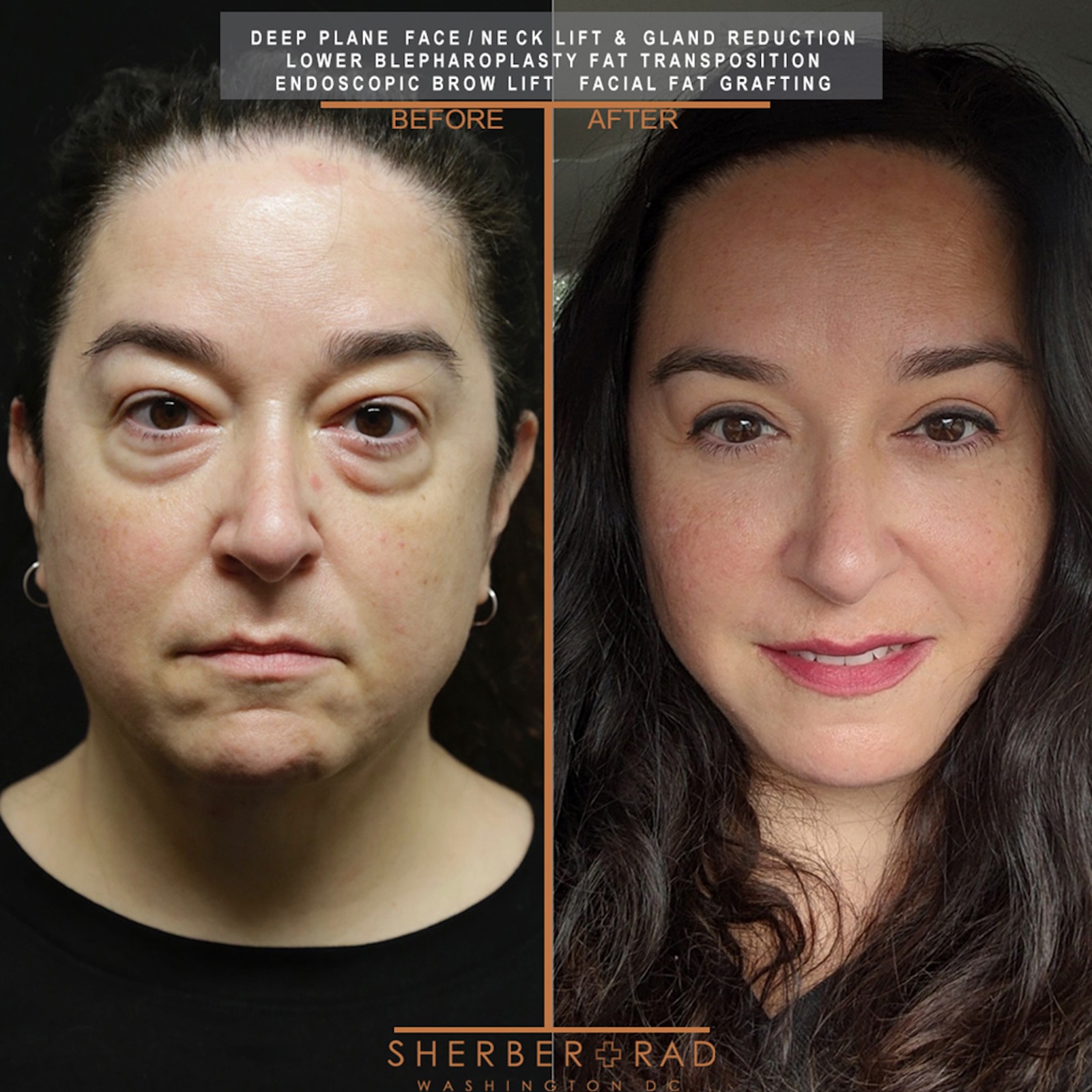
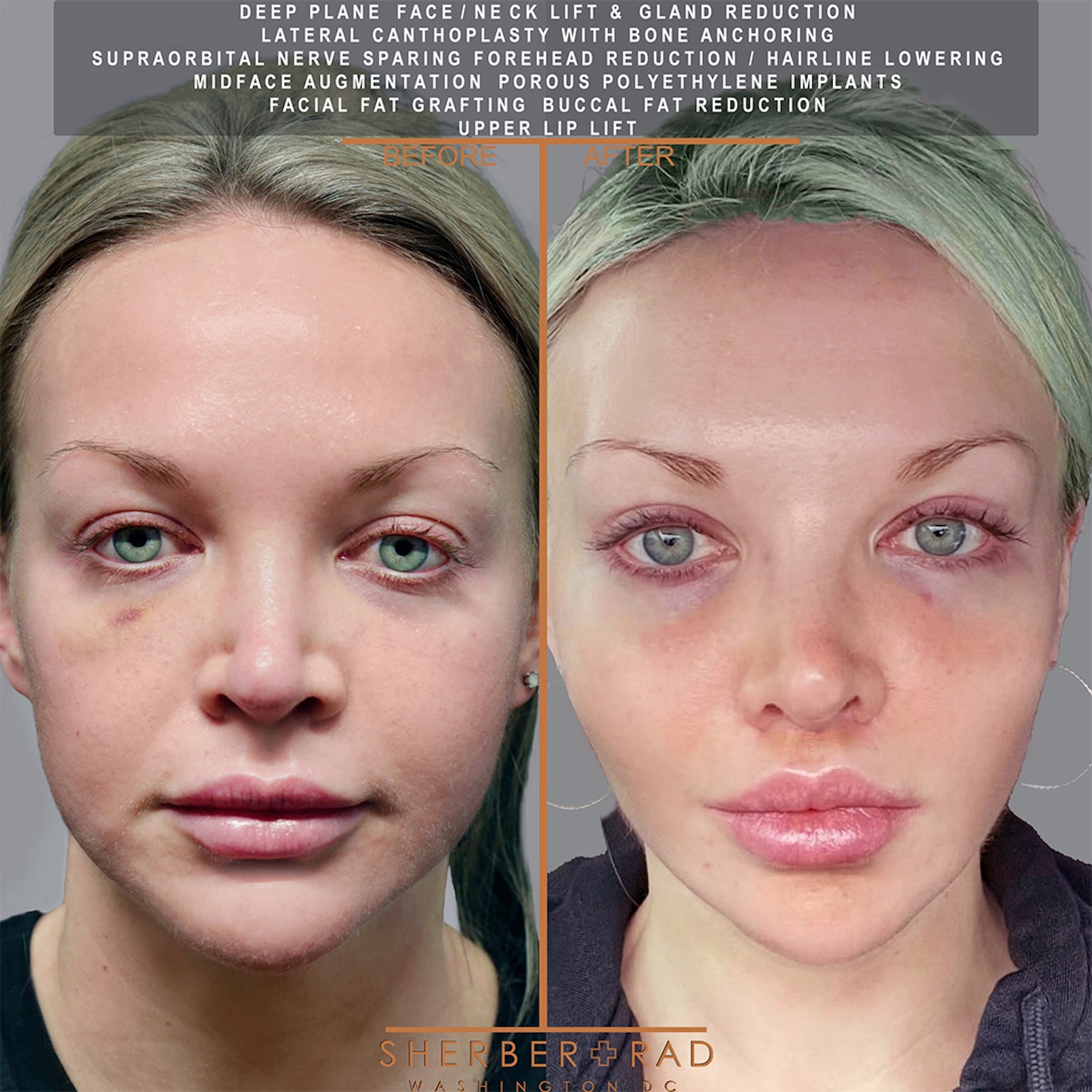
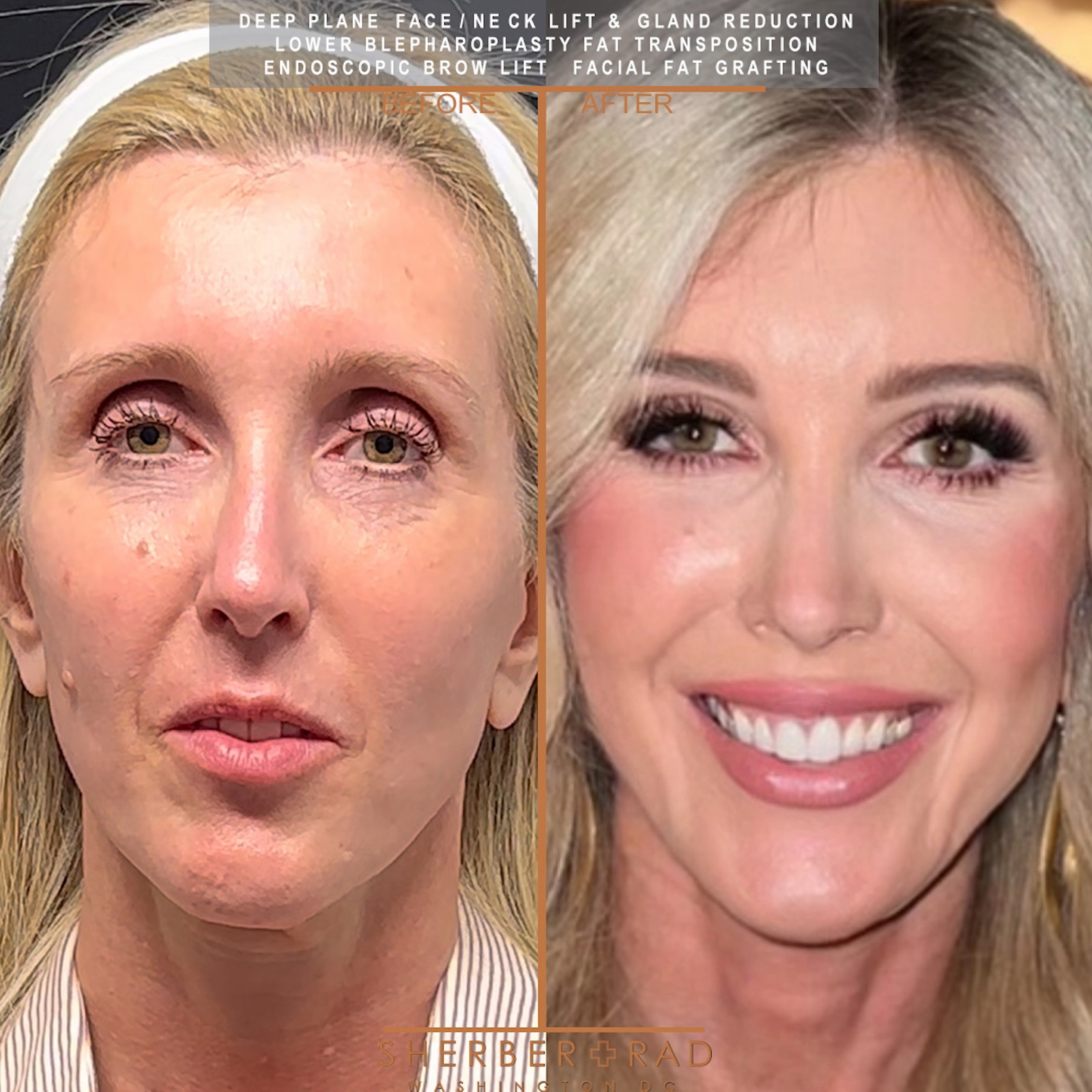
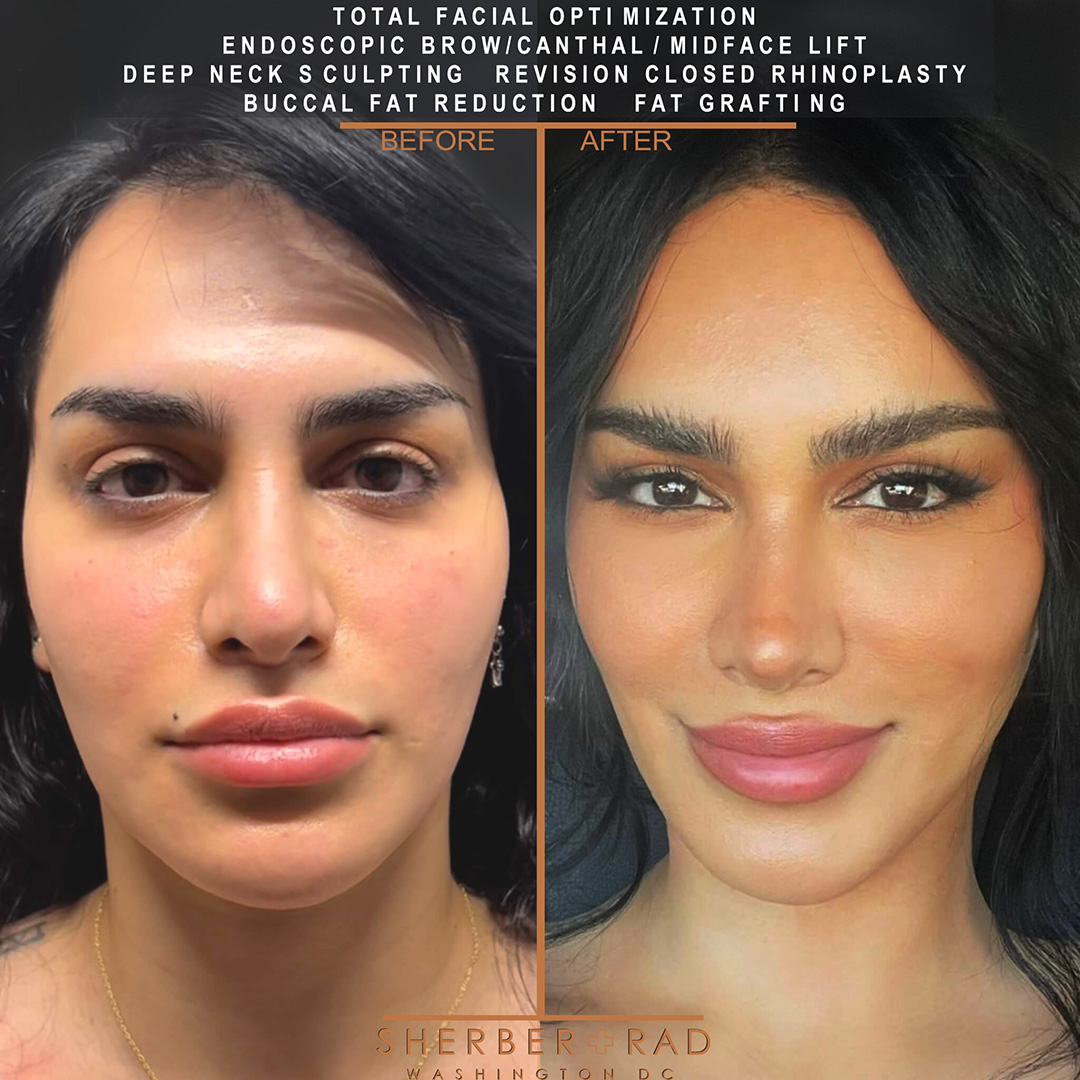
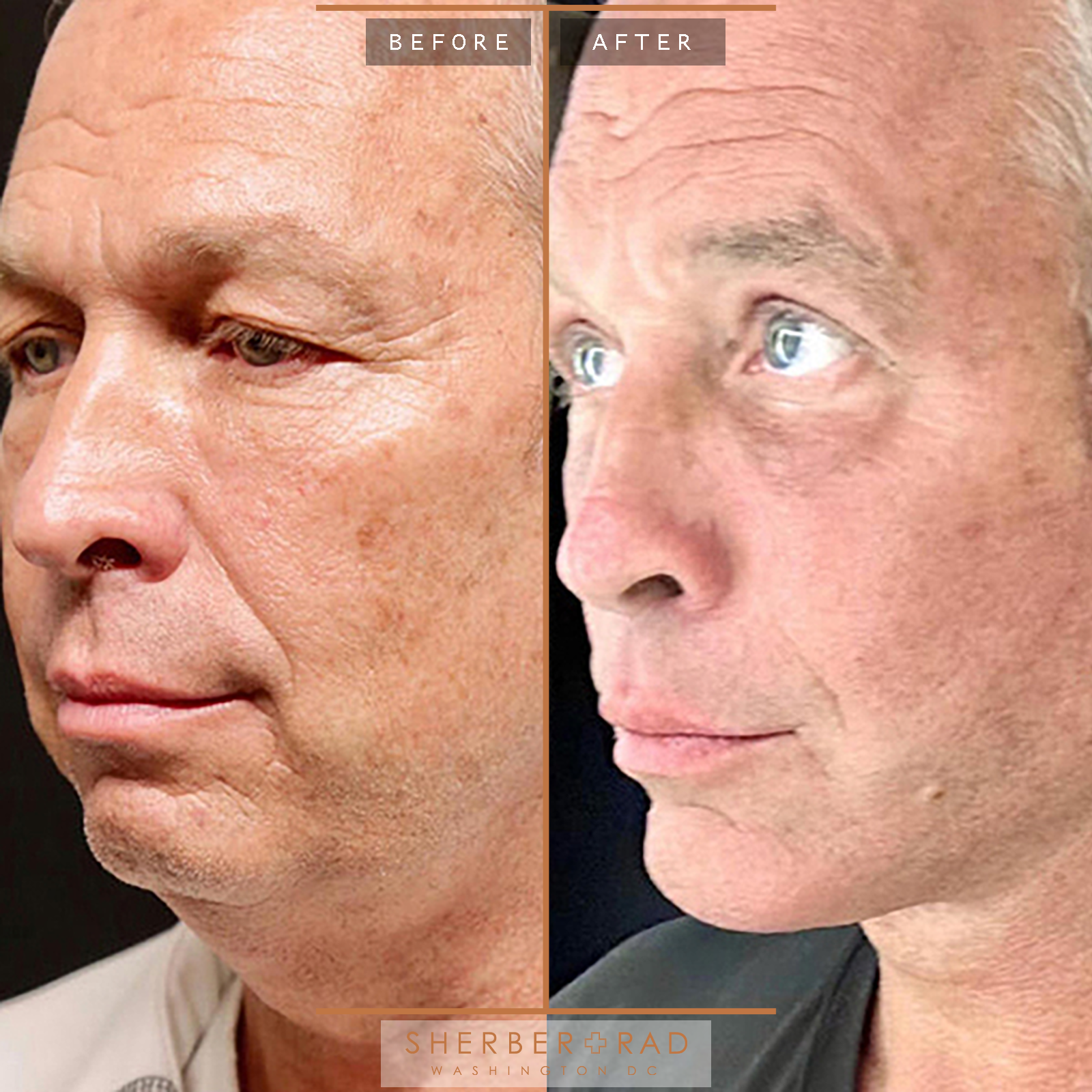
Real Patient ResultsGallery
before
after

before
after
before
after
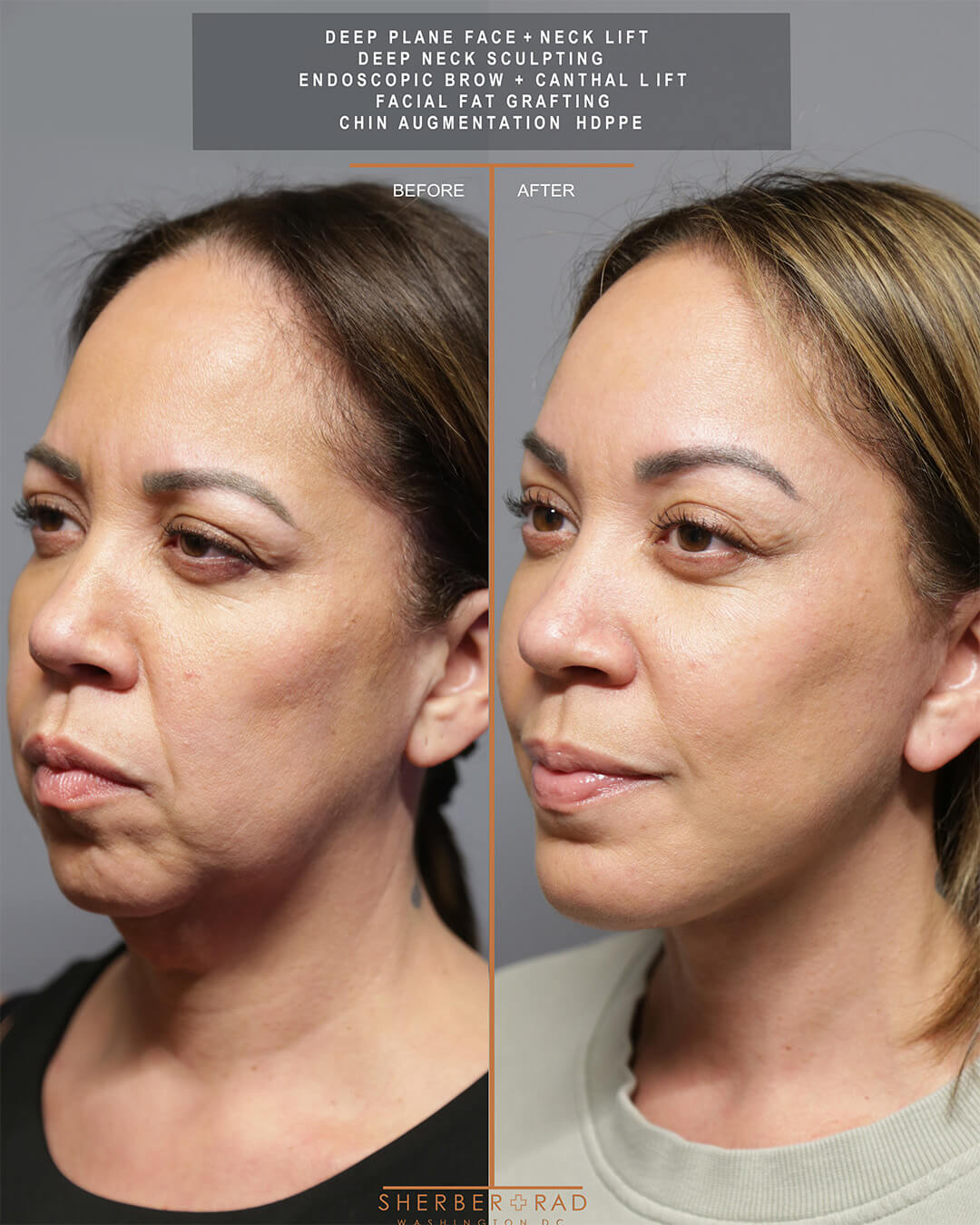
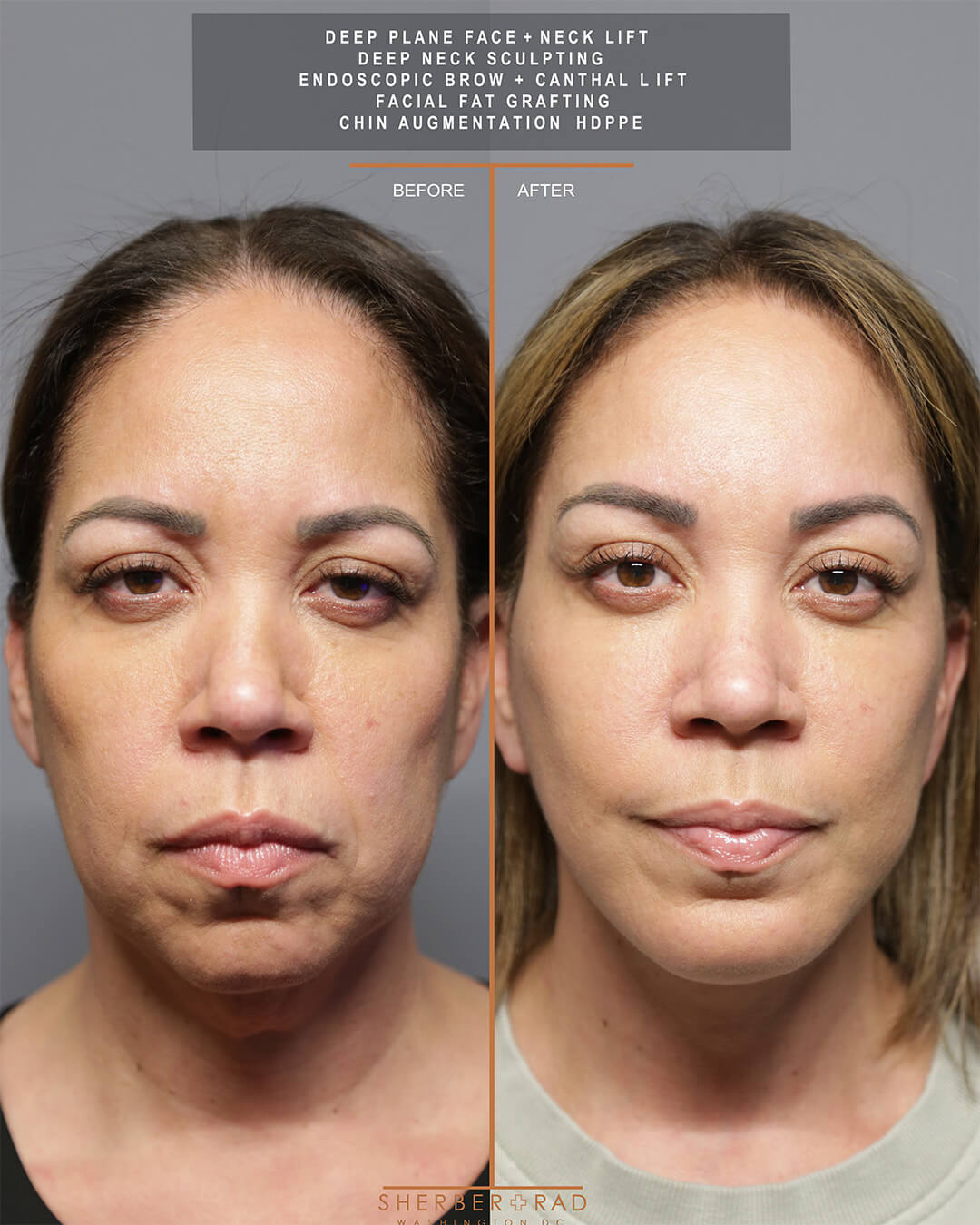
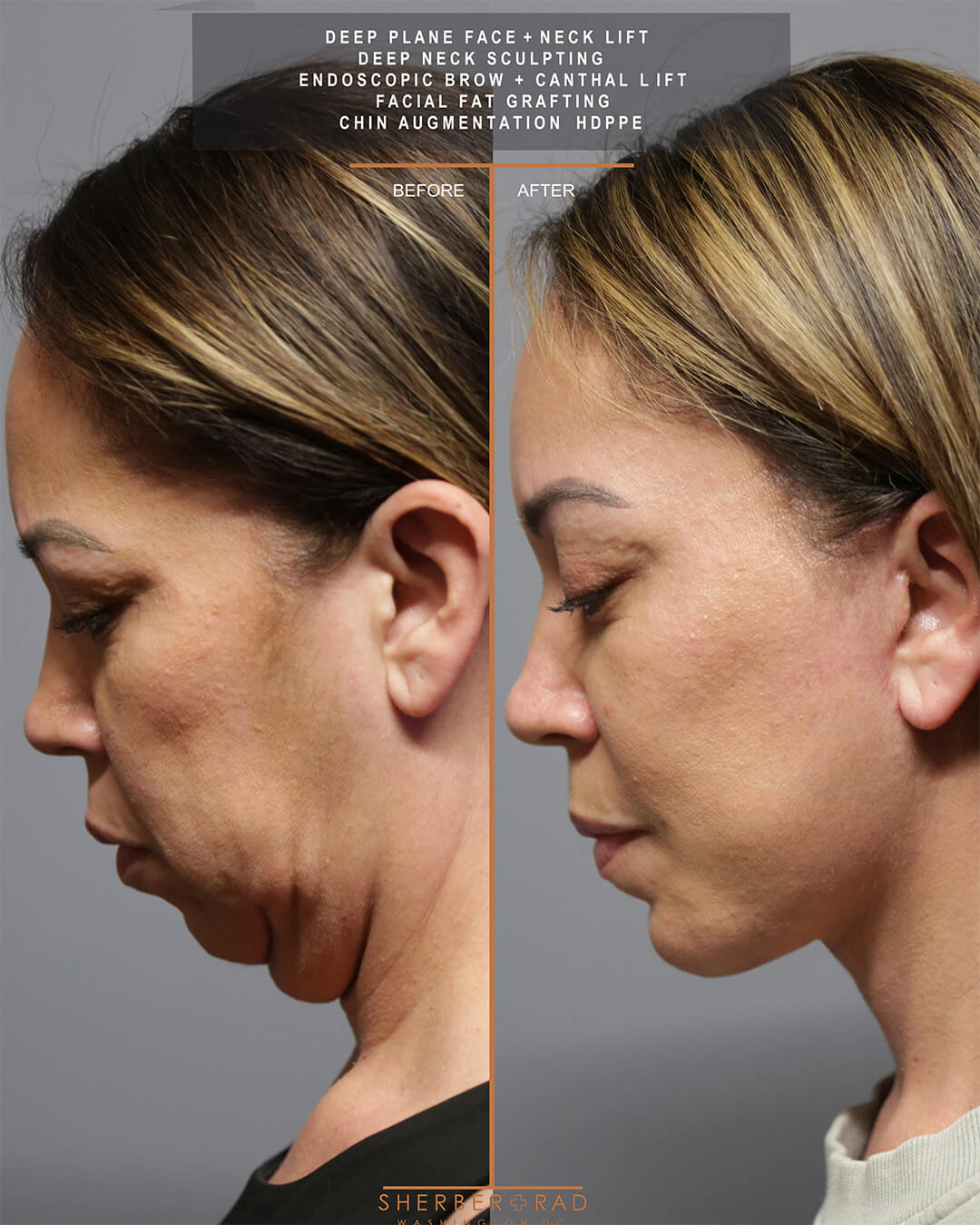
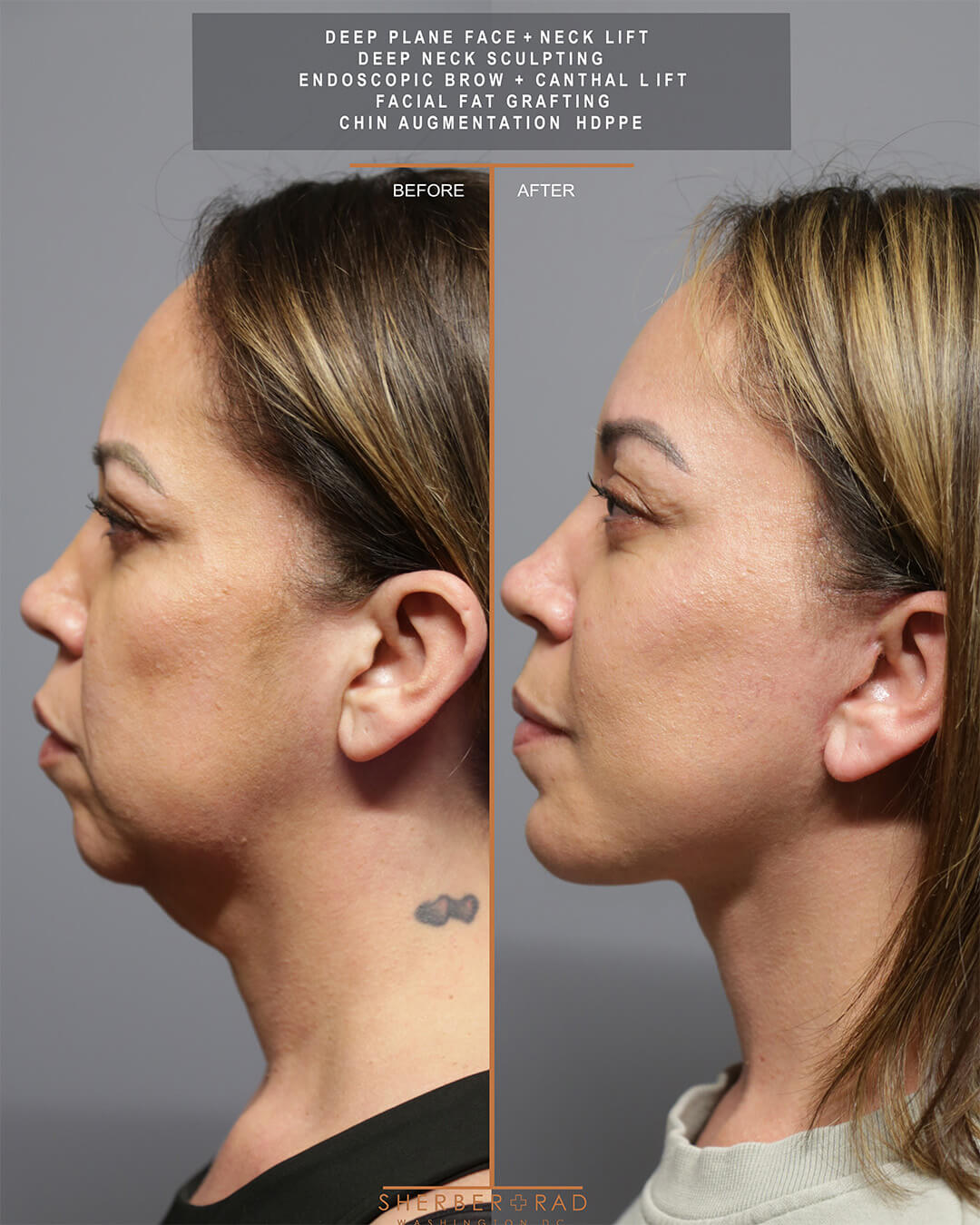
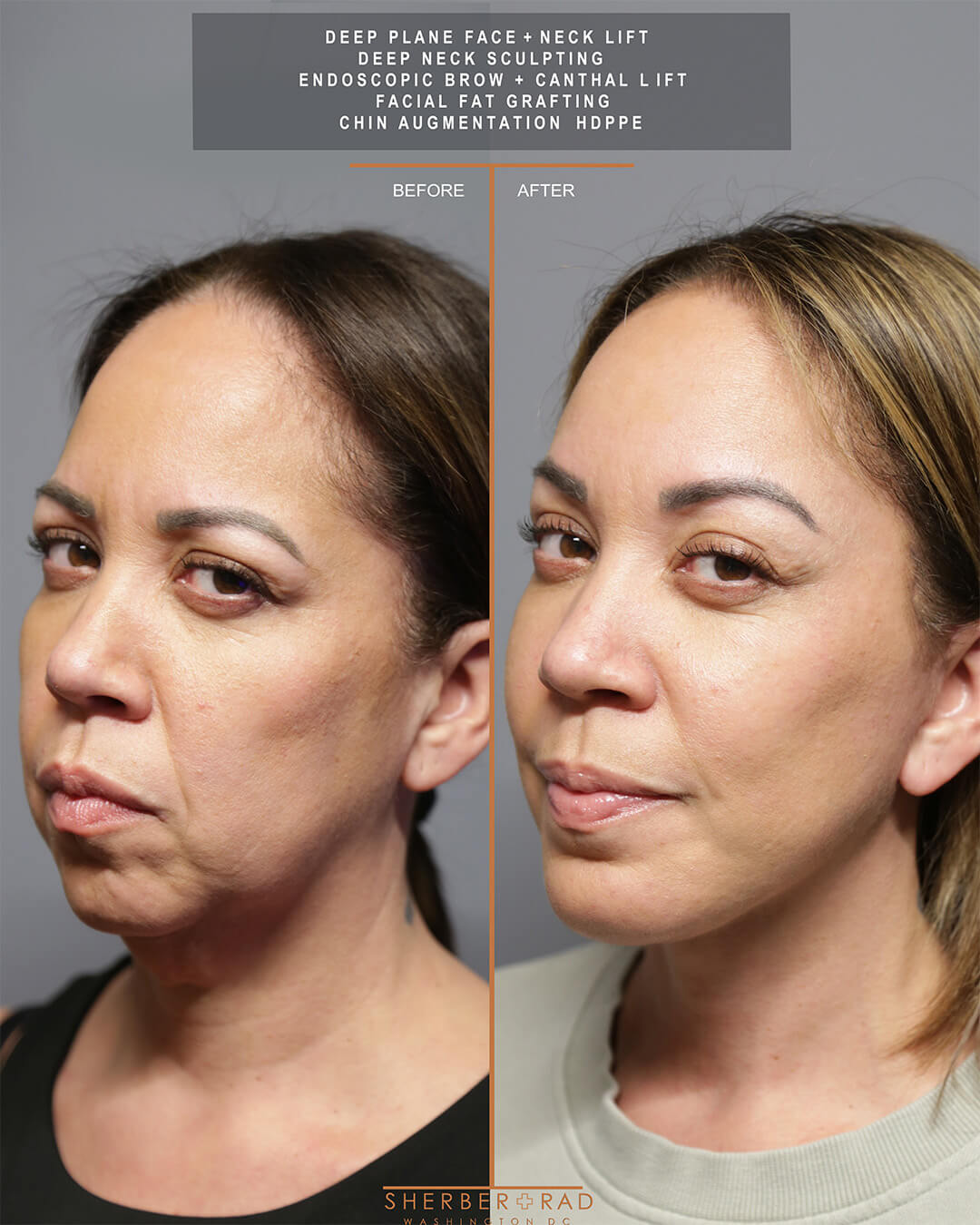
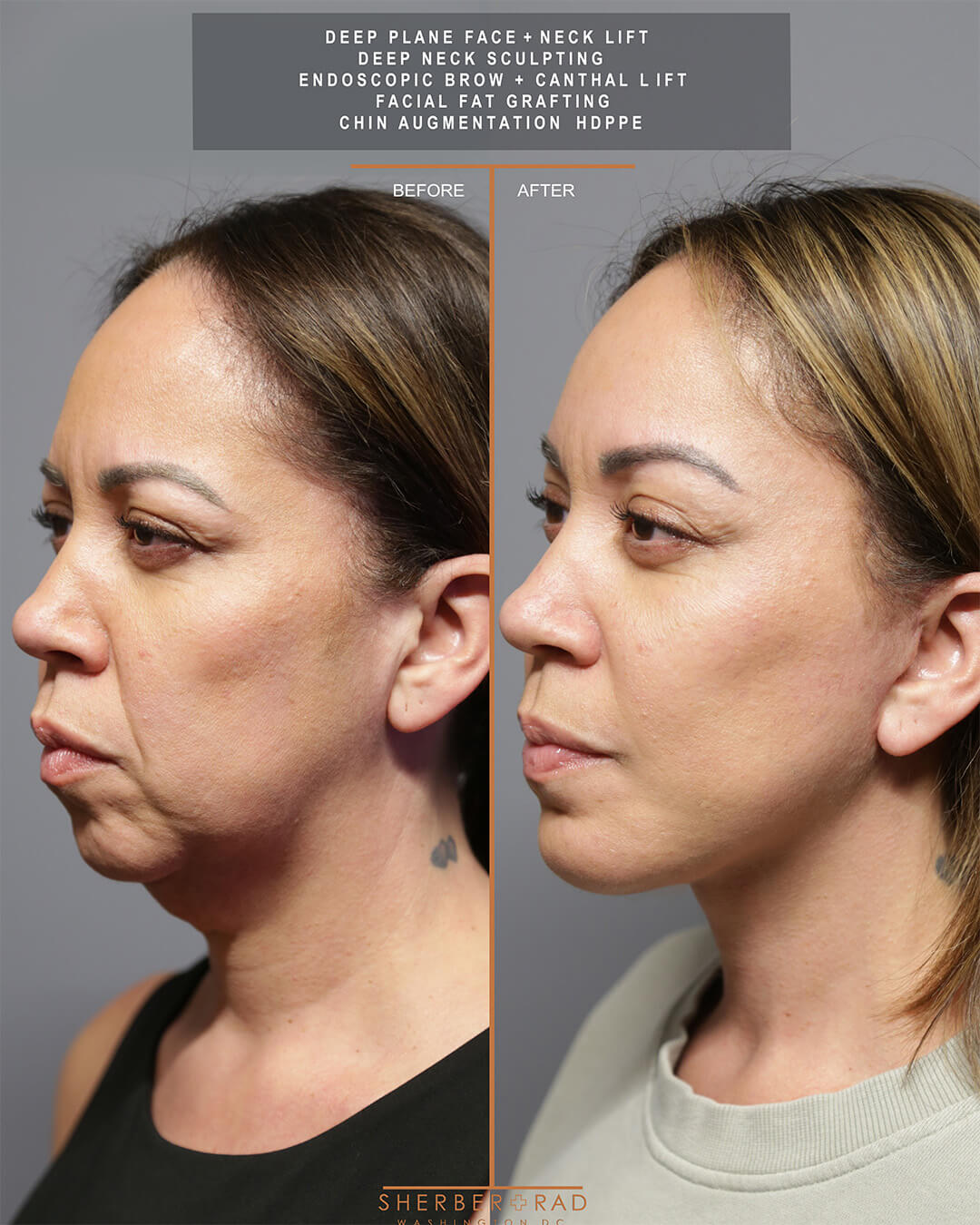
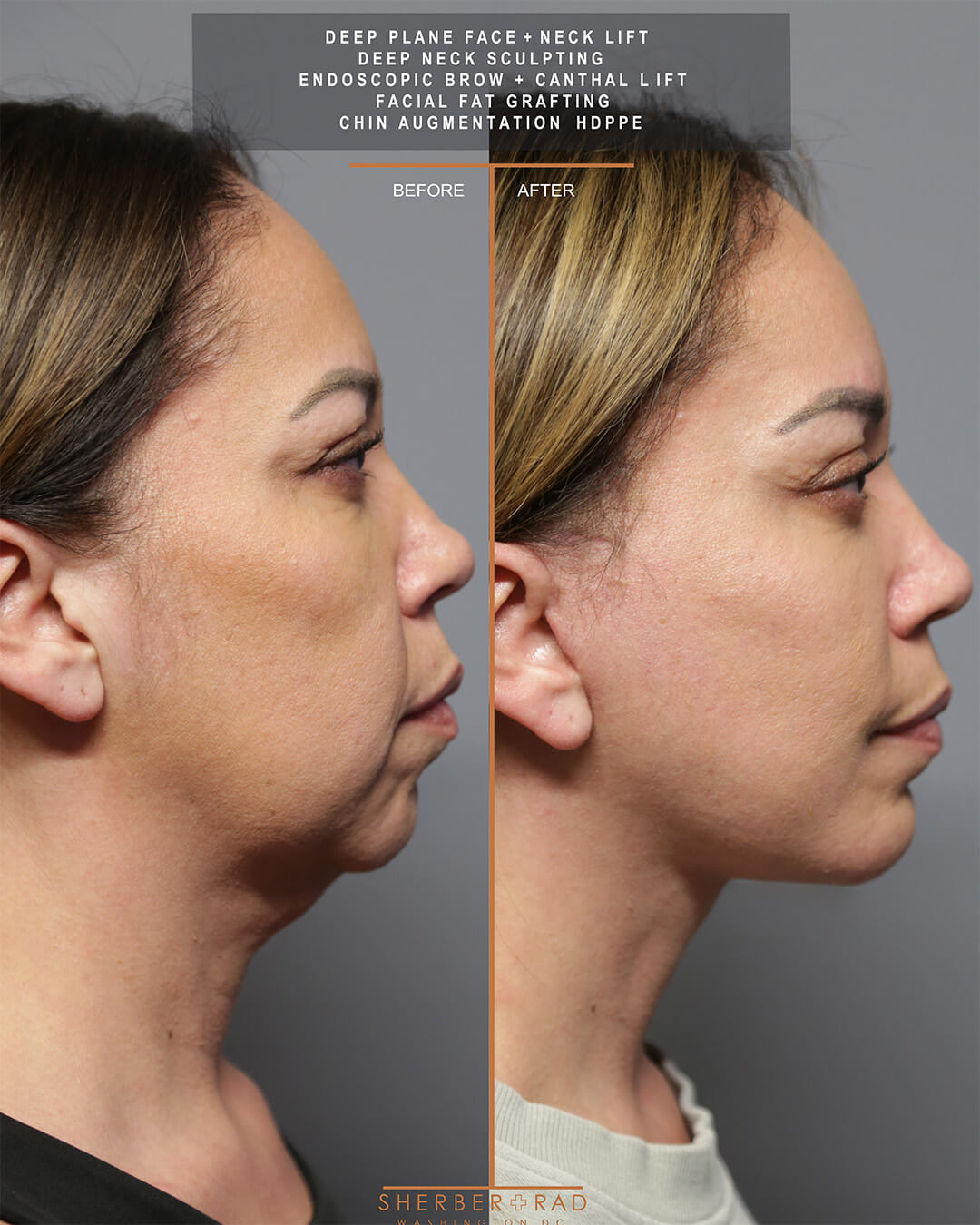
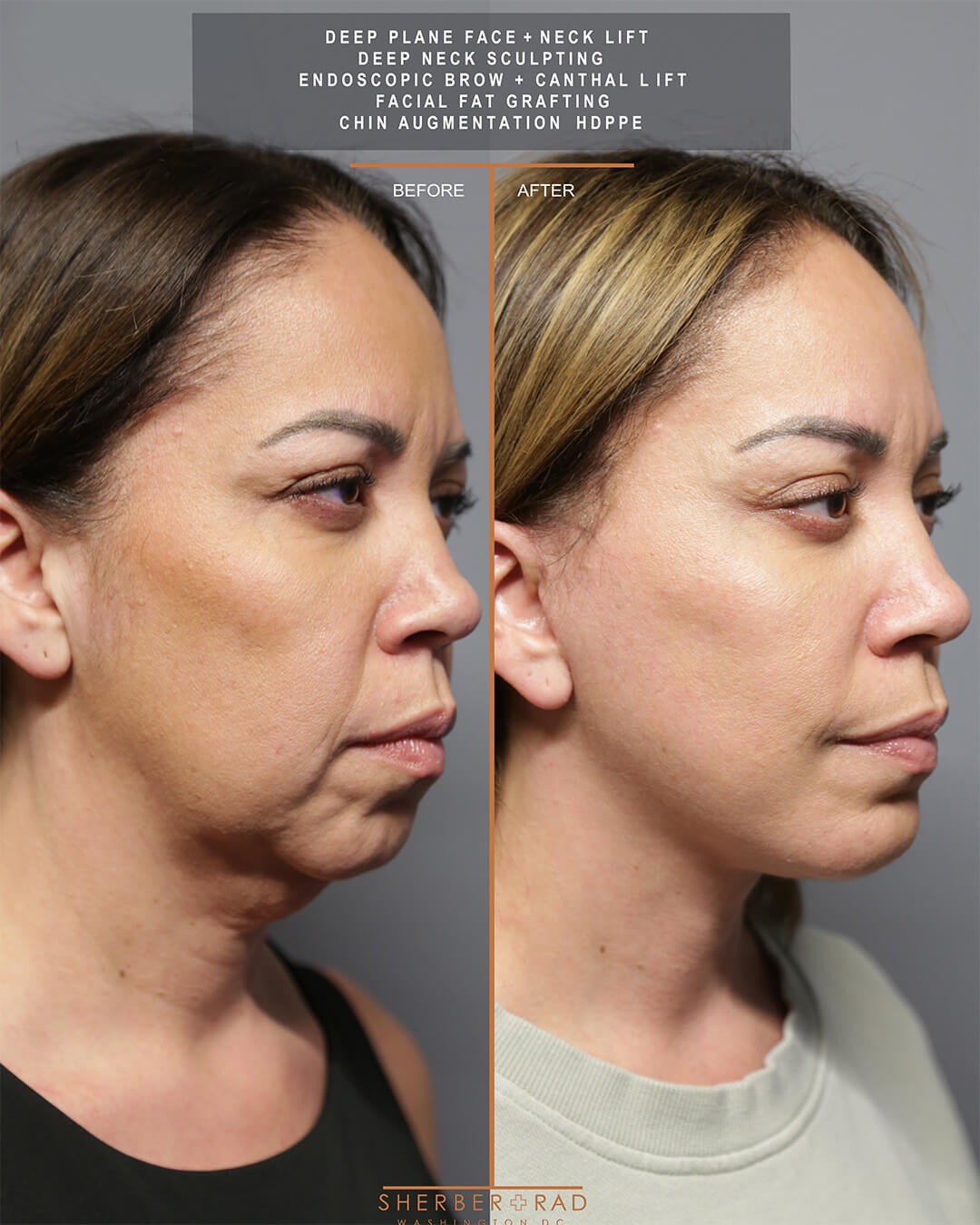
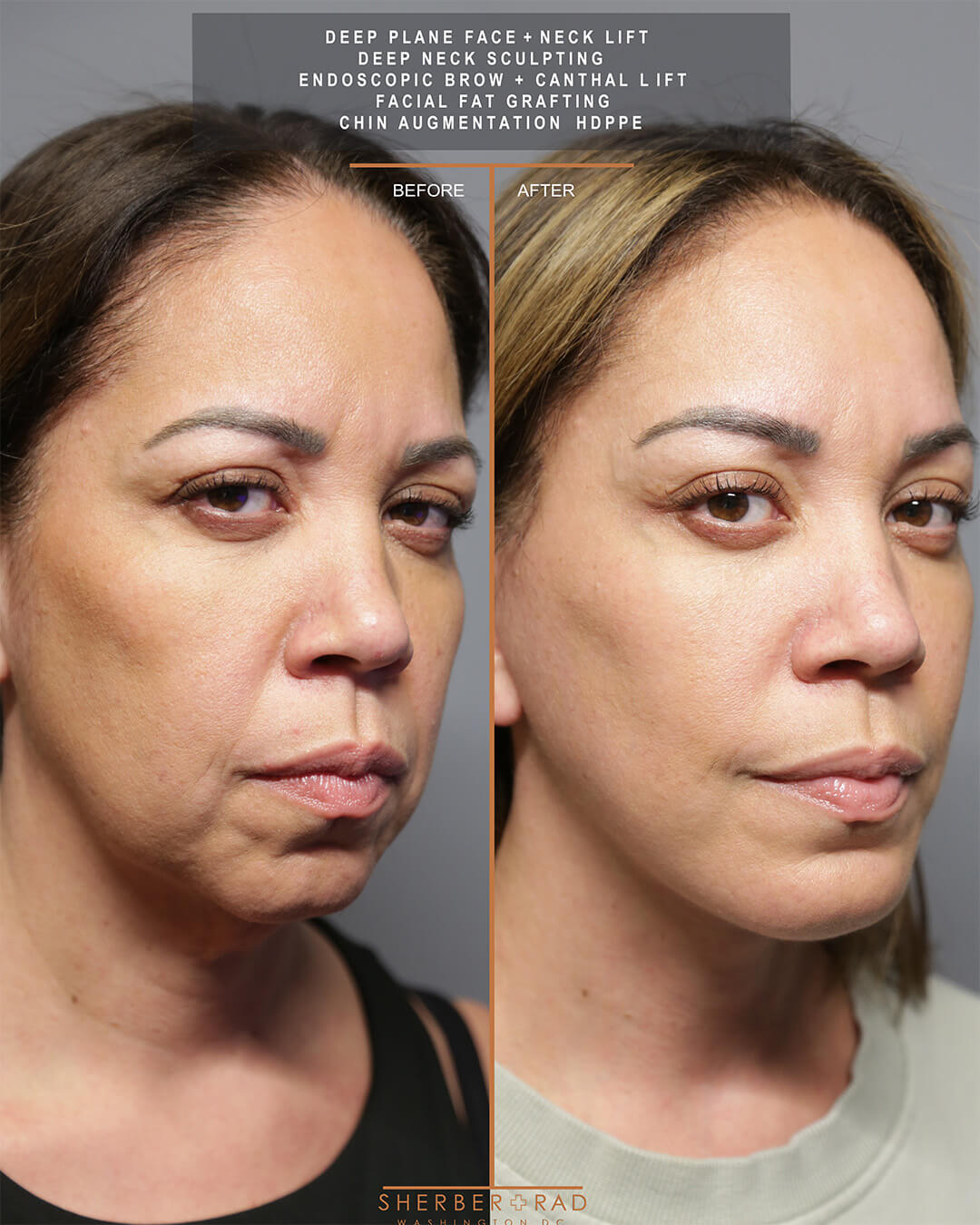
before
after

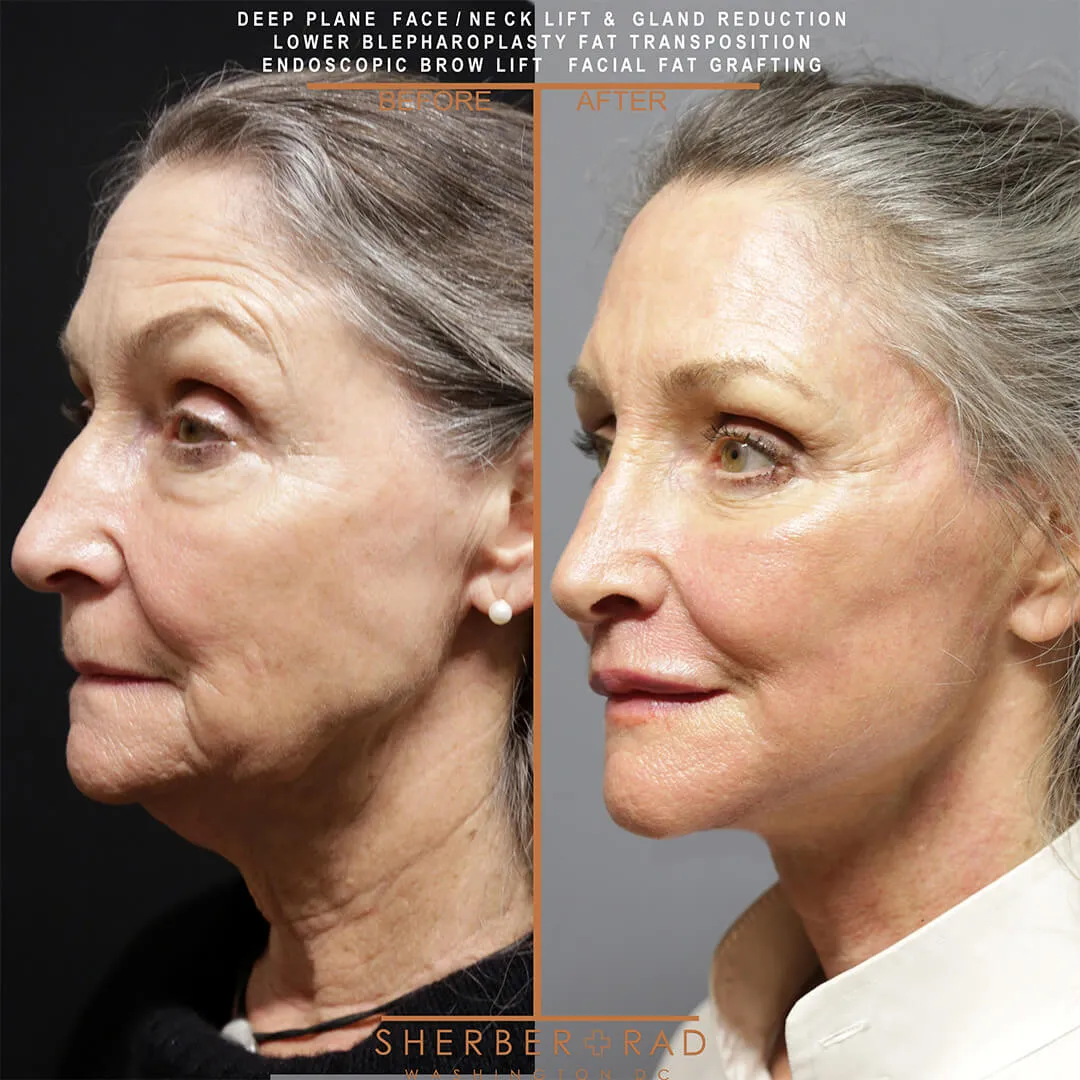
before
after
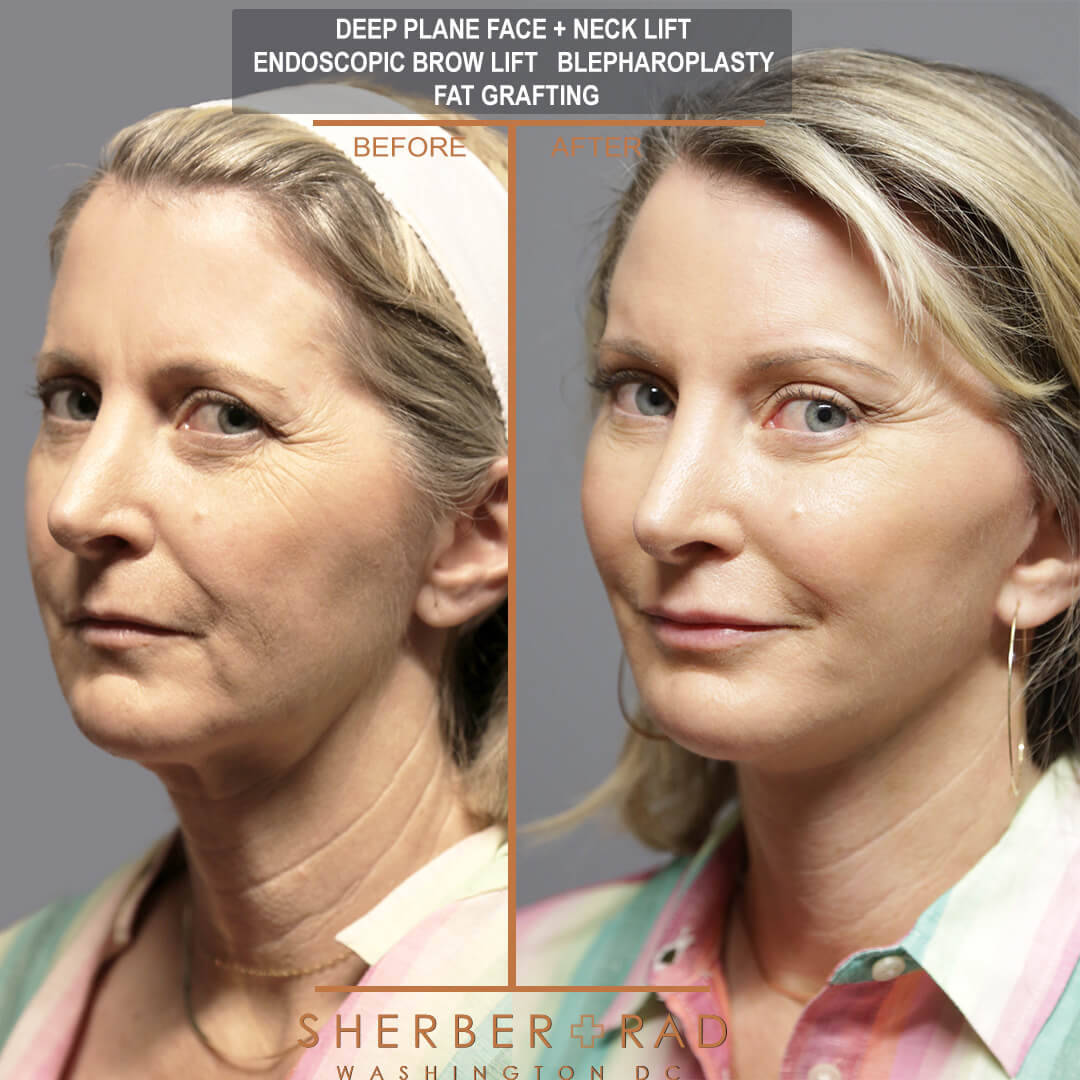

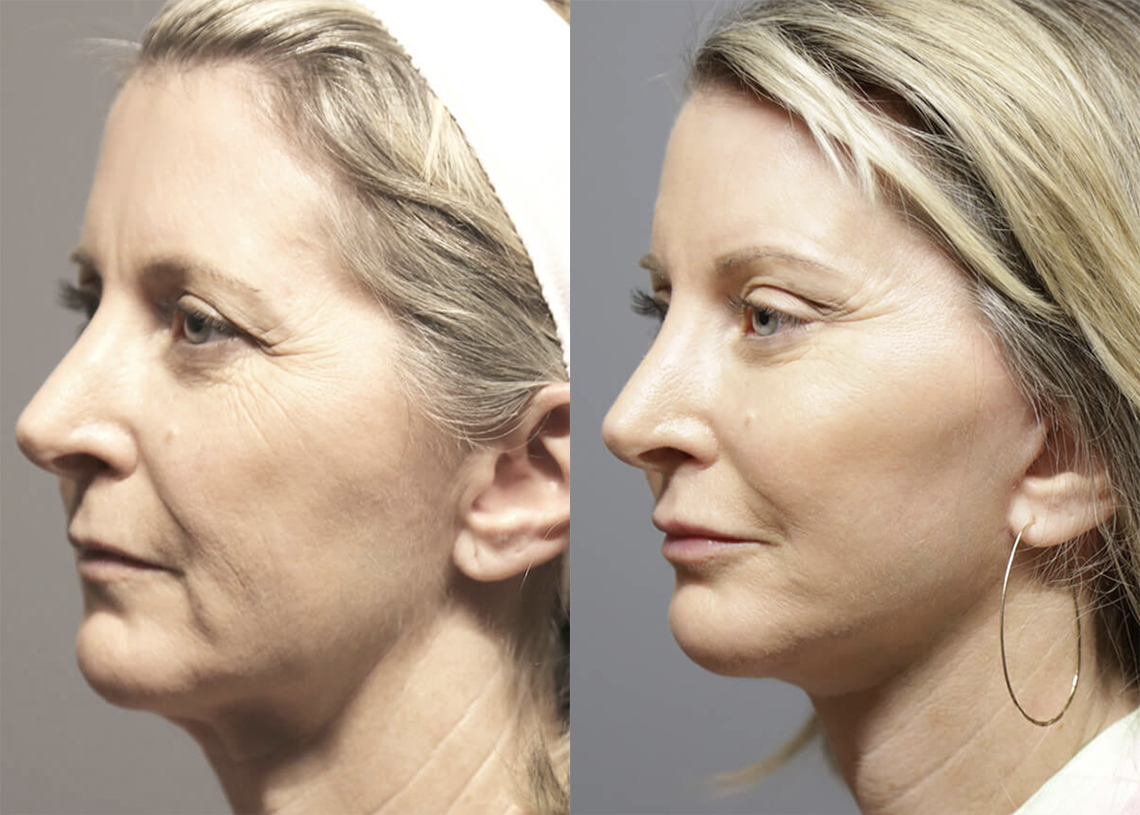

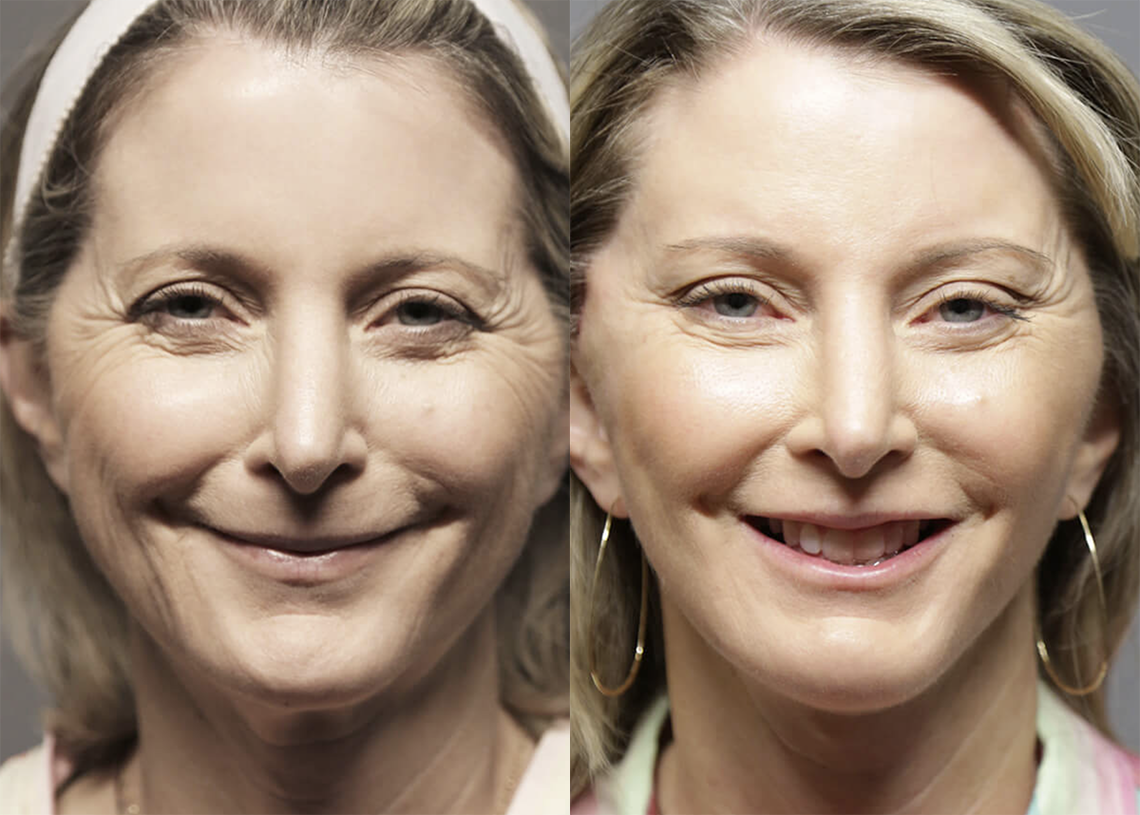
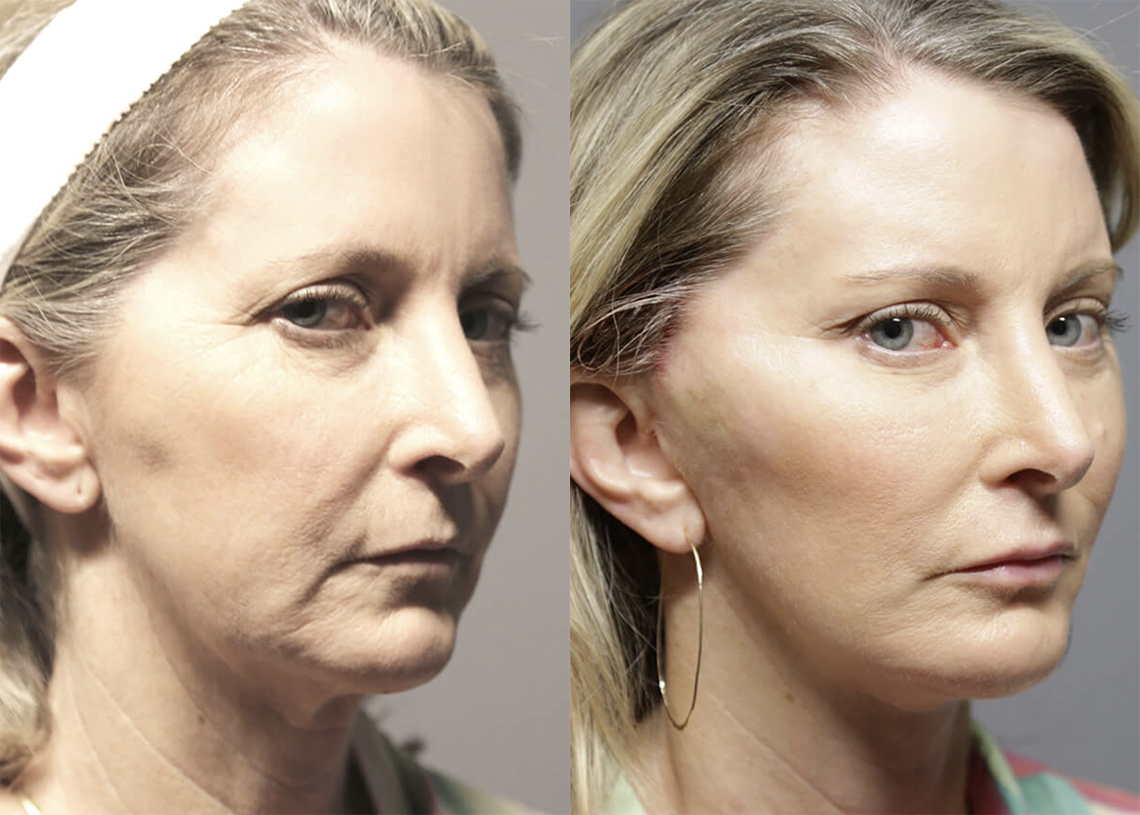
before
after
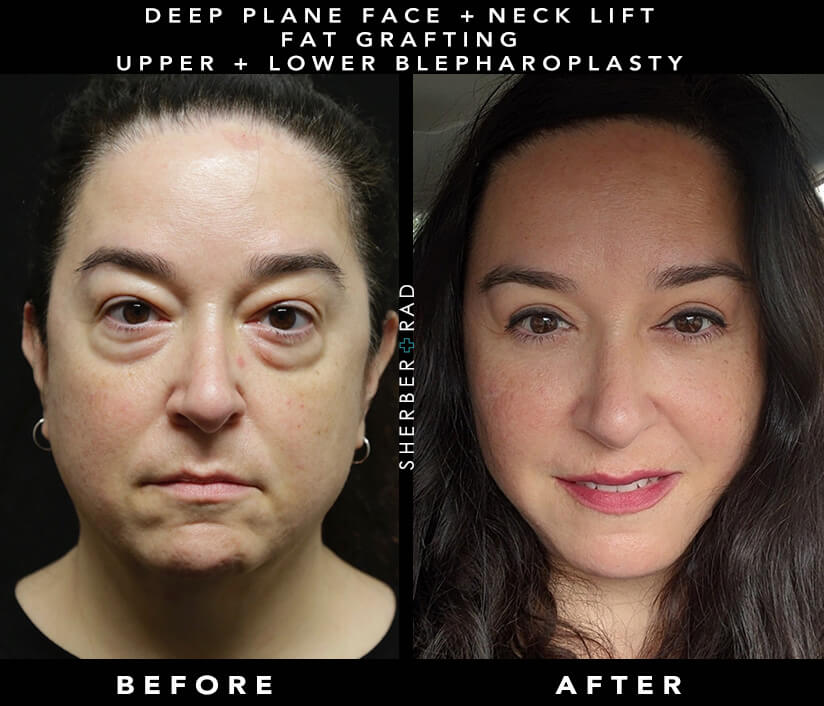
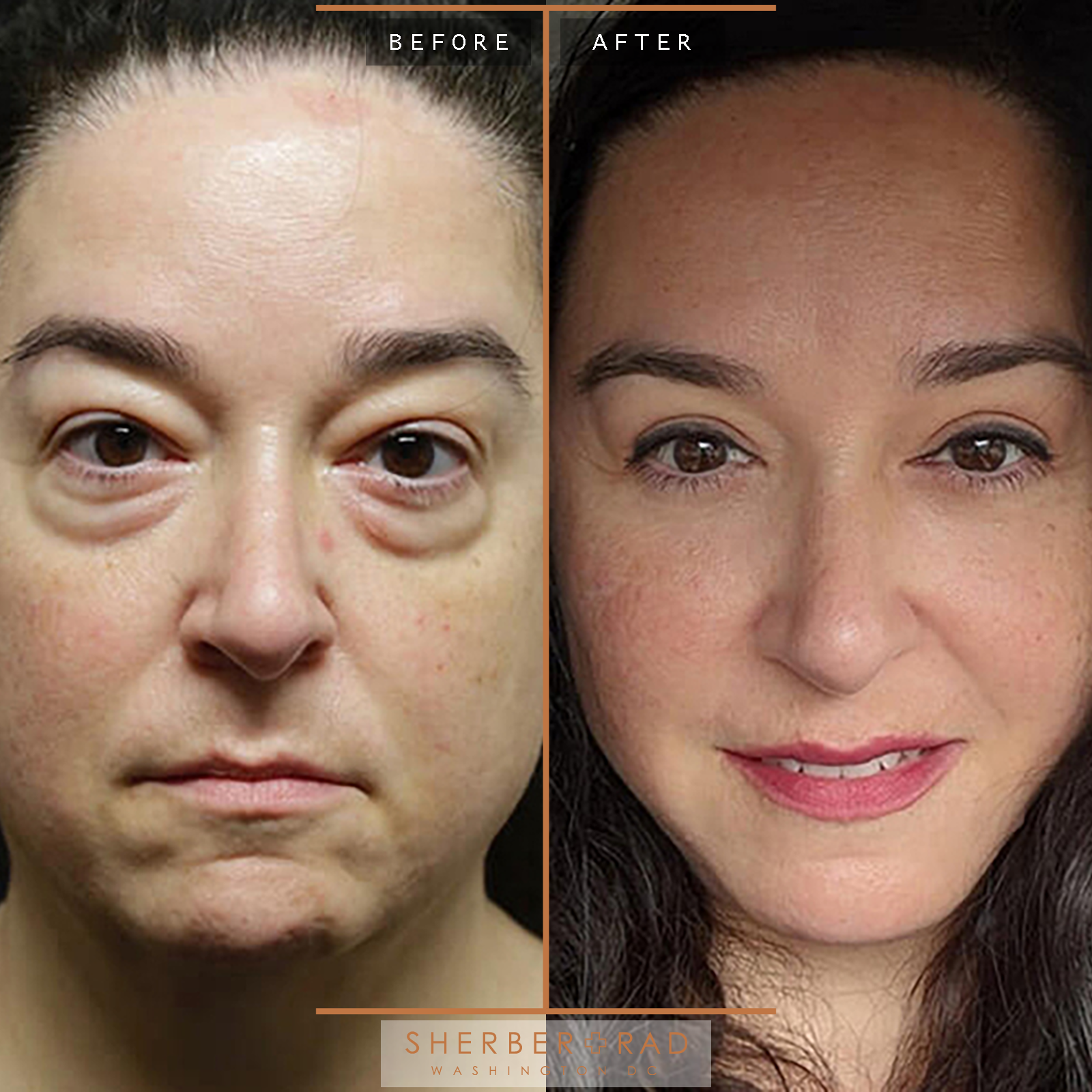
before
after
What is a SMAS Facelift?
How is a SMAS Facelift Performed?
Who is a Good Candidate for a SMAS Facelift?
Recovery from a SMAS Facelift
Cost of a SMAS Facelift
Risks of a SMAS Facelift
SMAS Facelift vs Deep Plane Facelift
| Feature | SMAS Facelift | Deep Plane Facelift |
|---|---|---|
| Depth of tissue lifted | SMAS layer (superficial muscular aponeurotic structure) | SMAS + releasing retaining ligaments + deeper soft tissue, often including ligaments, sometimes even attachments beneath SMAS |
| Freedom of repositioning | Moderate | Greater vertical lift, less tension on skin, more natural midface contour restoration |
| Recovery | Slightly less recovery time compared to full deep plane | Longer or more involved recovery; more extensive dissection |
| Best for | Moderate descent, earlier or moderate facial aging | Advanced aging, heavy jowls, significant midface descent, or patients seeking most dramatic yet natural result |
Dr. Rad evaluates you to determine which technique (SMAS, Deep Plane, or a hybrid) best matches your anatomy, goals, and desired balance of risk vs result.
What Makes Dr. Rad Different — His Expertise & Artistic Philosophy
Dr. Rad’s approach goes beyond simply lifting and tightening. Key differentiators:
- Holistic Aging Analysis: He studies how your face has changed over time—volume loss, skeletal changes, tissue descent—often using older photographs to guide surgical planning (“facelift couture”), so that results restore your inherent youthful architecture.
- Artistry & Natural Movement: Dr. Rad focuses not just on static beauty but how your face moves — smiles, speech, expression. His aim is to preserve fluid, natural expression, avoiding the “operated” look often caused by tension, improper vector of lift, or overcorrection.
- Anatomical Precision & Safety: Deep knowledge of facial anatomy ensures that SMAS layer lifting is done safely, preserving important structures, minimizing risk to facial nerves, ensuring optimal vascular supply and minimizing tension on skin.
- Personalization: Every surgery is customized—not a one-size-fits-all. The photographic roadmap, vector planning, patient’s unique aging pattern and desires are all central.
- Empathy & Patient Journey: Healing is not just physical; confidence and psychological wellbeing matter. Dr. Rad is invested in the patient’s journey from consultation through recovery, in providing support, setting realistic expectations, celebrating progress.
Why Choose Dr. Ariel Rad for Your Facelift in Washington, D.C.?
Dr. Rad is a world-renowned facelift surgeon known for combining the precision of a reconstructive surgeon with the artistry of an aesthetic expert. His training includes Princeton, Duke Medical School, and Johns Hopkins Hospital, where he is also Assistant Clinical Professor.
Patients choose Dr. Rad because he offers:
- Mastery of both SMAS and deep plane facelift techniques
- Natural, elegant results tailored to each patient’s unique features
- Leadership in surgical education and patient safety
- A reputation for refined artistry, where patients look refreshed—not operated on
Contact us today to schedule a private consultation. Bring along older photographs — from 10 years ago and early adulthood — so we can begin your personalized roadmap.
Testimonials

Next Steps
PLAN YOUR VISIT
Related Procedures
Deep Plane Facelift
Endoscopic “Ponytail” Facelift
Vertical Mid Facelift

Revision Facelift
Facelift under 50
Male Facelift

Ethnic Facelift

Short Scar Facelift (In-Office)